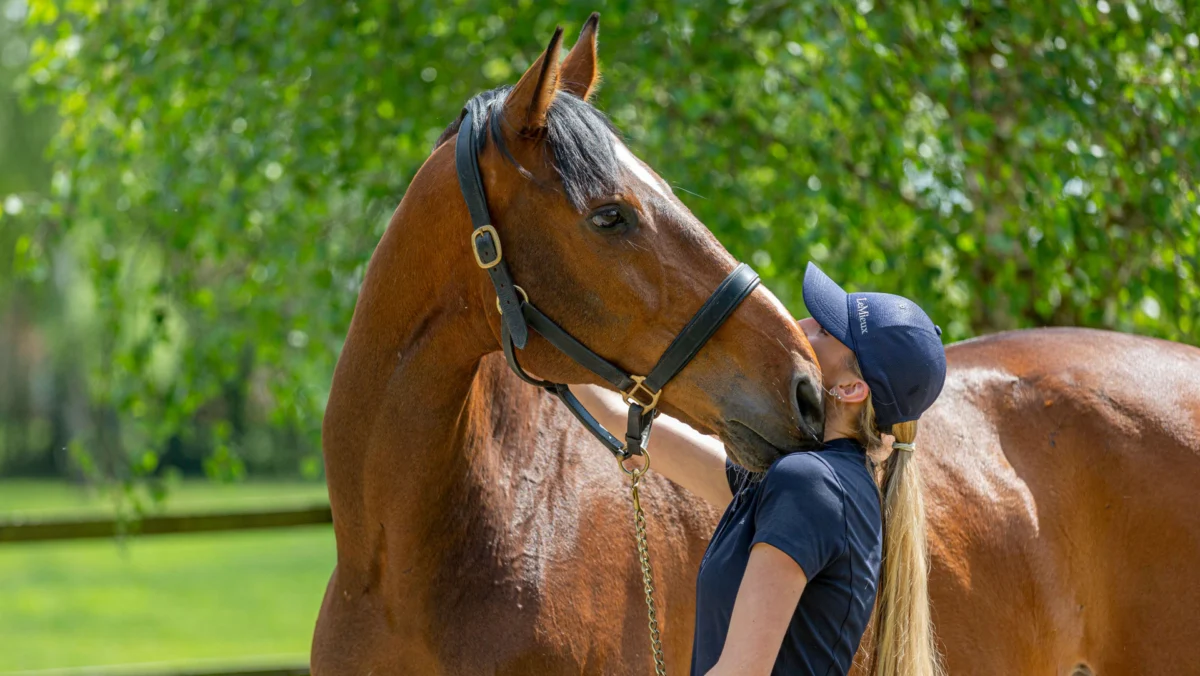
The prospect of welcoming a horse into one’s life, whether through loaning or outright purchase, represents a profound and exhilarating milestone for any equestrian enthusiast. This journey, while promising unparalleled joy and a deep connection with a magnificent animal, is fundamentally a significant commitment that demands careful consideration, extensive preparation, and a robust understanding of the responsibilities involved. For those on the cusp of this life-altering decision, the excitement is palpable, but it must be tempered with a realistic assessment of the logistical, financial, and time-intensive demands that accompany horse ownership. The decision to bring a horse into one’s care is not merely acquiring a pet; it is embracing a lifestyle, a partnership, and a continuous learning experience that will redefine one’s free time and daily routines.
The Unseen Costs: Beyond the Purchase Price
One of the most common misconceptions among prospective first-time horse owners is underestimating the true financial burden. The initial purchase or loan fee for a horse is often just the tip of a much larger financial iceberg. Responsible horse ownership necessitates a comprehensive budget that accounts for both predictable recurring expenses and potential unforeseen costs.
Initial Outlays: A Detailed Breakdown
Before a horse even sets hoof on its new property, a series of initial investments are typically required. The purchase price of a horse can vary dramatically, ranging from a few hundred to tens of thousands of pounds, depending on factors such as breed, age, training level, temperament, health history, and competitive potential. A well-bred, extensively trained competition horse will naturally command a higher price than a companion animal or a project horse.
Beyond the horse itself, a pre-purchase veterinary examination (PPE) is an indispensable investment. This thorough check, which can cost several hundred pounds, involves a detailed physical examination, soundness tests, and often X-rays or blood tests to identify any underlying health issues or predispositions. Skipping this crucial step can lead to significant veterinary bills and heartbreak down the line. Transportation costs, varying with distance and horse size, must also be factored in, potentially ranging from £100 to £500 or more for inter-country travel.
Furthermore, acquiring the necessary equipment is a substantial initial expense. A complete tack setup, including a fitted saddle, bridle, girth, and stirrups, can easily cost upwards of £1,000 to £3,000 for new, good-quality items. Rugs for various weather conditions (stable, turnout, fly), a comprehensive grooming kit, stable equipment (buckets, feed bins, mucking out tools), and safety gear for the rider (helmet, boots, body protector) are all essential purchases that contribute significantly to the initial outlay. Even basic items for stable management, such as wheelbarrows, pitchforks, and bedding, add to the foundational costs.
Recurring Expenses: The Monthly Ledger
Once the initial hurdles are cleared, the ongoing monthly and annual expenses become the primary financial consideration. These costs are relentless and largely non-negotiable for maintaining the horse’s health and well-being.
- Livery/Board: This is typically the largest recurring expense. Livery options vary widely, from full livery (where all care is provided) to part livery, DIY (do-it-yourself), or grass livery. Full livery can range from £400 to £1,000+ per month, especially in urban or high-demand areas, covering stable, turnout, feed, hay, and daily mucking out. DIY livery, while cheaper (e.g., £150-£300 per month), places all responsibility for care, feeding, and mucking out squarely on the owner.
- Feed and Forage: Even with livery that includes some feed, many horses require additional concentrates, supplements, and hay, particularly during winter months or for specific dietary needs. This can add £50 to £200 per month.
- Farrier Care: Horses require regular hoof care, typically every 4-8 weeks. Trimming for barefoot horses costs around £30-£50, while shoeing can range from £70-£150 per set, depending on the type of shoeing and farrier’s rates.
- Veterinary Care (Routine): Annual vaccinations (flu and tetanus), regular worming programmes, and dental checks (typically annually or bi-annually) are essential preventative care. These routine costs can accumulate to £200-£400 annually, not including emergency care.
- Insurance: Equine insurance is highly recommended. Policies can cover mortality, veterinary fees (for illness or injury), loss of use, and public liability. Premiums vary based on the horse’s value, age, and chosen coverage, often ranging from £30 to £100+ per month.
- Lessons and Training: For a first-time owner, regular lessons with a qualified instructor are crucial for both rider and horse development, safety, and addressing any behavioural or training issues. Weekly lessons can cost £30-£60 per session.
- Miscellaneous: This category encompasses a wide array of smaller but necessary expenses, such as replacing worn-out rugs or tack, grooming supplies, fly sprays, first-aid items, and potentially entry fees for local shows or clinics.
Unexpected Costs: Preparing for the Unforeseen
Beyond the predictable, every horse owner must be prepared for the unexpected. Veterinary emergencies, such as colic, lameness, or injuries, can result in bills running into hundreds or even thousands of pounds, even with insurance, due to deductibles and limits. Major surgeries can easily exceed £5,000. It is prudent for owners to maintain an emergency fund specifically for such eventualities, often recommended to be at least £1,000-£2,000. Changes in the horse’s health or temperament might also necessitate professional training or behavioural therapy, adding further unplanned expenses.
The Unwavering Time Commitment: A Lifestyle Transformation
Beyond the financial implications, horse ownership demands a significant and unwavering time commitment. A horse is not a pet that can be left alone for extended periods; it requires daily attention, care, and interaction.
Daily Routines and Responsibilities
Even on full livery, owners typically want to spend time with their horse. For those on DIY or part livery, daily tasks are extensive:
- Feeding: Horses usually require feeding at least twice a day, sometimes more, often at specific times.
- Mucking Out: Stables need to be mucked out daily, a physically demanding task that can take 30-60 minutes per stable.
- Turnout/Bring In: Moving the horse to and from its paddock, which involves checking fences, water, and the horse’s condition.
- Grooming: Daily grooming is essential for hygiene, coat health, and bonding, taking 15-30 minutes.
- Health Checks: A quick visual check for injuries, swelling, or changes in behaviour is a daily necessity.
- Exercise: Most horses require daily exercise, whether ridden, lunged, or turned out, to maintain physical and mental health. This can be 30 minutes to several hours, depending on the horse’s fitness and owner’s goals.
This daily routine means early mornings, late evenings, and dedication regardless of weather conditions or personal fatigue. Social plans, holidays, and even work schedules often need to revolve around the horse’s needs.
Training and Development
A horse is a living, learning being that benefits from consistent training and interaction. For a first-time owner, this often means committing to regular lessons and spending time developing a partnership with the horse. This isn’t just about riding; it’s about groundwork, teaching manners, and building trust. The time invested in training not only enhances the horse’s well-being and performance but also significantly improves the owner’s horsemanship skills and safety.
Seasonal Demands
The time commitment fluctuates with the seasons. Winter often means more time spent mucking out, managing muddy fields, and dealing with frozen water troughs. Summer brings fly management, managing turnout in hot weather, and potentially increased riding or competition schedules. These seasonal variations require adaptability and forward planning from the owner.
Navigating the Acquisition: Loan vs. Purchase
For first-time owners, the decision between loaning and purchasing is a critical one, each with distinct advantages and disadvantages.
Advantages and Disadvantages of Each
- Loaning (Leasing): This option involves taking responsibility for a horse that still belongs to another owner.
- Advantages: Lower initial financial outlay (no purchase price). Provides an opportunity to gain experience without the full long-term commitment. Allows for "trying out" different types of horses or disciplines. Often includes existing tack and equipment.
- Disadvantages: Lack of full ownership control (owner may have specific rules). The loan period is finite, and the horse may need to be returned. Less security and long-term planning.
- Purchasing: This involves full ownership of the horse.
- Advantages: Complete control over the horse’s care, training, and future. Long-term security and stability for both horse and owner. The deep satisfaction of full ownership.
- Disadvantages: Significant initial financial investment. Full responsibility for all costs and decisions. The commitment is long-term, potentially 20-30 years.
Regardless of the acquisition method, due diligence is paramount. For a purchase, a thorough pre-purchase veterinary examination is non-negotiable. For both loaning and purchasing, trial periods are highly recommended to assess the horse’s temperament, suitability for the owner’s experience level, and compatibility within the chosen livery yard environment. Engaging experienced equestrian professionals, such as trainers or agents, during the search and vetting process can provide invaluable guidance and mitigate risks.
Building Your Equestrian Support Network
No horse owner, especially a first-timer, operates in a vacuum. A robust support network of professionals and peers is essential for success and welfare.
- Veterinarians, Farriers, and Equine Dentists: These are the pillars of equine health. Establishing a good relationship with a reputable equine vet practice is crucial for routine care and emergencies. A skilled farrier is vital for hoof health and soundness. Regular dental checks by an equine dentist prevent common problems that can impact eating and riding.
- Trainers, Instructors, and Mentors: A qualified riding instructor or trainer provides essential guidance for both rider and horse, helping to develop skills, address issues, and set realistic goals. A mentor, perhaps an experienced owner at the livery yard, can offer practical advice and emotional support.
- The Wider Equestrian Community: Engaging with other horse owners, whether at the yard, through local clubs, or online forums, provides a sense of community, shared experience, and access to collective knowledge. This network can be invaluable for advice, support, and even finding temporary help during emergencies.
The Profound Rewards: More Than Just a Pet
Despite the significant challenges, the rewards of horse ownership are profound and deeply enriching, explaining why millions worldwide embrace this lifestyle.
- Emotional Connection and Companionship: Horses are intelligent, sensitive animals capable of forming deep bonds with humans. The unique partnership and mutual trust built through consistent care and interaction offer unparalleled companionship and emotional fulfilment. Many owners describe their horse as a confidante, a therapist, and a best friend.
- Physical and Mental Well-being: Riding and stable management provide excellent physical exercise, improving strength, balance, and coordination. Mentally, the demands of horsemanship foster problem-solving skills, patience, discipline, and stress reduction. The simple act of being outdoors and interacting with nature and animals has well-documented benefits for mental health.
- Personal Growth and Skill Development: Horse ownership is a continuous journey of learning. Owners develop resilience, empathy, responsibility, and an improved ability to read and understand animal behaviour. The challenges inherent in horsemanship push individuals to grow, adapt, and refine their skills, not just in riding but in management and critical thinking.
The Call for Responsible Horsemanship
The ultimate implication of first-time horse ownership is the undeniable call for responsible horsemanship. This extends beyond merely providing food and shelter; it encompasses a holistic approach to the animal’s welfare, health, and ethical treatment.
- Welfare Standards and Ethical Considerations: Owners are ethically bound to provide a safe environment, appropriate nutrition, regular veterinary care, and opportunities for social interaction and natural behaviour. This includes understanding equine ethology and ensuring the horse’s physical and psychological needs are met. Abuse or neglect, whether intentional or due to ignorance, is unacceptable and has legal ramifications.
- Continuous Learning and Adaptation: The equestrian world is constantly evolving with new research in veterinary medicine, training methods, and nutrition. Responsible owners commit to continuous learning, attending clinics, reading equestrian literature, and seeking advice from professionals to ensure they are providing the best possible care. A horse’s needs change with age, health, and activity level, requiring owners to adapt their care strategies over time.
Conclusion: A Journey Worth Embarking On
Embarking on the journey of horse ownership is indeed a massive commitment, demanding significant financial investment, unwavering time, and a dedication to continuous learning. However, for those prepared to embrace these challenges, the rewards are immeasurable. The profound bond, the personal growth, the physical and mental benefits, and the deep satisfaction derived from nurturing and partnering with such a magnificent creature create a life rich with purpose and joy. It is a journey that will transform one’s life, challenging and rewarding in equal measure, ultimately proving to be an unrivalled source of happiness and a testament to the enduring human-equine connection.