The anticipation is palpable. The calendar date is circled, the entry submitted, and the stall reservation confirmed for a major three-day event, be it a demanding CCI3-L, a fast-paced CCI4-S, or the pinnacle of the sport. For riders eyeing such esteemed competitions, the event is no longer a distant aspiration but a tangible target. Standing in the barn aisle, contemplating a talented equine partner who is currently far from peak fitness, the formidable question arises: how does one meticulously prepare an athlete to conquer the ultimate test of dressage, cross-country, and show jumping, ensuring both peak performance and sound welfare? The answer lies not in haphazardly increasing gallop sessions or relentlessly drilling movements, but in a meticulously designed, intelligent roadmap known as periodization.
Understanding Eventing’s Unique Demands
Eventing, often dubbed the "equestrian triathlon," is a sport that demands unparalleled versatility, athleticism, and mental fortitude from both horse and rider. It unfolds over three distinct phases, each testing a different facet of the partnership:
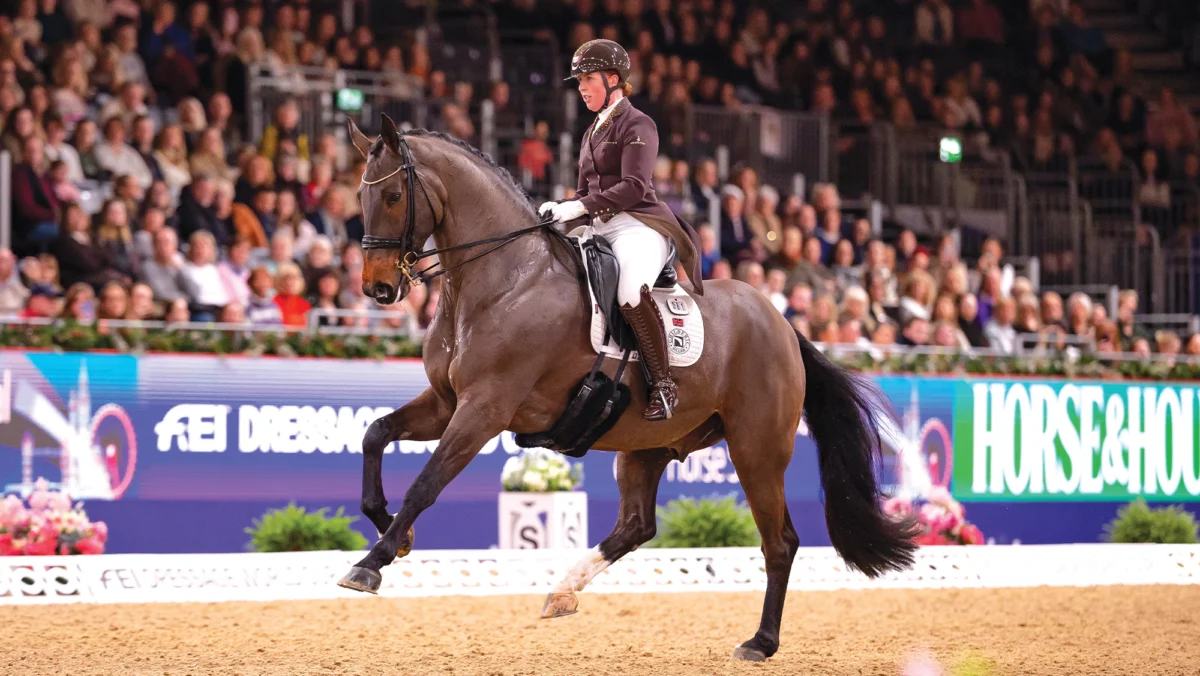
- Dressage: This initial phase assesses the horse’s training, suppleness, obedience, and athleticism through a prescribed series of movements. It demands precision, balance, and impulsion, often requiring years of dedicated flatwork.
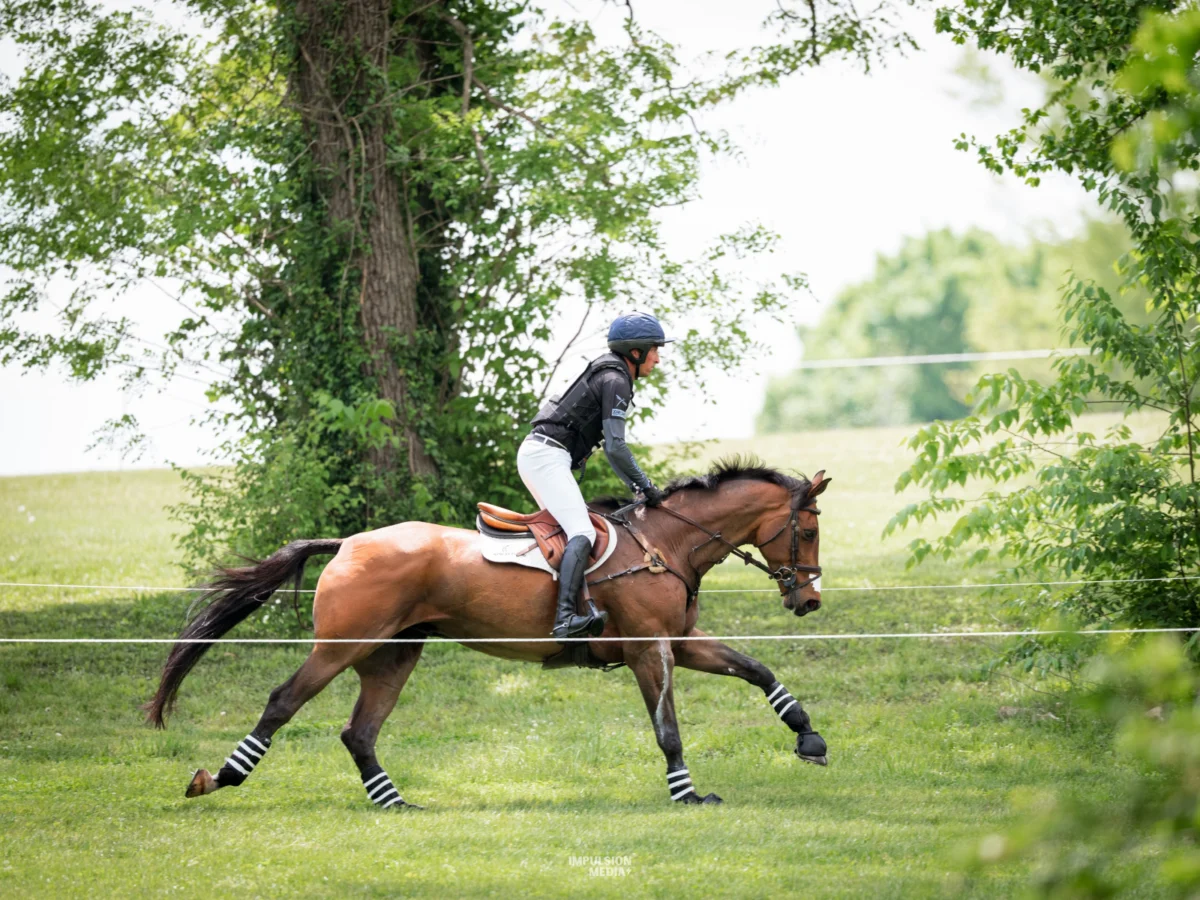
- Cross-Country: The heart of eventing, this phase involves navigating a challenging course of fixed obstacles over varied terrain within an optimum time. It tests the horse’s boldness, stamina, jumping ability, and the rider’s judgment and courage. The physical demands are immense, pushing cardiovascular and musculoskeletal systems to their limits.
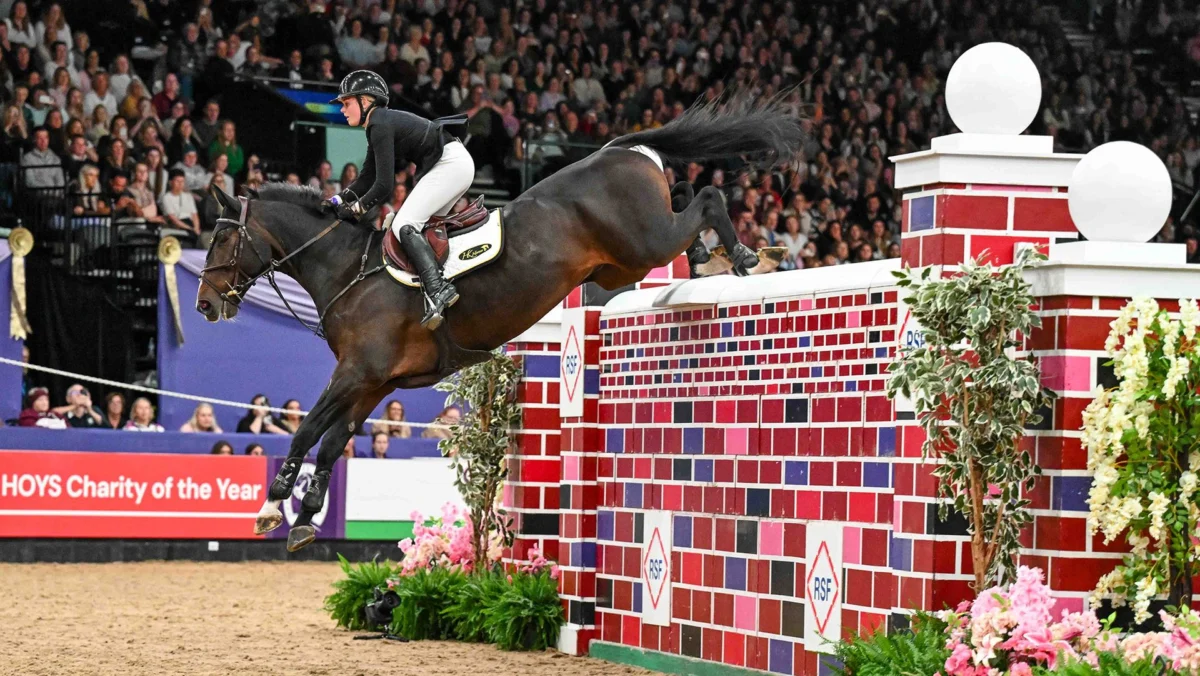
- Show Jumping: The final phase tests the horse’s agility, carefulness, and recovery after the strenuous cross-country. Riders must clear a course of knock-down fences within a time limit, often with a horse that might be fatigued.
The progressive nature of eventing competitions, from introductory levels to the top-tier CCI5-L, signifies an escalating challenge. A CCI3-L (Long) involves longer cross-country courses and more extensive fitness requirements than a CCI4*-S (Short). Success at these levels is not accidental; it is the culmination of years of systematic training, with periodization serving as the foundational architectural blueprint for a horse’s competitive year.
The Science Behind Periodization in Equine Athletes
Periodization, borrowed from human sports science, is the systematic planning of training, rest, and competition phases to bring an athlete to peak condition at a specific time, while minimizing the risk of injury and burnout. For equine athletes, especially eventers, it extends beyond mere physical fitness. It encompasses the sequential development of dressage precision, cross-country boldness and stamina, and show jumping agility, all while safeguarding the horse’s mental freshness and willingness.
The physiological rationale behind periodization is rooted in the principle of adaptation. Training applies stress, causing the body to adapt and become stronger. However, continuous, undifferentiated stress leads to overtraining, fatigue, and injury. Periodization strategically varies training stimuli, allowing for periods of adaptation and recovery (supercompensation) while progressively building specific capacities. This structured approach has been widely recognized by equine sports veterinarians and coaches as crucial for career longevity and optimal performance. Studies in equine athletic physiology highlight that tendons, ligaments, and bone adapt more slowly than muscles, necessitating a gradual increase in workload to prevent cumulative stress injuries. Unstructured training, often characterized by "cramming," significantly increases the risk of soft tissue damage and lameness, which can prematurely end an equine athlete’s career.
Phase 1: The Foundational Strength and Conditioning
This initial phase, typically spanning several months after an off-season break, is the bedrock of the entire training program. It focuses on general conditioning, addressing inherent weaknesses, and developing a robust physical base. The hallmark of this phase is low-intensity, high-volume work. The objective is not speed or advanced maneuvers, but rather the construction of a resilient, supple, and strong horse.
- Duration: Often 8-16 weeks, depending on the horse’s previous fitness and length of off-season.
- Goals:
- Build a strong cardiovascular base.
- Strengthen tendons, ligaments, and joint structures.
- Establish correct musculature and improve symmetry.
- Correct any stiffness or minor imbalances identified in the previous season.
- Activities:
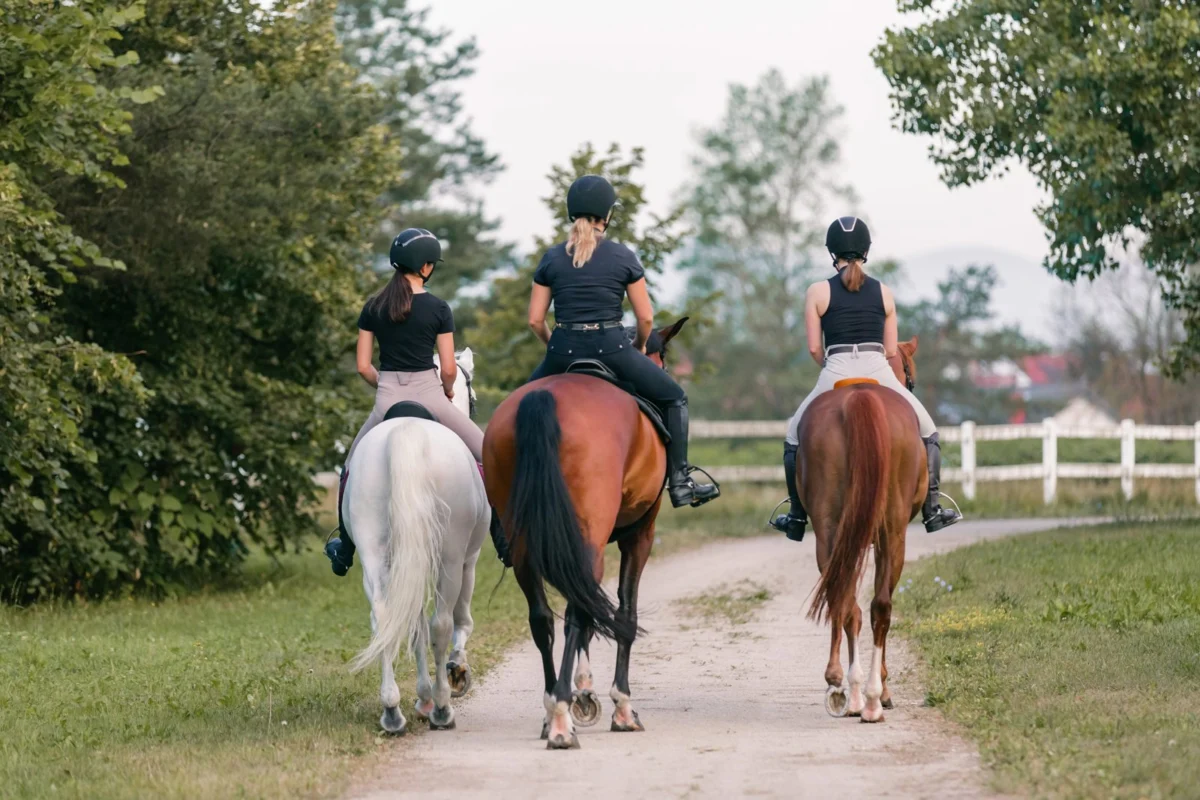
- Long, Slow Distance (LSD) work: Extended hacks (45-90 minutes) at walk and steady trot, incorporating varied terrain, especially hills. Hill work is invaluable for strengthening hindquarters, core, and improving cardiovascular efficiency without concussive stress.
- Basic Flatwork: Focused on rhythm, relaxation, connection, and straightness in long-and-low frames. This builds a supple back and engaged core.
- Targeted Gymnastic Work: Low-intensity exercises over poles and small grids to improve coordination, balance, and elasticity without impact.
- Limited Jumping: If included, it’s typically very low, technical work focusing on adjustability and form over small obstacles, not height or speed.
- Physiological Benefits: This phase allows for the slow but critical adaptation of connective tissues (tendons, ligaments), bones, and cartilage, making them more resistant to injury later. It also develops a strong aerobic engine, essential for endurance.
- Risks of Rushing: Skipping or abbreviating this phase is a common misstep, often leading to soundness issues as the horse’s body is not adequately prepared for the increased demands of subsequent, more intense training.
Phase 2: Specific Preparation and Intensification
As the target competition looms within 8-12 weeks, the training regimen transitions from general conditioning to discipline-specific development. Volume may decrease slightly, but intensity is carefully introduced. This phase demands dedicated focus on each of eventing’s three disciplines within the weekly plan.
- Duration: Approximately 8-12 weeks leading up to the competition.
- Goals:
- Develop discipline-specific skills and fitness (dressage movements, cross-country technique, show jumping agility).
- Introduce controlled intensity to build anaerobic capacity and specific muscle groups.
- Mentally prepare the horse for competition demands.
- Activities:
- Dressage Training: Flatwork evolves from basic suppling to developing collection, lateral work, and the precise movements required for the specific test.
- Cross-Country Schooling: Introducing obstacles relevant to the target level (ditches, banks, water complexes, specific combinations). Emphasis remains on technique, confidence, and rider-horse communication, not outright speed.
- Gallop Sets and Interval Training: Critical for building cross-country specific fitness. For example, after a thorough warm-up, three 3-minute canters at a moderate competition speed (e.g., 500 meters per minute) with 3-minute walking recoveries in between. This builds cardiovascular and musculoskeletal capacity efficiently. The intensity is gradually increased over weeks.
- Show Jumping: Incorporating full courses, varying lines, and introducing more challenging heights and spreads. Simulation becomes key here; riding a show jumping course after a significant period of trot and canter work mimics the fatigue of the final day.
- Importance of Simulation: Regularly practicing segments of the dressage test, schooling a show jumping course after a fitness gallop, or combining elements of all three disciplines helps both horse and rider mentally and physically prepare for the sequence of demands they will face on competition day.
Phase 3: The Critical Taper
In the final 10-14 days before the event, the horse enters the taper phase. This is not a period of inactivity but a deliberate, controlled reduction in workload designed to allow the horse to fully recover from the accumulated fatigue of the preparation phase. The goal is to ensure the horse arrives at the competition fresh, strong, and brimming with energy. It is as much a psychological reset as a physical one.
- Duration: Approximately 10-14 days.
- Goals:
- Maximize physical freshness and energy reserves.
- Allow for complete muscle glycogen replenishment.
- Maintain neuromuscular sharpness and technical feel without inducing new fatigue.
- Psychologically prepare the horse for competition without overstressing.
- Activities:
- Reduced Volume and Intensity: Heavy fitness work ceases entirely. Sessions become shorter, sharper, and highly focused.
- Maintenance Work: A typical taper week might include a light hack, a short but crisp dressage school focusing on specific test movements, a very light jump school over a few fences for feel, and additional light hacks or turnout.
- Travel and Acclimatization: If travel is involved, it should be planned to allow the horse to settle in for at least 24-48 hours before the first phase.
- Scientific Rationale: The taper phase allows for supercompensation, where the body rebuilds beyond its previous level of fitness due to reduced stress. Muscle glycogen stores are fully replenished, crucial for sustained energy during cross-country. Many riders mistakenly panic during the taper, feeling their horse is "losing fitness." Expert consensus, however, emphasizes trusting the process; the work has already been "banked."
Phase 4: Competition – Execution and Tactical Management
This is the peak to which all the meticulous planning has led. The rider’s role shifts from trainer and builder to manager and tactician. Warm-ups at the event should be brief confirmations of readiness, not intensive training sessions. Adhering to the established routine and trusting the preparation are paramount.
- Focus:
- Strategic Warm-ups: Efficient and effective, confirming responsiveness and suppleness without expending excess energy.
- Energy Conservation: Every decision, from stable management to riding strategy, should prioritize preserving the horse’s physical and mental energy for the subsequent phases.
- Mental Focus: For both horse and rider, maintaining composure and concentration is crucial.
- Management: Careful attention to hydration, nutrition, and rest between phases is vital. Veterinary checks and immediate post-phase care (e.g., cooling, leg care) are integral to ensuring the horse’s welfare and readiness for the next challenge. This is where the systematic preparation truly pays dividends, manifesting in a horse with the physical reserves and mental clarity to perform consistently across all three demanding phases.
Phase 5: The Essential Transition and Active Recovery
Once the competition concludes, and the ribbons are awarded, an often-overlooked but critically important phase begins: the transition, or active rest. This is not merely turning the horse out into a field; it is a structured downshift designed for complete physical and mental recovery.
- Duration: Typically 2-6 weeks, depending on the intensity of the competition and the horse’s individual needs.
- Goals:
- Allow full physical recovery from the intense physical strain and cumulative micro-trauma.
- Prevent mental sourness or burnout.
- Enable psychological "reset" and renewed enthusiasm.
- Facilitate tissue repair and strengthening.
- Activities:
- Light, Unstructured Work: Long, exploratory hacks, light trail riding, extensive turnout with companions, or leisurely flatwork focused purely on relaxation.
- Minimal Pressure: Avoid any demanding work or focused training. The horse should simply "be a horse" for a period.
- Long-Term Implications: Skipping or cutting short this phase is a significant risk factor for future injuries, chronic lameness, and behavioral issues. A proper transition period allows the hard work to "soak in," strengthens tissues, and ensures both horse and rider return to the foundation phase with renewed vigor and a body ready to build again, potentially stronger than before. This phase is fundamental for the long-term health and sustainability of an equine athlete’s career.
Expert Perspectives and Broader Implications
Leading equine sports veterinarians and high-performance coaches universally advocate for periodization. Dr. Sarah Evers, a specialist in equine athletic conditioning, notes, "A well-structured periodization plan is our best defense against overuse injuries. It allows tendons, ligaments, and bone to adapt gradually, which is critical for a sport like eventing where explosive power and endurance are both required." Statistics from equine veterinary practices involved with eventing often show a correlation between unstructured, high-intensity training and higher incidences of lameness and soft tissue injuries, particularly in the later stages of a competitive season. Conversely, horses on meticulously planned periodized schedules tend to demonstrate greater consistency in performance and reduced injury rates over their careers.
The implications of adopting a periodized approach extend beyond individual performance. For the rider, it instills discipline, foresight, and a deeper understanding of equine physiology. It shifts the mindset from reactive training to proactive planning. For the sport of eventing, widespread adoption of scientific periodization promotes horse welfare, enhances the longevity of equine athletes, and ultimately elevates the standard of competition. It is an ethical imperative, demonstrating responsible horsemanship by prioritizing the long-term health and soundness of these remarkable athletes.
In conclusion, periodization is not a rigid, unyielding military schedule but a dynamic, adaptable framework tailored to each individual horse’s needs, temperament, and physiological responses. Whether a horse is an "easy keeper" prone to getting hot or one requiring more confidence building, the core principles of Foundation, Preparation, Taper, Competition, and Transition remain sacrosanct. By embracing this intelligent, phased approach, riders move beyond mere hope that their horse will be ready; they gain the confidence of knowing they have meticulously built their partner for peak performance on the day that matters most, transforming potential into undeniable success.