

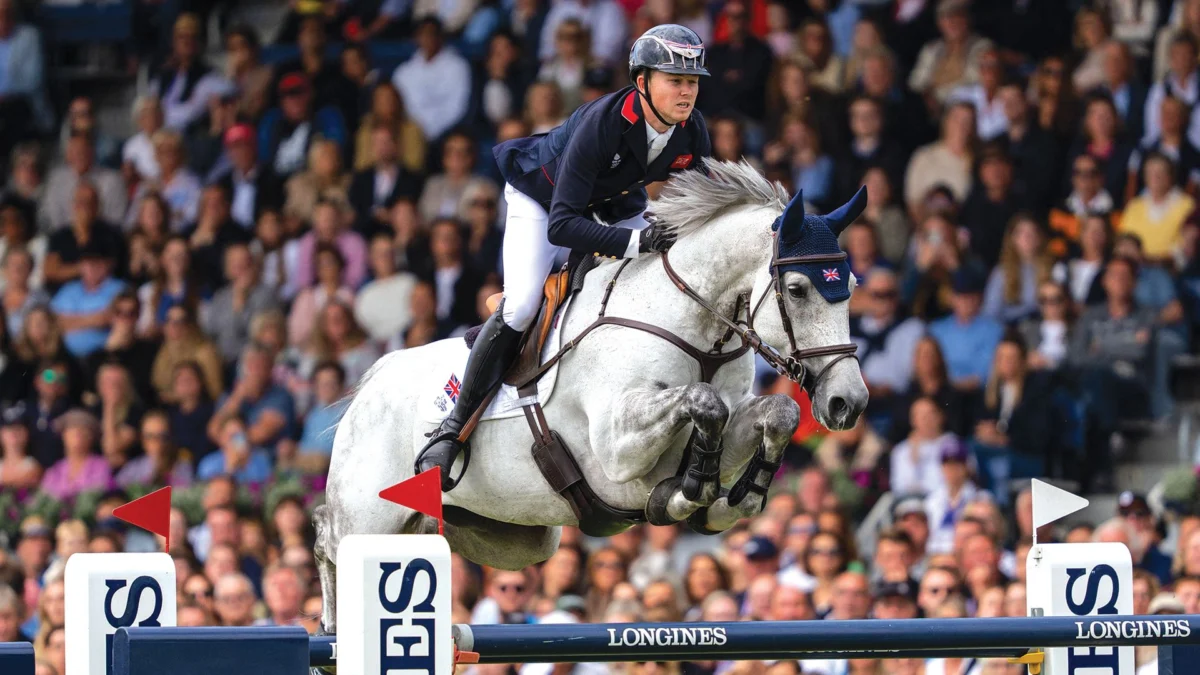
Olympic team gold medallist Harry Charles has been forced to withdraw from competition for the rest of the year following a "complex" shoulder injury sustained during a fall in Oliva, Spain. The promising young British showjumper, who has been a prominent figure on the international circuit, is expected to undergo a period of rehabilitation following the incident. The news comes as a significant blow to Charles and his team, as well as to the British equestrian community, with several key events still on the calendar for the remainder of 2023 and the lead-up to the 2024 Olympic Games.
The Incident and Immediate Aftermath
The injury occurred during the autumn Mediterranean Equestrian Tour in Oliva, a popular destination for riders seeking to compete on the European circuit during the latter part of the season. While specific details surrounding the fall have not been extensively released, reports indicate that Charles was competing when the incident took place. The immediate aftermath saw the rider receive prompt medical attention, with subsequent assessments revealing the severity of the injury. The term "complex shoulder injury" suggests that it may involve damage to multiple structures within the shoulder joint, potentially requiring a comprehensive treatment and recovery plan.
Charles has been a consistent presence in top-level showjumping over the past few years. His partnership with horses like Stardust, Aurora, and the now-retired Vivaldi du Theil has seen him achieve significant success, including a pivotal role in Great Britain’s team gold medal triumph at the 2021 Tokyo Olympics. He also secured individual bronze at the 2021 European Championships and has consistently ranked among the top riders in the world. His withdrawal from competition at this juncture raises questions about his immediate competitive goals and the long-term implications for his preparation for major championships.
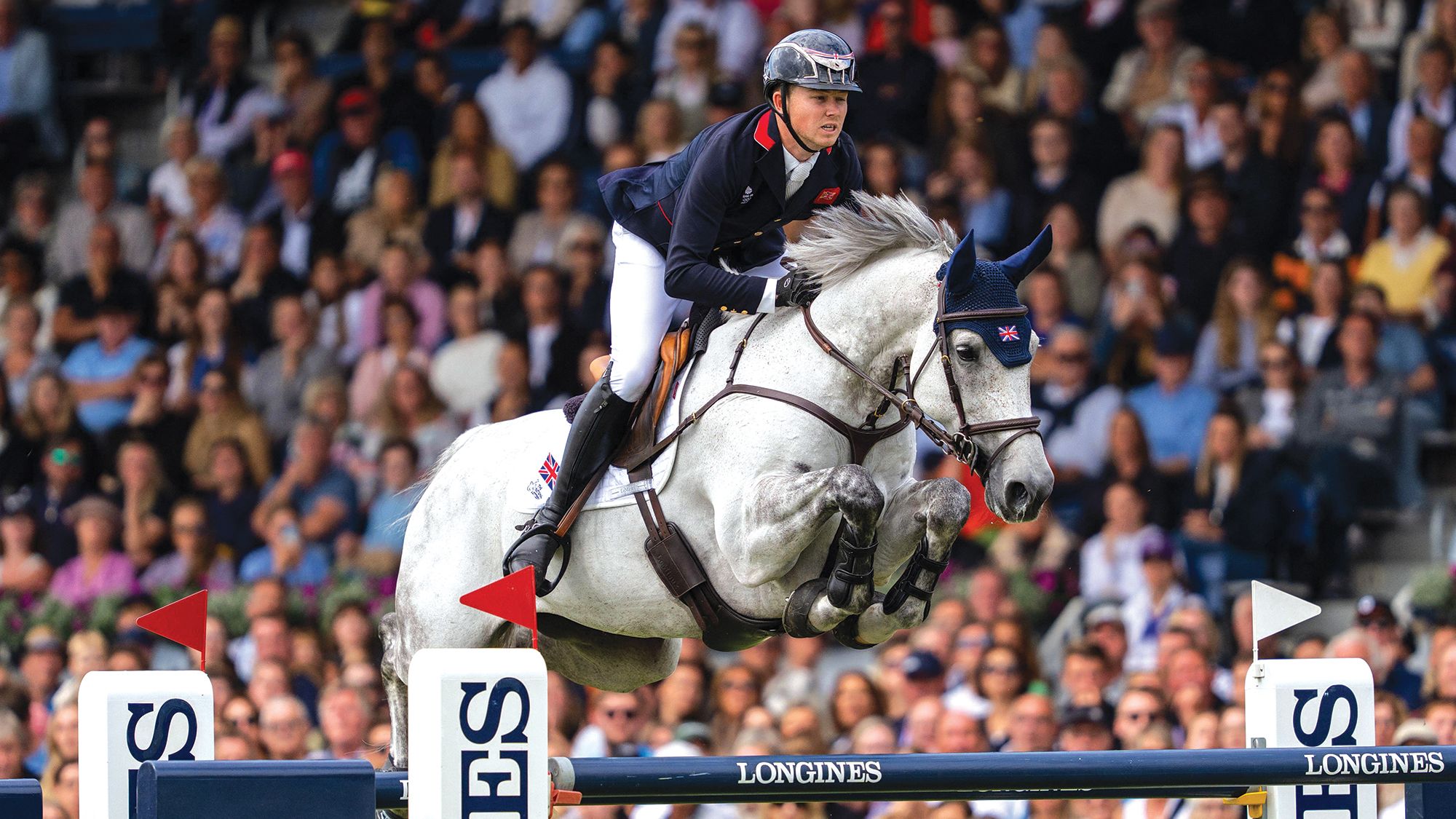
Background and Chronology of Charles’s Career Highlights
Harry Charles, born in 2000, comes from a renowned equestrian family. His parents, Peter and Ruth Charles, are both highly respected figures in the sport, and his siblings, Scarlett and Tom, are also accomplished showjumpers. This upbringing has provided him with a strong foundation and extensive experience from a young age.
- Early Career: Charles began competing at a junior level, quickly demonstrating his talent and potential. He represented Great Britain at various youth championships, honing his skills and building his competitive profile.
- Senior Debut and Breakthrough: His transition to senior international competition was marked by a steady rise through the ranks. He secured his first major international wins and began to establish himself as a rider to watch.
- Tokyo 2020 Olympics (held in 2021): This was a landmark year for Charles. He was a key member of the British team that achieved a historic gold medal in the Olympic showjumping competition. This success catapulted him into the international spotlight and cemented his status as a top-tier rider.
- 2021 European Championships: Following the Olympic triumph, Charles continued his impressive form, securing individual bronze at the European Championships in Riesenbeck, Germany.
- Continued Success and Rankings: Since then, Charles has maintained a high level of performance, accumulating numerous victories and placings in prestigious events worldwide, including Grands Prix and World Cup qualifiers. He has consistently been ranked within the top echelons of the FEI World Rankings, a testament to his consistent performance.
- Autumn Competitions and the Injury: Charles was participating in the Mediterranean Equestrian Tour in Oliva, Spain, a series of competitions that typically run through October. This tour provides riders with an opportunity to compete on well-maintained arenas with challenging courses, often attracting a strong international field. The injury occurred during one of these events, abruptly halting his participation and, as announced, his competitive season.
The Impact of Injury on Elite Athletes
Injuries are an unfortunate reality in equestrian sports, particularly in disciplines like showjumping where athletes push the boundaries of performance. For a rider like Harry Charles, who is in the prime of his career and has significant future ambitions, a complex shoulder injury presents a considerable challenge.
- Rehabilitation and Recovery: The timeline for recovery from a complex shoulder injury can vary significantly depending on the exact nature of the damage. It often involves a period of rest, followed by targeted physiotherapy and a gradual return to physical activity. For a showjumper, this means not only regaining strength and mobility but also rebuilding the specific muscle groups and coordination required for riding at an elite level. This process can take several months, and in some cases, longer.
- Psychological Impact: Beyond the physical recovery, injuries can also have a significant psychological impact on athletes. The frustration of being sidelined, the concern about losing form, and the pressure to return to peak performance can all take a toll. Support from coaches, physiotherapists, and sports psychologists is often crucial during this period.
- Competitive Goals: Charles’s immediate competitive goals will undoubtedly be impacted. Key events leading up to major championships, such as the FEI World Cup Finals or European Championships, may be missed. The focus will now shift to a full and robust recovery, ensuring he is in optimal condition for the following season and future major events.
Supporting Data and Industry Context
The equestrian industry places a high premium on rider fitness and horse welfare. Injuries, whether to the horse or rider, can have substantial financial and competitive implications.
- Financial Implications: Elite riders and their teams invest heavily in training, competition, and veterinary care. An extended period out of competition can mean lost prize money, sponsorship opportunities, and potential disruption to breeding and sales programs.
- Importance of Rehabilitation: Modern sports medicine in equestrianism emphasizes evidence-based rehabilitation protocols. These are designed to ensure athletes return to competition safely and effectively, minimizing the risk of re-injury. This often involves advanced diagnostic tools, specialized physiotherapy techniques, and carefully structured training plans.
- Rider Development: While Charles’s injury is a setback, it also presents an opportunity for him to focus on his rehabilitation and potentially refine his training strategies. Many athletes use periods of injury to work on aspects of their fitness or mental game that might be difficult to address during a busy competition schedule.
Statements and Reactions (Inferred)
While no direct quotes from Harry Charles or his immediate team regarding the injury have been provided in the initial report, it is reasonable to infer the following sentiments within the equestrian community:
- Support and Well Wishes: It is highly probable that Harry Charles has received an outpouring of support and well wishes from fellow riders, equestrian organizations, sponsors, and fans. The close-knit nature of the showjumping world often sees a strong sense of camaraderie.
- Focus on Recovery: The primary focus for Charles and his support team will undoubtedly be on a complete and safe recovery. The long-term health and career of the athlete are paramount.
- Team Strategy Adjustments: His support team, including trainers and owners of his horses, will be strategizing on how to manage his string of horses during his absence. This might involve other riders stepping in for some events or carefully planned rest and training for the horses themselves.
Broader Impact and Implications
Harry Charles’s injury has implications beyond his individual career. It highlights the inherent risks in elite sport and the importance of robust athlete support systems.
- British Showjumping Team: As a key member of the British showjumping team, his absence will necessitate adjustments in team selection and strategy for upcoming events. Other riders will have opportunities to step up and gain valuable experience.
- Future Competitions: The remainder of the current season will proceed without one of its most exciting talents. This might lead to a more open competitive landscape in the events he would have contested.
- Olympic Preparations: With the 2024 Olympic Games on the horizon, Charles’s injury serves as a reminder of the unpredictable nature of elite sports. His rehabilitation will be closely monitored, and his return to form will be a crucial factor in his potential selection for future Olympic campaigns. The success of his recovery will be a testament to the quality of his rehabilitation program and his own dedication.
The equestrian world will be keenly following Harry Charles’s progress as he embarks on his recovery journey. His talent and determination have consistently placed him among the sport’s elite, and the focus now shifts to his rehabilitation and a successful return to competition when he is fully fit. The resilience and dedication demonstrated by athletes in overcoming injuries are often as inspiring as their victories in the arena.







