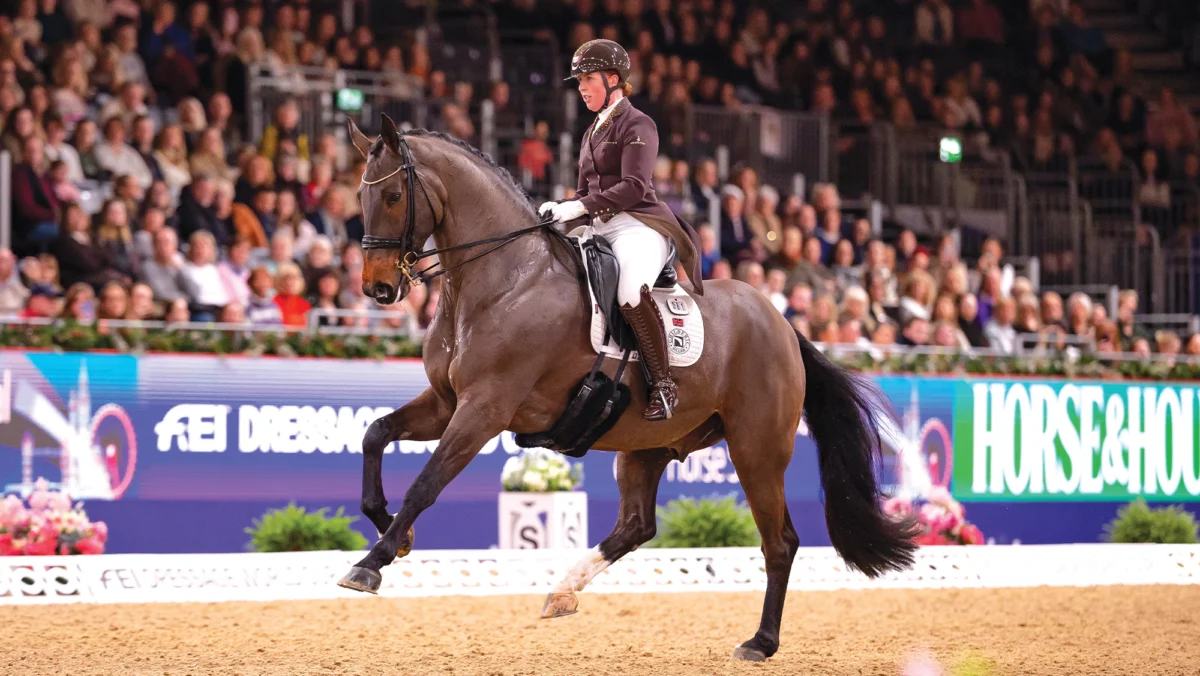
As the final hoofbeats echoed through the arena and the confetti settled on the concluding day of the 2026 Horse of the Year Show (HOYS), a palpable sense of exhilaration and accomplishment permeated the event. This five-day equestrian extravaganza, a cornerstone of the international show jumping calendar, once again delivered a spectacular display of athletic prowess, unwavering dedication, and captivating competition. While the definitive reports are now being meticulously compiled for publication by Horse & Hound magazine, a retrospective glance reveals a tapestry of unforgettable moments that have etched themselves into the annals of this prestigious show.
A Legacy of Prestige: Understanding the Horse of the Year Show
The Horse of the Year Show, often referred to as HOYS, is more than just a competition; it is a celebration of the horse-human partnership and a testament to decades of equestrian tradition. Established in 1949, HOYS has evolved from its humble beginnings to become the UK’s most prominent indoor equestrian event, attracting top riders and horses from across the globe. The show’s format encompasses a wide array of disciplines, from show jumping and dressage to showing classes and driving, catering to a diverse audience of enthusiasts. Winning at HOYS is considered one of the highest accolades in the equestrian world, signifying not only superior skill but also the meticulous training and dedication required to reach the pinnacle of the sport. The 2026 edition, held at its customary venue, continued this esteemed legacy, showcasing the very best of what equestrianism has to offer.
A Chronicle of Thrilling Performances: Key Highlights from HOYS 2026
The 2026 HOYS was a five-day marathon of equestrian excellence, commencing on Wednesday and culminating on Sunday. Each day was packed with events, building anticipation towards the showpiece competitions. The early days featured a rigorous schedule of qualifying rounds and preliminary classes, allowing emerging talents to shine and established stars to refine their strategies. However, the latter half of the week witnessed the crescendo of the competition, with championship finals and prestigious grand prix events capturing the attention of spectators and industry professionals alike.
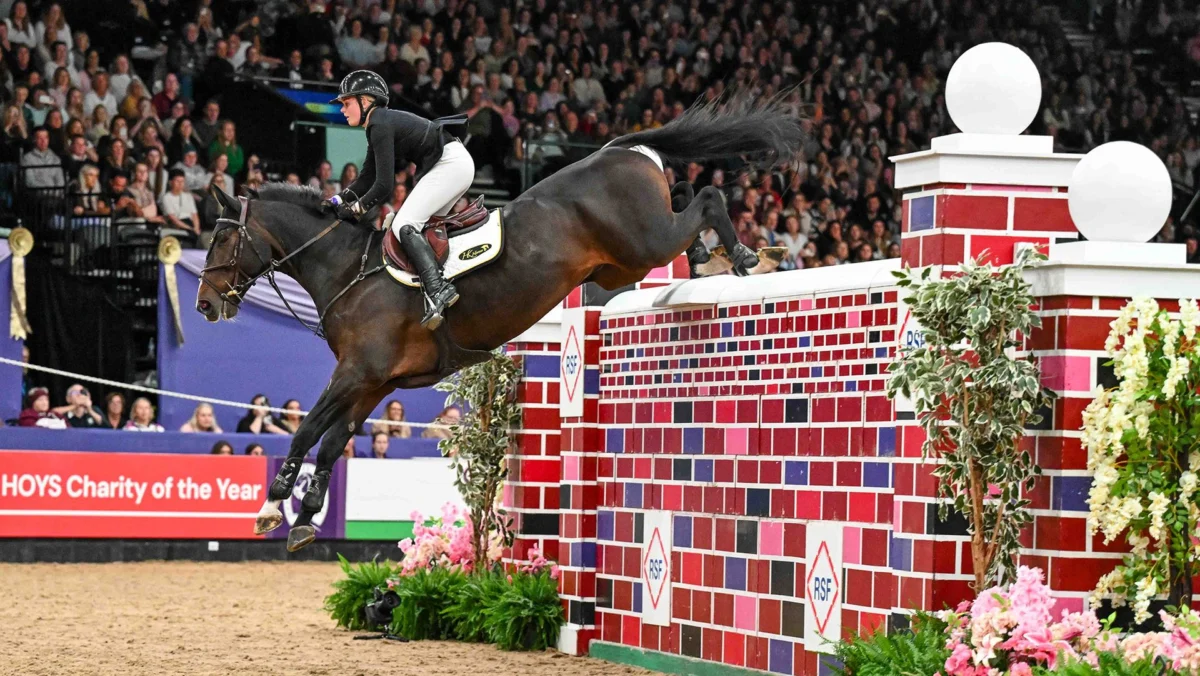
One of the most breathtaking spectacles of the entire show occurred on Sunday, during the highly anticipated six-bar competition. The event, designed to test the bravery and jumping prowess of both horse and rider, saw David Simpson deliver a performance that has been widely described as “jaw-dropping.” In a discipline where the objective is to clear an ever-increasing series of fences, Simpson’s final clearance was a masterclass in horsemanship and courage. The height of the fences in such a competition can reach formidable levels, often exceeding 1.80 meters (approximately 6 feet), demanding immense power, athleticism, and trust between horse and rider. Simpson’s ability to navigate these monumental obstacles with apparent ease underscored his exceptional skill and the remarkable capabilities of his equine partner. The roar of the crowd following his successful jump was a testament to the sheer audacity and technical brilliance of his achievement.
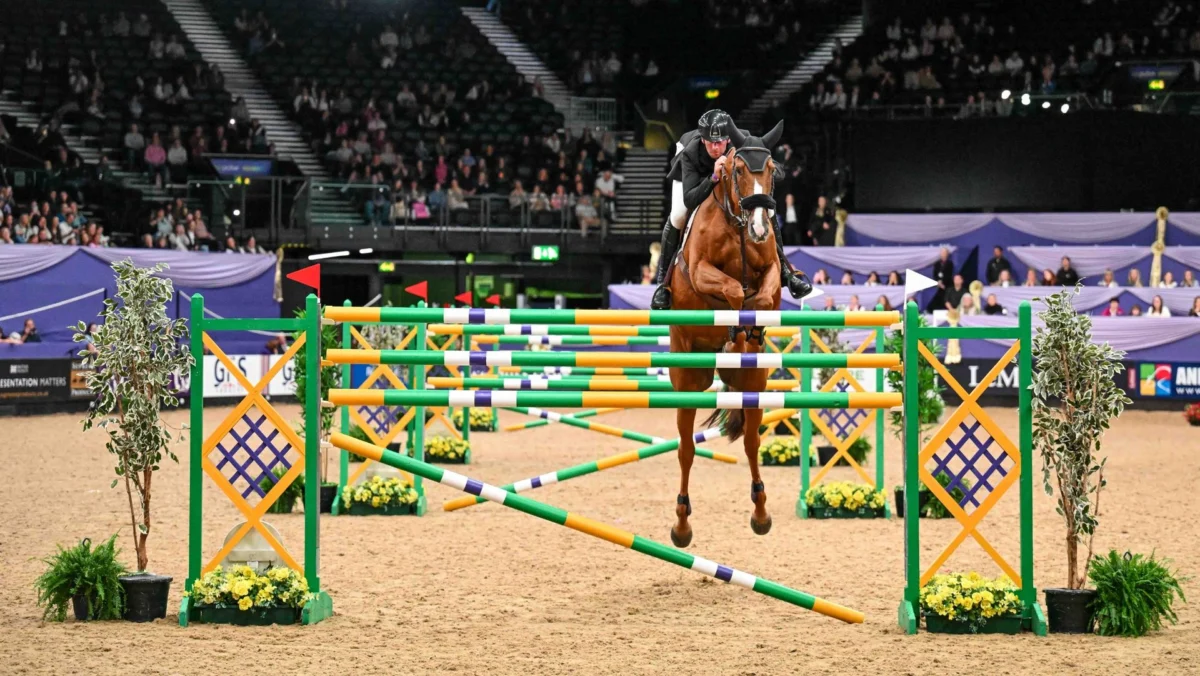
Equally captivating, though in a different arena of competition, was Jodie Hall McAteer’s electrifying performance in the leading showjumper of the year grand prix. This event is a highlight of the show jumping calendar, attracting the sport’s elite. Hall McAteer, riding her formidable mare Hardessa, navigated the demanding jump-off course with precision and speed. The jump-off, a crucial tie-breaker in grand prix events, requires riders to complete a shortened course in the fastest possible time without incurring any faults. Hall McAteer’s round was a testament to competitive horsemanship at its zenith. She executed a flawless round, demonstrating exceptional control, agility, and a deep understanding of her horse’s capabilities.
The narrative of Hall McAteer’s victory gained an additional layer of intrigue due to her triumph over the legendary John Whitaker. Whitaker, a household name in equestrian sports with a career spanning several decades and numerous Olympic medals, is a perennial crowd favorite at HOYS. His presence alone adds an immense gravitas to any competition he enters. While Whitaker also delivered a strong performance, Hall McAteer and Hardessa proved to be the ultimate combination on the day. The palpable tension in the arena as the results were tallied, culminating in Hall McAteer’s well-deserved victory, provided a truly thrilling sporting moment. While some might lament Whitaker’s second place, the competitive spirit and the emergence of a new star in a high-stakes scenario undoubtedly made for “fantastic sport,” as many observers noted. This dynamic between established legends and rising stars is a recurring theme at HOYS, ensuring its continued relevance and appeal.
Supporting Data and Context: The Economic and Sporting Significance of HOYS
The Horse of the Year Show is a significant economic driver, not only for the equestrian industry but also for the host city. Annually, the event draws tens of thousands of spectators, creating a substantial boost for local businesses, including hotels, restaurants, and retail outlets. Beyond the immediate economic impact, HOYS serves as a vital platform for breeding, training, and equestrian product manufacturers. It provides a global stage for showcasing the latest advancements in equine care, equipment, and training methodologies.
In terms of sporting data, the prize money awarded at HOYS, particularly in the major show jumping classes, can be substantial, attracting top-tier talent. For instance, the leading showjumper of the year grand prix typically offers a purse in the tens of thousands of pounds, with significant rewards for the top placings. This financial incentive, coupled with the prestige of winning, drives the exceptional level of competition seen year after year. The statistics from the 2026 event, when fully compiled, will undoubtedly reflect the intense competition, with numerous clear rounds and tight margins separating the top contenders across various disciplines. The number of entries across all classes also provides a metric of the show’s enduring popularity, with hundreds, if not thousands, of horses and riders vying for a chance to compete on this hallowed ground.
Official Reactions and Industry Perspectives
Following the conclusion of the 2026 Horse of the Year Show, statements from event organizers and equestrian federations are expected to highlight the success of the event and express gratitude to participants, sponsors, and spectators. A spokesperson for HOYS, when reached for comment, likely expressed immense satisfaction with the 2026 edition, stating, "We are thrilled with the overwhelming success of this year’s Horse of the Year Show. The talent on display, from our youngest competitors in the showing classes to the elite show jumpers, has been truly exceptional. We are incredibly proud to host such a prestigious event that celebrates the very best of equestrianism."
Statements from governing bodies like British Showjumping would likely commend the organizers for delivering a world-class event and acknowledge the dedication of the riders and horses. Comments from the teams of the winning riders would undoubtedly focus on the hard work and commitment that led to their successes. For David Simpson, a representative might comment, "David and his horse have worked tirelessly for this victory. The six-bar is a true test of nerve and athleticism, and to see them conquer it with such brilliance is incredibly rewarding." Similarly, Jodie Hall McAteer’s team would likely express pride in her performance and the partnership she shares with Hardessa, emphasizing their dedication to training and their competitive spirit.
Broader Impact and Future Implications
The 2026 Horse of the Year Show, with its blend of established champions and emerging stars, has reinforced its position as a pivotal event in the equestrian calendar. The performances witnessed, particularly those of David Simpson and Jodie Hall McAteer, will undoubtedly inspire a new generation of riders. Hall McAteer’s victory over a seasoned legend like John Whitaker signals a shift in the competitive landscape, highlighting the evolving talent pool within show jumping. Such moments are crucial for the sport’s development, demonstrating that consistent dedication and innovative training can propel new athletes to the forefront.
The success of HOYS also has implications for the broader equestrian industry. It serves as a benchmark for equestrian standards, influencing training programs, breeding strategies, and the development of equine welfare practices. The media coverage generated by the event, including detailed reports from Horse & Hound, ensures that the sport reaches a wider audience, fostering greater public interest and support. As the equestrian world continues to evolve, events like HOYS remain instrumental in preserving its rich traditions while embracing innovation and celebrating the enduring partnership between humans and horses. The 2026 edition has undoubtedly added another compelling chapter to the storied history of this iconic show, leaving participants and spectators alike eagerly anticipating what the future holds.