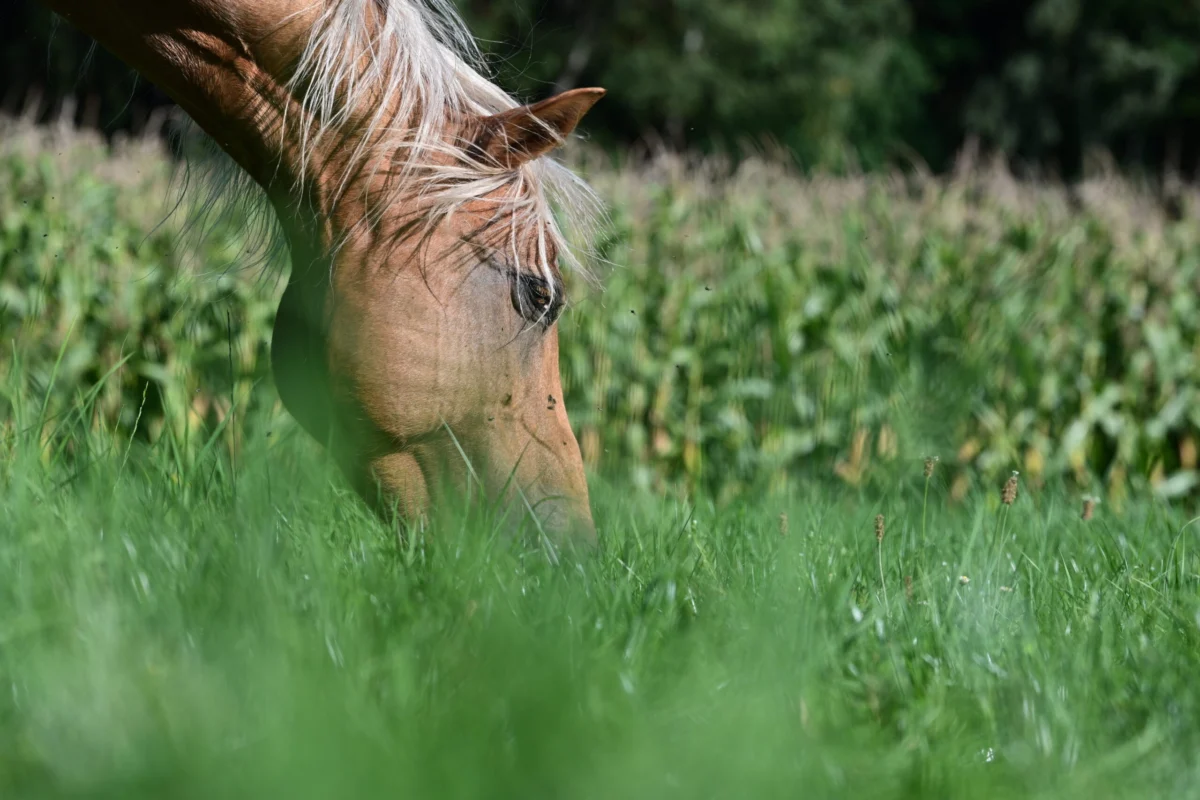
A horse in Greene County, Tennessee, has tested positive for West Nile Virus (WNV), as confirmed by the Tennessee Department of Agriculture. This isolated case serves as a critical reminder to horse owners and the broader community about the persistent threat of this mosquito-borne disease and the importance of proactive preventative measures. The diagnosis, reported through the Equine Disease Communication Center (EDCC), underscores the continuous need for vigilance and robust biosecurity protocols within the equine industry.
The Tennessee Department of Agriculture (TDA) was notified of the positive test result, initiating standard protocols for disease monitoring and public communication. While specific details about the affected horse, such as its age, breed, or vaccination status, were not immediately released, the confirmation of WNV in a local equine population triggers alerts for veterinarians and horse owners across the region. Greene County, situated in East Tennessee, is characterized by a mix of agricultural landscapes and residential areas, making mosquito control a shared responsibility to mitigate disease transmission. The presence of WNV in horses is often considered an early indicator of increased viral activity within the local mosquito population, which can also pose a risk to human health.
Understanding West Nile Virus (WNV)
West Nile Virus is a zoonotic arbovirus, meaning it is transmitted by arthropods, specifically mosquitoes, and can infect both animals and humans. The virus was first detected in the United States in New York in 1999 and rapidly spread across the continental U.S. within a few years, establishing itself as an endemic threat. Birds, particularly corvids (crows, jays), serve as the primary reservoir hosts, amplifying the virus. Mosquitoes become infected when they feed on infected birds and subsequently transmit the virus to incidental hosts like horses and humans through their bites. Horses are considered "dead-end hosts," meaning they do not develop a high enough viral load to transmit the disease to other mosquitoes, horses, or humans. Therefore, an infected horse poses no direct risk of transmission to its caretakers or other animals, but its illness signifies active WNV circulation in the environment.
The clinical presentation of WNV in horses can vary significantly. Not all infected horses show outward signs of illness; some may experience subclinical infections. However, those that do develop clinical signs typically exhibit neurological symptoms, which can range from mild to severe. Common signs include:
- Ataxia: Incoordination, stumbling, or an abnormal gait, often described as "wobbling."
- Weakness: Generalized weakness, particularly in the hind limbs, which can lead to difficulty standing or recumbency.
- Muscle Tremors: Fasciculations, especially around the muzzle, face, and neck.
- Fever: Elevated body temperature.
- Depression/Lethargy: Apathy, reduced appetite, and lack of interest in surroundings.
- Hypersensitivity: Exaggerated reactions to touch or sound.
- Behavioral Changes: Irritability, apprehension, or changes in temperament.
- Paresis/Paralysis: Partial or complete loss of voluntary movement, which can affect one or more limbs.
- Recumbency: Inability to stand, leading to lying down for prolonged periods.
- Seizures: In severe cases.
- Death: As a tragic outcome in a significant percentage of affected horses.
There is currently no specific antiviral cure for WNV. Treatment is largely supportive, focusing on managing symptoms and providing comfort while the horse’s immune system fights the infection. This can involve administering anti-inflammatory drugs to reduce brain swelling, intravenous fluids to maintain hydration, and nutritional support. In some severe cases, horses may require sling support to prevent muscle damage and bedsores if they become recumbent. Despite intensive care, equine mortality rates associated with WNV can be substantial, often ranging from 30% to 40%. Surviving horses may also experience residual neurological deficits, impacting their athletic ability and quality of life.
Chronology of an Equine WNV Case
While the precise timeline for this specific Greene County case is not publicly detailed, a typical sequence of events surrounding a confirmed WNV infection in a horse generally follows this pattern:
- Onset of Symptoms: A horse owner or caretaker observes the initial clinical signs, often neurological in nature, prompting concern.
- Veterinary Consultation: A veterinarian is called to examine the horse. Based on clinical signs and a differential diagnosis, WNV is considered a possibility, especially during mosquito season.
- Sample Collection: Blood samples (for serology) and possibly cerebrospinal fluid (CSF) are collected for diagnostic testing.
- Laboratory Testing: Samples are sent to a veterinary diagnostic laboratory, such as the Tennessee State Public Health Laboratory or a university diagnostic lab. Common tests include IgM capture ELISA to detect antibodies specific to WNV, indicating recent infection, and Polymerase Chain Reaction (PCR) to detect viral RNA.
- Confirmation: A positive test result confirms the presence of WNV.
- Official Reporting: The diagnostic lab or attending veterinarian reports the positive case to the state animal health authority, in this instance, the Tennessee Department of Agriculture.
- Public Notification: The TDA, often in collaboration with organizations like the EDCC, disseminates the information to the equine community and the public to raise awareness and encourage preventative action. The EDCC plays a crucial role in rapidly sharing verified disease information, allowing horse owners and veterinarians nationwide to stay informed about outbreaks.
Supporting Data and Broader Context
West Nile Virus continues to be a significant public health and animal health concern across the United States. According to the Centers for Disease Control and Prevention (CDC), WNV is the leading cause of mosquito-borne disease in the continental U.S. While human cases are often mild or asymptomatic, severe neurological illness (meningitis or encephalitis) can occur. The presence of WNV in horses is a bellwether for human risk; when equine cases appear, it signals that the virus is actively circulating in the mosquito population, potentially increasing the risk for human exposure.
Historically, Tennessee has reported WNV cases in both horses and humans annually since its introduction to the state. For example, national surveillance data from the United States Department of Agriculture (USDA) and state health departments consistently show hundreds of equine WNV cases reported across the country each year, with peaks often correlating with prolonged periods of warm weather and high mosquito activity. In 2022, the CDC reported human WNV cases across 49 states, with a significant number of neuroinvasive disease cases. While horses don’t directly transmit the virus to humans, their susceptibility underscores the environmental presence of infected mosquitoes, thus posing a potential threat to people.
The economic implications of WNV for the equine industry are substantial. Beyond the direct costs of veterinary care, which can run into thousands of dollars for supportive treatment, there are indirect costs. These include the potential loss of a valuable animal (breeding stock, performance horse, or companion), loss of training time, diminished performance capabilities for survivors, and the emotional toll on owners. Outbreaks can also impact equestrian events, breeding programs, and the general horse market.
Official Responses and Preventative Strategies
In light of the confirmed case, the Tennessee Department of Agriculture is expected to reiterate its recommendations for WNV prevention. These recommendations typically focus on two primary strategies: vaccination and mosquito control.
1. Vaccination:
Vaccination is considered the most effective tool for preventing WNV in horses. The American Association of Equine Practitioners (AAEP) classifies WNV vaccine as a "core" vaccine, meaning it is recommended for all horses regardless of geographic location or lifestyle due to the widespread nature and serious consequences of the disease.
- Previously Vaccinated Horses: Horses that have been vaccinated in previous years require an annual booster shot. Veterinarians may recommend two boosters annually—one in the spring before the peak mosquito season and another in the fall—especially in areas with prolonged mosquito seasons or high WNV activity like parts of Tennessee. This strategy helps maintain a high level of protective immunity throughout the extended risk period.
- Previously Unvaccinated Horses: Horses that have never been vaccinated against WNV require a primary two-shot vaccination series administered three to six weeks apart. It is crucial to understand that it takes several weeks following the completion of the primary series or booster administration for horses to develop sufficient protective immunity. Therefore, it is imperative to vaccinate well in advance of the anticipated mosquito season. Horse owners are strongly encouraged to consult their veterinarians to establish an appropriate vaccination schedule tailored to their horse’s individual risk factors and local WNV prevalence.
2. Mosquito Control:
Reducing mosquito populations and limiting horses’ exposure to bites is equally vital. Integrated pest management (IPM) strategies for mosquito control include:
- Eliminate Standing Water: Mosquitoes breed in stagnant water. Owners should regularly empty, clean, or drain sources of standing water, such as old tires, buckets, wheelbarrows, tarps, watering troughs, and clogged gutters. Even small amounts of water can serve as breeding grounds.
- Insect Repellents: Apply approved equine insect repellents, particularly those containing permethrin or pyrethrin, to horses daily or as directed by the product label.
- Stabling During Peak Hours: Mosquitoes are most active during dawn and dusk. Stabling horses in screened stalls during these hours can significantly reduce their exposure.
- Fans: Using fans in stalls can help deter mosquitoes, as they are weak fliers.
- Fly Sheets and Masks: Utilizing fly sheets and masks can provide a physical barrier against mosquito bites.
- Larvicides: For larger, unavoidable standing water bodies (e.g., ponds, large ditches), consult local agricultural or public health authorities about the safe and appropriate use of larvicides that target mosquito larvae without harming other wildlife or livestock.
- Property Maintenance: Keep pastures mowed and vegetation trimmed around barns and paddocks to reduce resting areas for adult mosquitoes.
Broader Impact and Implications
The confirmation of WNV in Greene County serves as a critical call to action for the entire equine community in Tennessee and surrounding regions. It highlights the ongoing threat of endemic diseases and the need for continuous vigilance. For individual horse owners, it’s a stark reminder to review their horses’ vaccination records and mosquito control plans. Local veterinarians will likely experience an increased demand for WNV vaccinations and advice on prevention.
Beyond equine health, this case also carries implications for public health. Local public health departments may leverage this information to reinforce their own mosquito control advisories for residents, emphasizing personal protection measures such as wearing long sleeves and pants, using EPA-registered insect repellents, and eliminating standing water around homes.
The role of organizations like the EDCC (Equine Disease Communication Center) is paramount in these situations. As an independent nonprofit supported by industry donations, the EDCC provides open access to verified infectious disease information, enabling rapid dissemination of alerts like this one. This timely communication empowers horse owners, veterinarians, and industry stakeholders to make informed decisions and implement preventative measures promptly, thereby helping to limit the spread and impact of equine diseases.
In conclusion, the positive WNV test in a Greene County horse is a serious but manageable health challenge. By adhering to recommended vaccination schedules, implementing comprehensive mosquito control strategies, and staying informed through reliable sources like the TDA and EDCC, the equine community can collectively work to protect horses and mitigate the risks associated with West Nile Virus. The vigilance demonstrated by the owner and veterinarian in this case, leading to the official confirmation, is a testament to the importance of early detection and reporting in safeguarding animal health.