Oregon’s agricultural and equine sectors are on high alert following reports this week of multiple new confirmed and suspected cases of pigeon fever, a debilitating bacterial infection, across five distinct counties: Deschutes, Crook, Umatilla, Jackson, and Morrow. This recent surge underscores the persistent challenge posed by Corynebacterium pseudotuberculosis, particularly as the region enters the peak season for infection, late summer through fall. The Equine Disease Communication Center (EDCC), through its Health Watch program, has been instrumental in disseminating these verified reports, emphasizing the critical need for vigilance and robust biosecurity measures among horse and cattle owners.
Understanding Pigeon Fever: A Comprehensive Overview
Pigeon fever, scientifically known as Corynebacterium pseudotuberculosis infection, is a chronic bacterial disease primarily affecting horses and cattle, though it can occasionally manifest in other species. Its common name is derived from the characteristic large, often painful abscesses that typically form on the chest, giving the animal a "pigeon-breasted" appearance. However, these abscesses can develop in various locations, including the ventral abdomen, groin, and limbs. In more severe, though less common, cases, internal abscesses can form in organs such as the liver, spleen, or lungs, leading to more generalized and life-threatening symptoms.
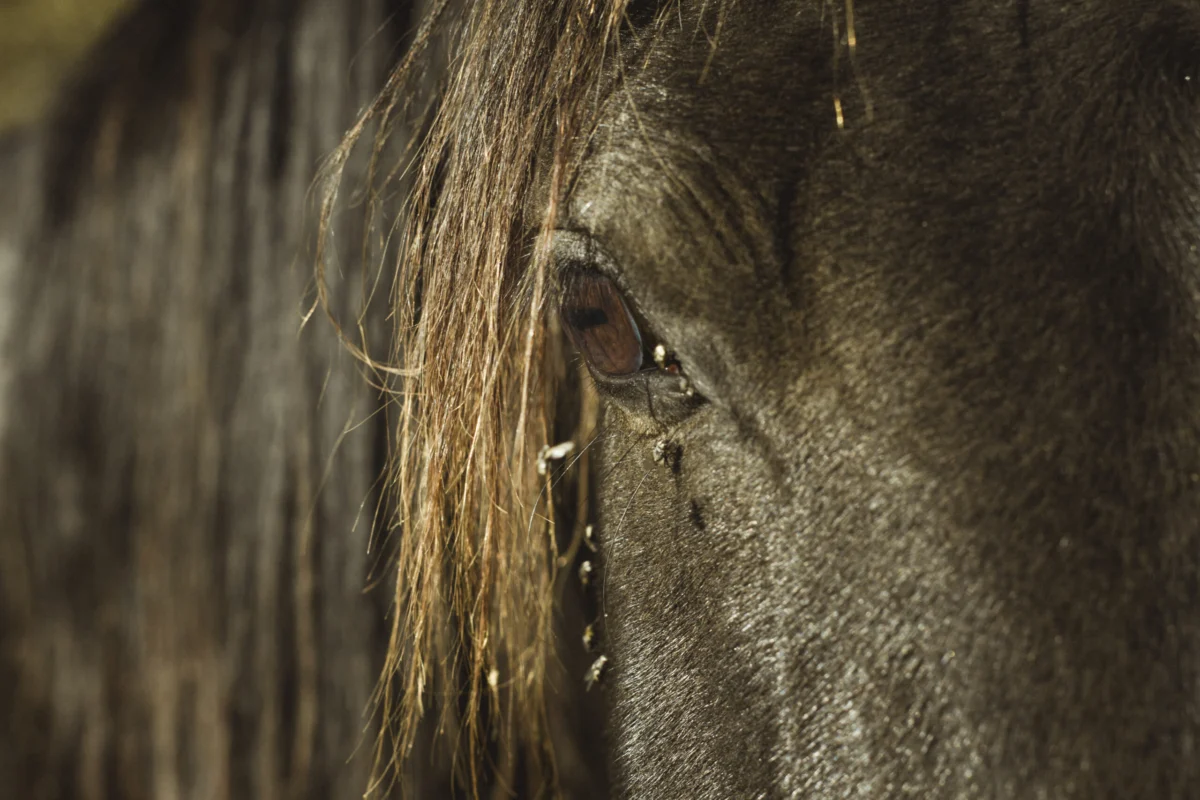
The causative bacterium, Corynebacterium pseudotuberculosis, is a Gram-positive, facultative intracellular bacterium that thrives in soil, where it can survive for extended periods, sometimes up to two months, particularly in dry, dusty conditions. Horses become infected when the bacteria enter the body through broken skin—even a minor scrape, wound, or insect bite can provide an entry point. Flies, particularly horn flies and stable flies, are believed to play a significant role in mechanical transmission, carrying the bacteria from contaminated soil or open lesions on one animal to wounds on another.
Historically, pigeon fever has been endemic in arid and semi-arid regions of the Western United States, including California, Texas, and parts of the Southwest, where it is often referred to as "dryland distemper." However, in recent decades, its geographical range has expanded, with increasing reports in states previously considered low-risk, signaling a broader environmental adaptation of the pathogen or improved surveillance. The peak incidence typically occurs during the warmer, drier months from late summer through fall, coinciding with increased fly populations and environmental conditions conducive to bacterial survival in soil. Clinical signs can range from mild lameness and swelling to severe systemic illness characterized by fever, depression, weight loss, and the formation of large, draining abscesses that can take weeks or even months to resolve.
The Oregon Outbreak: A Regional Chronology and Geographic Impact
The recent identification of multiple confirmed and suspected pigeon fever cases across five Oregon counties signals a concerning localized outbreak. While specific dates for each case were not detailed in the initial alert, the "this week" designation indicates a rapid succession of diagnoses, prompting an immediate advisory to equine and livestock stakeholders. The affected counties—Deschutes, Crook, Umatilla, Jackson, and Morrow—represent a diverse cross-section of Oregon’s geography, encompassing central, eastern, and southern regions.
Deschutes and Crook counties, located in Central Oregon, are characterized by high desert landscapes, extensive ranchland, and a significant recreational horse population. The dry, dusty conditions prevalent in these areas, especially during late summer and fall, create an ideal environment for Corynebacterium pseudotuberculosis to persist in the soil and for flies to proliferate, facilitating transmission. Umatilla and Morrow counties in Eastern Oregon are vital agricultural hubs, known for their vast wheat fields, cattle ranches, and significant equine presence. The movement of livestock and horses for agricultural purposes or equestrian events in these areas could contribute to wider dissemination if biosecurity measures are not rigorously applied. Jackson County, nestled in Southern Oregon’s Rogue Valley, also boasts a substantial equine community, with numerous private farms, boarding facilities, and equestrian centers. The detection of cases across such varied regions underscores the widespread presence of the pathogen within the state’s environment and the diffuse nature of the current outbreak.
The "multiple" designation, though not providing an exact count, implies a number significant enough to warrant a public health alert. In veterinary epidemiology, such an announcement typically follows a pattern where a cluster of cases exceeds baseline expectations, indicating active transmission. This widespread geographical distribution within Oregon suggests that the environmental conditions and vector presence have converged to create favorable circumstances for the bacteria’s spread across various horse and cattle populations, from backyard enthusiasts to large-scale commercial operations.
Veterinary Response, Diagnosis, and Treatment Protocols
Upon suspicion of pigeon fever, immediate veterinary consultation is paramount. Veterinarians typically diagnose the condition based on characteristic clinical signs, such as the presence of abscesses. Definitive diagnosis usually involves culturing bacteria from aspirated pus or tissue samples from the abscesses. Polymerase Chain Reaction (PCR) tests can also be employed for rapid and accurate identification of the bacterium. Differentiating pigeon fever from other conditions causing abscesses, such as strangles or snakebite reactions, is crucial for appropriate treatment.
Treatment for external abscesses primarily involves lancing and draining the abscess once it has matured. This process, ideally performed by a veterinarian, allows for the release of infectious pus and facilitates healing. Flushing the abscess cavity with antiseptic solutions and providing systemic antibiotics are often necessary. The choice of antibiotic, dosage, and duration of treatment are determined by the veterinarian, taking into account the horse’s overall health, the severity of the infection, and local antibiotic resistance patterns. Treatment can be prolonged, often lasting several weeks to ensure complete eradication of the bacteria and prevent recurrence. For horses developing internal abscesses, the prognosis is often guarded, and treatment becomes significantly more challenging, often requiring aggressive and extended antibiotic therapy, sometimes for several months. These cases may also necessitate advanced diagnostic imaging (ultrasound) to locate and monitor internal lesions.
Proactive Biosecurity and Prevention Strategies
Limiting the spread of pigeon fever relies heavily on implementing robust biosecurity and horse health safety practices. These measures are crucial for protecting both individual animals and the broader equine and livestock population:
- Wound Care and Hygiene: Diligent care of even minor skin abrasions, cuts, and insect bites is essential. Immediate cleaning and antiseptic treatment of any break in the skin can prevent bacterial entry. Regular grooming and inspection of horses for new wounds or swellings are critical.
- Fly Control: Given the role of flies in transmission, comprehensive fly control programs are indispensable. This includes environmental management (regular manure removal, eliminating standing water, keeping stalls and paddocks clean and dry), topical fly repellents, fly masks, and insecticide applications (e.g., pour-ons, sprays) as appropriate.
- Isolation of Affected Animals: Horses or cattle suspected or confirmed to have pigeon fever should be immediately isolated from healthy animals to prevent direct contact and reduce the risk of environmental contamination. Dedicated equipment for isolated animals, such as separate buckets, grooming tools, and tack, should be used and disinfected regularly.
- Environmental Management: Since Corynebacterium pseudotuberculosis can survive in soil, minimizing dust and managing muddy areas can reduce the environmental load of bacteria. Regularly cleaning and disinfecting stalls, trailers, and equipment that may have come into contact with infected animals or contaminated soil is also important.
- Personal Protective Equipment (PPE): Handlers of infected animals should wear gloves and practice strict hand hygiene to prevent accidental spread of the bacteria to other animals or environments.
- Vaccination: A commercial vaccine for horses, developed from a modified live culture of Corynebacterium pseudotuberculosis, is available and has shown efficacy in reducing the incidence and severity of external abscesses. Horse owners in endemic or high-risk areas, such as those in the affected Oregon counties, should discuss vaccination protocols with their veterinarians. It’s important to note that while the vaccine can be a valuable tool, it is not 100% protective and should be used in conjunction with other biosecurity measures. There is currently no approved vaccine for cattle.
Broader Implications and Economic Impact
The recurrence of pigeon fever in Oregon carries significant implications for horse owners, veterinarians, and the broader agricultural economy. For individual horse owners, the financial burden of treatment can be substantial. Veterinary costs for diagnosis, draining multiple abscesses, extended antibiotic therapy, and supportive care can quickly accumulate, potentially running into hundreds or even thousands of dollars per animal. Beyond direct costs, there is the potential for lost income or reduced utility if a horse is a performance animal, a working ranch horse, or a breeding animal, as recovery can be protracted, impacting training schedules, competition seasons, or breeding plans.
For the equine industry in Oregon, a widespread outbreak could lead to heightened anxiety, potential disruptions to equestrian events, and increased operational costs for boarding facilities and breeding operations that must implement stricter biosecurity measures. The reputation of specific regions or facilities could also be impacted, leading to reduced participation in events or hesitancy from potential buyers.
While primarily affecting horses and cattle, the zoonotic potential of Corynebacterium pseudotuberculosis to humans, though extremely rare, should be acknowledged. Human infections typically occur in immunocompromised individuals or those with extensive direct contact with infected animals and usually manifest as localized skin infections. This rarity, however, reinforces the importance of good hygiene for anyone handling sick animals.
Official Communication and Collaborative Surveillance Efforts
The Equine Disease Communication Center (EDCC) plays a vital role in national animal health surveillance by aggregating and disseminating verified information on infectious disease outbreaks. As an independent nonprofit organization supported by industry donations, EDCC provides open access to critical disease information, enabling horse owners, veterinarians, and state animal health officials to make informed decisions and respond promptly to emerging threats. The EDCC Health Watch program, which published the initial alert for Oregon, exemplifies this crucial function.
State veterinary offices, such as the Oregon Department of Agriculture’s State Veterinarian, are central to monitoring and managing animal disease outbreaks within their jurisdictions. They work in conjunction with federal agencies, local veterinarians, and industry stakeholders to investigate cases, track disease trends, and implement control strategies. The effective management of diseases like pigeon fever relies heavily on a collaborative approach, where veterinarians promptly report cases, owners implement recommended biosecurity, and official bodies provide timely guidance and resources. The current situation in Oregon underscores the ongoing need for vigilant surveillance and the importance of every stakeholder playing their part in disease prevention and control.
In conclusion, the recent cluster of pigeon fever cases in Deschutes, Crook, Umatilla, Jackson, and Morrow counties serves as a stark reminder of the persistent threat posed by this bacterial infection. Proactive measures, including meticulous wound care, aggressive fly control, strict isolation of affected animals, and regular consultation with veterinarians regarding vaccination and biosecurity protocols, are essential. By working together, Oregon’s equine and livestock communities can mitigate the impact of this outbreak and safeguard the health and well-being of their animals.