The stark reality of human migration across the U.S.-Mexico border continues to unfold with tragic frequency, as the U.S. Border Patrol confirmed the discovery of three additional deceased individuals last Monday near its Santa Teresa, New Mexico, station. This grim find elevates the total number of migrant deaths in this particularly treacherous sector to 138 for the current year, a figure that now stands just 11 shy of last year’s distressing record of 149 fatalities. The deaths underscore the extreme perils faced by those attempting to cross the border through remote and unforgiving landscapes, particularly within the notoriously active smuggling corridors of Southern New Mexico.
The Perilous Passage: Anatomy of a Deadly Corridor
The area where the latest discoveries were made, stretching several miles west from New Mexico Highway 9 near the Santa Teresa border crossing to the prominent landmark of Mount Cristo Rey in Sunland Park, New Mexico, has long been identified by federal officials as one of the most active and dangerous migrant-smuggling routes along the Southwest border. This specific corridor is characterized by its harsh desert environment, extreme temperature fluctuations, rugged terrain, and remote isolation, all of which contribute significantly to the high mortality rates.
Migrants traversing this region often face a confluence of life-threatening challenges. During summer months, temperatures can soar well above 100 degrees Fahrenheit (38 degrees Celsius), leading rapidly to severe dehydration, heatstroke, and organ failure. Conversely, winter nights can bring freezing temperatures, exposing individuals to hypothermia. Beyond climatic extremes, the landscape itself presents formidable obstacles: vast expanses with no natural water sources, rocky and uneven ground that can cause injuries, and the ever-present threat of encountering dangerous wildlife. The extended distances that must be covered on foot, often with insufficient supplies, push human endurance to its absolute limits.
Furthermore, the sector’s dangers extend beyond the desert floor. Fatalities are frequently recorded in the fast-flowing waters of the Rio Grande and its parallel irrigation canals, where strong currents and unseen hazards can quickly overwhelm even strong swimmers. The formidable border wall, while intended to deter crossings, has also become a site of tragedy, with individuals suffering fatal falls while attempting to scale its considerable height. Mount Cristo Rey, a prominent peak, presents its own unique challenges, with steep, rocky ascents and descents that can prove fatal to those unfamiliar with the terrain or exhausted from their journey.
A Rising Tide of Tragedy: Chronology of an Escalating Crisis
The discovery of the three individuals on Monday is not an isolated incident but rather a continuation of a deeply disturbing trend of escalating migrant deaths in the region. The U.S. Border Patrol’s El Paso Sector, which encompasses Hudspeth County, Texas, to El Paso, and extends to the New Mexico-Arizona state line, has witnessed a consistent and alarming rise in fatalities over recent years. While comprehensive historical data for this specific sector often varies based on reporting methodologies, the upward trajectory is undeniable, reflecting broader patterns observed along the entire U.S.-Mexico border.
Historically, migrant deaths along the border have fluctuated, often correlating with shifts in enforcement strategies and migration patterns. The implementation of "prevention through deterrence" policies in the 1990s, which aimed to funnel migration away from urban centers and into more remote, dangerous areas, is widely cited by experts as a primary factor in the increased mortality rates in hostile terrains like the Sonoran and Chihuahuan deserts. Over the past decade, and particularly in the last five years, these remote areas have become increasingly deadly.
The current year’s toll of 138 deaths, nearly matching last year’s record of 149, highlights the sustained pressure on this corridor. This near-record pace suggests that despite public warnings and enforcement efforts, individuals continue to undertake these perilous journeys, often driven by profound desperation stemming from violence, economic hardship, and political instability in their home countries. The grim milestone serves as a stark reminder of the human cost associated with current migration dynamics and border policies. The summer months, typically from May through September, consistently register the highest number of fatalities due to the extreme heat, making the current period particularly hazardous.
Supporting Data and Broader Context of a Humanitarian Crisis
The fatalities in Southern New Mexico are part of a much larger, grim tapestry of migrant deaths along the entire U.S.-Mexico border. According to data compiled by organizations such as the International Organization for Migration (IOM) through its Missing Migrants Project, the U.S.-Mexico border remains one of the deadliest land borders in the world. In 2023, the IOM recorded over 680 migrant deaths and disappearances along the U.S.-Mexico border, though the true number is widely believed to be higher due to unreported incidents and unrecovered remains. The leading causes of death consistently include harsh environmental conditions (heat exposure, dehydration, hypothermia), drowning, and accidents.
U.S. Customs and Border Protection (CBP) data also consistently shows hundreds of fatalities annually across all nine border sectors. While precise figures vary year-to-year and by agency, the trend of increasing deaths, particularly since 2020, is well-documented. For instance, CBP reported 853 migrant deaths along the entire U.S.-Mexico border in Fiscal Year 2022, marking the highest number recorded since data collection began in 1998. These figures underscore that the crisis in New Mexico is not isolated but rather a microcosm of a broader humanitarian challenge.

The individuals undertaking these journeys often originate from various countries, predominantly Mexico and the Northern Central American countries of Guatemala, Honduras, and El Salvador. However, in recent years, there has been a notable increase in migrants from Venezuela, Cuba, Nicaragua, and even more distant nations, including those from Africa and Asia, all seeking asylum or better economic opportunities in the United States. These diverse populations often have varying levels of preparedness for the extreme conditions, with many lacking crucial knowledge or resources. Smuggling organizations, or "coyotes," frequently exploit this desperation, often abandoning migrants when conditions become too difficult or when they perceive a threat of apprehension, leaving individuals stranded in life-threatening situations.
Official Responses and Humanitarian Efforts
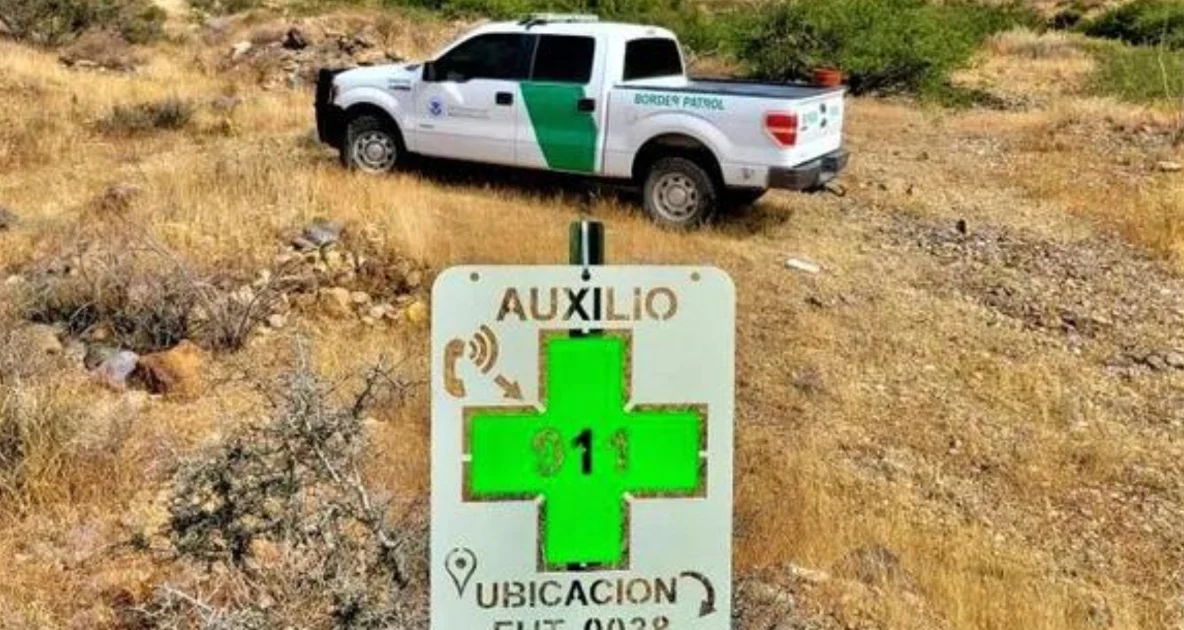
In response to the persistent dangers and escalating death toll, the U.S. Border Patrol maintains a dual mandate of border security and humanitarian aid. Beyond its enforcement duties, the agency actively engages in search and rescue operations. Its specialized Search, Trauma, and Rescue (BORSTAR) units are frequently deployed to locate and assist distressed migrants. These highly trained teams are equipped to operate in extreme environments and provide critical medical aid. The Border Patrol also strategically places rescue beacons and signs in remote areas, offering a direct lifeline to individuals in distress.
Concurrent with these operational efforts, the Border Patrol continues to disseminate public safety announcements in both English and Spanish across various online platforms and traditional media channels. These campaigns explicitly warn potential migrants about the severe dangers of attempting to cross the border illegally between official ports of entry. The messages emphasize the risks of extreme weather, treacherous terrain, and the ruthless tactics often employed by human smugglers. Officials reiterate that crossing through official channels, where resources and processes are in place, is the only safe and legal option.
However, the humanitarian crisis along the border is not solely addressed by government agencies. A wide array of non-governmental organizations (NGOs) and advocacy groups play a critical role. Groups such as the Border Network for Human Rights, No More Deaths, and Humane Borders operate along the border, often providing vital aid, including water, food, and medical assistance, to migrants in remote areas. These organizations frequently express profound sorrow and alarm at the rising death toll, consistently calling for more humane immigration policies, expanded legal pathways for asylum, and greater protections for vulnerable populations. They argue that increased enforcement alone, without addressing the root causes of migration or providing viable alternatives, will only continue to push migrants into more perilous routes, exacerbating the humanitarian crisis.
Local communities and authorities also bear a significant burden. Medical examiners and morgues in border towns often face overwhelming challenges in identifying and processing deceased migrants, many of whom carry no identification. The emotional toll on first responders, law enforcement, and local residents who frequently encounter the aftermath of these tragedies is immense, highlighting the far-reaching impact of the border crisis.
Broader Impact and Implications: A Complex Conundrum
The ongoing tragedy of migrant deaths in the Southern New Mexico desert corridor and across the U.S.-Mexico border has profound implications, fueling an intense and often divisive national debate on immigration policy, border security, and humanitarian obligations. The statistics serve as a stark indicator of the failure of current approaches to effectively manage migration flows safely and humanely.
One of the central dilemmas revolves around the efficacy of deterrence strategies. While increased border enforcement, including the construction of physical barriers and the deployment of more agents, is intended to dissuade illegal crossings, critics argue that it merely redirects migrants to more remote and dangerous areas, inadvertently increasing fatalities. This phenomenon is often described as the "funnel effect," where tightened security in accessible areas pushes desperate individuals into regions like the Chihuahuan Desert, where the natural environment becomes the primary, and often fatal, deterrent.
The humanitarian implications are undeniable. Each death represents a personal tragedy, often leaving families in their home countries in agonizing uncertainty or mourning. The collective toll underscores a systemic humanitarian crisis that demands comprehensive, multi-faceted solutions. This includes not only enhanced search and rescue efforts but also a reevaluation of policies that may inadvertently contribute to such high mortality rates.
Furthermore, the issue is intertwined with geopolitical and socio-economic factors. Instability, violence, and lack of economic opportunity in sending countries continue to be powerful drivers of migration, making the journey, however perilous, seem like the only viable option for many. Climate change is also emerging as a contributing factor, exacerbating drought conditions and agricultural failures, pushing more individuals to seek new livelihoods.
Looking ahead, without significant shifts in policy, international cooperation to address root causes of migration, or substantial changes in global migration patterns, the death toll along the U.S.-Mexico border, particularly in hazardous corridors like Southern New Mexico, is likely to remain distressingly high. The 138 deaths recorded so far this year serve as a poignant and urgent call for a more effective, compassionate, and sustainable approach to managing one of the world’s most challenging humanitarian and political issues. The relentless desert continues to claim lives, a stark monument to human desperation and the complex failures of a global system.