

The LeMieux National Dressage Championships, a cornerstone event in the British equestrian calendar, concluded with a strong showing from the nation’s elite dressage riders. While the immediate aftermath of major international championships often sees a dip in participation at domestic events as horses are rested, this year’s competition defied that trend, with several top-tier riders, including those who had recently competed at world championships, gracing the arena. This robust turnout is particularly significant given the looming presence of the next Olympic Games, which are now less than two years away – a compressed timeframe in the demanding world of elite equestrian sport.
The presence of championship team riders filling the top three positions in the Grand Prix class underscored the high calibre of competition. One notable competitor rode a horse that had recently represented their country at the World Championships, highlighting the continued dedication and performance of the top dressage partnerships. This sustained level of competition in the lead-up to a major global event like the Olympics is a positive indicator for British dressage, suggesting a strong pipeline of talent and well-prepared equine athletes.
Background of the National Dressage Championships
The National Dressage Championships, sponsored by LeMieux, represent the pinnacle of domestic dressage competition in the United Kingdom. Held annually, typically at venues like Somerford Park in Cheshire, the championships bring together the country’s most accomplished dressage riders and horses across various levels, from young horses to the elite Grand Prix. The event serves as a crucial platform for riders to showcase their training, partnership with their horses, and their readiness for international competition. It is a key indicator of the health and development of the sport within the nation and provides valuable insights into potential future national and international team members.
Historically, the championships have been a breeding ground for talent, with many riders who have gone on to represent Great Britain at Olympic Games, World Equestrian Games, and European Championships first making their mark at this prestigious domestic event. The inclusion of riders who have recently competed on the international stage demonstrates the event’s continued significance, even in the face of demanding global schedules. This year’s strong turnout suggests that riders are strategically using the National Championships as a vital stepping stone, rather than a post-season respite, in their Olympic qualification campaigns.
The Olympic Countdown: A Tight Schedule
The proximity of the next Olympic Games, a mere nineteen shoeing cycles away in equine terms, adds a layer of urgency and strategic planning to the competitive calendar. For riders and their support teams, every competition, including the National Championships, takes on added importance. The ability to consistently perform at a high level under pressure is paramount, and the championships provide an ideal environment for honing these skills. The data from previous Olympic cycles indicates that the horses and riders who achieve success at the Games are often those who have demonstrated consistent form and adaptability throughout the preceding years, with significant performances at major national and international events.
The Olympic qualification period for dressage typically involves accumulating a certain number of ‘minimum eligibility scores’ at designated international competitions. While the National Championships are not an international event, the performances here can serve as valuable indicators of a horse and rider’s current form and their potential to achieve those necessary international scores. Furthermore, the experience of competing at a high-pressure national championship can build the mental fortitude required for the even greater intensity of the Olympic stage.
Notable Performances and Emerging Talent
While the original report focused on the overall strength of the field, a deeper dive into the results of the LeMieux National Dressage Championships reveals specific performances that warrant attention. The dominance of championship team riders in the Grand Prix class is a testament to the depth of talent within British dressage. These riders, often supported by national governing bodies and commercial sponsors, have the resources and experience to campaign at the highest levels. Their continued engagement with domestic events like the Nationals indicates a commitment to both the sport’s foundational events and its future development.
The mention of a horse that had competed at the World Championships is particularly noteworthy. This implies a horse that is not only capable of performing at an elite level but has also demonstrated its resilience and ability to travel and compete on the international circuit. The partnership between rider and horse at this level is a complex interplay of training, trust, and understanding, honed over years of dedicated work. The fact that such a partnership is still actively competing at the National Championships suggests a continued drive for excellence and a strategic approach to maintaining peak condition.
Olivia Oakeley’s Return to Grand Prix
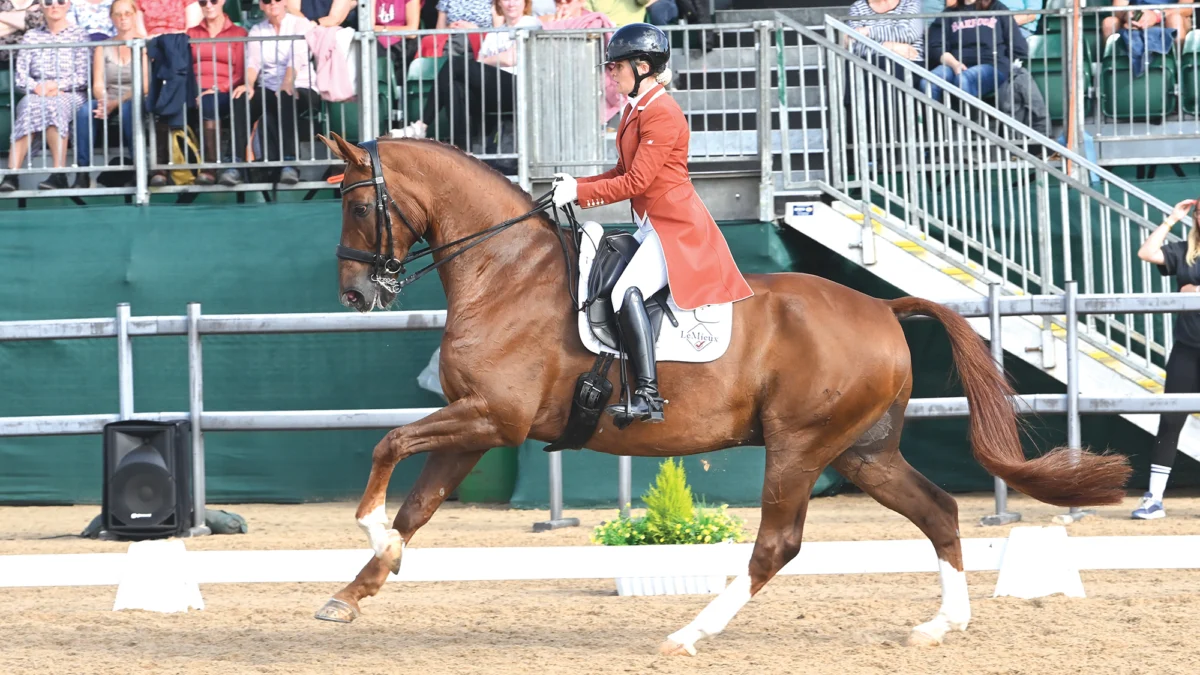
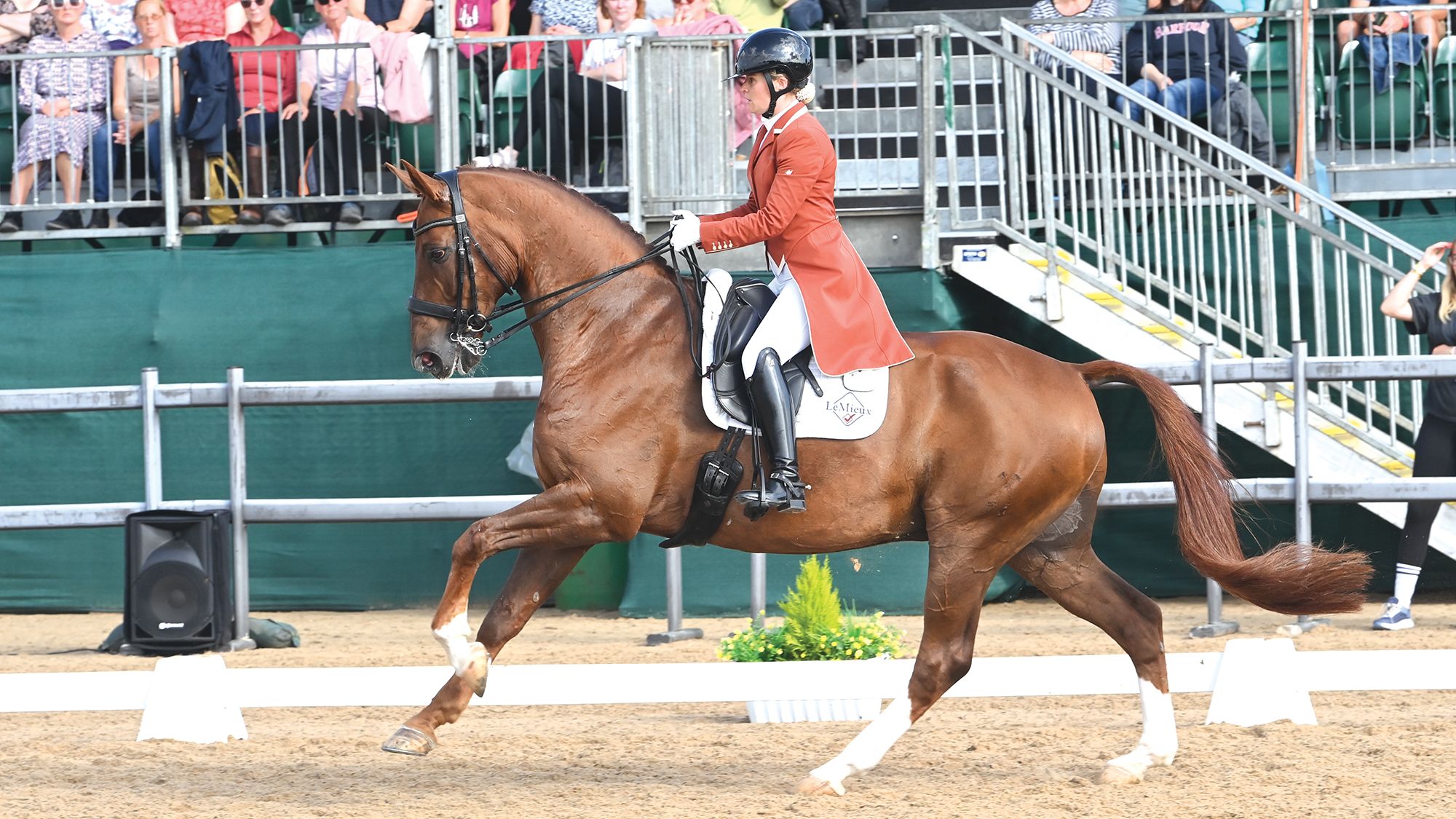
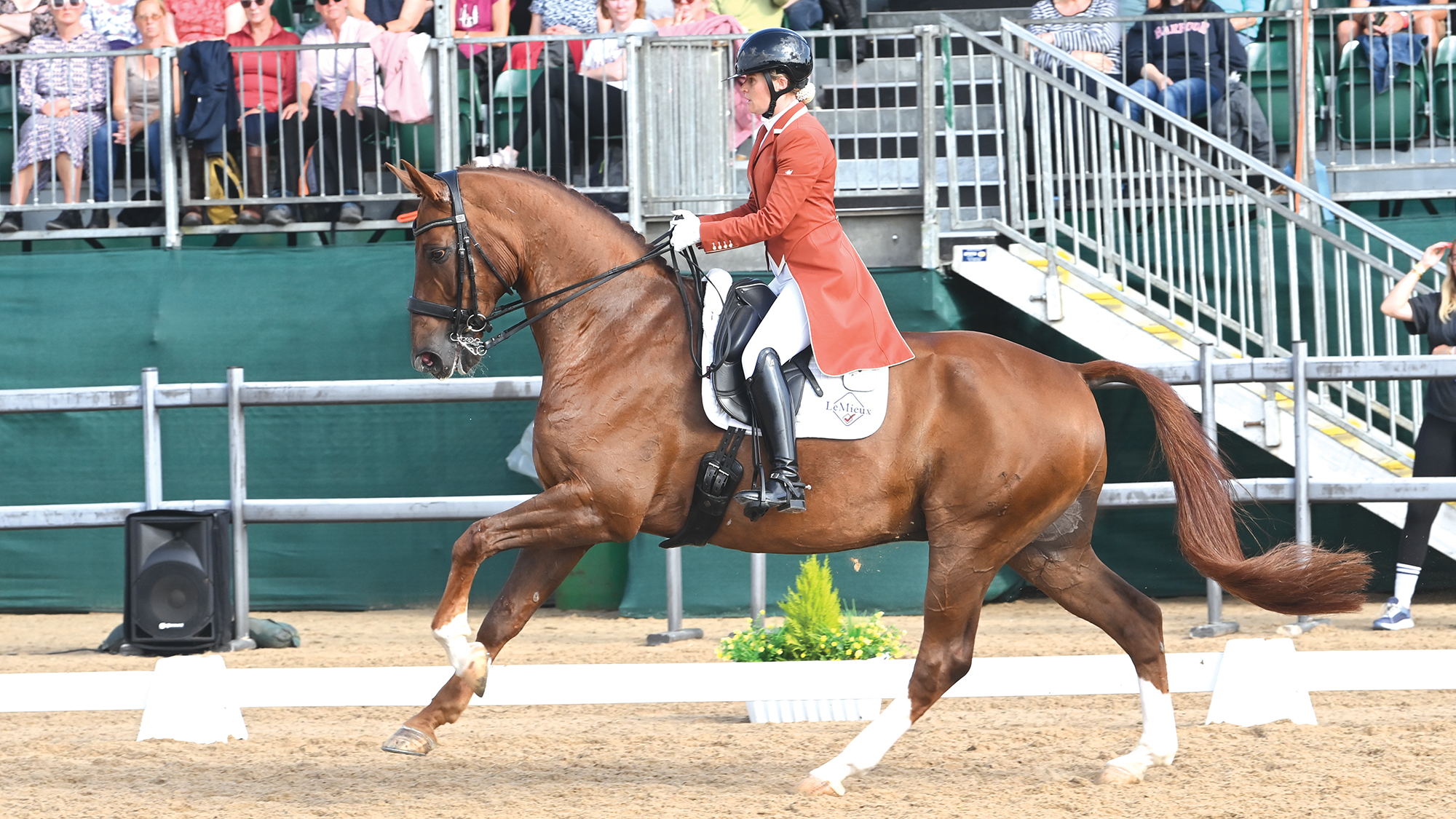
A significant narrative emerging from the championships is the return of British dressage rider Olivia Oakeley to the Grand Prix level, a decade after she last had a horse competing at this elite tier. Oakeley, pictured riding the chestnut gelding Full House, demonstrated her enduring skill and dedication by re-entering the highest echelon of the sport. This comeback is a powerful illustration of perseverance in equestrianism, a discipline that demands immense commitment, patience, and the ability to navigate the inevitable challenges that arise with horse training and competition.
Oakeley’s journey back to Grand Prix after a ten-year hiatus underscores the cyclical nature of elite equestrian careers. Factors such as horse development, injury, personal circumstances, and the availability of suitable equine partners can all influence a rider’s trajectory. Her successful return signifies not only her personal dedication but also the quality of her current partnership with Full House. The extended canter depicted in the accompanying image captures a moment of athleticism and harmony, characteristic of high-level dressage. The return of experienced riders like Oakeley to the Grand Prix arena injects valuable experience and competitive spirit into the sport, offering inspiration to both established and aspiring riders.
Data and Performance Metrics
To further contextualize the significance of the National Championships, it is useful to consider some relevant data points. The Grand Prix dressage test, for instance, is judged on a complex scoring system that evaluates the horse’s obedience, suppleness, impulsion, and the rider’s precision and harmony. Scores in the Grand Prix typically range from the mid-60s to the high 70s for top international performances, with scores exceeding 80% considered exceptional. The competitive field at the Nationals, with championship riders securing the top three places, likely saw scores within the high 60s to low 70s, indicating a strong performance level.
The Fédération Equestre Internationale (FEI) establishes the rules and standards for international dressage competitions. Minimum eligibility scores (MES) are required for horses and riders to compete at major championships like the Olympics and World Equestrian Games. These scores vary depending on the level of competition, but for the Grand Prix Special and Grand Prix Freestyle, for example, riders typically need to achieve a minimum of 66% and 64% respectively in designated international CDI (Concours Dressage International) events. The consistent performances at the National Championships demonstrate that many British riders are likely meeting or exceeding these benchmarks, positioning them well for the upcoming qualification period.
Broader Impact and Implications for British Dressage
The strong turnout and high standard of competition at the LeMieux National Dressage Championships have several positive implications for the future of British dressage. Firstly, it signals a robust talent pool and a healthy competitive environment. The presence of riders who have recently competed internationally, coupled with those making comebacks to elite levels, suggests a dynamic and evolving sport. This depth of talent is crucial for building strong national teams capable of challenging for medals at major championships.
Secondly, the championships serve as a vital platform for identifying and nurturing emerging talent. While the focus often falls on the established names, the event also provides an opportunity for younger or less experienced riders to gain invaluable experience and benchmark themselves against the best. This pipeline of new talent is essential for the long-term sustainability and success of British dressage.
Furthermore, the event’s success, particularly in the Olympic year cycle, can attract increased media attention, sponsorship, and public interest. This, in turn, can lead to greater investment in the sport, from grassroots development to elite athlete support. The visibility of riders like Olivia Oakeley, returning to the top level after a significant break, can inspire a wider audience and underscore the dedication required to succeed in equestrian sports.
The commitment of sponsors like LeMieux is also critical. Their continued support ensures that these prestigious events can be held to the highest standards, providing the necessary infrastructure and prize money to attract top competitors. The success of these domestic championships directly contributes to the overall strength and visibility of British dressage on the international stage, fostering a positive cycle of development and achievement. As the countdown to the next Olympics intensifies, the performances seen at the National Championships offer a promising outlook for the aspirations of British riders and their equine partners. The dedication, skill, and strategic planning demonstrated by these athletes are the bedrock upon which future international success will be built.







