

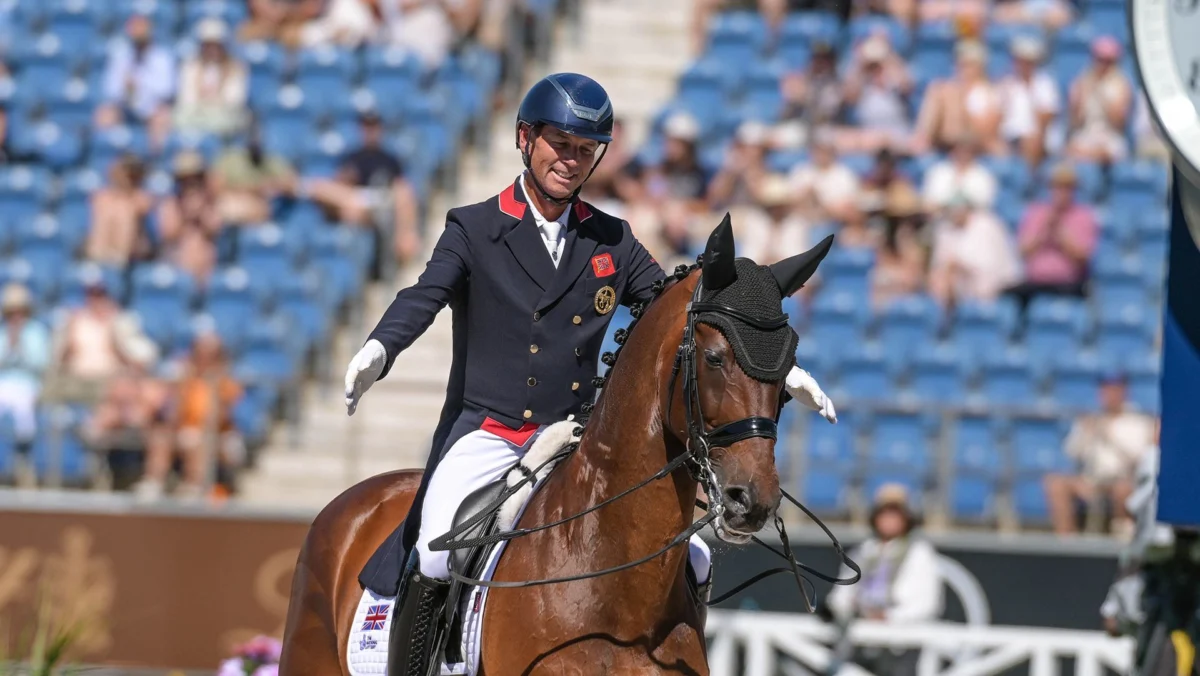
The hallowed grounds of Aachen have once again played host to a spectacle of equestrian excellence, with the 2026 World Dressage Championships culminating in a resounding success, drawing global attention and reaffirming the enduring appeal of horse sport. Reflecting on the event, British equestrian icon Carl Hester MBE highlighted the "amazing few weeks" for British equestrianism and the sport as a whole, underscoring the significant global reach and spectator engagement achieved.
A Global Showcase of Equestrian Prowess
The 2026 World Dressage Championships, held in the historic German city of Aachen, proved to be a monumental event, attracting a diverse array of talent and captivating audiences worldwide. The competition, a pinnacle event in the dressage calendar, showcased the extraordinary partnership between horse and rider, pushing the boundaries of athletic achievement and artistic expression.
With an impressive 65 nations represented, the championships offered a truly global perspective on the sport. This broad participation underscores the international growth and development of dressage, with athletes from every continent converging to compete for the coveted world titles. The presence of such a wide range of countries not only elevates the competitive standard but also fosters a sense of global community within the equestrian world.
The spectator experience was equally remarkable. A staggering half a million spectators physically attended the event over its duration, creating a vibrant and electric atmosphere within the Aachen arena. This high turnout demonstrates the deep appreciation and enthusiasm that audiences have for elite-level dressage. The palpable energy of the crowds undoubtedly contributed to the riders’ performances, adding another layer of excitement to the already high-stakes competition.
Beyond the live attendance, the championships achieved an unprecedented digital footprint. A live broadcast audience of 12.8 million viewers tuned in to witness the unfolding drama, testament to the growing accessibility and appeal of equestrian sports through modern media. Furthermore, across the FEI’s social and digital channels, the event garnered an astonishing reach of 106.2 million, highlighting the power of online platforms in engaging with a global fan base. This immense digital engagement signifies a crucial shift in how equestrian events are consumed, reaching beyond traditional broadcast audiences to connect with a new generation of enthusiasts.
Aachen: A Historic Venue for Equestrian Excellence
Aachen’s reputation as a premier venue for equestrian events is well-earned, and the 2026 World Dressage Championships further cemented its legacy. The city, steeped in equestrian history, provides a magnificent backdrop for such a prestigious competition. The Aachener Soers, the primary venue, boasts state-of-the-art facilities capable of hosting large-scale international events, ensuring that both athletes and spectators experience world-class amenities.
The tradition of equestrian sport in Aachen dates back over a century, with the CHIO Aachen, the city’s annual multi-discipline horse show, being one of the oldest and most prestigious events of its kind. Hosting the World Dressage Championships here adds another significant chapter to this rich history. The venue’s infrastructure, including its expansive arenas, training facilities, and hospitality areas, is designed to accommodate the intricate demands of elite dressage competition. The meticulous planning and execution by the organizing committee ensured a seamless experience for all involved, from the athletes’ arrival to the final medal ceremonies.
The choice of Aachen for the World Championships also speaks to its accessibility and central location within Europe, making it a convenient destination for many participating nations and their supporters. The city’s commitment to equestrianism is evident in its infrastructure and the warm reception given to competitors and visitors, creating an environment conducive to both high-level sport and cultural exchange.
British Success and Carl Hester’s Perspective
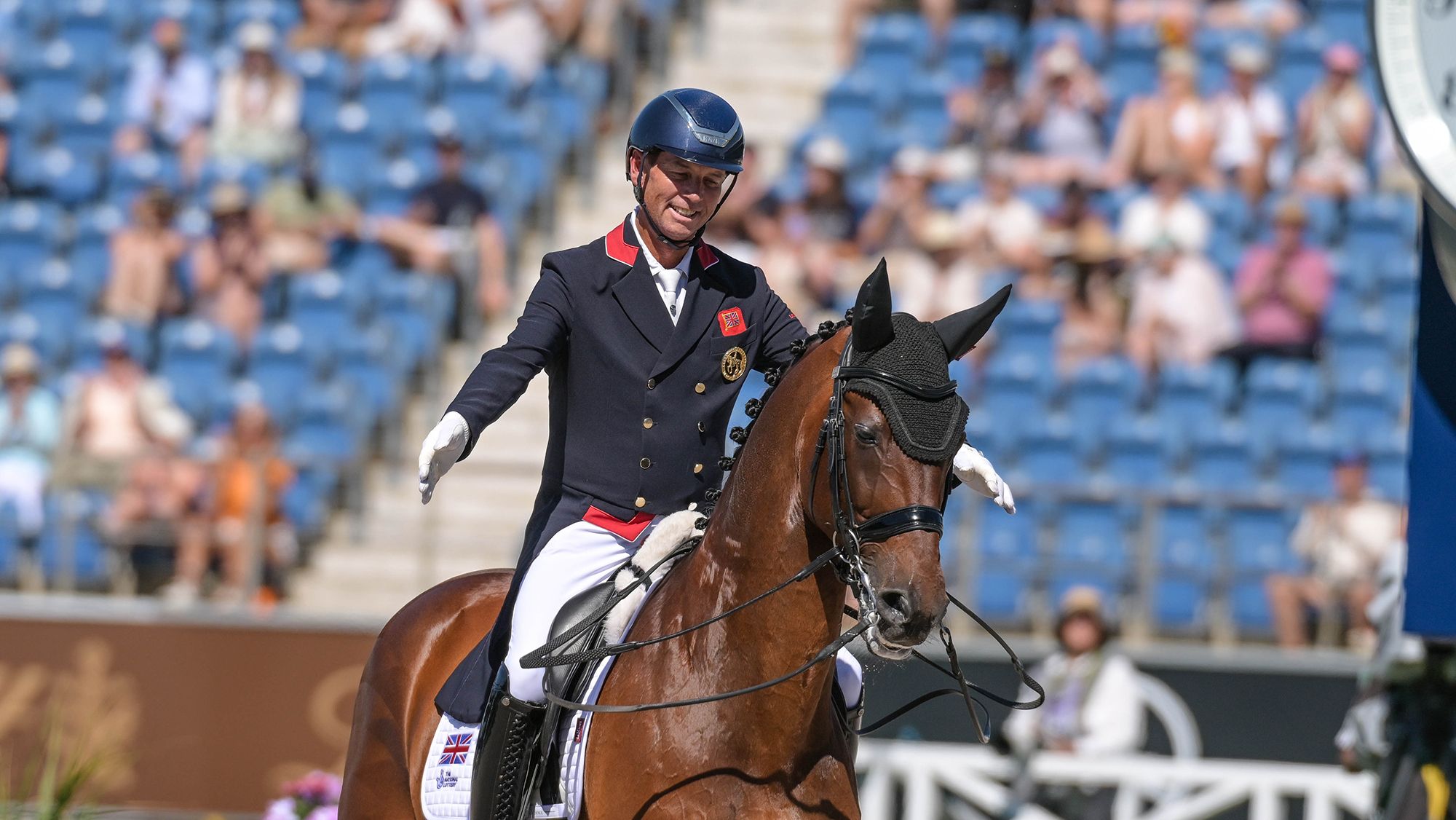
For British equestrianism, the championships were a period of immense pride and success. Carl Hester, a household name and a driving force in British dressage for decades, expressed his elation. His reflections, particularly on the partnership with his horse Fame, as depicted in the accompanying imagery where he drops the reins in a moment of evident satisfaction, capture the profound connection between horse and rider that is at the heart of dressage.
Hester’s own career is a testament to dedication and excellence in the sport. An Olympic gold medallist and a multiple medalist at European and World Championships, he has consistently been at the forefront of dressage innovation and performance. His influence extends beyond his own riding, notably through his role in nurturing the partnership of Charlotte Dujardin and Valegro, arguably one of the most successful dressage pairings in history. Hester’s expertise and mentorship have been instrumental in shaping the careers of numerous top riders and in elevating the profile of British dressage on the international stage.
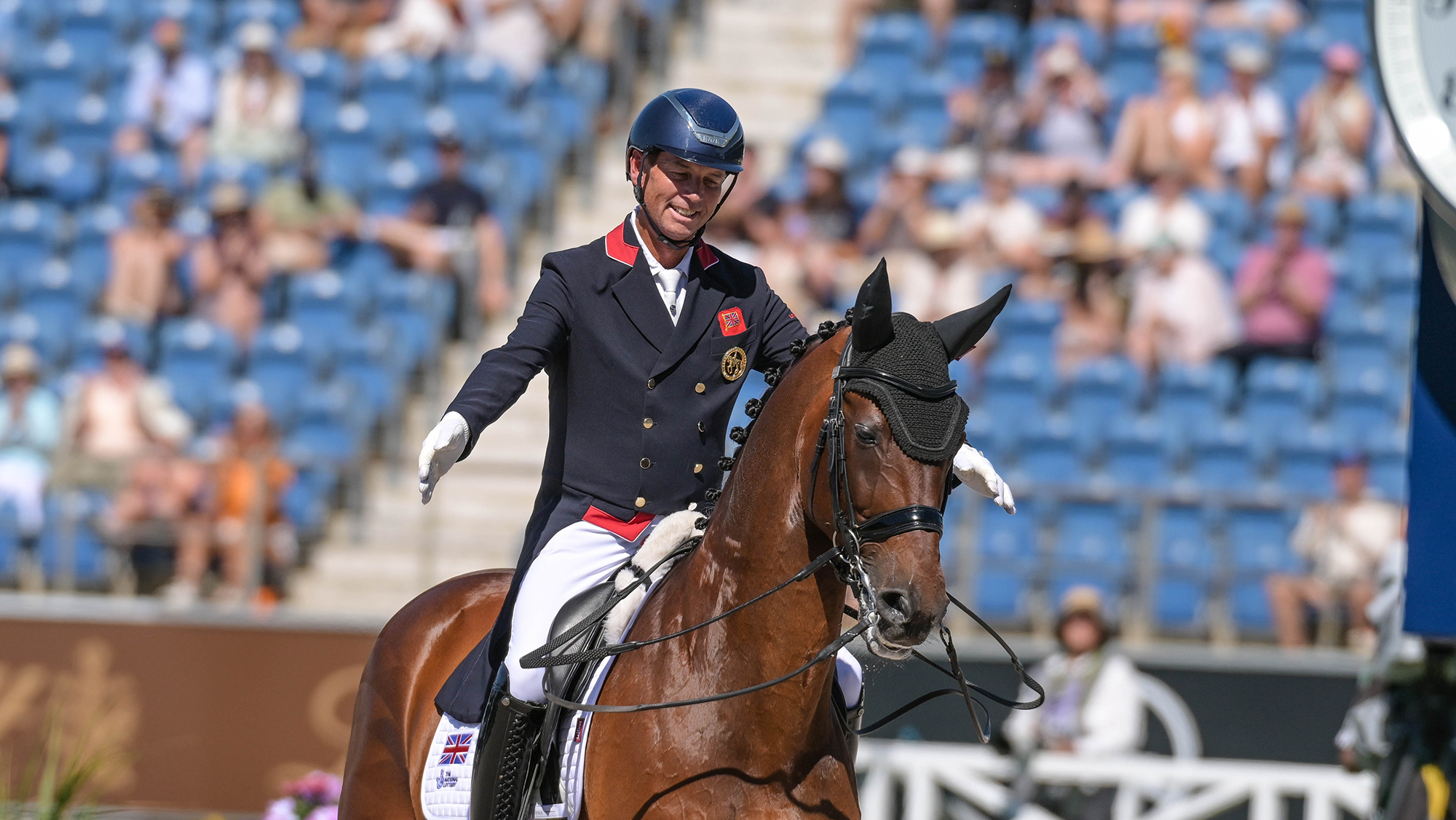
The image of Hester with Fame, releasing the reins after a test, conveys a powerful message of mutual trust and accomplishment. In dressage, the reins are the primary communication tool between horse and rider. Dropping them, even momentarily, signifies a moment of complete harmony, where the horse understands its cues so implicitly that external aids become almost unnecessary. This visual representation encapsulates the essence of a successful dressage test: a fluid, almost telepathic connection between horse and rider, executed with precision and artistry.
A Look Back: The Chronology of Success
The 2026 World Dressage Championships were not an isolated event but the culmination of years of dedication, training, and strategic planning by athletes, federations, and governing bodies. The journey to Aachen typically begins years in advance, with riders identifying potential championship horses and embarking on intensive training programs.
The qualification process for the World Championships is rigorous, involving a series of national and international competitions where riders earn points and demonstrate their horses’ capabilities. This period of preparation is often marked by meticulous attention to detail, from the horse’s physical conditioning and mental well-being to the rider’s technical proficiency and strategic competition planning.
Leading up to the 2026 event, various regional championships and Grand Prix events served as crucial stepping stones. These competitions allowed riders to test their strategies, fine-tune their performances, and secure their rankings. National federations, such as British Dressage, would have been actively involved in selecting their national squads based on these performances and the potential of their athletes to compete at the highest international level.
The weeks immediately preceding the championships in Aachen would have been a period of intense focus for the selected athletes. This often involves a period of acclimatization, specialized training camps, and careful management of the horses’ fitness and mental state to ensure they are in peak condition for the competition. The organizing committee in Aachen would have been finalizing logistics, from the competition schedule and venue setup to security and media arrangements, ensuring that the event runs smoothly and efficiently.
Supporting Data and Analysis of Impact
The statistics released following the championships provide a compelling narrative of the event’s success and the robust health of equestrian sport:
- 65 Nations Represented: This broad international participation is a key indicator of global growth. It signifies that dressage is not confined to a few traditional powerhouses but is actively developing and engaging athletes across diverse geographical regions. This diversity enriches the sport, bringing different training philosophies and equestrian cultures into a shared competitive arena.
- 12.8 Million Live Broadcast Viewers: This figure highlights the increasing mainstream appeal of equestrian sports. With advancements in broadcasting technology and the expansion of streaming services, events like the World Dressage Championships can reach audiences far beyond traditional sports enthusiasts. This broad viewership is crucial for attracting sponsorship and investment into the sport.
- Half a Million Spectators: The substantial in-person attendance demonstrates the continued draw of live sporting events. For dressage, the intimate connection between horse and rider, the artistry of the movements, and the sheer athleticism on display are best appreciated in person. The atmosphere created by a large, engaged crowd is an integral part of the spectator experience.
- 106.2 Million Reach Across FEI Social and Digital Channels: This metric is perhaps the most telling of the sport’s modern-day reach. Social media and digital platforms have democratized access to sports content, allowing for real-time updates, behind-the-scenes glimpses, and interactive engagement. This vast reach indicates a strong online community of fans and a highly effective strategy by the FEI in leveraging digital tools to promote the sport.
The implications of these figures are significant. They collectively suggest that equestrian sports, and dressage in particular, are not only maintaining their popularity but are experiencing a renaissance in terms of global reach and audience engagement. This success can be attributed to several factors:
- Increased Professionalization: The sport has become increasingly professionalized, with higher standards of training, veterinary care, and athlete management. This leads to a higher quality of performance and a more compelling spectacle for audiences.
- Athlete Advocacy and Storytelling: The personal stories of riders and their horses, often shared through social media and documentaries, resonate deeply with fans. The dedication, challenges, and triumphs create compelling narratives that draw people into the sport. Carl Hester’s own journey and his role as a mentor are prime examples of such impactful storytelling.
- Focus on Horse Welfare: In an era of increased awareness regarding animal welfare, the equestrian community has placed a strong emphasis on the ethical treatment and well-being of horses. Demonstrating a commitment to horse welfare is crucial for public perception and for the long-term sustainability of the sport. The success of events like the championships, where horses are clearly well-cared for and perform at their peak, reinforces this positive image.
- Technological Advancements: Beyond broadcasting, advancements in sports science, equipment, and training techniques have pushed the boundaries of what is possible in dressage, making the performances more spectacular and inspiring.
Official Responses and Future Outlook
While the provided text focuses on Carl Hester’s reflection, it is logical to infer that the FEI (Fédération Equestre Internationale) and the German Equestrian Federation (Deutsches Olympiade-Komitee für Reiterei) would have issued official statements praising the organization and the success of the event. Such statements typically commend the host nation for their exceptional hospitality and organizational prowess, thank the athletes for their dedication and sportsmanship, and acknowledge the invaluable contributions of sponsors, volunteers, and the global fan base.
These official responses would likely emphasize the positive impact of the championships on promoting equestrian sport worldwide and reinforcing the FEI’s mission to foster a vibrant and inclusive global equestrian community. They would also serve to highlight the economic and cultural benefits that such a large-scale international event brings to the host city and region.
Looking ahead, the success of the 2026 World Dressage Championships in Aachen provides a strong foundation for future equestrian events. The lessons learned from this competition, particularly in terms of global reach and digital engagement, will undoubtedly inform strategies for upcoming championships and other major equestrian gatherings. The continued growth in participation and spectator interest suggests a bright future for dressage, with events like this serving as powerful catalysts for inspiration and development across all levels of the sport. The legacy of Aachen 2026 will likely be that of a landmark event that not only celebrated the pinnacle of dressage performance but also powerfully demonstrated its enduring and expanding appeal on the global stage.







