An independent commission has been established to undertake a comprehensive review of safety across the discipline of eventing in Britain. This significant initiative aims to scrutinize all facets of the sport, from course design and rider training to equipment and incident protocols, with the overarching goal of reducing avoidable risks to both horses and riders. The commission will be chaired by Dame Caroline Spelman, a former Secretary of State for Environment, Food and Rural Affairs (Defra), whose extensive experience in governance and public policy is expected to bring a robust and impartial perspective to this critical examination.
The Mandate and Purpose of the Independent Commission
The formation of the eventing horse and rider safety commission signals a renewed and intensified commitment to welfare and safety within British eventing. Its mandate is broad, encompassing a deep dive into the sport’s current safety measures, incident data, and established practices. The commission is tasked with identifying areas where improvements can be made, proposing evidence-based recommendations, and ultimately fostering a safer environment for all participants. This move comes at a time when equestrian sports, particularly those involving high-speed and challenging obstacles like eventing, are under increasing scrutiny regarding participant welfare.
Dame Caroline Spelman’s appointment as chair brings a wealth of experience in navigating complex policy landscapes and engaging with diverse stakeholders. Her background as Defra Secretary of State involved direct oversight of animal welfare issues and agricultural policy, providing her with a unique understanding of the human-animal interface and the importance of robust regulatory frameworks. Her impartiality as an independent figure is crucial for a review that seeks to objectively assess the sport’s challenges and propose solutions free from internal biases. The commission’s work is expected to be thorough, transparent, and collaborative, involving input from a wide array of individuals and organizations within the equestrian community and beyond.
A History of Safety Concerns and Evolution in Eventing
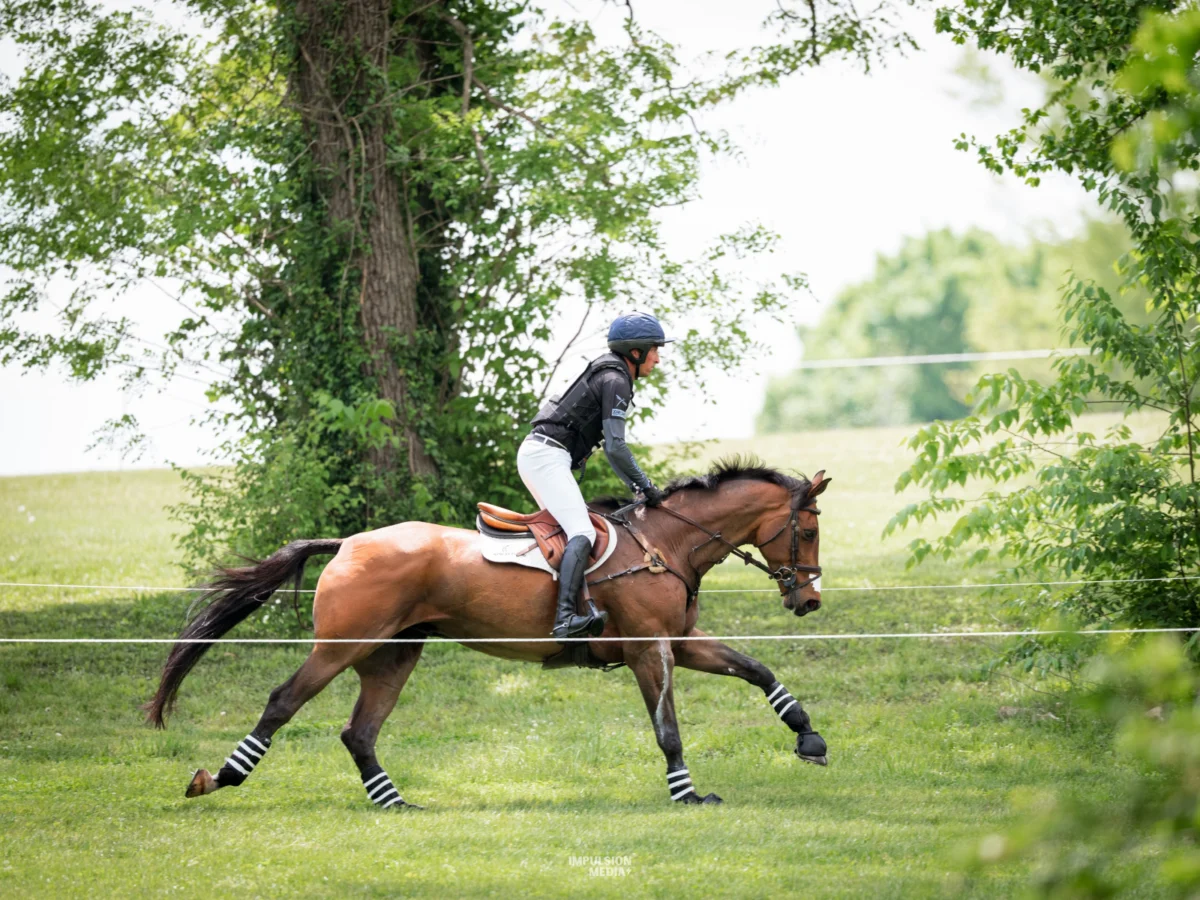
Eventing, often described as an equestrian triathlon, combines the disciplines of dressage, cross-country, and show jumping. The cross-country phase, with its demanding fixed obstacles and high speeds, is inherently the most high-risk element, thrilling spectators but also posing the greatest potential for serious accidents. Over the decades, the sport has continually evolved in its approach to safety, driven by a desire to preserve its integrity while safeguarding its participants.
Historically, safety improvements have often been reactionary, prompted by tragic incidents. However, the modern approach emphasizes proactive risk management and continuous improvement. Key advancements have included the introduction of frangible fences, designed to collapse on impact rather than remain rigid, thereby reducing rotational falls. The mandatory use of body protectors and MIPS (Multi-directional Impact Protection System) helmets, along with stricter medical and veterinary supervision at events, are other examples of significant safety enhancements. Rule changes have also played a role, such as modifications to course design, optimum times, and qualification requirements for both horses and riders.
Despite these efforts, serious incidents, though statistically rare compared to the vast number of rides, continue to occur, reminding the community that the pursuit of ultimate safety is an ongoing journey. The very nature of eventing, pushing the boundaries of athleticism and courage, means that risk can never be entirely eliminated. However, the objective of this commission is to ensure that every avoidable risk is identified and mitigated.
Data-Driven Approach and Scope of the Review
A cornerstone of the commission’s work will undoubtedly be a rigorous, data-driven analysis of incident reports, injury statistics, and veterinary records. Understanding the precise circumstances leading to falls, injuries, and fatalities is critical for identifying patterns, systemic issues, and areas requiring targeted intervention. This will likely involve:
- Incident Reporting and Analysis: Evaluating the current systems for reporting accidents, assessing their comprehensiveness, and analyzing historical data to identify common causes and contributing factors. This could include examining the type of fences involved, phase of competition, ground conditions, rider experience, and horse characteristics.
- Course Design and Construction: A detailed review of cross-country course design principles, fence construction materials, safety devices (e.g., frangible pins, MIM clips), and course profiling to ensure they are appropriate for different levels of competition and minimize risk.
- Rider and Horse Training and Qualification: Examining the pathways for rider development, coaching standards, and the qualification requirements for both horse and rider to compete at various levels. This may include assessing fitness, skill levels, and preparedness.
- Equipment Standards: A review of personal protective equipment (helmets, body protectors, air vests) and horse equipment (tack, studs) to ensure they meet the highest safety standards and are used correctly.
- Medical and Veterinary Protocols: Assessing the adequacy of medical and veterinary provision at events, including response times, emergency procedures, and post-incident care for both human and equine athletes.
- Rules and Regulations: A comprehensive look at the existing rulebook, identifying any ambiguities or areas where rules could be strengthened to enhance safety without compromising the sport’s essence.
- Ground Conditions: Investigating the impact of ground conditions on safety and the measures taken to manage them effectively.
- Human Factors: Considering the psychological aspects of competition, including rider pressure, decision-making under stress, and the culture surrounding risk-taking.
The "comprehensive" nature of the review suggests that no stone will be left unturned, ensuring that a holistic picture of safety in British eventing is developed.
Stakeholder Engagement and Expected Outcomes
The success of the commission will hinge on its ability to engage effectively with a broad spectrum of stakeholders. This engagement is crucial not only for gathering diverse perspectives and expertise but also for building consensus around potential recommendations. Key groups expected to contribute include:
- Riders: From grassroots competitors to elite international athletes, riders’ experiences and insights are invaluable.
- Owners: Those who invest in and care for the equine athletes.
- Trainers and Coaches: Professionals responsible for preparing horses and riders for competition.
- Course Designers and Builders: Experts in the technical aspects of cross-country courses.
- Officials: Judges, technical delegates, and safety officers who oversee events.
- Veterinary Professionals: Equine vets with expertise in sports medicine and emergency care.
- Medical Professionals: Doctors and paramedics experienced in event first aid and trauma.
- Manufacturers: Companies producing safety equipment, tack, and course materials.
- Governing Bodies: Representatives from British Eventing, British Equestrian Federation, and potentially the FEI (Fédération Équestre Internationale) to ensure alignment with international standards.
- Parents and Families: Those directly impacted by the sport’s risks.
- Welfare Organisations: Groups advocating for horse welfare.
The commission is expected to produce a detailed report outlining its findings and a series of actionable recommendations. These recommendations could range from minor adjustments to significant policy shifts, potentially influencing areas such as:
- Revised Training Protocols: Enhanced mandatory training for riders, officials, and course designers.
- Advanced Equipment Standards: New specifications or mandatory usage of safety equipment.
- Innovations in Course Design: Development and implementation of new safety features for fences.
- Improved Data Collection and Research: Investment in better systems for tracking incidents and funding scientific research into safety.
- Refined Rules and Regulations: Updates to the British Eventing rulebook to reflect best practices in safety.
Reactions from the Equestrian Community
The establishment of this independent commission has been met with a generally positive reception within the equestrian community. While eventing enthusiasts recognize the inherent risks of the sport, there is a collective desire to ensure that every possible measure is taken to protect both horse and rider. Many view this initiative as a necessary and proactive step, demonstrating British Eventing’s commitment to continuous improvement.
Riders, trainers, and owners have expressed hope that the commission will conduct a truly objective and thorough review, listening to all voices and drawing on the latest scientific and technical expertise. There is an anticipation that the findings will lead to tangible, implementable changes that further enhance the safety culture of the sport without unduly compromising its competitive spirit or accessibility. Welfare advocates, in particular, will be keen to see a strong emphasis on horse welfare throughout the review process, acknowledging that a safe sport for riders is inextricably linked to the well-being of their equine partners.

Broader Implications for British and Global Eventing
The outcomes of this comprehensive review are likely to have far-reaching implications, not only for British eventing but potentially for the sport on a global scale. Britain has a significant influence in the equestrian world, particularly in eventing, being home to some of the sport’s most prestigious events and many top athletes. As such, any significant safety innovations or policy changes adopted in Britain could serve as a model for other national federations and even inform future decisions by the FEI.
Enhanced safety measures could help to maintain and even boost participation levels by reassuring prospective riders and their families about the sport’s commitment to welfare. It could also positively impact the sport’s public image, demonstrating a responsible approach to managing risk in a high-octane discipline. Economically, while some safety enhancements might require initial investment (e.g., new equipment, course modifications), the long-term benefits of reduced incidents, lower insurance premiums, and sustained participation could be substantial.
Furthermore, a strengthened safety framework contributes to the overall sustainability of the sport. As societal expectations regarding animal welfare and participant safety continue to evolve, eventing must demonstrate its adaptability and commitment to best practices to secure its future. The commission’s work is a vital step in this ongoing process, ensuring that the thrill and tradition of eventing can be enjoyed responsibly for generations to come.
Looking Ahead: From Recommendations to Implementation
Following the completion of its review, the independent commission will present its findings and recommendations. The subsequent phase will involve careful consideration and, crucially, the implementation of these recommendations by British Eventing and other relevant bodies. This implementation process will require clear communication, effective governance, and potentially significant resource allocation.
The timeline for this extensive undertaking has not been definitively stated, but given the depth and breadth of the review, it is expected to be a multi-month process, culminating in a report that will shape the future trajectory of safety in British eventing. The equestrian community will watch closely, hopeful that this initiative will mark another pivotal moment in the sport’s continuous evolution towards a safer, more sustainable, and equally thrilling future. The commitment to reducing avoidable risk is a testament to the sport’s enduring values and its dedication to the welfare of its magnificent equine and human athletes.