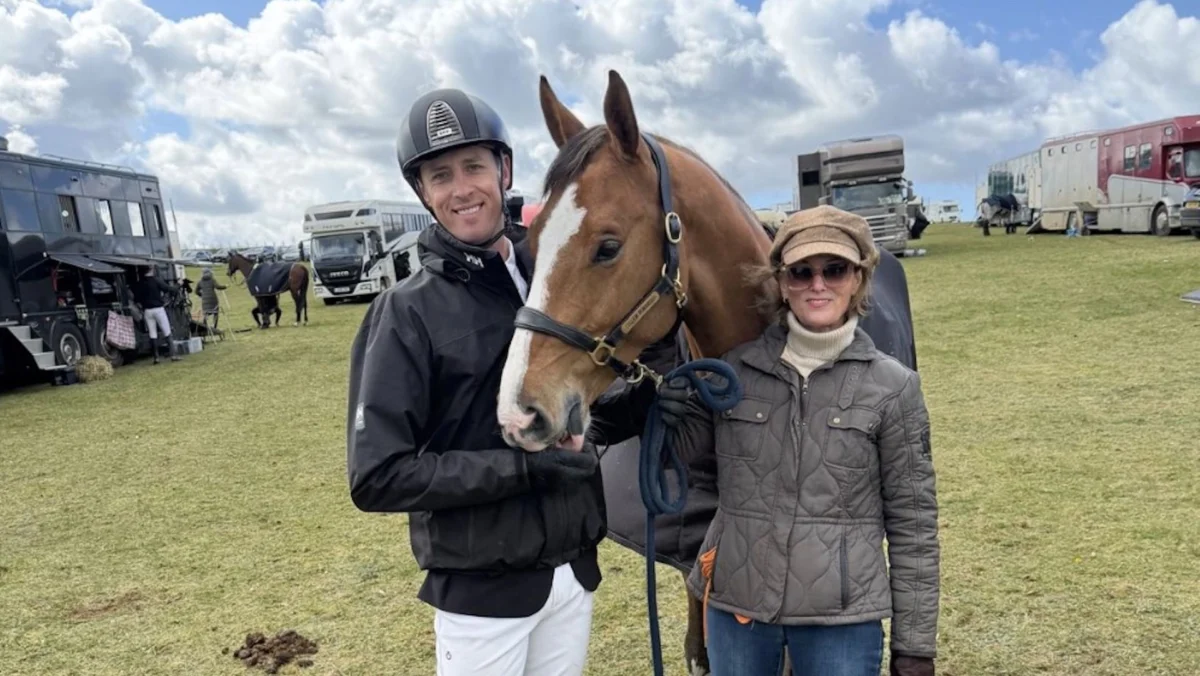
In a significant move demonstrating profound commitment to British elite sport, entrepreneur Joanna Jensen made a pivotal investment in a new equine partner for Paralympic dressage sensation Natasha Baker CBE, ahead of the Tokyo Paralympics. This strategic financial backing underscores the critical need for private sponsorship in para-equestrianism, enabling athletes of Baker’s calibre to secure top-tier horses essential for international competition. Jensen’s decision was rooted in a long-standing connection with Baker through the Riding for the Disabled Association (RDA) and a deep-seated belief in supporting Britain’s most talented riders, particularly those facing the unique financial hurdles inherent in Paralympic sports.
The narrative of elite equestrian sport is frequently intertwined with substantial financial investment, a reality amplified within the Paralympic sphere. Athletes often navigate complex challenges in acquiring, training, and maintaining horses capable of competing at the highest level. For Paralympians, these challenges are often compounded by additional considerations, such as the need for highly adaptable horses that can accommodate specific rider requirements, and the often-limited public funding streams compared to able-bodied disciplines. It was against this backdrop that Natasha Baker, a multi-medalled Paralympic champion, found herself seeking a new equine partner to continue her formidable journey towards Tokyo. Her call to Joanna Jensen, a prominent figure known for her entrepreneurial success and philanthropic interests, marked the beginning of a crucial partnership. Jensen, acknowledging the immense pressure on para-athletes to secure such vital resources, swiftly agreed to provide the necessary financial backing.
The Catalyst: A Champion’s Urgent Need
Natasha Baker CBE has long been a beacon of excellence in para-dressage. With an illustrious career already boasting multiple Paralympic gold and silver medals from London 2012 and Rio 2016, her ambition for Tokyo remained undimmed. However, the path to another Paralympic Games is never straightforward. A key component of any successful equestrian campaign is the horse itself – a highly trained, sensitive, and athletic partner. The demands of Paralympic dressage require a horse with exceptional temperament, advanced training, and physical soundness to perform intricate movements in sync with a rider whose physical capabilities may differ. As the Tokyo cycle progressed, Baker identified the critical need for a new mount that possessed the specific qualities to contend for medals on the world stage. The search for such a horse is a rigorous and expensive undertaking, involving extensive trials, veterinary examinations, and ultimately, a significant financial outlay. Without external support, the dream of competing at the pinnacle of her sport could have remained out of reach.
Joanna Jensen’s Philanthropic Vision and Equestrian Roots
Joanna Jensen’s decision to invest was not merely a financial transaction but a reflection of her personal values and understanding of the equestrian world. Her connection to Natasha Baker dates back years, forged through their shared involvement with the Riding for the Disabled Association. The RDA is a charity close to Jensen’s heart, providing life-changing opportunities for individuals with disabilities through horse riding and carriage driving. This personal insight into the transformative power of horses and the dedication of riders like Baker undoubtedly informed her willingness to step in.
Beyond her philanthropic endeavours, Jensen is widely recognised as the founder of Child’s Farm, a highly successful natural skincare brand. Her business acumen, combined with a compassionate approach, has defined her professional journey. This background provided her with a unique perspective on the challenges faced by Paralympians. She articulated two primary reasons for her support: the immense difficulty Paralympians encounter in securing elite rides without robust financial backing, and a profound conviction that Britain’s elite athletes, especially those representing the nation on the global stage, deserve unequivocal support. This philosophy aligns with a broader movement within the UK to foster a supportive ecosystem for sports excellence, recognising that national pride and inspiration are intrinsically linked to the success of its athletes.
The Crucial Role of Sponsorship in Para-Equestrianism
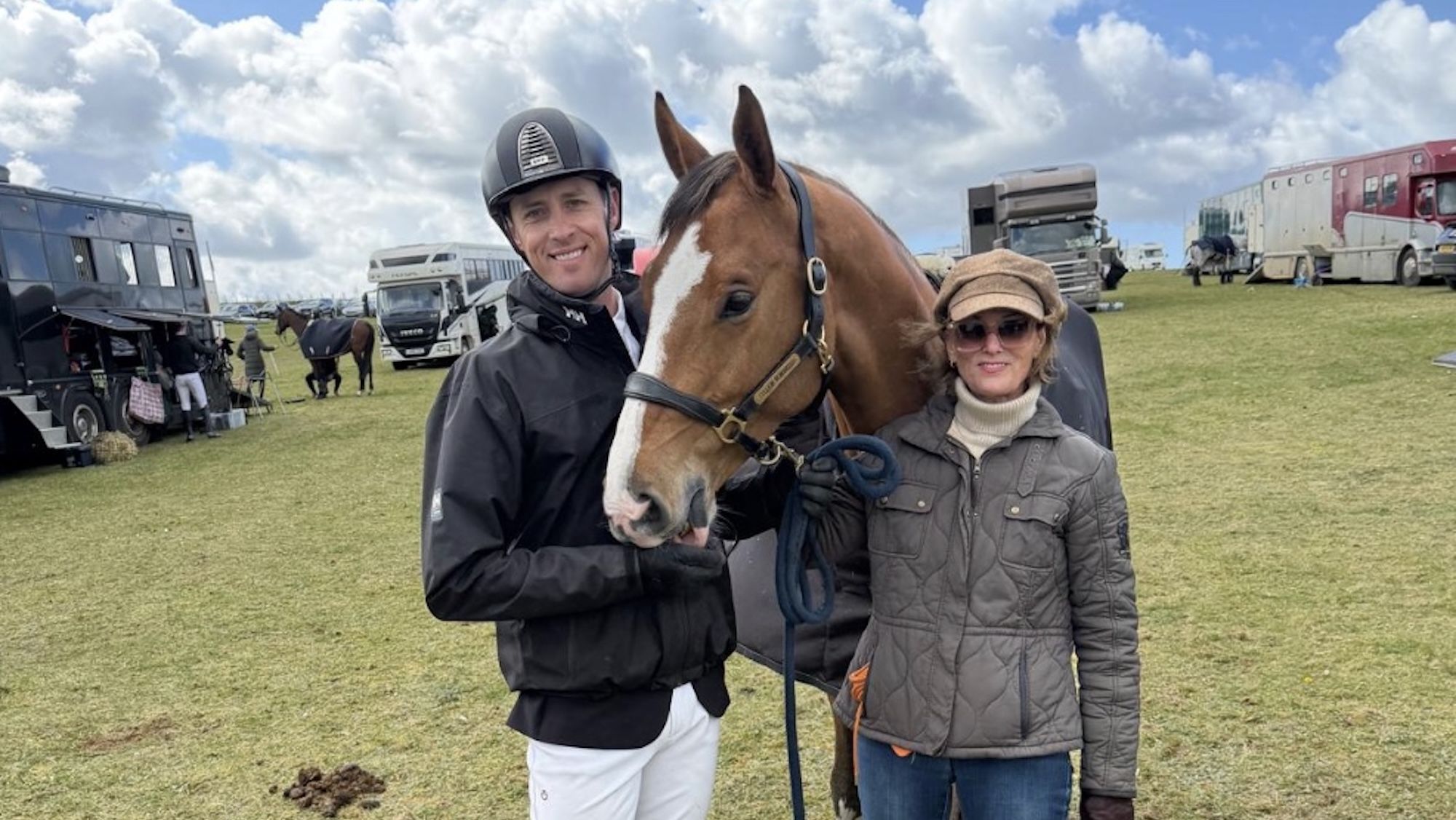
The financial landscape of elite equestrian sport is notoriously challenging, and for para-equestrianism, these hurdles are often magnified. Unlike some mainstream sports with lucrative sponsorship deals and extensive prize money, dressage, particularly at the Paralympic level, relies heavily on private investment and philanthropic contributions. The costs associated with competing at the highest level are staggering:
- Acquisition of Elite Horses: A Grand Prix-level dressage horse, or one capable of Paralympic success, can command prices ranging from tens of thousands to well over a million pounds, depending on pedigree, training, and competition record.
- Training and Livery: Monthly expenses for professional livery, tailored training programmes, and coaching from world-class trainers can run into thousands of pounds. This includes specialist farriery, physiotherapy, and dietary management.
- Veterinary Care: High-performance horses require intensive veterinary care, including regular check-ups, preventative treatments, and often, specialist interventions to maintain peak physical condition.
- Equipment: Specialised saddles, bridles, and tack, sometimes adapted for para-riders, represent a significant upfront cost.
- Competition Costs: Entry fees for national and international competitions, transport (often requiring bespoke horseboxes), accommodation for rider and support staff, and international travel expenses for major championships like the Paralympics, all contribute to substantial outgoings.
- Support Staff: An elite rider typically requires a dedicated team including grooms, physiotherapists, and trainers, whose expertise is invaluable.
For Paralympians, these costs are often exacerbated by the need for specific adaptations and a smaller pool of readily available horses that meet both the physical and temperamental requirements. Government funding, while present, often cannot cover the entirety of these costs, making private patronage indispensable. Jensen’s investment, therefore, was not just about one athlete but served as a powerful testament to the wider need for sustainable funding models in para-sport.
Natasha Baker CBE: A Legacy Forged in Determination
Natasha Baker’s journey to the pinnacle of para-dressage is one of remarkable resilience and talent. Born with transverse myelitis, a rare inflammation of the spinal cord that affects her leg and arm movement, she began riding at the age of eight through the RDA. It was here that her passion and innate talent for equestrianism were nurtured. Her disability did not deter her; instead, it fueled her determination to excel.
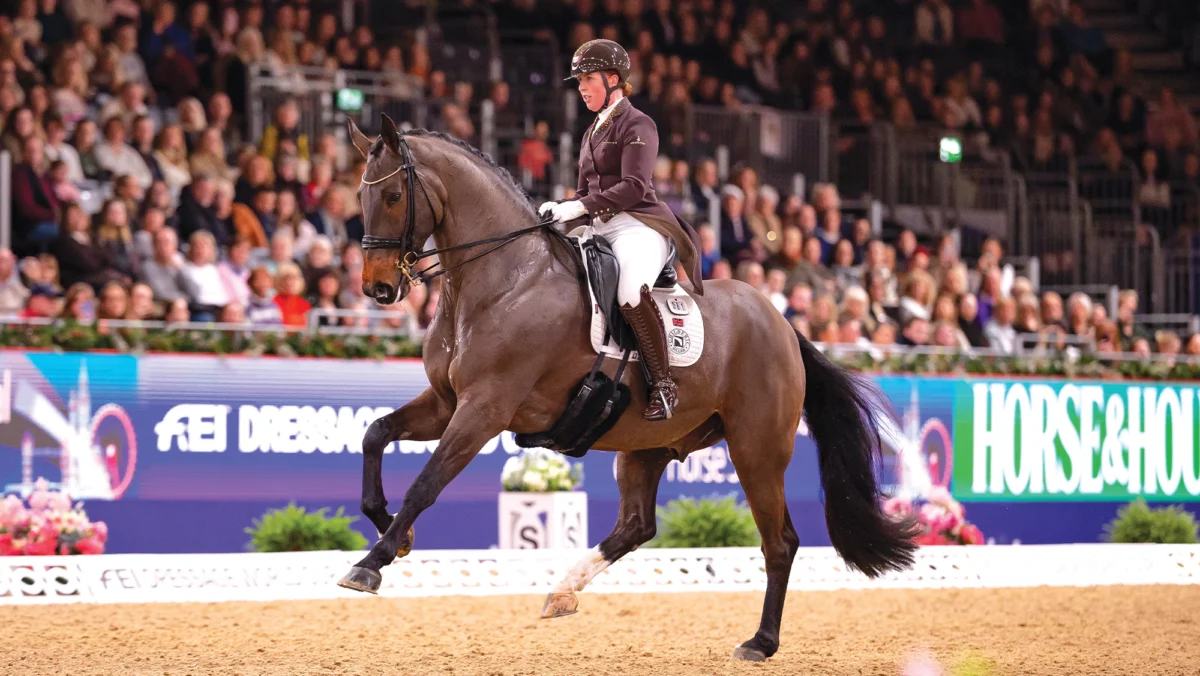
Her competitive debut on the international stage quickly established her as a formidable force. At the London 2012 Paralympics, Baker, riding Cabral ("JP"), secured two individual gold medals, captivating the home crowd with her harmonious performances. She continued her dominance at the Rio 2016 Paralympics, adding three more gold medals to her collection, riding the magnificent Utopia ("Lottie"). By the time Tokyo approached, Baker was a household name within the equestrian community, renowned for her elegant riding, deep connection with her horses, and unwavering focus. Her quest for a new equine partner for Tokyo was critical to maintaining this trajectory of success. While the specific horse acquired through Jensen’s investment was not named in the initial snippet, it enabled Baker to prepare with Mount St John Freestyle ("Freestyle") and Keystone Dawn Chorus ("Lottie"), horses that eventually carried her to further Paralympic glory.
The Road to Tokyo: Navigating Unprecedented Challenges
The preparation for the Tokyo 2020 Paralympics (held in 2021 due to the COVID-19 pandemic) presented an unprecedented set of challenges for athletes worldwide. For equestrians, the disruption to training schedules, international competitions, and travel posed significant hurdles. Natasha Baker, like many others, had to adapt her routine, maintain peak fitness for her horses, and ensure they remained competition-ready despite the uncertainties. Jensen’s investment provided a vital buffer during this period, ensuring that Baker had the resources to continue her training and maintain her horses’ welfare without additional financial strain. This stability allowed Baker to focus on developing a strong partnership with her chosen mount, refining their performances, and adapting to the specific demands of the Tokyo venue. The partnership between horse and rider is paramount in dressage, requiring months, if not years, of meticulous training and trust-building. Having a secure financial foundation allowed this crucial bond to flourish undisturbed.
Tokyo Paralympic Games: Triumph and Inspiration
At the Tokyo 2020 Paralympic Games, Natasha Baker once again delivered an outstanding performance, reaffirming her status as one of the world’s leading para-dressage riders. Partnering with Mount St John Freestyle, she secured two individual gold medals and a team gold medal, adding three more prestigious accolades to her already impressive haul. This remarkable achievement not only brought immense pride to Great Britain but also served as a powerful testament to the effectiveness of strategic investments like Joanna Jensen’s. The medals were a culmination of years of hard work, dedication, and the essential support that enabled Baker to compete with a horse of exceptional quality. Her success at Tokyo, against the backdrop of global challenges, highlighted the resilience of the human spirit and the profound impact of well-placed patronage.
Beyond Tokyo: A Lasting Legacy and Broader Implications
The impact of Joanna Jensen’s investment extends far beyond Natasha Baker’s Tokyo medals. It serves as a powerful case study for the vital role of private sponsorship in nurturing elite Paralympic talent.
- Athlete Empowerment: Such investments empower athletes, alleviating financial stress and allowing them to focus entirely on training and performance. This holistic support is crucial for mental and physical well-being.
- Raising Standards: By enabling athletes to acquire and train with top-class horses, it raises the overall standard of competition within para-equestrianism, pushing boundaries and inspiring others.
- Role Model Effect: Partnerships like this create positive role models, demonstrating how individuals and businesses can make a tangible difference in supporting sports. It might encourage other potential patrons to consider similar investments.
- Sustainability of the Sport: For sports that do not command massive commercial revenues, private patronage is often the lifeblood that ensures their continued growth and competitiveness on the international stage. It contributes to a more sustainable future for para-equestrianism.
- National Pride and Inspiration: The success of British Paralympians instils national pride and inspires future generations of athletes, both able-bodied and disabled, to pursue their dreams. It showcases the transformative power of sport.
The Enduring Connection: Riding for the Disabled Association (RDA)
The Riding for the Disabled Association played a foundational role in both Joanna Jensen’s motivation and Natasha Baker’s journey. For Baker, the RDA was where she first experienced the joy and therapeutic benefits of riding, discovering her innate connection with horses. It provided her with the early opportunities to develop her skills and confidence, proving that disability is not a barrier to equestrian excellence. For Jensen, her long-standing association with the RDA has given her a unique insight into the profound impact horses can have on individuals with disabilities. This shared connection deepened her understanding of Baker’s needs and solidified her resolve to offer support. The RDA continues to be a crucial organisation, not only providing therapeutic and recreational riding but also acting as a springboard for talented riders like Baker, demonstrating its dual role in welfare and talent identification.
Supporting British Equestrian Talent: A National Imperative
The broader ecosystem of British equestrian sport, encompassing both able-bodied and Paralympic disciplines, thrives on a delicate balance of public funding (such as through UK Sport and the National Lottery), commercial sponsorships, and private patronage. While national governing bodies work tirelessly to secure resources, individual contributions often fill critical gaps, particularly in disciplines where the costs are exceptionally high, such as equestrianism.
Joanna Jensen’s investment in Natasha Baker’s Tokyo campaign exemplifies the powerful synergy that can be created when private wealth aligns with national sporting ambition. It highlights that supporting Britain’s elite riders is not just about financial aid but about fostering a culture of excellence, resilience, and opportunity. As the equestrian world looks towards future major championships, the success story of Natasha Baker and her vital support from Joanna Jensen will undoubtedly serve as an inspiring precedent, encouraging further partnerships that propel British equestrian talent to continued global acclaim. Such philanthropic gestures are fundamental to ensuring that talent, rather than financial constraint, remains the ultimate determinant of success in the highly competitive arena of international sport.