The Oregon Department of Agriculture (ODA) has recently notified the Equine Disease Communication Center (EDCC) of newly confirmed and suspected cases of Pigeon Fever, a bacterial infection affecting equids, across two central Oregon counties. In Crook County, one horse has received a positive diagnosis for Corynebacterium pseudotuberculosis, with two additional horses identified as exposed to the pathogen. Concurrently, Deschutes County has reported one confirmed positive case, two suspected positive cases, and a significant cohort of 19 horses exhibiting exposure to the infection. These reports underscore the persistent presence of the disease in the region and highlight the critical need for heightened vigilance and stringent biosecurity measures among horse owners and equine professionals.
Understanding Pigeon Fever: The Equine Threat
Pigeon Fever, medically known as dryland distemper or equine ulcerative lymphangitis, is a bacterial infection caused by Corynebacterium pseudotuberculosis. This gram-positive bacterium is endemic in many parts of the western and southwestern United States, thriving in dry, dusty environments. The common name "Pigeon Fever" derives from the characteristic large abscesses that frequently form on the horse’s pectoral region, giving the chest a swollen, pigeon-breasted appearance. However, abscesses can develop in various locations, including the ventral abdomen, udder, sheath, and limbs. Less commonly, but more severely, internal abscesses can form in organs such as the liver, spleen, or lungs, posing a significantly graver prognosis.
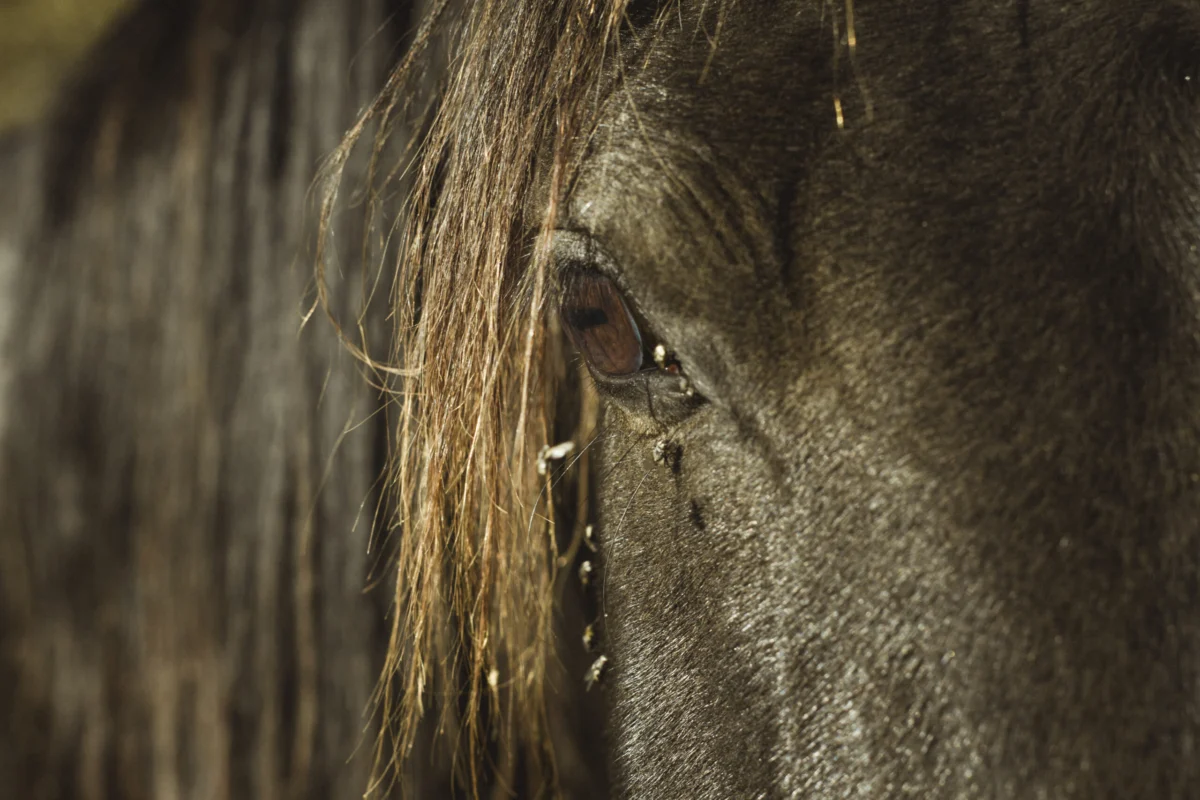
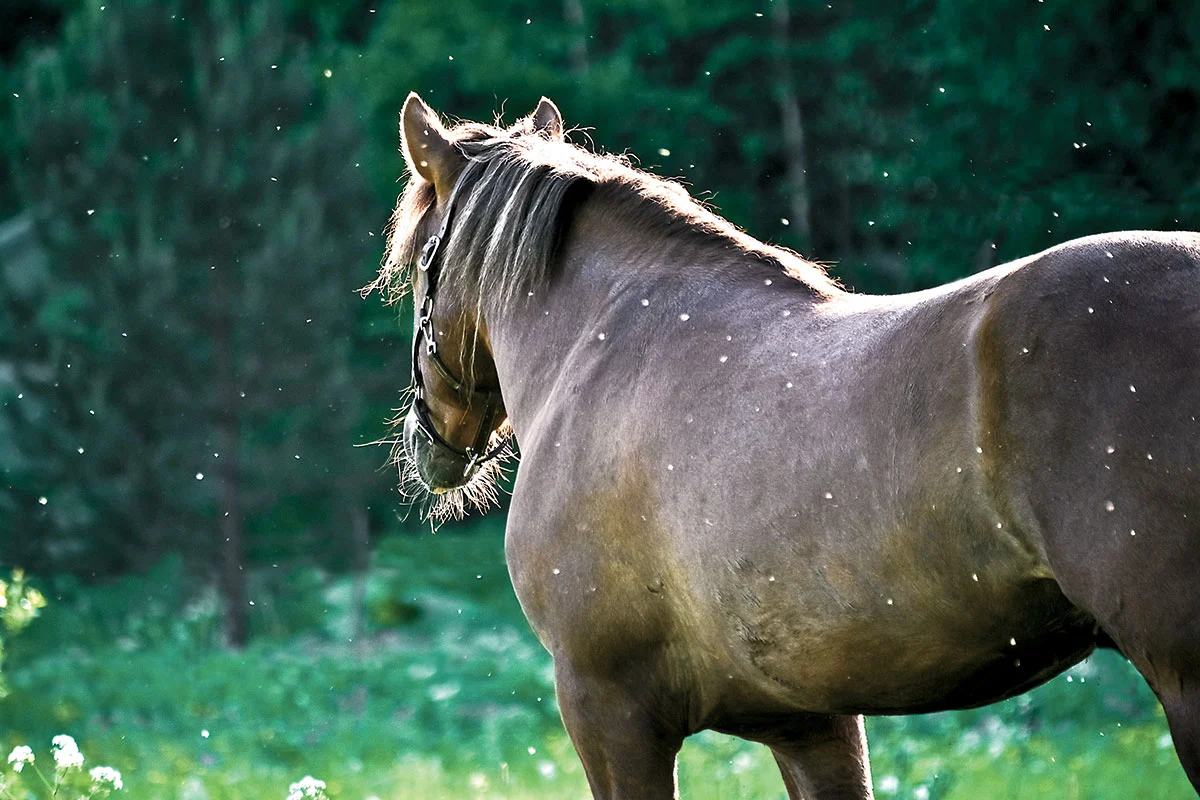
Horses primarily contract the infection when the bacteria enter the body through compromised skin, such as minor scrapes, cuts, or insect bites. Flies, particularly horn flies and stable flies, are well-established mechanical vectors, capable of picking up the bacteria from contaminated soil or draining abscesses and subsequently transmitting it to other horses. The bacteria can survive in the soil for extended periods, especially under dry conditions, making environmental control a crucial aspect of prevention. Peak season for new infections typically spans late summer through fall, coinciding with warmer temperatures, increased fly populations, and often drier conditions that can lead to more superficial skin abrasions.
Clinical signs of Pigeon Fever can vary depending on the location and extent of the abscesses. Besides the characteristic swelling, affected horses may exhibit lameness, fever, lethargy, loss of appetite, and weight loss. Diagnosis typically involves a veterinarian examining the horse, aspirating fluid from suspected abscesses, and submitting samples for bacterial culture and sensitivity testing. Blood tests, such as the synergistic hemolysin inhibition (SHI) test, can also aid in diagnosis, particularly for internal forms of the disease.
Treatment primarily focuses on the maturation, incision, and drainage of external abscesses. This process must be carefully managed by a veterinarian to ensure complete drainage and prevent further spread of the bacteria. Following drainage, the abscess cavity is often flushed with antiseptic solutions. While antibiotics are sometimes used, particularly for internal abscesses or complicated cases, their efficacy against C. pseudotuberculosis within abscesses can be limited due to poor penetration into the necrotic tissue. Supportive care, including pain management and anti-inflammatory drugs, is also crucial for the horse’s comfort and recovery. Due to the highly contagious nature of the bacteria within the pus, strict biosecurity protocols are paramount during treatment to prevent environmental contamination and transmission to other animals.
Geographical Context and Chronology of the Current Outbreak
Crook and Deschutes Counties are situated in the high desert region of Central Oregon, characterized by its unique climate and a strong presence of agricultural activities, including horse ownership and equestrian pursuits. This environment, with its often dry and dusty conditions during certain seasons, aligns with the typical ecological niche where Corynebacterium pseudotuberculosis thrives. The reporting of both confirmed and suspected cases, alongside a notable number of exposed animals, suggests active transmission within these localized equine populations.
While the EDCC report provides a snapshot of the current situation, the progression of a Pigeon Fever outbreak typically follows a discernible pattern. Initially, horse owners or caretakers observe clinical signs, such as swelling or lameness, prompting veterinary consultation. Local veterinarians then conduct examinations and diagnostic tests. Once laboratory confirmation of Corynebacterium pseudotuberculosis is received, often from the Oregon Veterinary Diagnostic Laboratory at Oregon State University, the cases are reported to the ODA. The ODA, as the state’s animal health authority, then aggregates this data and transmits it to national surveillance systems like the EDCC. This collaborative reporting mechanism ensures that timely and verified information is disseminated to the broader equine community, enabling proactive preventative measures.
The specific timeline for the current cases in Crook and Deschutes Counties is not detailed in the initial report, but it can be inferred that these cases represent recent diagnoses and exposures, likely occurring within the peak infection window of late summer to early fall. Historically, Pigeon Fever has been an ongoing concern in Oregon and other western states. While not always reaching epidemic proportions, localized outbreaks are a regular occurrence, necessitating continuous surveillance and owner education. The identification of multiple exposed horses, particularly the 19 in Deschutes County, suggests a communal or shared environment where the pathogen has circulated, emphasizing the need for comprehensive screening and quarantine protocols for any animals showing signs of illness or having been in contact with confirmed cases.
The Role of the Equine Disease Communication Center (EDCC)
The Equine Disease Communication Center (EDCC) plays an indispensable role in safeguarding equine health across North America. As an independent nonprofit organization, the EDCC serves as a central hub for collecting and disseminating verified information regarding infectious disease outbreaks in horses. It acts as a critical communication bridge between state animal health officials, veterinarians, and the wider equine industry, including horse owners, trainers, and event organizers.
The EDCC’s mission is to provide open access to timely and accurate infectious disease information, enabling stakeholders to make informed decisions regarding biosecurity, travel, and event participation. This proactive approach helps to mitigate the spread of diseases, protect the welfare of horses, and reduce the economic impact of outbreaks. The organization’s operations are sustained through industry donations, reflecting a collective commitment to equine health surveillance and preparedness. The "EDCC Health Watch," an Equine Network marketing program, further amplifies the reach of these verified reports, ensuring that vital information reaches a broad audience of horse enthusiasts and professionals. Without such a centralized reporting and dissemination system, the equine industry would face significant challenges in responding effectively to disease threats like Pigeon Fever.
Official Responses and Industry Vigilance
The Oregon Department of Agriculture’s prompt reporting of these cases to the EDCC demonstrates its commitment to animal health surveillance and public transparency. While specific statements from ODA officials regarding these particular cases were not provided in the initial brief, their standard operating procedures involve continuous monitoring of animal health within the state, collaborating with private veterinarians, and providing guidance on disease control and prevention. It is highly probable that the ODA is actively working with local veterinarians in Crook and Deschutes Counties to assess the extent of the outbreak, advise on management strategies, and ensure compliance with biosecurity recommendations.
Local veterinarians in the affected areas are at the forefront of the response, responsible for diagnosing new cases, treating affected animals, and educating their clients on preventative measures. They serve as crucial conduits for information, often being the first point of contact for concerned horse owners. Their expertise in identifying early signs of the disease and implementing effective treatment and isolation protocols is vital in containing the spread.
Equine industry organizations and horse owner associations across Oregon are also expected to reinforce messaging around biosecurity. These groups often play a significant role in disseminating official advisories and encouraging their members to adhere to best practices for disease prevention. The collective response from state authorities, veterinary professionals, and the equine community is essential to manage the current situation and minimize future risks.
Broader Impact and Critical Implications
The confirmed and suspected cases of Pigeon Fever in Central Oregon carry several broader implications for the equine community.
Economic Impact
Pigeon Fever can impose significant economic burdens on horse owners. Veterinary costs for diagnosis, treatment (including repeated abscess drainage and potential antibiotic courses), and supportive care can accumulate rapidly. Beyond direct medical expenses, there can be indirect costs such as lost training time for performance horses, inability to attend shows or competitions, and potential decreased market value for affected animals. In cases of widespread outbreaks, equine events might face cancellations or reduced participation, impacting local economies that rely on equestrian tourism and activities.
Animal Welfare Concerns
The formation of large, painful abscesses significantly impacts the welfare of affected horses. They can experience discomfort, lameness, and systemic illness, leading to reduced quality of life during the course of the disease. Early detection and prompt, appropriate veterinary intervention are crucial to minimize suffering and facilitate recovery. The potential for internal abscesses, which are more difficult to diagnose and treat, underscores the severity of the disease in some instances and the importance of thorough veterinary care.
Enhanced Biosecurity Mandates
The reports serve as a critical reminder of the ongoing threat posed by endemic diseases and reinforce the necessity of robust biosecurity practices. For horse owners, these practices are not merely suggestions but essential tools for protecting their animals and preventing disease transmission. Key biosecurity measures include:
- Effective Fly Control: Implementing comprehensive fly control programs is paramount, given their role as mechanical vectors. This includes using fly masks, repellents, traps, and ensuring proper manure management to reduce fly breeding sites.
- Prompt Wound Care: Thoroughly cleaning and treating even minor cuts, scrapes, and abrasions immediately can prevent bacterial entry points.
- Isolation of Affected Horses: Any horse suspected or confirmed to have Pigeon Fever should be immediately isolated from other equids to prevent direct or indirect transmission. This includes separate stalls, pastures, and equipment.
- Disinfection Protocols: Regularly cleaning and disinfecting stalls, grooming tools, tack, and feeding equipment, especially after use on an affected horse, is vital. Pus from abscesses is highly contaminated and should be safely disposed of to prevent environmental contamination.
- Handler Hygiene: Individuals handling affected horses should wear gloves, wash hands thoroughly, and change clothing and footwear before interacting with other healthy animals.
- Environmental Management: Reducing dusty conditions in paddocks and arenas can minimize skin irritations and potential entry points for bacteria.
- Veterinary Consultation: Horse owners should contact their veterinarian immediately if they suspect their animal is affected. Early diagnosis and treatment are key to successful outcomes and preventing spread.
- Vaccination: While not universally effective or widely used, a vaccine for Corynebacterium pseudotuberculosis is available in some regions. Owners should discuss its suitability with their veterinarian based on local prevalence and individual horse risk factors.
Community Preparedness and Education
The EDCC’s dissemination of these reports plays a crucial role in fostering community preparedness. By raising awareness, it encourages horse owners, barn managers, and event organizers to review and strengthen their biosecurity plans. Educational efforts, often spearheaded by state agriculture departments and veterinary associations, help to ensure that all stakeholders understand the disease, its transmission, and the best practices for prevention and control.
Looking ahead, continued surveillance by the ODA, proactive engagement from the veterinary community, and diligent adherence to biosecurity protocols by horse owners will be crucial in managing the current outbreak and mitigating future occurrences of Pigeon Fever in Oregon. The collective health of the equine population relies on informed action and a unified approach to disease prevention.