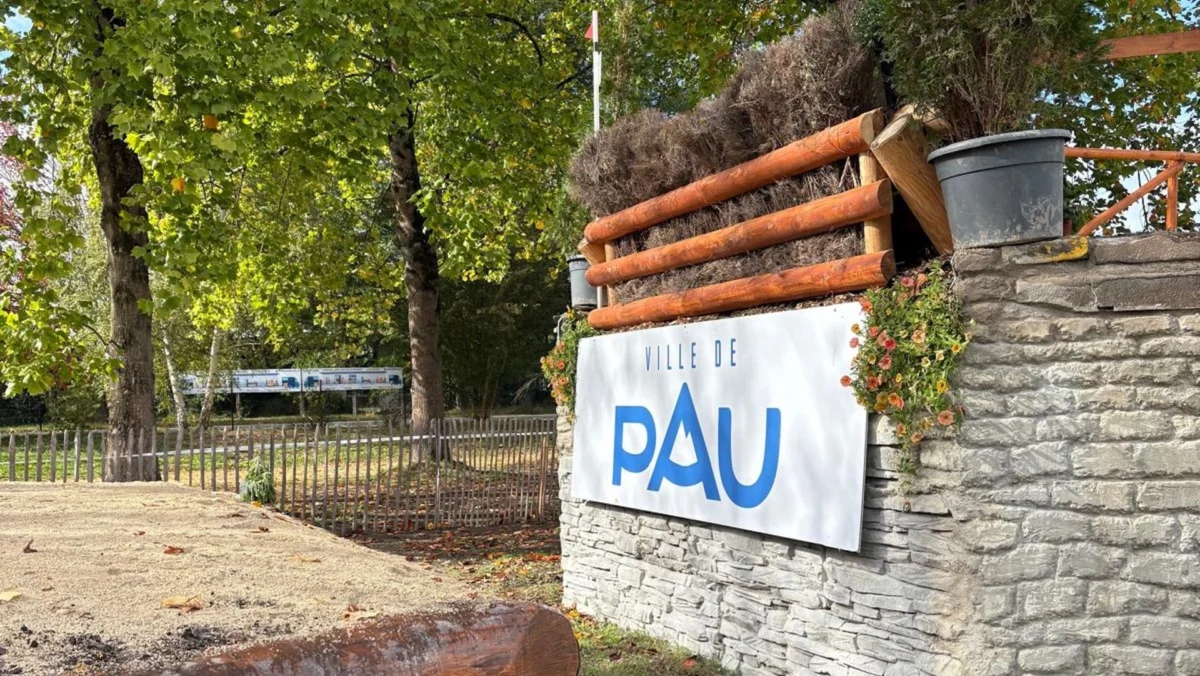
The equestrian world converges on Pau, France, for what promises to be a gripping four-star event, shaped by the distinctive cross-country course design of Pierre Michelet and the formidable influence of Storm Austen. A general consensus among competitors and spectators alike points to Michelet’s track as a quintessential test of bold riding, characterized by its flat and fast nature, yet punctuated by strategically placed 180-degree turn-backs designed to disrupt rhythm and momentum. Simultaneously, while northern France endures the full brunt of Storm Austen, Pau, nestled in the south, experiences its effects through blustery conditions and persistent rain, creating an additional layer of complexity for the athletes and their mounts. Despite the challenging weather, typical autumnal conditions prevail, and critically, a preceding dry summer has left the ground capable of absorbing substantial amounts of water, potentially mitigating the risk of excessively heavy or boggy footing.
The Architect’s Vision: Pierre Michelet’s Pau Design Philosophy
Pierre Michelet stands as one of eventing’s most revered and recognizable cross-country course designers, a craftsman whose creations consistently challenge riders to balance speed with precision, and courage with control. His signature style is deeply ingrained in the Pau track, a course that spans approximately 6,200 meters with an optimum time hovering around 10 minutes and 50 seconds, featuring close to 45 jumping efforts spread across various natural and artificial obstacles. Michelet’s courses are rarely about brute force; instead, they demand nuanced horsemanship, tactical foresight, and an unwavering connection between horse and rider.
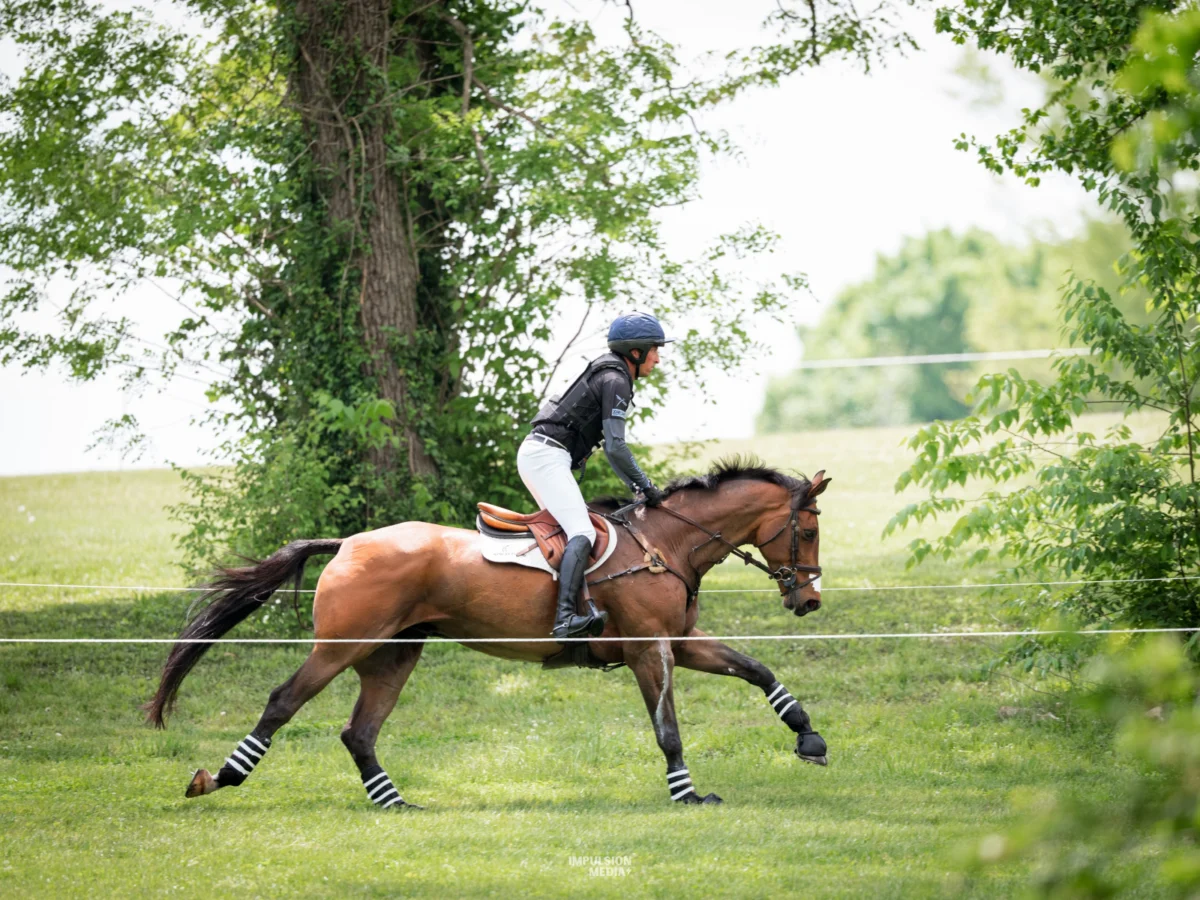
The "flat and fast" description of the Pau course belies the intricate questions Michelet poses. While the terrain itself might not offer the undulating challenges found at other 5* venues, the designer compensates with complex technical combinations. The inclusion of several 180-degree turn-backs is a prime example of this intellectual approach. These aren’t merely changes of direction; they are calculated disruptions. A horse and rider combination, having built significant momentum on a fast gallop, must suddenly decelerate, rebalance, and execute a sharp turn before approaching the next element. This sequence tests a horse’s agility and responsiveness, and a rider’s ability to maintain control and precision under pressure. Any loss of balance or misjudgment of pace can lead to run-outs, refusals, or costly time penalties. Riders often describe these turns as "momentum killers," requiring a deep understanding of their horse’s stride and adjustability. The implication is clear: while speed is essential, uncontrolled speed will be severely penalized. This design philosophy rewards a rider who can push the boundaries of pace while retaining the finesse required for intricate maneuvers.
*Pau: A Prestigious 5 Event in the Global Calendar**
Les 4 Étoiles de Pau, or the Pau Horse Trials, holds a coveted position as one of only seven CCI5*-L events in the international eventing calendar. This elite status places it alongside legendary competitions such as Badminton, Burghley, Kentucky, Luhmühlen, Maryland 5 Star, and Adelaide. Hosted annually in the picturesque Béarn region of southwestern France, Pau has become a crucial fixture for top event riders worldwide, often serving as a significant qualifier for international championships and a barometer for equine and rider excellence.
The event’s history, dating back to its inception as a three-star event before achieving its current five-star accreditation, reflects a continuous commitment to advancing the sport. The venue, Domaine de Sers, offers state-of-the-art facilities that cater to the demanding requirements of a world-class equestrian competition. For many, Pau marks the culmination of the European eventing season, providing a final opportunity for riders to secure valuable ranking points, prove their mettle, and sometimes, introduce promising young horses to the highest level of competition. Its strategic timing in late autumn means that horses and riders must maintain peak fitness and form deep into the season, adding another layer of challenge to an already rigorous sport. The prestige of winning at Pau is immense, cementing a rider’s place among the sport’s elite.
The Unfolding Weather Narrative: Storm Austen’s Influence
The meteorological conditions are set to play a significant role in the unfolding drama at Pau. While Storm Austen delivers its full force across northern France, the southern region is not immune, experiencing blustery winds and persistent rainfall. Event organizers have been closely monitoring forecasts, which indicate continuous rain throughout Friday, impacting the latter half of the dressage phase, and extending into Saturday, cross-country day.
However, a critical factor mitigating the potential severity of these conditions is the dry summer that preceded the autumn competition. Unlike a typical wet autumn where accumulated rainfall can quickly turn ground into a quagmire, the parched soil of the Domaine de Sers possesses a remarkable capacity to absorb large volumes of water. This is a double-edged sword: while it prevents immediate bogging, the ground will inevitably soften and become heavier. The continuous rain, even if absorbed, will create a different kind of challenge – a ‘holding’ ground that demands more effort from the horses, increasing fatigue levels over the demanding cross-country course. The blustery winds, forecast to be moderate to strong, could also influence jumping efforts, particularly over lighter, more open fences, and certainly affect rider concentration. Visibility might also be reduced, especially during heavy downpours, further testing the rider’s ability to spot lines and plan ahead. Event officials and ground crews are working tirelessly, implementing strategies to manage the footing, such as aerating key areas, to ensure the safest possible conditions for the horses.
Rider Perspectives and Strategic Imperatives
The unique combination of Michelet’s design and the unpredictable weather necessitates a highly adaptable strategic approach from the competing riders. Seasoned eventers, familiar with Michelet’s signature style, often speak of the psychological game involved. "Pierre always makes you think," a hypothetical veteran rider might comment. "His courses aren’t just about speed; they’re about control at speed. Those 180-degree turns demand absolute trust between horse and rider, and the ability to collect and re-accelerate instantly."
The flat, fast nature of the course encourages forward riding, but the tight turns mandate precision. Riders will likely spend considerable time during their course walks identifying optimal lines through combinations, especially those involving the sharp turn-backs, understanding exactly where to initiate collection and when to ask for renewed impulsion. The emphasis will be on maintaining a consistent, attacking rhythm while being prepared for instantaneous adjustments.
The added layer of weather complexity further refines these strategies. Rain will invariably make the ground heavier, requiring horses to work harder. This increases the importance of meticulous fitness preparation. Riders may choose to conserve energy slightly in the early part of the course, knowing that the demands will accumulate. Visibility issues from rain and wind could also influence decision-making, perhaps leading riders to take slightly more conservative lines if a direct, tight route appears too risky under diminished visibility. The mental resilience of both horse and rider will be tested, as they navigate a physically demanding course in challenging atmospheric conditions. A successful cross-country round will be a testament not just to speed and accuracy, but also to adaptability and mental fortitude.
Technical Demands and Horse Welfare
The technical demands of a 5* cross-country course are immense, and Michelet’s design at Pau is no exception. Beyond the 180-degree turns, riders will encounter a variety of obstacles including formidable water complexes, complex ditch-and-brush combinations, angled fences, and imposing timber structures. Each fence is designed to ask a specific question, testing different aspects of the horse’s training and the rider’s skill. The water complexes, often a focal point of Michelet’s designs, will require horses to commit boldly and navigate multiple elements within the water, such as drops, banks, and narrow brushes, demanding immense bravery and careful footwork.
Horse welfare is paramount at an event of this caliber. Veterinary teams are omnipresent, conducting rigorous checks before, during, and after each phase. On cross-country day, designated veterinary checkpoints are strategically placed around the course, and horses are meticulously examined upon completion of their round to ensure their well-being. The ground conditions, while softened by rain, are continuously monitored by officials to ensure optimal footing. The fact that the ground can "take plenty of water" due to the dry summer is a crucial safeguard against excessively deep or slippery conditions, which would pose a higher risk of injury. The optimum time set for the course is also carefully calibrated to test fitness without pushing horses beyond their limits, especially in adverse weather. Penalties for exceeding the optimum time are severe, incentivizing riders to manage their pace efficiently rather than recklessly.
Chronology of Competition and Anticipated Challenges
The Pau Horse Trials follow the traditional three-phase eventing format, commencing with Dressage, followed by the Cross-Country, and concluding with Show Jumping.
-
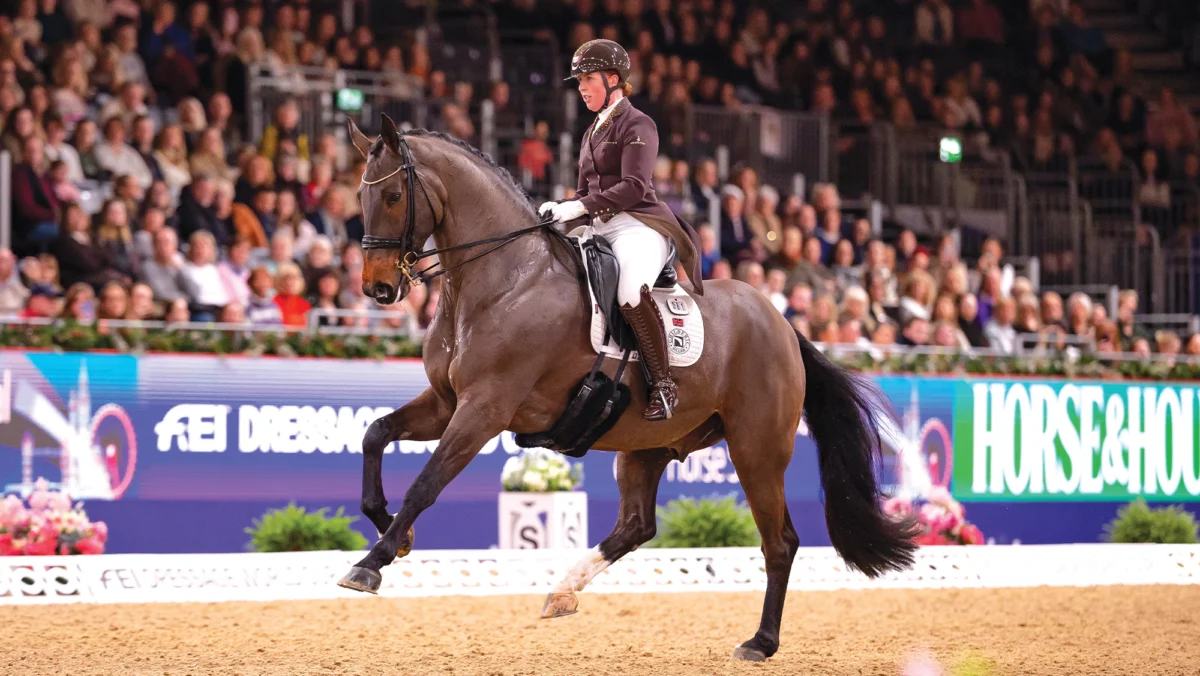
Dressage (Thursday & Friday): The initial phase assesses the horse’s obedience, suppleness, and athleticism through a prescribed test of movements. With rain forecast for Friday, the outdoor arena conditions could become slightly more challenging. While the footing is typically maintained to a high standard, a wet surface might marginally affect a horse’s rhythm or collection, and riders might find themselves adjusting their warm-up routines. Those who excel in this phase often gain a crucial advantage heading into the cross-country.
-
Cross-Country (Saturday): This is widely considered the heart of eventing, where horse and rider tackle Michelet’s challenging course against the clock. Saturday’s forecast for continued rain and blustery winds will make this phase particularly demanding. The ground, while absorbing water, will be heavier than on a dry day, requiring greater stamina from the horses. The wind could make fences appear more imposing, and the reduced visibility might heighten the sense of urgency for riders. This phase often sees significant shifts in the leaderboard, as combinations either rise to the challenge or fall victim to time penalties or jumping errors.
-
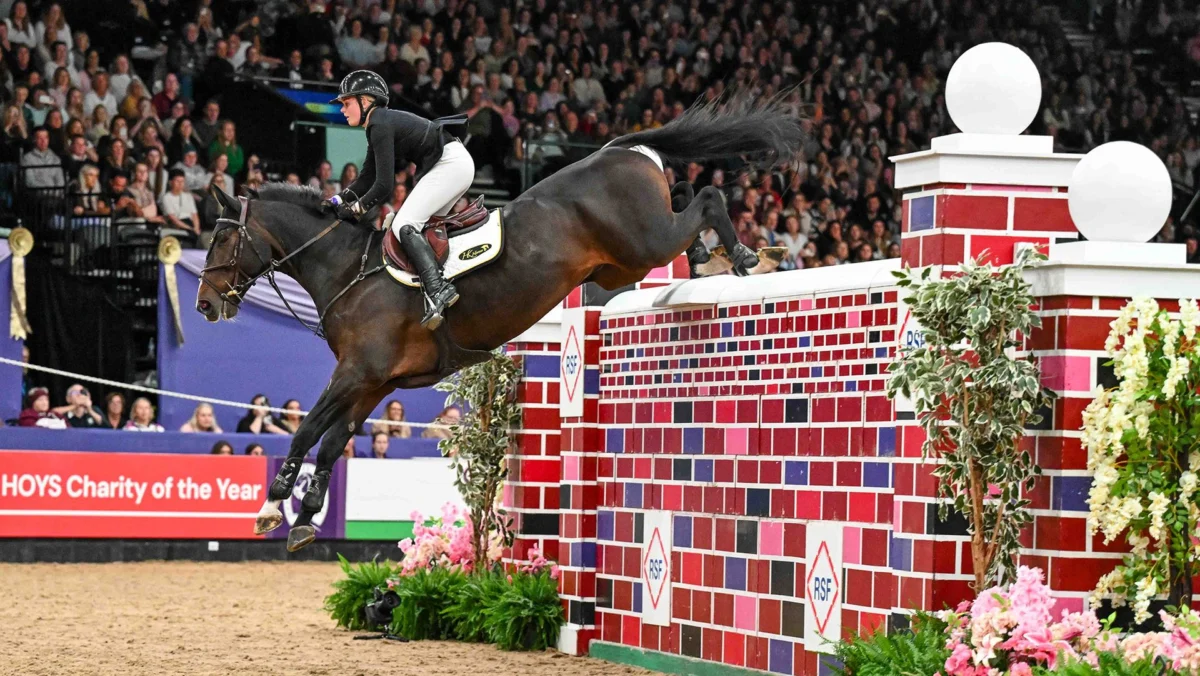
Show Jumping (Sunday): The final phase tests the horse’s agility, precision, and scope over a course of knock-down fences. After the exertions of cross-country, horses must demonstrate continued soundness and mental freshness. The weather on Sunday will ideally be clearer, but the cumulative fatigue from the preceding days, particularly the physically demanding cross-country in heavy ground, will be a major factor. A single rail down can drastically alter the final standings, making this phase a nail-biting conclusion to the competition.
Broader Implications for the Eventing Season
Pau’s status as a 5 event means its outcome carries significant weight for the broader eventing season and beyond. For many riders, it’s a final opportunity to secure qualifications for major championships in the upcoming year, such as the European Championships or World Equestrian Games. A strong performance here can elevate a rider’s international profile, attract sponsors, and potentially open doors to representing their nation on the global stage. For the horses, successfully completing a 5 event, especially under challenging conditions, is a testament to their breeding, training, and resilience, enhancing their value and reputation.
The challenges presented by Michelet’s design and Storm Austen’s weather will undoubtedly reveal the truly exceptional partnerships in the sport. The mental and physical toll on both horse and rider through all three phases, particularly the cross-country, is immense. It demands months, if not years, of dedicated training, meticulous planning, and an unbreakable bond between athlete and animal. The event also contributes to the ongoing narrative of eventing, showcasing the sport’s thrilling combination of horsemanship, bravery, and athletic prowess. The results from Pau will be closely analyzed by national federations, selectors, and equestrian enthusiasts globally, influencing future team selections and highlighting emerging talent.
In conclusion, the Pau Horse Trials are poised to deliver a captivating spectacle. Pierre Michelet’s intellectually designed cross-country course, with its strategic turn-backs, promises a test of both boldness and precision. This intrinsic challenge is amplified by the meteorological narrative of Storm Austen, bringing blustery conditions and persistent rain, which will transform the ground and test the endurance and adaptability of every horse and rider. The event stands as a formidable crucible, demanding the highest levels of equestrian skill, mental fortitude, and a profound partnership, all set against the backdrop of one of eventing’s most prestigious competitions.