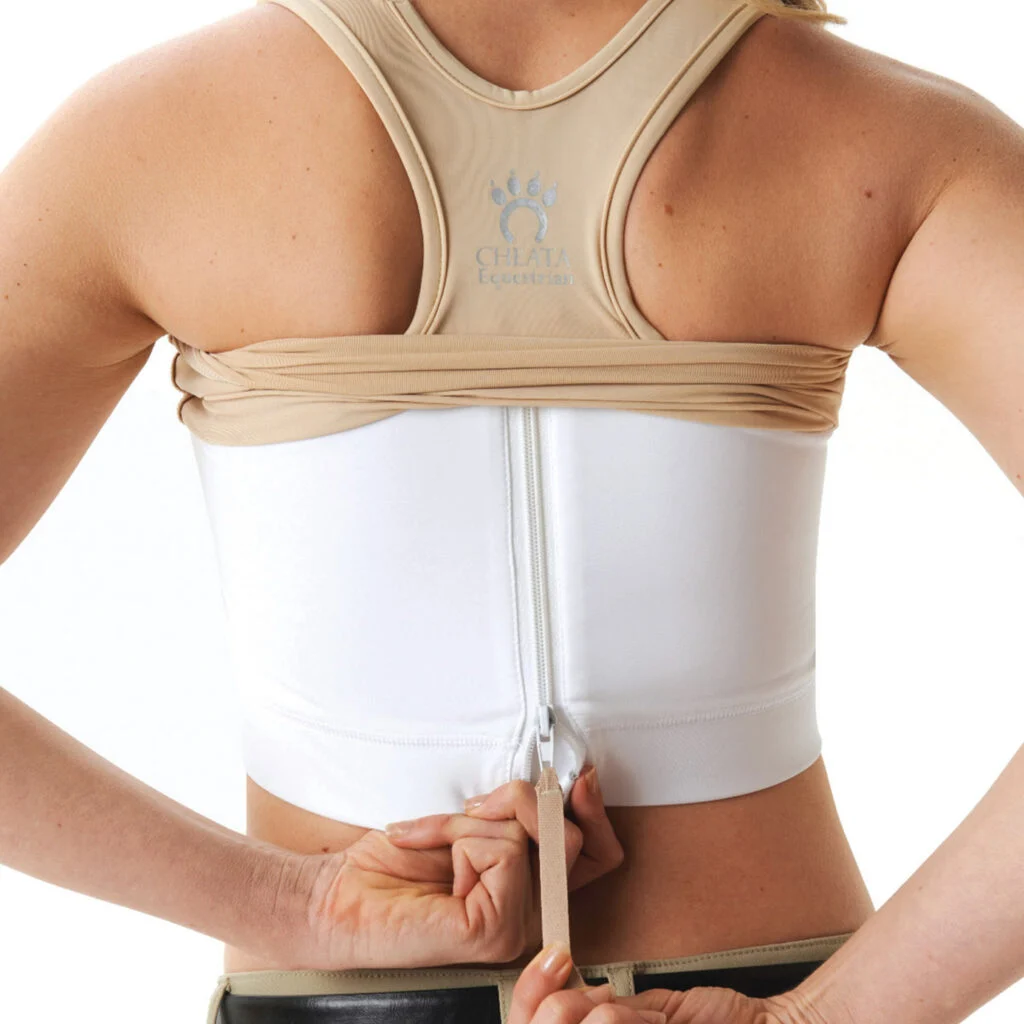
Pioneering research conducted by Hartpury University in collaboration with University Centre Sparsholt and the Research Group in Breast Health at the University of Portsmouth is shedding crucial new light on the biomechanics of breast movement in female equestrians, a subject historically underserved by scientific inquiry. The findings, published in the International Journal of Equine Science, represent a significant step forward in understanding the unique demands placed on female athletes in equestrian sports and have the potential to revolutionize the design of sports bras specifically tailored for riding.
Despite the substantial participation of women in horseback riding globally, research specifically focusing on their physiological needs, particularly concerning breast health and support, has been remarkably sparse. This new study, the first to utilize three-dimensional motion capture to measure breast movement in female horseback riders, directly addresses this research gap. Crucially, it also compares this movement to that experienced during running, a common benchmark in sports bra research that has historically overlooked the distinct biomechanical patterns of equestrianism.
The study, titled "The Biomechanical and Perceptual Impact of Breast Support During Riding and Running in Female Equestrians," involved 21 experienced female equestrians. Participants engaged in two primary activities: riding an advanced equine simulator and running on a treadmill. These activities were performed under four distinct breast support conditions: an encapsulation sports bra, a combination sports bra, an everyday bra, and no breast support at all. The equine simulator, a sophisticated piece of equipment designed to replicate the complex movements of a live horse across walk, trot, and canter gaits, provided a controlled environment for assessing riding-specific biomechanics.
Lorna Cameron, a senior lecturer at Hartpury University and a key figure in the research, emphasized the critical importance of appropriate breast support in women’s sports, noting the historical deficit in research pertaining to equestrians. "What makes this study particularly exciting is that we have been able to establish relative breast movement in three dimensions during riding and compare it directly with running in the same participants," Cameron stated. "That gives us a much better understanding of how the demands of riding differ from an activity on which much existing sports-bra research and design has been based." This comparative approach is vital, as the forces and movements experienced during riding—a dynamic interplay of rider and horse—differ significantly from the repetitive, high-impact motion of running.
Methodology and Findings: A Deeper Dive into Biomechanics and Perception
The research employed state-of-the-art motion-capture technology, a standard in biomechanical analysis, to meticulously track and quantify the displacement of the breasts during the simulated riding and running sessions. This technology allowed researchers to not only measure the extent of breast movement but also to correlate it with rider position and symmetry. Beyond objective biomechanical data, the study also incorporated subjective feedback, assessing exercise-induced breast pain and participants’ perceptions of bra comfort, performance, and aesthetic appeal specifically within the context of equestrian activities. A detailed survey captured these qualitative insights, offering a comprehensive view of the wearer’s experience.
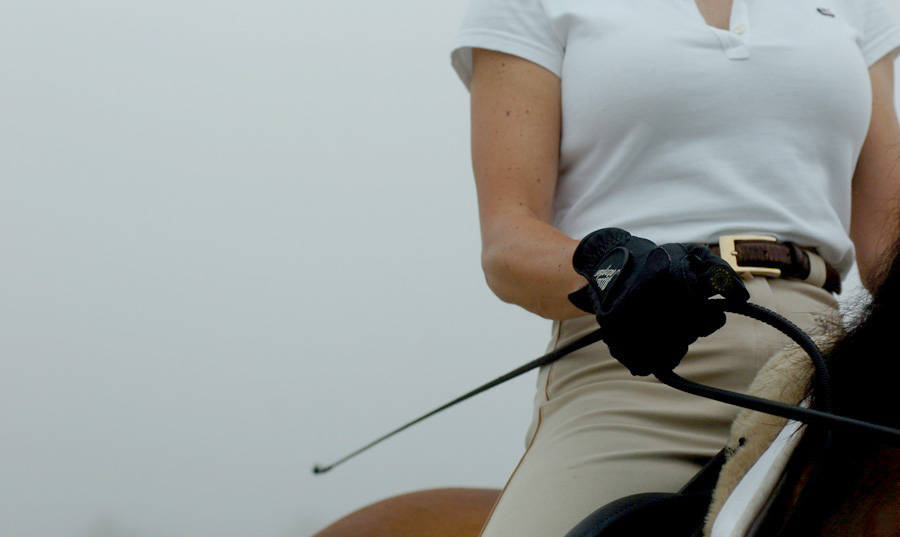
The results of the study yielded significant insights. It was found that the type of bra worn had a meaningful influence on exercise-induced breast pain, rider position, and body symmetry. Both encapsulation and combination sports bras demonstrated a marked reduction in breast movement and associated pain during trot and running compared to either an everyday bra or no support. This finding aligns with general sports science principles, underscoring the efficacy of specialized athletic garments in mitigating discomfort and potential injury.
However, the research also revealed more nuanced effects specific to equestrianism. Improvements in torso position were observed during the trot phase when participants wore sports bras. This suggests that proper breast support can contribute to a more stable and aligned rider posture, which is fundamental for effective communication with the horse and for maintaining balance. Furthermore, the study indicated that riders exhibited their greatest symmetry when wearing the encapsulation sports bra, a finding that could have implications for athletic performance and the prevention of compensatory movement patterns that might lead to strain or injury.
"Our findings also demonstrate that breast support isn’t simply about comfort," Cameron elaborated. "The type of support worn was associated with differences in breast pain, rider position and symmetry, which makes this an important area for further research." This highlights that breast support in equestrianism is not merely a comfort issue but a potentially significant factor influencing biomechanical efficiency and overall rider well-being.
The Complexity of Comfort and Individual Needs
While the study demonstrated the biomechanical benefits of sports bras, it also acknowledged the inherent complexity of individual preferences regarding bra comfort. The researchers noted that subjective experiences varied among participants, underscoring the challenge in developing a one-size-fits-all solution for breast support in female equestrians. This variability suggests that future research and product development must consider a range of factors, including bra design, material, fit, and individual breast morphology.
The current research builds upon a foundational body of work conducted by members of the same collaborative team. Previous studies have explored related issues, including the prevalence of breast pain among female horseback riders, their concerns regarding bra fit and function, and the barriers that may hinder their participation in the sport. Additionally, earlier research has investigated the impact of breast health education for young equestrians, aiming to foster a proactive approach to well-being from an early age. This ongoing commitment to understanding and addressing breast health within the equestrian community demonstrates a long-term vision for improving the sport for female participants.
Implications for the Future of Equestrian Apparel and Health
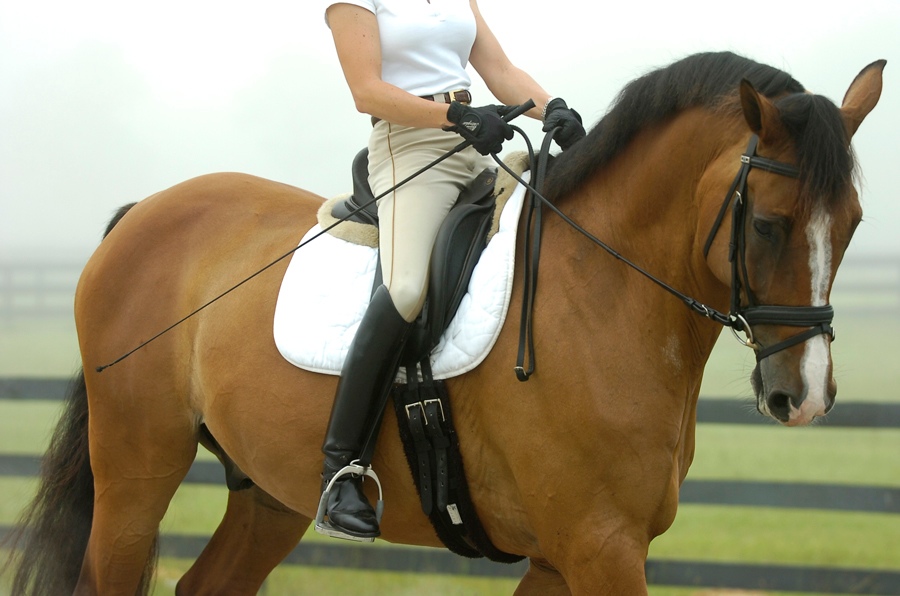
The implications of this research are far-reaching. For sports bra manufacturers, these findings provide robust, evidence-based data to inform the design and development of specialized equestrian sports bras. The distinction in how breast movement impacts riding versus running necessitates a departure from designs primarily optimized for terrestrial activities. The study’s emphasis on 3D breast movement and its impact on rider position and symmetry offers a clear direction for innovation, potentially leading to bras that offer superior support, comfort, and biomechanical benefits for riders.
From a health perspective, the research reinforces the importance of addressing breast health as an integral component of equestrian training and performance. By highlighting the link between breast support, pain reduction, and improved rider biomechanics, the study can empower female equestrians to make informed choices about their athletic apparel. It also serves as a catalyst for increased awareness and discussion around breast health within the equestrian community, encouraging a more holistic approach to athlete well-being.
"We hope this work will encourage greater conversation around breast health in equestrian sport and ultimately contribute to better information and products designed with the specific needs of riders in mind," Cameron concluded. This sentiment reflects a broader aspiration to translate scientific findings into tangible improvements for athletes.
Next Steps and Future Research
While the findings are groundbreaking, the researchers acknowledge that further investigation is warranted. They advocate for larger, longer-term, and field-based studies to build upon the current laboratory-based findings. Such studies would involve observing female equestrians in their natural riding environments, gathering data across a wider range of disciplines, intensities, and durations of riding. This would provide a more comprehensive understanding of how different riding styles and equestrian activities influence breast movement and the effectiveness of various support systems.
Moreover, future research could explore the biomechanical impact of different bra designs and materials in greater detail, potentially utilizing advanced imaging techniques. Investigating the long-term effects of consistent, appropriate breast support on rider health, performance, and injury prevention would also be invaluable. The ongoing dialogue between researchers, apparel designers, and equestrian organizations is crucial to translating these scientific advancements into practical benefits for the vast number of women who participate in and enjoy horseback riding. The study’s publication in the International Journal of Equine Science marks a pivotal moment in acknowledging and addressing a critical, yet often overlooked, aspect of female equestrianism.