rifanmuazin
The age-old stereotype of mares being inherently difficult, temperamental, and prone to "mare-ish" behavior is being challenged by seasoned horse trainers and behaviorists. While many horse owners have encountered mares exhibiting traits like squealing, tail swishing, and a perceived surly attitude, a growing consensus suggests these behaviors are less about inherent hormonal predispositions and more a reflection of training methodologies and owner-horse interactions. This perspective, articulated by prominent figures in the equestrian world, emphasizes accountability and consistent training over gender-based assumptions.
The debate often centers on whether perceived "mare-ish" behavior is an intrinsic characteristic or a learned response. For decades, the equestrian community has largely accepted that female horses, particularly during certain times of the month, might display more challenging temperaments. This has led to a common practice of excusing or tolerating such behaviors, a trend that experts argue is counterproductive to establishing a well-trained and respectful equine partner.
Deconstructing the "Mare-ish" Myth
At the heart of the discussion is the notion that many behaviors attributed to mares being "hormonal" are, in fact, manifestations of a lack of respect or an underdeveloped understanding of boundaries. Renowned horse trainer Clinton Anderson, a vocal proponent of this viewpoint, argues that these behaviors are often a result of horses being "allowed to get away with disrespectful behavior." He likens it to situations where owners of "head-shy" horses tiptoe around their animals, avoiding any action that might potentially upset them. This avoidance, while seemingly considerate, ultimately reinforces the horse’s anxiety and lack of confidence, creating a self-fulfilling prophecy of problematic behavior.
Anderson’s philosophy, deeply rooted in consistent training and clear communication, posits that a well-trained horse, regardless of gender, will exhibit a calm and attentive demeanor. He points to his own experiences breeding and raising horses, where from the moment foals were born, they were instilled with a sense of respect and good behavior. This proactive approach, he suggests, prevents the development of negative tendencies that are later attributed to the horse’s sex. The key, according to this perspective, is not to make excuses for poor behavior but to identify the root cause – often a deficiency in training – and address it directly.
The Role of Training and Accountability
The prevailing narrative among some trainers is that the equestrian world suffers from a general lack of accountability when it comes to equine behavior. Instead of investing the time and effort required to retrain a horse exhibiting undesirable traits, owners and trainers are often quick to attribute it to the horse’s gender or supposed hormonal fluctuations. Phrases like "she’s in heat" or "she’s hormonal" become convenient explanations, deflecting responsibility from the training program itself.
Anderson emphasizes that the true determinant of a horse’s temperament and trainability lies not in its gender but in a combination of factors: its mind, its bloodlines, and, most crucially, its training. He shares anecdotes of working with both exceptionally well-minded mares and challenging ones, as well as similarly varied experiences with geldings. His extensive career has led him to the conclusion that a good horse is simply a good horse, irrespective of whether it is a mare, stallion, or gelding. This perspective shifts the focus from a biological predisposition to the practical application of sound training principles.
Supporting Data and Expert Consensus
While the original content did not include specific statistical data, the underlying principles are supported by broader behavioral science and equine psychology. Studies on animal learning consistently demonstrate that consistent reinforcement, clear communication, and establishing a hierarchy of respect are fundamental to training any animal. The concept of "learned helplessness" or "learned avoidance" is well-documented, where animals subjected to unpredictable or aversive stimuli learn to disengage or react defensively. In the context of horses, this can manifest as resistance, fear, or what is perceived as a bad attitude.
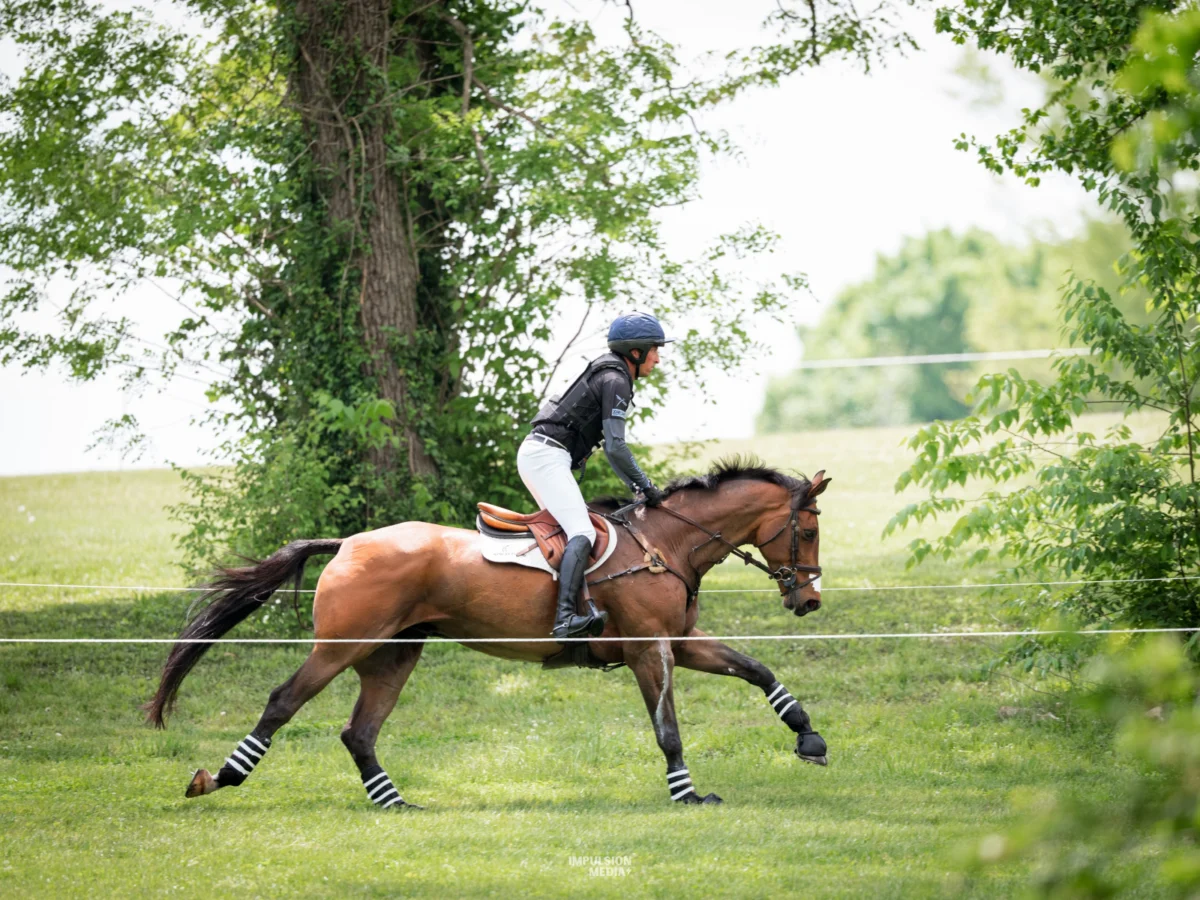
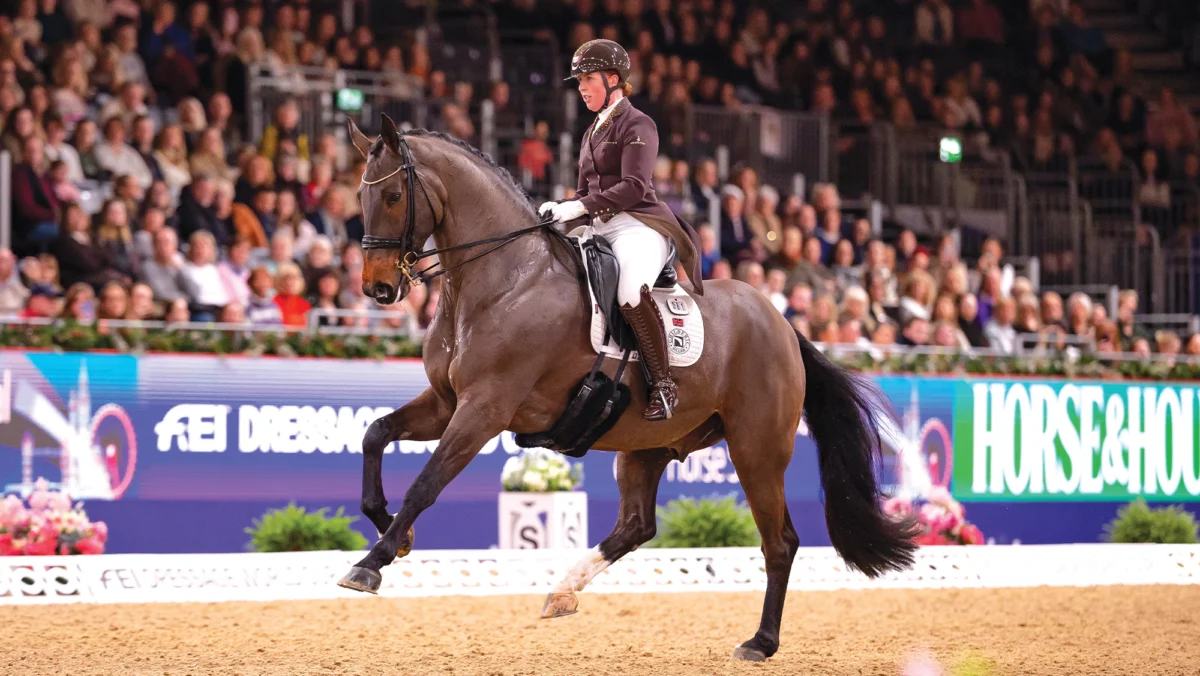
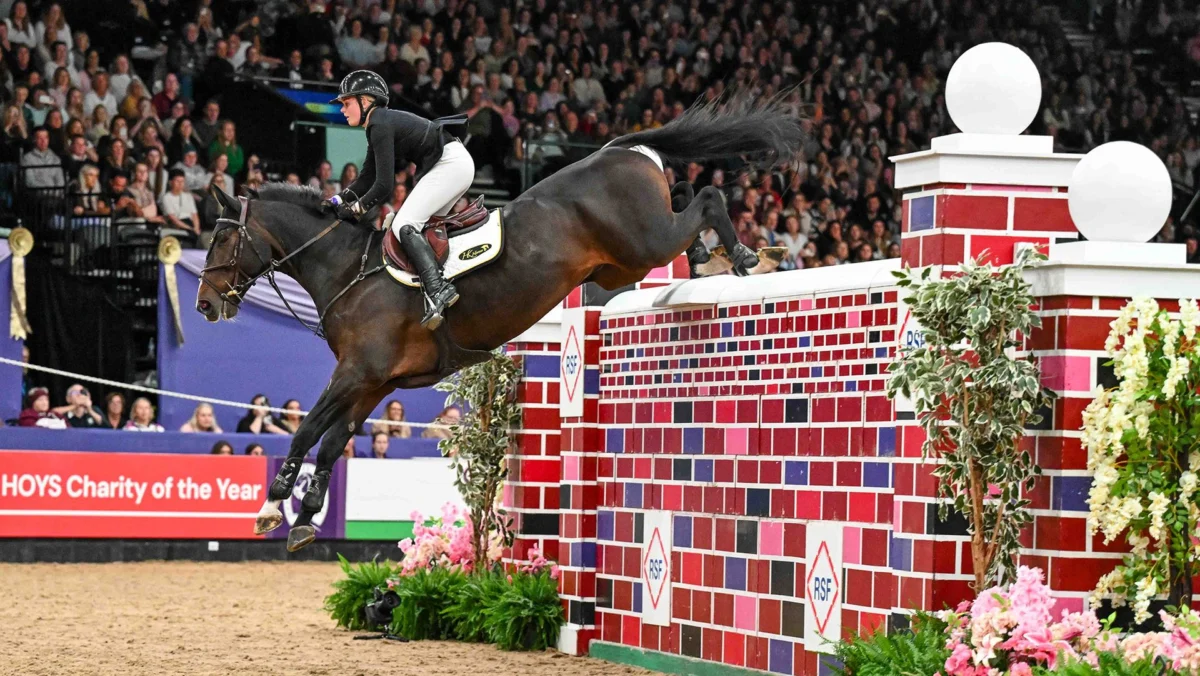
Furthermore, the prevalence of successful mare performance across various equestrian disciplines – from elite show jumping and dressage to competitive reining and ranch riding – serves as anecdotal evidence that "mare-ish" behavior is not an insurmountable barrier. These successful partnerships are often built on mutual respect and a deep understanding of the individual horse’s needs and responses, rather than assumptions based on gender.
Addressing the Owner’s Specific Concerns
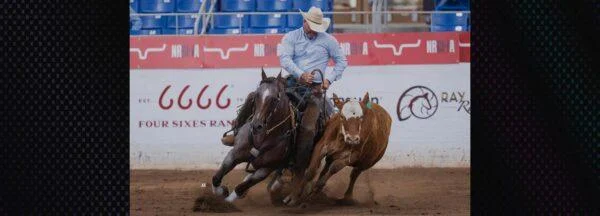
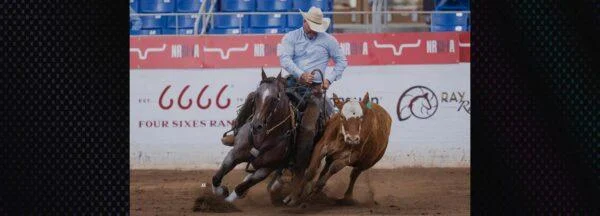
The question posed in the original article highlights a common dilemma faced by horse owners who have acquired a mare with perceived "mare-ish" tendencies, particularly when these behaviors are present at competitive events. The owner’s concern about supplements for cow horse mares suggests a search for quick fixes or aids to manage behavior. However, the expert’s response steers away from such solutions, advocating instead for a foundational approach to training.
The implication for the owner is clear: rather than seeking supplements, the focus should be on consistent training, establishing clear communication, and ensuring the mare understands expectations. This involves actively engaging with the horse, moving her feet when she exhibits disrespectful behavior, and earning her respect through diligent work. At shows, this translates to maintaining the established training principles, remaining calm and consistent, and not allowing the show environment to become an excuse for behavioral lapses.
Broader Implications for the Equestrian Community
The expert’s stance represents a significant shift in how equestrian professionals and enthusiasts might approach equine behavior. By challenging the ingrained "mare-ish" stereotype, it encourages a more nuanced and individualized approach to training. This can lead to several positive outcomes:
- Improved Horse Welfare: By focusing on understanding and addressing the root causes of behavior, owners can create more harmonious relationships with their horses, leading to greater trust and reduced stress for the animal.
- Enhanced Training Effectiveness: Acknowledging that behavior is largely learned rather than inherent empowers trainers to develop more effective and humane training programs.
- Increased Ownership Satisfaction: When owners understand how to manage and train their horses effectively, regardless of gender, their overall experience and satisfaction with horse ownership are likely to increase.
- Demystification of Equine Behavior: Moving away from gender-based assumptions helps to demystify equine behavior, making it more accessible and understandable for a wider range of horse owners.
Conclusion: A Call for Consistent Training
The debate surrounding "mare-ish" behavior underscores a fundamental truth in horse training: consistency, clear communication, and a commitment to building a respectful partnership are paramount. While hormonal influences can play a role in equine physiology, the assertion that these are the primary drivers of problematic behavior is being increasingly questioned. The prevailing expert opinion suggests that what is often perceived as an inherent "mare-ish" trait is, in many cases, a reflection of training deficiencies and a lack of accountability. By focusing on solid training principles and understanding the individual horse’s needs, owners can overcome behavioral challenges and cultivate a strong, trusting relationship, proving that a good horse is indeed a good horse, regardless of gender. The pursuit of excellence in any equestrian discipline, including ranch riding and cow horse competitions, hinges on this foundational understanding.