rifanmuazin
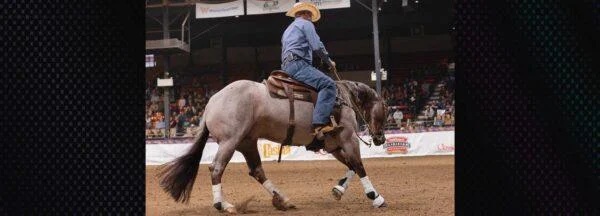
When initially teaching a horse to stay bridled up and pick up the correct lead, trainers often find that initial trotting steps are an acceptable, even necessary, part of the learning process. This approach, rooted in established equestrian pedagogy, emphasizes a gradual progression, prioritizing the horse’s understanding and confidence over immediate perfection. The goal is not to achieve a flawless collected lead departure from the outset, but rather to build a solid foundation upon which refined execution can later be developed.
The journey of training a horse to execute a precise lead departure is a testament to the principles of gradual learning and the importance of setting realistic expectations. While the ultimate aim is a seamless transition from a halt or walk into a canter on the correct lead, achieving this ideal requires a nuanced understanding of equine learning. For novice riders and young horses alike, the initial stages of this training often involve a few trotting steps before the canter is established. This seemingly minor deviation is, in fact, a crucial element in the horse’s comprehension of the aids and the desired outcome.
"You can’t expect him to step up into the canter immediately and keep his neck level, hip up, shoulders elevated and face soft all at the same time," explains a seasoned equestrian educator, highlighting the multifaceted nature of a perfect lead departure. "You have to cut him a little bit of slack and help him understand the concept of the lesson. Once he understands the concept, then you can start to refine the exercise." This philosophy underscores the trainer’s role as a facilitator, guiding the horse through a process that requires both physical and mental engagement.
Understanding the Equine Learning Curve
The physical demands of a correct lead departure are significant. A horse must engage its hindquarters, lift its forehand, and maintain a balanced frame, all while responding to subtle cues from the rider. For a young or inexperienced horse, coordinating these movements perfectly from a standstill is an advanced skill. The initial trotting steps provide a bridge, allowing the horse to build momentum and find its balance before transitioning into the canter. This phase is not a sign of failure, but rather an integral part of the learning curve.
"I don’t expect a horse to pick up a collected lead departure without taking a few trotting steps until he’s had about 18 months of training," notes another expert. This timeline is not arbitrary; it reflects the developmental stages of a horse. During this period, the horse is not only physically maturing but also developing the muscular strength, coordination, and mental maturity necessary for more complex movements. For performance horses, this level of refinement might be expected by the summer of their third year, a significant milestone that acknowledges the years of dedicated training involved.
The Dangers of Premature Expectation
The temptation to rush the training process can be significant, particularly for riders eager to see immediate results. However, forcing a horse into a collected lead departure before it is physically and mentally ready can have detrimental consequences. "Picking up a collected lead departure isn’t something that’s going to happen after 30 days of riding," emphasizes the expert. "It’s unrealistic to think that a horse would be capable of that."
The potential for negative outcomes is substantial. When a horse is pressured beyond its current capabilities, its confidence can be eroded. This can lead to a breakdown in communication, increased resistance, and a general reluctance to perform. "Can you pressure a horse and force him to pick up a collected lead departure? Sure you can, but something else will fall apart," warns the trainer. "Usually, it’s the horse’s confidence, and then you’ve got a real mess on your hands." This loss of confidence can manifest in various ways, including spooking, refusal to move forward, or even aggression, creating a far more challenging training scenario than addressing initial trotting steps.
The Foundation of Success: Fundamentals and Patience
The wisdom of experienced horsemen is often encapsulated in pithy sayings that hold profound truth. The adage, "Take the time that it takes and it’ll take less time," is particularly relevant to the training of lead departures. This principle highlights the long-term benefits of a patient, systematic approach. By focusing on building a strong foundation of fundamental horsemanship – including responsiveness to aids, balance, and suppleness – trainers equip the horse with the necessary building blocks for more advanced maneuvers.
"If you’re thorough about teaching your horse the Fundamentals and putting a solid foundation on him, when it comes time to work on leads and then asking him to step into the correct lead while being bridled up, it’ll all fall into place and be a smooth process," assures the trainer. This approach emphasizes consistency, repetition, and positive reinforcement, creating a learning environment where the horse feels encouraged to try and succeed.
Building Blocks of a Successful Lead Departure
The process of teaching a horse to pick up the correct lead can be broken down into several key stages, each building upon the last:
- Understanding the Aids: Before even attempting a lead departure, the horse must reliably respond to basic aids for steering, stopping, and moving forward. This includes leg pressure, rein cues, and seat commands.
- Developing Suppleness and Balance: A horse that is stiff or unbalanced will struggle to execute a smooth transition into canter. Exercises that promote suppleness through the back and hindquarters, such as bending and lateral work, are crucial.
- Introducing the Canter: The horse needs to understand the feel and rhythm of the canter. This can be achieved through controlled canter work in a safe environment, such as a longe line or a round pen.
- The Transition from Walk to Canter: Initially, trainers may ask for the canter from a walk. This allows the horse to find its balance and rhythm more easily than from a halt.
- The Transition from Trot to Canter (the "trotting steps"): As mentioned, the initial trotting steps are a natural part of this transition. The trainer uses the trot to help the horse gather itself, engage its hindquarters, and then make the upward transition to canter. The goal is to gradually shorten these trotting steps as the horse’s understanding and ability improve.
- The Direct Transition from Halt to Canter: This is the ultimate goal for a collected lead departure. It requires a high degree of athleticism, coordination, and responsiveness from the horse.
Data and Expert Consensus
While precise statistical data on the average time it takes for a horse to master lead departures is scarce, the consensus among professional trainers and equestrian organizations is that it is a lengthy process. The American Quarter Horse Association (AQHA), for example, outlines extensive training programs for young horses that emphasize building a solid foundation before introducing advanced maneuvers. Similarly, the United States Equestrian Federation (USEF) standards for dressage and eventing highlight the importance of a well-trained horse that can execute precise transitions. These governing bodies implicitly endorse the philosophy of gradual progression and patience.
Case Studies and Anecdotal Evidence
Numerous anecdotal accounts from professional riders and trainers support the notion that a patient approach yields superior results. Many successful equestrian athletes recount years of dedicated training for their horses, particularly for disciplines that demand precise lead changes and departures, such as dressage, reining, and jumping. The absence of widespread claims of horses mastering collected lead departures within a few months of initial training further validates the longer timelines discussed.
Broader Implications for Horse Welfare and Performance
The emphasis on patience and correct training methodology extends beyond simply achieving a desired maneuver. It is fundamentally linked to the welfare of the horse. A horse trained with an understanding of its physical and mental limitations is more likely to remain sound, confident, and willing throughout its life. Conversely, a horse subjected to undue pressure and unrealistic expectations may develop behavioral issues and a reduced lifespan due to stress and potential injury.
For performance horses, the implications are significant. A horse that consistently performs well-executed lead departures is more competitive and valuable. However, achieving this level of performance ethically and sustainably requires a training philosophy that prioritizes the horse’s well-being. The long-term success of an equestrian partnership is built on mutual trust and understanding, which can only be fostered through patient and knowledgeable training.
In conclusion, the training of lead departures in horses is a nuanced process that rewards patience, consistency, and a deep understanding of equine learning. While the initial trotting steps may seem like a deviation from perfection, they are, in fact, a vital component of the learning journey. By allowing horses the time and guidance they need to develop their physical and mental capabilities, trainers can foster confident, willing partners capable of executing even the most demanding maneuvers with grace and precision. The old adage rings true: taking the time that it takes will ultimately lead to a more efficient and rewarding outcome, both for the horse and the rider.