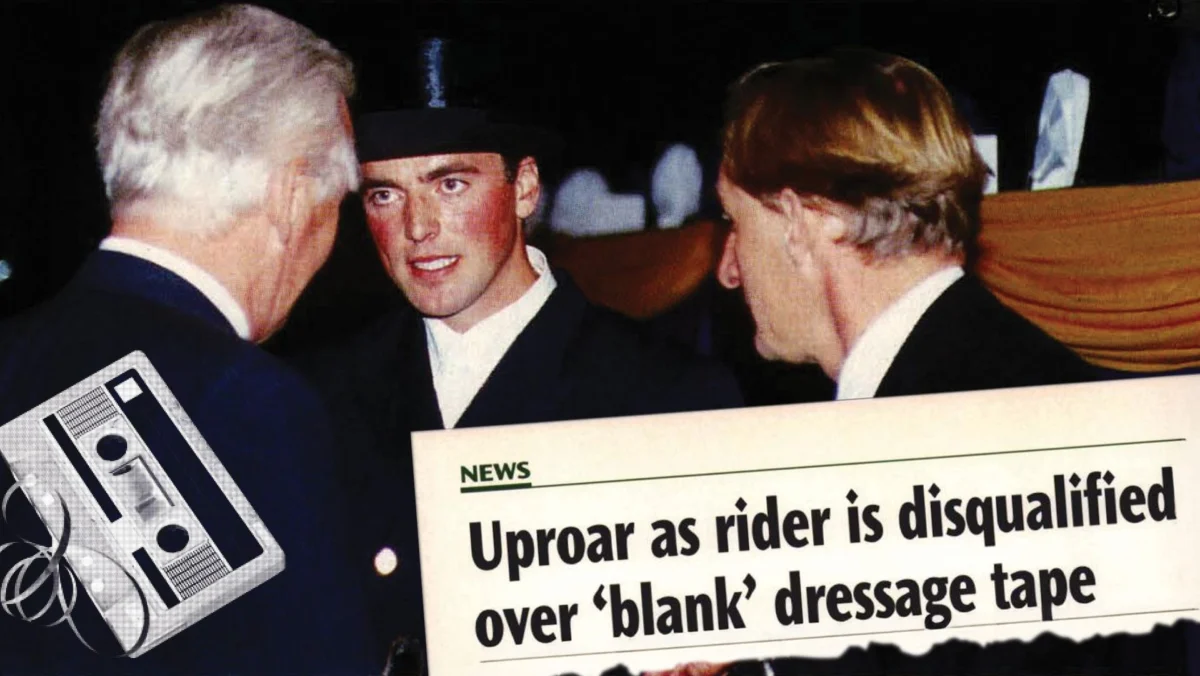
The competitive arena of equestrian dressage was thrown into disarray following a controversial disqualification that has sent ripples of discontent through the sport. German rider Heiner Schiergen, a prominent figure in the discipline, found himself at the center of an unprecedented situation when his freestyle music, the critical auditory accompaniment to his meticulously choreographed performance, was deemed unusable due to a technicality. The incident, which occurred at a significant international event, has ignited a fierce debate about the strictness of rules, the role of technology, and the fairness of sporting regulations.
The dramatic turn of events unfolded during Schiergen’s highly anticipated freestyle test. As the last competitor to enter the arena, the pressure was already immense. However, before his routine could even gain momentum, Schiergen was forced to signal a halt. Initial reports indicated a malfunction with his music playback system, a crucial element that synchronizes with the rider’s movements to enhance both the artistic impression and the overall score. The ensuing confusion and palpable tension in the arena were evident, with Schiergen visibly distressed as he communicated with officials.
The Technicality and the Disqualification
The core of the controversy lies in the nature of the supposed "blank" music tape. In dressage freestyle, riders are required to submit their chosen music to the organizing committee well in advance of the competition. This music is then loaded onto a central playback system, ensuring consistency and minimizing the risk of technical failures during a performance. The rules are stringent, designed to maintain a level playing field and prevent any rider from gaining an unfair advantage through last-minute adjustments or technical glitches.
In Heiner Schiergen’s case, the issue was not a complete absence of sound, but rather a perceived lack of discernible musical content or a failure to meet the specific technical requirements for submission. While the exact technical specification that led to the disqualification remains a subject of intense discussion, it is understood that the submitted audio file was either technically flawed, contained unintended silences or pauses that were deemed problematic, or did not conform to the precise digital format required by the Fédération Équestre Internationale (FEI), the international governing body for equestrian sports. The outcome, however, was definitive: Schiergen was disqualified from the competition, a severe penalty that not only cost him a potential victory but also tarnished his participation in the event.
Background and Context of the Event
The event in question was a prestigious international competition, drawing elite riders from across the globe. Such events serve as crucial stepping stones for riders aiming for higher accolades, including national championships, European Championships, and the Olympic Games. The stakes are always high, and the margin for error is minuscule. Disqualifications, particularly for technical reasons, are rare and often met with dismay by competitors and spectators alike.
Dressage freestyle, also known as Grand Prix Freestyle or Grand Prix Special, is the ultimate test of a horse and rider’s partnership. It combines the compulsory movements of Grand Prix dressage with a freestyle program set to music. Judges evaluate not only the technical execution of movements but also the harmony between horse and rider, the choreography, and the overall artistic impression created by the music and its integration with the performance. The music itself is a critical component, chosen to reflect the horse’s gaits, the rider’s style, and the overall mood of the test. A well-chosen and seamlessly integrated musical score can elevate a performance, while a disruption can severely detract from it.
The FEI Dressage Committee, chaired at the time by Eric Lette, and the presence of Joep Bartels, a highly respected figure in the sport often involved in technical and judging aspects, underscored the seriousness of the competition. Their involvement in the discussions following Schiergen’s disqualification highlights the gravity of the situation and the attention it commanded from the sport’s highest authorities.
Timeline of Events
While a precise minute-by-minute breakdown is not publicly available, the sequence of events can be inferred:
- Pre-Competition: Heiner Schiergen, like all participating riders, would have submitted his freestyle music to the event organizers within a stipulated deadline. This submission would have undergone a preliminary check to ensure compliance with FEI regulations.
- Event Day – Schiergen’s Turn: As the final rider to compete, Schiergen entered the arena with his horse. The music system was activated.
- The Signal of Distress: Shortly after the music began, Schiergen indicated an issue, signaling to the judges and officials that something was amiss.
- Assessment and Decision: Officials, likely including the technical delegate and potentially members of the ground jury and the FEI technical panel, assessed the situation. This would have involved verifying the nature of the music playback and comparing it against the submitted file and the established rules.
- Disqualification: Following the assessment, the decision was made to disqualify Heiner Schiergen.
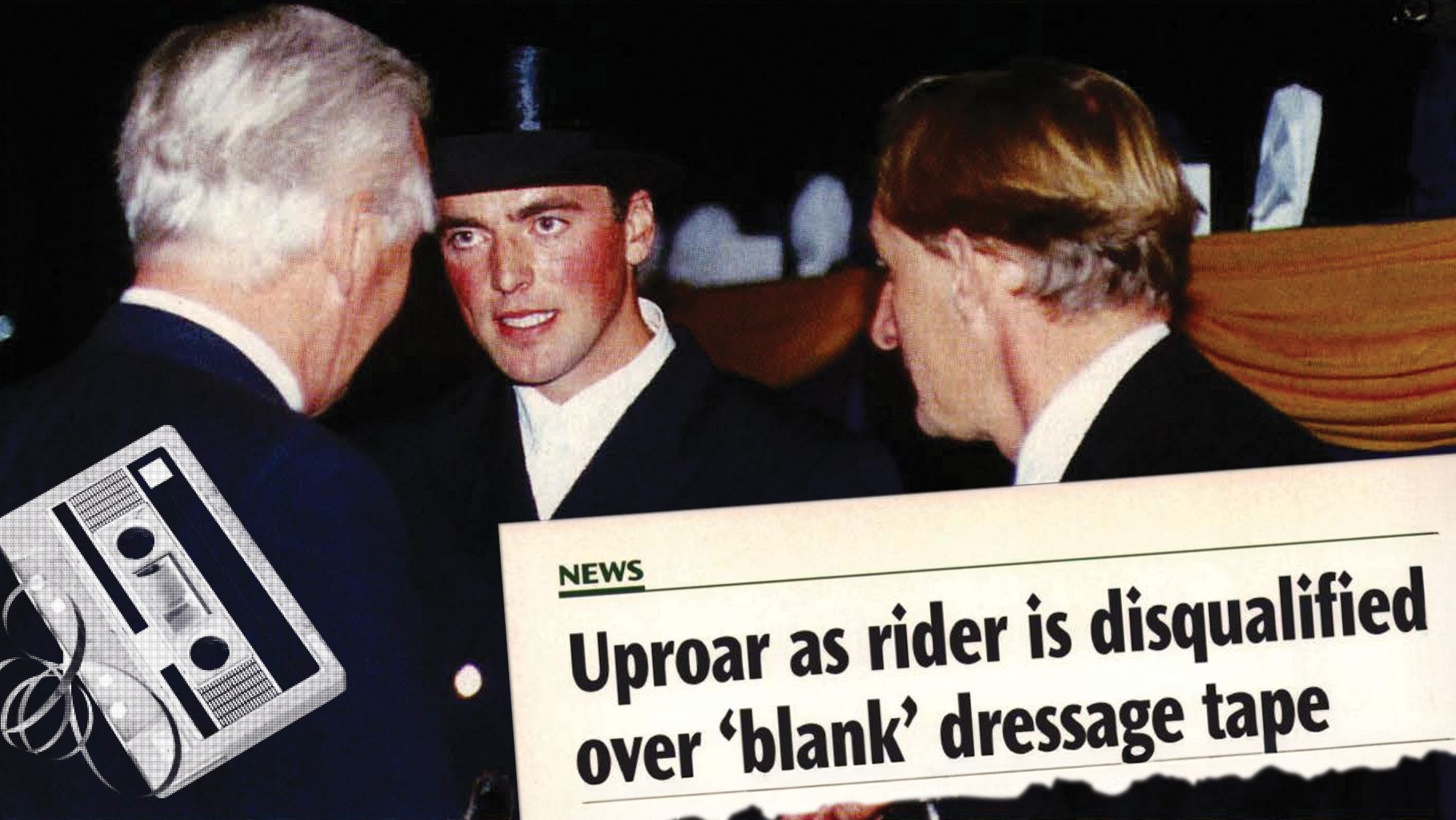
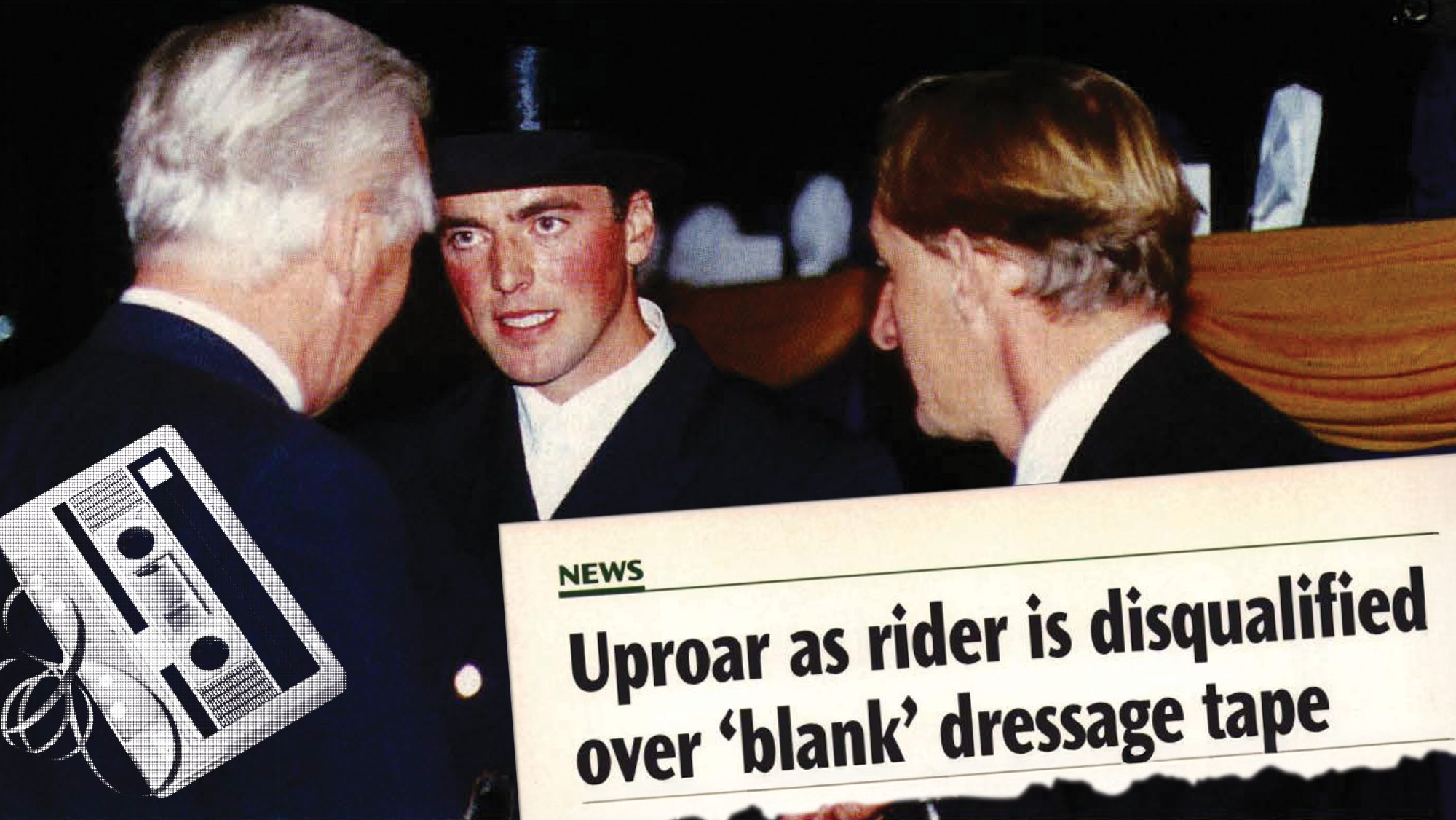
- Aftermath: Schiergen was seen in discussion with officials, including Eric Lette and Joep Bartels, expressing his dismay and seeking clarification. The incident immediately became a topic of intense discussion among riders, trainers, and spectators.
Supporting Data and Precedents
While specific statistics on music-related disqualifications in high-level dressage are not readily available, the general trend in equestrian sports is towards increasingly stringent adherence to technical regulations. This is driven by a desire for fairness, safety, and a professionalized approach to competition.
In other disciplines, technical infringements have led to disqualifications. For instance, in show jumping, issues with bridle components or rider attire can result in penalties. In eventing, horse welfare regulations are meticulously enforced, and any breach can lead to elimination. The dressage world, while often perceived as more artistic, is equally bound by a complex web of rules that govern every aspect of the competition.
The concept of a "blank" tape, in this context, suggests a failure in the audio stream. This could range from a corrupted digital file, an incorrect bitrate, excessive silences that are not part of a deliberate artistic pause, or even the submission of an incorrect version of the music. The FEI’s rulebook for dressage outlines specific requirements for music, including the acceptable format, duration, and content. Rule 430.3.6 of the FEI Dressage Rules, for example, pertains to the music and stipulates that "music must be submitted in the required format and format to the Organising Committee by the specified deadline. The Organising Committee will arrange for the music to be played. The rider is responsible for ensuring that the music is correct and appropriate." A deviation from these requirements, however minor it may seem to the competitor, can have significant consequences.
Statements and Reactions (Inferred)
While direct quotes from the involved parties immediately following the event are scarce in the provided text, the image of Heiner Schiergen in discussion with high-ranking officials like Eric Lette and Joep Bartels suggests a desire for immediate clarification and possibly an appeal or explanation.
- Heiner Schiergen: His "shaking head" and visible dismay clearly indicate his profound disappointment and disbelief at the situation. It is likely he would have expressed his frustration and sought to understand the exact nature of the violation, potentially arguing that the issue was a minor technical oversight rather than a deliberate attempt to gain an advantage. He might have highlighted the years of preparation and the significant investment in training and performance that were jeopardized by this technicality.
- Eric Lette (Chairman of the FEI Dressage Committee): As the head of the committee responsible for overseeing dressage regulations, Lette would have been tasked with upholding the FEI rules. His presence signifies the seriousness with which the committee viewed the situation. He would have been expected to explain the rationale behind the disqualification, emphasizing the importance of adhering to the established technical standards to maintain the integrity of the competition.
- Joep Bartels: Bartels, with his extensive experience in dressage, would likely have been involved in the technical assessment and communication. He might have provided a more detailed explanation of the specific technical failing of the music file, reinforcing the rules and their application.
The broader equestrian community, as evidenced by the "uproar" mentioned in the headline, would have reacted with a mixture of sympathy for Schiergen and concern about the strictness of the rules. Many would have questioned whether a technical fault, especially one that did not inherently offer an advantage, warranted such a severe penalty, potentially impacting a rider’s career and reputation. Online forums and equestrian publications would have buzzed with discussions, sharing opinions on the fairness of the ruling and the potential need for rule clarification or leniency in such cases.
Analysis of Implications
This incident carries several significant implications for the sport of dressage:
- Rule Interpretation and Application: The disqualification raises questions about the interpretation and application of technical rules. While adherence to rules is paramount, there is often a debate between rigid enforcement and a degree of discretion, particularly when a technical issue does not appear to provide a competitive advantage. This event highlights the need for clear guidelines and potentially a review of the penalty structure for minor technical infringements.
- Importance of Technical Support: It underscores the critical need for riders and their support teams to have robust technical expertise when preparing for competitions. This includes understanding the precise specifications for submitted media, utilizing reliable playback equipment, and performing thorough checks before arriving at the venue.
- Technological Advancement and Regulation: As technology evolves, so too must the rules governing its use in sport. The FEI and other governing bodies must continually review and update their regulations to keep pace with technological advancements, ensuring that rules remain relevant and fair. This might involve clearer specifications for digital file formats, robust pre-competition testing protocols, and potentially a tiered system of penalties for technical violations.
- Fairness and Rider Welfare: While maintaining fair competition is essential, the incident also touches upon rider welfare. The emotional and financial investment in preparing for a major competition is immense. A disqualification based on a technicality can have a devastating impact on a rider’s morale, career progression, and financial stability. This prompts a discussion about finding a balance between strict rule enforcement and a consideration of the human element.
- Public Perception of the Sport: Incidents like these can affect the public’s perception of equestrian sports. While fans appreciate the dedication and skill involved, they also expect a sense of fairness and transparency. Controversial decisions can lead to accusations of overly bureaucratic or inflexible officiating.
Broader Impact and Future Considerations
The "blank tape" disqualification serves as a stark reminder of the intricate demands of modern equestrian competition. It is a sport that blends athleticism, artistry, and a deep understanding of animal behavior, all while operating within a framework of strict regulations. For riders like Heiner Schiergen, who dedicate their lives to achieving excellence, such technical hurdles can be profoundly frustrating.
The reverberations of this incident are likely to extend beyond this single event. It may prompt a re-evaluation of the music submission and playback protocols by the FEI. Discussions might arise regarding the role of technology in officiating, the training of technical delegates, and the communication channels between riders, organizers, and the governing body. The equestrian world is a community that thrives on mutual respect and a shared passion for the sport, and it is through open dialogue and a willingness to adapt that such controversies can ultimately lead to positive change, ensuring that fairness and the spirit of competition remain at the forefront of every event. The focus will now shift to how the sport addresses such technical challenges in the future, aiming to prevent similar "uproars" and uphold the integrity that riders and fans hold so dear.