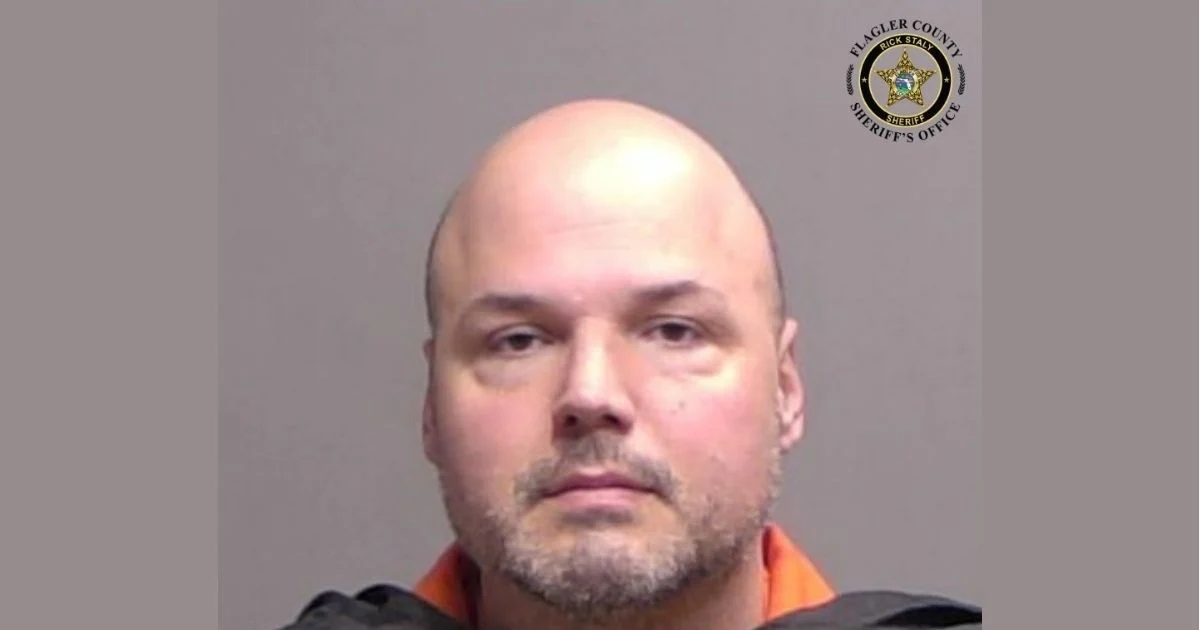
Richard Tapia, a 46-year-old former professor at Miami Dade College and one-time Democratic political candidate in Florida, has been re-arrested and faces additional, more severe charges following a forensic investigation into an incident in July where he was found with a missing 15-year-old girl at a hotel. The Flagler County Sheriff’s Office announced the re-arrest in late September, stating that DNA evidence confirmed his involvement in lewd or lascivious battery on the minor, escalating the legal repercussions from an initial charge of interference with child custody. This development has sent ripples through the academic community and raised significant concerns about the conduct of individuals in positions of trust.
Chronology of Events Leading to Re-arrest
The investigation began in July when authorities were alerted to the whereabouts of a missing 15-year-old girl. Her mother, actively searching for her daughter, discovered she was at a Palm Coast hotel and promptly contacted law enforcement. Deputies from the Flagler County Sheriff’s Office responded to the hotel, where they located the missing teenager.
Upon the arrival of law enforcement, events unfolded rapidly. The 15-year-old girl reportedly attempted to leave the premises through a back stairwell, while Richard Tapia, who was found with her, departed through the hotel lobby. Following the incident, the girl made serious allegations, claiming that Tapia had raped her multiple times.
Initially, Tapia was arrested on charges of interference with child custody. This charge, typically applied when an individual takes, entices away, or withholds a child from their lawful custodian, often without the parent’s consent, served as the basis for his initial detention. However, the gravity of the girl’s allegations prompted a more extensive forensic investigation. A sexual assault kit was collected and submitted for analysis, a standard procedure in such cases to gather crucial evidence.
As September concluded, the Flagler County Sheriff’s Office announced a significant breakthrough in the case. Forensic testing of the sexual assault kit confirmed the presence of Tapia’s DNA, directly linking him to the alleged sexual battery. This pivotal piece of evidence led to his re-arrest on more serious charges of lewd or lascivious battery on a minor. This charge in Florida denotes an act upon a child under the age of 16 that is "lewd or lascivious" in nature, often carrying severe penalties due to the vulnerability of the victim.
Sheriff Rick Staly of the Flagler County Sheriff’s Office commended the mother’s role in the investigation and the diligence of his department. "This mother’s determination helped us find her daughter, which started the investigation on this pervert," Sheriff Staly stated. He added, "Our detectives followed the evidence and built a strong case against this predator who took advantage of a vulnerable child." This sentiment underscores the commitment of law enforcement to pursue justice, particularly in cases involving minors.
Legal Framework and Charges
The charges against Richard Tapia, specifically "interference with child custody" and "lewd or lascivious battery on a minor," carry distinct legal implications under Florida law.
Interference with Child Custody: This offense, outlined in Florida Statute 787.03, generally involves a person who, without lawful authority, takes, entices, or withholds a minor child from the custody of their parent or legal guardian. It is typically classified as a third-degree felony, punishable by up to five years in prison and a $5,000 fine. The initial arrest on this charge reflected the immediate concern for the missing minor’s safety and her unauthorized presence with an adult.
Lewd or Lascivious Battery on a Minor: This is a significantly more serious offense, falling under Florida Statute 800.04. It criminalizes any lewd or lascivious act upon or in the presence of a child under the age of 16, typically a first-degree felony punishable by up to 30 years in prison and substantial fines, or even life imprisonment in aggravated circumstances. The confirmation of Tapia’s DNA in the sexual assault kit provided the forensic evidence necessary to elevate the charges to this more severe category, indicating alleged direct sexual contact.
The progression from an initial custody interference charge to one of sexual battery highlights the critical role of forensic evidence in criminal investigations, particularly in cases where victims may be vulnerable or initial statements require corroboration. DNA evidence, when collected and analyzed properly, can be a definitive factor in establishing guilt and ensuring that appropriate charges are filed.
Institutional Response from Miami Dade College
Richard Tapia’s professional background as a professor at Miami Dade College (MDC) has brought the institution under scrutiny. Tapia had a significant tenure at the college, serving three years as an adjunct professor before being appointed as a professor of political science and international relations in 2013.
Upon his initial arrest in July, Miami Dade College acted swiftly. An August article from "The Reporter," the student newspaper at MDC, confirmed that the college terminated Tapia’s employment following the first incident. In a statement released at that time, the college emphasized its commitment to its values and standards: "The allegations are deeply disturbing and wholly inconsistent with the values and standards of our institution."
Following his re-arrest in September on the additional charges of lewd or lascivious battery, MDC issued a further statement, reiterating its stance and condemning the alleged actions. "The additional allegations are deeply troubling, and the conduct described is reprehensible," the college stated, as reported by "The Reporter."
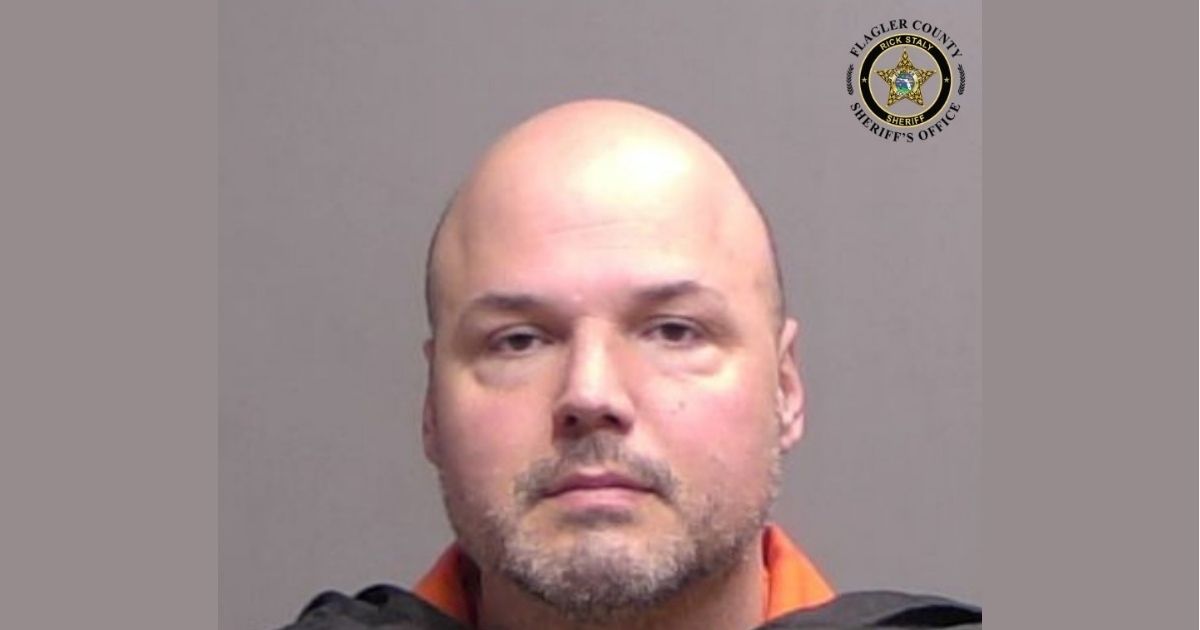
The swift termination of Tapia’s employment by Miami Dade College reflects a common institutional response to allegations of severe misconduct, especially those involving minors. Educational institutions are often held to a high standard of moral and ethical conduct for their faculty and staff, particularly when they interact with students or represent the institution in the public eye. The college’s decisive action aimed to distance itself from the alleged actions and uphold its commitment to student safety and institutional integrity.
Adding to the college’s challenges, this marks the third arrest of an employee from Miami Dade College in the past three months related to sexual crimes concerning minors. This concerning pattern raises questions about vetting processes, employee oversight, and the broader campus safety environment, prompting calls for comprehensive reviews of hiring practices and conduct policies within the institution.
Richard Tapia’s Background and Political Aspirations
Beyond his academic career, Richard Tapia also had a brief foray into the political arena. In 2018, he ran for a Florida House seat as a Democrat. While his political campaign was ultimately unsuccessful, his public profile as both an educator and a political candidate adds another layer to the public’s perception and the broader implications of these charges.
His background as a professor of political science and international relations suggests a role dedicated to educating and shaping young minds, often discussing ethics, governance, and societal responsibility. The stark contrast between this professional role and the nature of the charges he now faces contributes to the sense of betrayal of trust that often accompanies such allegations against public figures or educators.
The fact that Tapia was a Democratic candidate was noted in the original reporting. While political affiliation is a factual detail of his biography, it is important for objective journalistic reporting to avoid implying a pattern of misconduct based solely on party lines. Accusations of sexual misconduct against public figures, regardless of their political affiliation, consistently erode public trust in leadership and institutions.
Broader Implications and Public Trust
The case of Richard Tapia has several broader implications, particularly concerning public trust, child safety, and institutional responsibility.
Erosion of Public Trust: When individuals in positions of authority and trust, such as educators or political aspirants, are accused of severe crimes, particularly those involving children, it significantly erodes public trust. Parents entrust colleges with the education and well-being of their children, and communities expect politicians to uphold high ethical standards. Such incidents can foster cynicism and heighten anxieties about who can be trusted in society.
Child Safety and Vulnerability: The case highlights the persistent vulnerability of minors and the critical importance of robust safeguards. The fact that a 15-year-old was reported missing and subsequently found with an adult in a hotel room underscores the dangers children can face. Child advocacy groups consistently emphasize the need for vigilance from parents, communities, and law enforcement to protect children from exploitation. Statistics from organizations like the National Center for Missing and Exploited Children (NCMEC) show that thousands of children are reported missing each year, and a significant percentage of these cases involve exploitation or abduction, often by individuals known to the child.
Institutional Accountability: Miami Dade College’s response, including the swift termination of Tapia and its public statements, demonstrates a commitment to accountability. However, the revelation that this is the third such arrest of an employee within three months raises serious questions about the college’s internal protocols. Institutions are increasingly scrutinized for their vetting processes, reporting mechanisms, and overall culture of safety. This incident may prompt a review of these procedures not only at MDC but potentially across other educational institutions.
The Power of Forensic Evidence: The re-arrest based on DNA evidence underscores the crucial role of forensic science in modern criminal justice. DNA analysis provides objective, scientific proof that can corroborate victim statements, identify perpetrators, and ensure that justice is pursued based on concrete facts rather than solely on witness testimony, which can sometimes be challenged. This technological advancement empowers law enforcement to build stronger cases and secure convictions for serious crimes.
The On-Going Investigation: The Flagler County Sheriff’s Office has explicitly stated that it is seeking to learn if there are more victims. This aspect of the investigation is critical, as predators often have multiple victims. Encouraging potential victims to come forward is a standard practice in such cases, aiming to bring all alleged criminal activity to light and ensure comprehensive justice. Law enforcement agencies often provide anonymous tip lines and support services for victims to facilitate this process.
Legal Proceedings and Bond
Richard Tapia was taken to the Sheriff Perry Hall Inmate Detention Facility following his re-arrest. He is currently being held on a bond of $350,000. The bond amount reflects the severity of the charges and the potential flight risk or danger to the community. For charges as serious as lewd or lascivious battery on a minor, high bond amounts are typical, designed to ensure the accused appears for all court proceedings and to protect potential witnesses or victims.
The legal process will now proceed through the Florida judicial system, involving arraignment, discovery, pre-trial motions, and potentially a trial. Given the nature of the charges and the DNA evidence, this case is expected to be closely watched by the public and legal community alike. The legal system aims to ensure due process for the accused while also seeking justice for the alleged victim and protecting the community.
This developing story continues to unfold, with further details expected as the Flagler County Sheriff’s Office progresses its investigation and the case moves through the courts. The implications for the victim, the accused, and the institutions involved will be significant and far-reaching.