

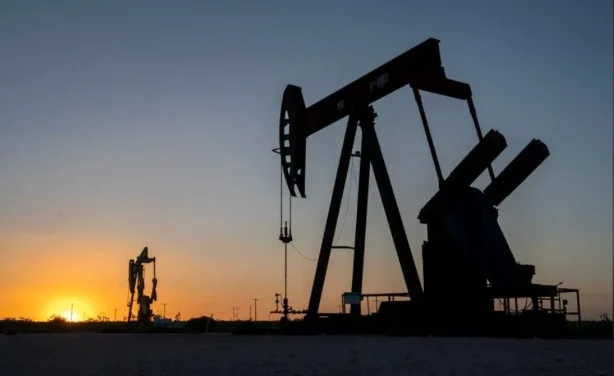
As the nation approaches the final three months before a pivotal presidential election, the Permian Basin, a geological marvel spanning West Texas and Southeastern New Mexico, finds itself at the epicenter of a critical debate. The region, renowned as one of the world’s most prolific oil and natural gas fields, faces significant uncertainty regarding its economic future, inextricably linked to the policy platforms and philosophical stances of the candidates vying for the White House. The outcome of this election is poised to profoundly influence the local economy, particularly the vital oil and gas sector and the thousands of jobs it sustains.
The heart of the matter lies in how a new or re-elected administration’s energy policies could reshape the operational landscape for petroleum companies, their employees, and the myriad supporting businesses in communities like Odessa and Midland. The divergent approaches to energy policy, oscillating between promoting fossil fuel production and accelerating the transition to renewable energy sources, have historically created a volatile environment for the industry.
A Deep Dive into the Permian’s Economic Engine
The Permian Basin is not merely a geographic location; it is a colossal economic engine for both Texas and New Mexico, and a cornerstone of U.S. energy independence. According to the U.S. Energy Information Administration (EIA), the Permian accounts for approximately 5.8 million barrels of crude oil per day, representing over 40% of total U.S. crude oil production as of early 2024. Its natural gas output is equally substantial, making it a critical supplier for domestic consumption and liquefied natural gas (LNG) exports. This prolific production translates directly into jobs, investment, and tax revenues that fund public services across the region. Tens of thousands of direct jobs in drilling, extraction, processing, and transportation are supported, with many more indirect jobs in sectors ranging from manufacturing and logistics to hospitality and real estate. The economic stability of communities throughout the Permian is therefore acutely sensitive to fluctuations in energy policy and market conditions.
Kirk Edwards, President and CEO of Latigo Petroleum in Odessa, a veteran in the industry since the 1980s, articulated the pervasive concern among local stakeholders during an interview with ABC Big 2’s Chris Talley. "This affects everybody in our population here, especially in Southeastern New Mexico and West Texas," Edwards stated, underscoring the broad impact of national political decisions on local livelihoods. Having navigated multiple presidential administrations, Edwards is intimately familiar with the ebb and flow of regulatory environments. "Somehow in the past few decades it became a ‘political football’ and we’ve seen it go both ways – there’s no doubt about it," he observed, highlighting the politicization of energy policy.
Chronology of Policy Shifts: A Pendulum Swing
The "political football" Edwards refers to is evident in the stark contrast between recent administrations’ approaches to energy.
-
The Trump Administration (2017-2020): During Donald Trump’s presidency, the policy thrust was unequivocally toward maximizing domestic energy production and exports, fostering "energy dominance." This administration pursued a strategy of deregulation, aiming to reduce perceived burdens on the oil and gas industry. Key actions included streamlining permitting processes for drilling on federal lands, withdrawing from the Paris Agreement on climate change (though rejoining under Biden), and rolling back environmental regulations, such as methane emission standards. The stated goal was to boost economic growth, create jobs, and enhance national security through energy independence. This approach was largely welcomed by the fossil fuel industry, which saw reduced operational costs and increased opportunities for expansion. The Permian Basin experienced significant growth during this period, fueled by technological advancements like hydraulic fracturing and horizontal drilling, combined with a supportive federal policy environment.
-
The Biden Administration (2021-Present): Upon taking office, President Joe Biden pivoted sharply towards a climate-centric agenda, prioritizing the transition to green energy and rejoining the Paris Agreement. His administration initiated policies designed to curb fossil fuel expansion and incentivize renewable energy. Early actions included pausing new oil and gas leases on federal lands and waters, increasing the cost of drilling permits, and reinstating and strengthening environmental regulations. While the administration has also called on OPEC+ to increase oil production at times of high gasoline prices, its overarching policy framework has been to steer the U.S. economy away from fossil fuels. This approach has been met with significant pushback from the oil and gas industry, which argues that such policies hinder domestic production, increase energy costs, and jeopardize energy security, particularly during periods of geopolitical instability.

The Broader Energy Transition Debate
The differing political stances are symptomatic of a larger national and global debate regarding energy transition. Proponents of green energy emphasize the urgent need to address climate change, reduce greenhouse gas emissions, and invest in renewable sources like solar, wind, and geothermal. They argue that a rapid transition will create new jobs, foster technological innovation, and enhance long-term energy security by reducing reliance on volatile global oil markets. Environmental advocacy groups frequently point to the long-term economic and environmental costs of continued fossil fuel dependence, including extreme weather events, public health impacts, and ecological degradation.
Conversely, advocates for continued fossil fuel production, including many in the Permian Basin, contend that a precipitous shift away from oil and gas would destabilize the economy, lead to job losses, and compromise energy affordability and reliability. They highlight the indispensable role of fossil fuels in powering modern society, from transportation and manufacturing to plastics and pharmaceuticals. Industry leaders often argue for a more gradual, technology-driven transition that allows for continued fossil fuel production while investing in carbon capture technologies and other innovations to mitigate environmental impacts. They stress that oil and gas will remain critical components of the global energy mix for decades to come, and that U.S. production, with its stricter environmental standards, is preferable to relying on foreign sources.
Political Shifting Sands: The Candidates’ Evolving Stances
The fluidity of energy policy is further exemplified by the evolving positions of political figures. Democratic Presidential nominee Kamala Harris, for instance, has recently demonstrated a nuanced shift in her stance on hydraulic fracturing, or "fracking." While campaigning for president in 2020, she had expressed support for banning fracking, aligning with a more progressive wing of her party and environmental advocates. However, in the current election cycle, as she attempts to sway voters in Pennsylvania—the nation’s second-largest natural gas producer behind Texas—her rhetoric has softened. This strategic adjustment reflects the political realities of energy-dependent states and the recognition that a complete ban on fracking could alienate crucial swing voters and impact significant regional economies. This shift underscores the pragmatic challenges politicians face in balancing environmental goals with economic realities and voter sentiment, especially in key battleground states where energy jobs are a significant concern.
The Republican platform, typically championed by Donald Trump, consistently advocates for "unleashing" American energy production, reducing regulations, and promoting fossil fuels as a cornerstone of economic prosperity and national security. This approach resonates strongly in regions like the Permian Basin, where residents often perceive environmental regulations as direct threats to their livelihoods.
Implications for the Permian Basin
The outcome of the election carries profound implications for the Permian Basin:
- Investment and Exploration: An administration favoring increased domestic production would likely foster a climate conducive to new investments in exploration and drilling. Reduced regulatory hurdles and potential incentives could encourage companies to expand operations, leading to increased capital expenditure and a more robust job market. Conversely, policies aimed at curtailing fossil fuel use could deter investment, slow down new project approvals, and potentially lead to a contraction in drilling activity.
- Employment: The direct link between policy and jobs is a paramount concern. A pro-fossil fuel stance could sustain or even increase employment in the oil and gas sector, benefiting engineers, geologists, field workers, and support staff. A more restrictive environmental policy could lead to job losses, particularly if companies choose to scale back operations or if new drilling permits become scarce or prohibitively expensive. This would have a ripple effect on ancillary industries, from equipment suppliers to housing and retail.
- Regulatory Environment: The regulatory burden is a key factor for energy companies. A deregulation-focused administration would likely reduce compliance costs and accelerate project timelines. Conversely, an administration prioritizing environmental protection would likely increase scrutiny, impose stricter emission standards, and potentially raise costs associated with operations, such as fees for drilling on federal lands or requirements for methane capture.
- Global Market Position: U.S. energy policy also influences its standing in global energy markets. Robust domestic production can enhance the nation’s leverage in international diplomacy and provide a buffer against global supply shocks. A reduction in U.S. output could potentially shift global influence to other producing nations and increase reliance on foreign energy sources.
- Diversification Efforts: While the Permian Basin is heavily reliant on oil and gas, there are ongoing discussions about economic diversification. Policies that discourage fossil fuel production might inadvertently accelerate these diversification efforts, pushing communities to explore opportunities in renewable energy manufacturing, technology, or other sectors. However, such transitions are complex, costly, and require significant long-term planning and investment, and are unlikely to offset immediate job losses from a declining oil and gas sector.
Conclusion: Awaiting the Verdict
For the Permian Basin, the upcoming presidential election is far more than a political contest; it is a determinant of economic trajectory and community well-being. The philosophical divide between prioritizing fossil fuel production for energy independence and economic growth versus accelerating the transition to green energy for climate mitigation defines the stakes. As Kirk Edwards and countless others in the region understand, the policies enacted by the next White House occupant will directly shape the opportunities and challenges for one of America’s most critical energy hubs. The race to the White House is not just about national leadership; it is a direct referendum on the future of energy, with profound local consequences for the Permian Basin and its resilient workforce. The next three months will be crucial as voters weigh these complex issues, ultimately deciding the course for both the nation’s energy future and the prosperity of its vital energy-producing regions.









