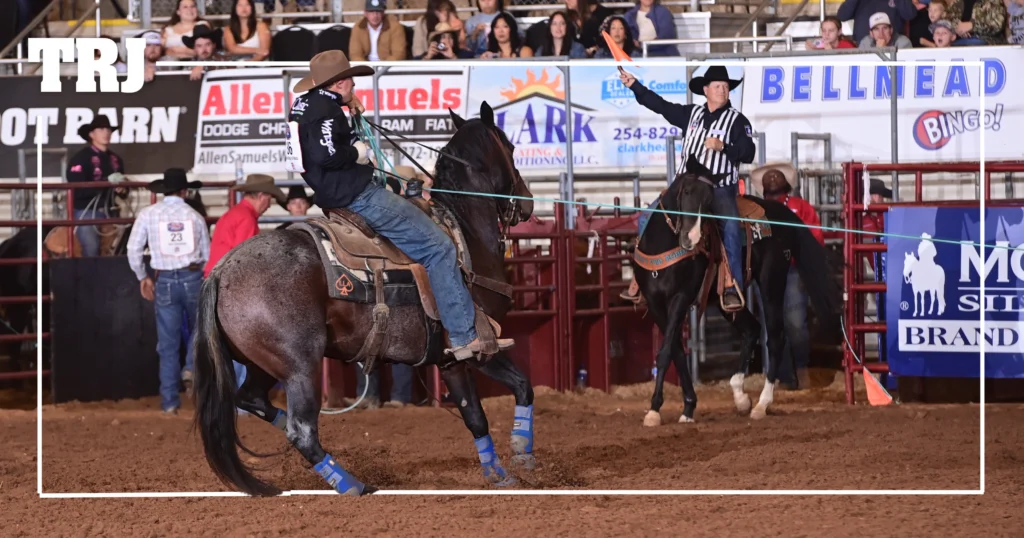
The 2026 professional rodeo season witnessed an unparalleled display of dominance from the formidable team roping duo of Kaleb Driggers and Junior Nogueira, who shattered their own regular-season earnings record, amassing an astonishing $251,887. This monumental achievement, surpassing their 2022 record of $227,878, firmly cemented their status as legends in the sport. Yet, for all their record-breaking success and consistent excellence, the season was also marked by a peculiar twist of fate: tie-breaker rules denied them championship buckles at two of professional rodeo’s most prestigious events, the San Antonio Stock Show & Rodeo and Cheyenne Frontier Days. Despite these significant setbacks, Driggers, ever the champion, offered no excuses, embodying a mindset of relentless self-improvement that continues to define their illustrious careers.
A Season of Unmatched Dominance and Financial Milestones
Kaleb Driggers, the header, and Junior Nogueira, the heeler, entered the 2026 season with an already impressive resume, including back-to-back world championships in 2021 and 2022. Their campaign throughout 2026 was a testament to their refined skill, unwavering consistency, and deep understanding of the competitive landscape of professional rodeo. The $251,887 they collectively earned in the regular season not only set a new benchmark for team roping but also highlighted the increasing financial stakes and professionalization of the sport. This figure represents their individual earnings combined, emphasizing their incredible earning power as a partnership. The Professional Rodeo Cowboys Association (PRCA) circuit, a demanding gauntlet of events spanning the nation, requires not only exceptional talent but also strategic planning and endurance. Driggers and Nogueira consistently demonstrated all these attributes, navigating various arenas, livestock, and competitive pressures to routinely finish at the top. Their ability to break their own financial record from just four years prior speaks volumes about their sustained peak performance and perhaps, the growing prize money pools in professional rodeo, reflecting the sport’s increasing popularity and commercial appeal.
The San Antonio Heartbreak: A Close Call Decided by Dollars
One of the season’s first significant championship contenders for Driggers and Nogueira came at the San Antonio Stock Show & Rodeo, a storied event known for its unique bracket format and high stakes. The duo showcased their customary brilliance, expertly navigating the sudden-death advancement rounds and demonstrating their ability to perform under immense pressure. By the time they reached the finals, they had delivered a run that many believed would secure the championship. They posted an impressive 3.8-second run, a time that would typically guarantee a victory lap. However, fate, in the form of the rodeo’s specific ground rules, had other plans.
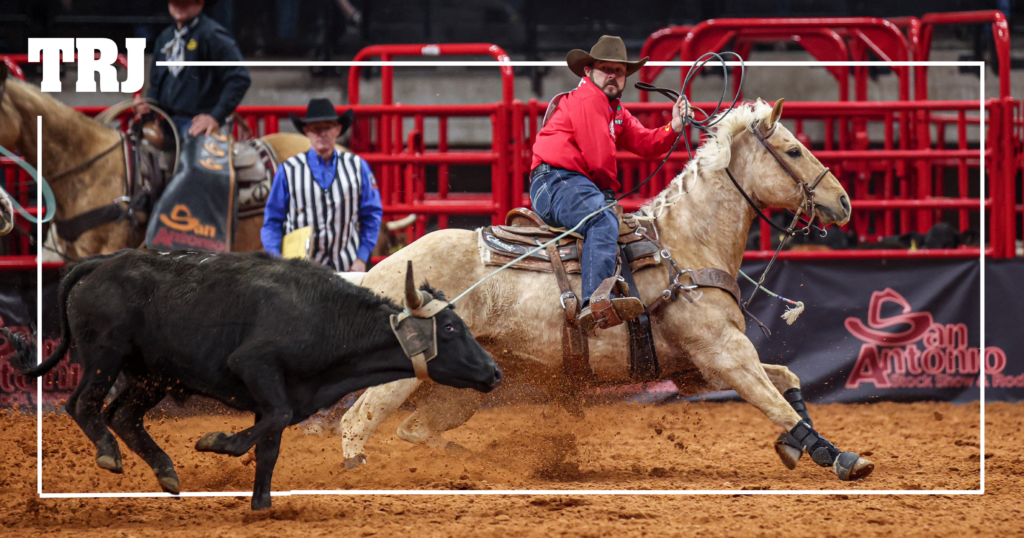
They found themselves in a dead heat with another formidable pair, Lightning Aguilera and Wyatt Cox, who also recorded an identical 3.8-second run in the finals. In such scenarios, rodeo rules often dictate tie-breakers, and San Antonio’s rule hinged on the total money won by each team throughout the entire rodeo. This particular tie-breaker mechanism proved to be Driggers and Nogueira’s undoing. Aguilera and Cox had accumulated $24,218 per man, a sum that included a crucial $5,504 earned from winning the Wildcard redemption round – a second chance for teams that narrowly missed advancing in their initial brackets. Driggers and Nogueira, having progressed more directly, had amassed $22,017. The difference, though seemingly marginal in the grand scheme of their season earnings, was decisive. Aguilera and Cox were thus crowned champions, "stealing the show" as the narrative suggested, not through a faster run in the final, but through a cumulative financial advantage built over the multi-stage competition. The photo of Driggers and Nogueira at San Antonio, captioned "No team was better than Driggers and Nogueira at San Antonio, but they lost the title tie-breaker to Aguilera and Cox," poignantly captures the essence of this frustrating outcome. It underscored that in professional rodeo, victory is not always solely about the fastest time in the final moment, but also about the intricate layers of rules and the cumulative performance across an entire event.
Cheyenne Frontier Days: A Double Tie-Breaker Denies the Duo
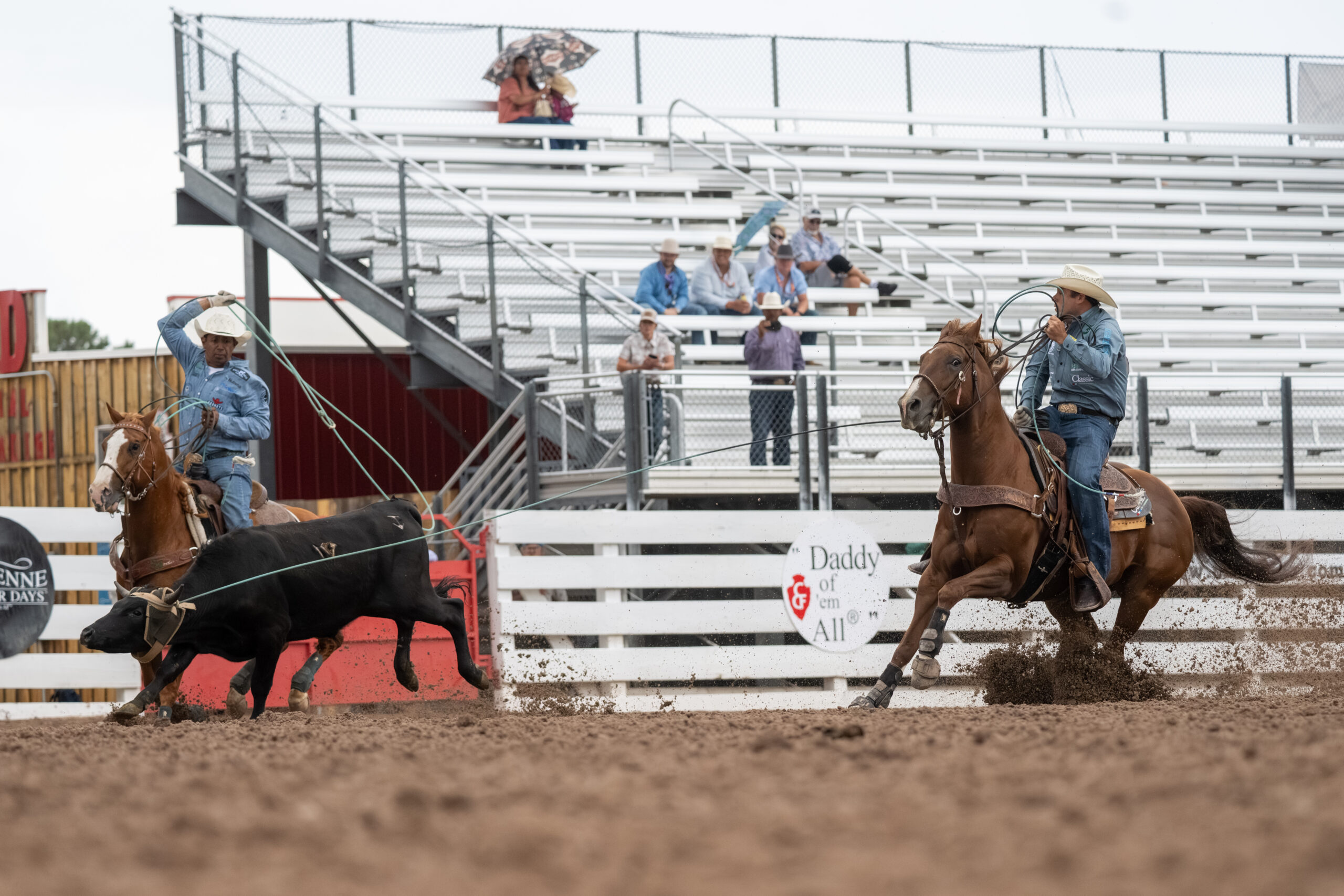
The narrative of tie-breaker woes continued for Driggers and Nogueira later in the season, this time at the iconic Cheyenne Frontier Days Rodeo in July. Known as "The Daddy of ’em All," Cheyenne presents a unique challenge with its vast arena and long scores, demanding a different kind of strategy and horsemanship. Driggers and Nogueira once again proved their versatility, mastering the challenging conditions to deliver a salty 7.6-second run in the finals.
Remarkably, history repeated itself. Tyler Tryan and Nicky Northcott matched their 7.6-second effort, leading to another tie. Cheyenne’s ground rules, however, featured an even more complex, two-tiered tie-breaker system. The first layer, similar to San Antonio, was total money won at the event. In an extraordinary coincidence, both teams had earned precisely $12,600 per man, rendering the first tie-breaker ineffective. This necessitated invoking the second layer: the fastest time recorded in the semifinals.
Here, a strategic decision made by Driggers and Nogueira earlier in the competition came back to haunt them. In the semifinals, aiming for a clean run to ensure advancement rather than risking a penalty for a lightning-fast but potentially flawed run, they had posted a 9.6-second time. This was a "smart move for advancement sake," as the original article noted, prioritizing progression over a potentially risky speed run. Tryan and Northcott, however, had delivered a quicker 7.9-second run in their semifinal performance. Consequently, Tryan and Northcott were awarded the Cheyenne Frontier Days championship based on their faster semifinal time. The image of Junior Nogueira closing the deal at Cheyenne, while earning $12,600 per man, starkly contrasts with the ultimate denial of the championship buckle. This incident highlighted the intricate dance between strategic caution and aggressive speed required in multi-round rodeo formats, where a decision made in an earlier round can have unforeseen consequences in a later tie-breaker.
Puyallup: Co-Champions and a Rulebook Anomaly
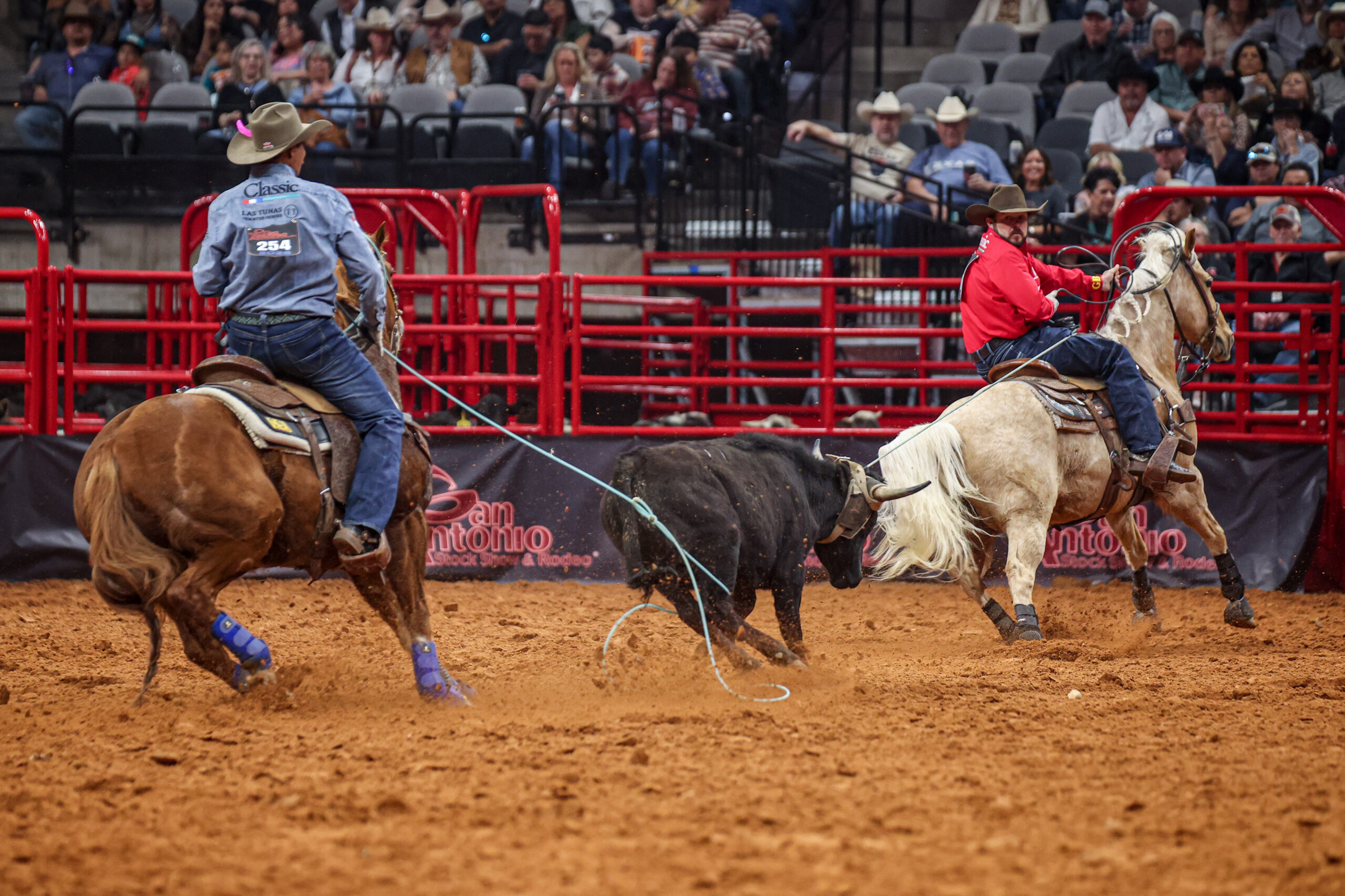
Amidst these tie-breaker heartbreaks, there was one major rodeo where a tie resulted in a shared victory, offering a glimpse into the diverse rule sets across different events. In September, at the Washington State Fair Rodeo in Puyallup, Driggers and Nogueira once again found themselves in a dead heat in the finals. They produced a 4.1-second run, which was matched by the team of James Arviso and Levi Lord.
However, unlike San Antonio and Cheyenne, the Puyallup rodeo had no specific tie-breaker rules in place for the championship. This absence of a decisive rule meant that both teams were crowned co-champions, each emerging from different brackets with identical earnings of $14,858 per man. This outcome stands in stark contrast to their experiences earlier in the season, underscoring the lack of universal standardization in tie-breaker rules across the PRCA circuit. While some might argue for consistency, the varying rules add an element of unique challenge and strategic adaptation to each rodeo, making a truly dominant season even more commendable.
The Champion’s Mindset: No Excuses, Only Improvement
In the face of these significant championship losses, especially given their record-breaking season, many athletes might express frustration or critique the rules. Kaleb Driggers, however, displayed the hallmark of a true champion: humility, self-accountability, and respect for his competitors. When asked about the San Antonio and Cheyenne outcomes, his response was direct and unequivocal:
"I should have done better," he stated matter-of-factly. "I don’t want to throw shade on other people’s wins. I want them to enjoy their win. I should have been faster at both places, bottom line. Congratulations to those other guys. They roped great.”
This statement is more than just a soundbite; it’s a profound insight into the mindset that has propelled Driggers and Nogueira to the pinnacle of team roping. It reflects a refusal to externalize blame, instead focusing inward on areas for personal and team improvement. This perspective is invaluable, particularly for young athletes, as it teaches that true sportsmanship involves acknowledging the success of others while simultaneously striving for one’s own betterment. Driggers’ comments reinforce the idea that in elite competition, the margins are incredibly fine, and even minor improvements can be the difference between a tie and an outright win. His gracious congratulations to Aguilera, Cox, Tryan, and Northcott further exemplify the camaraderie and mutual respect that, despite fierce competition, remains a cornerstone of the rodeo community.
Broader Implications and the Nuances of Rodeo Rules
The events of Driggers and Nogueira’s 2026 season spark a broader discussion about the nature of tie-breaker rules in professional rodeo. Are these rules fair? Do they adequately reward consistent performance, or do they sometimes penalize strategic decisions made earlier in a multi-round format? The San Antonio tie-breaker, based on cumulative earnings, introduced a dynamic where a team’s success in a "redemption" round could ultimately decide a championship, even if their final run wasn’t superior. The Cheyenne tie-breaker, delving into semifinal times, further complicated matters, turning an earlier strategic decision into a potential championship liability.
Such variations in rules underscore the autonomy of individual rodeo committees within the PRCA framework. While this allows for unique traditions and formats at each event, it also means competitors must be intimately familiar with the specific rulebook for every rodeo they enter. For athletes like Driggers and Nogueira, who compete at dozens of events annually, this adds another layer of mental preparation to their already demanding physical and strategic regimen.
Ultimately, while the tie-breaker losses might sting, they do little to diminish the historical significance of Driggers and Nogueira’s 2026 season. Their record-shattering earnings are a testament to their enduring excellence and ability to consistently perform at an elite level. These incidents serve not as a mark of failure, but as footnotes in a season defined by unparalleled success, highlighting the razor-thin margins at the top of professional rodeo. The champions’ humble acceptance and commitment to improvement only add to their legendary status, proving that even in setbacks, there is an opportunity for growth and a demonstration of character that resonates far beyond the arena. As they look towards future seasons, the lessons learned from these tie-breaker moments will undoubtedly sharpen their focus, propelling them to new heights in their relentless pursuit of rodeo glory.