

The prestigious LeMieux National Dressage Championships, a cornerstone event in the British equestrian calendar, recently concluded, reaffirming its status as a crucial platform for showcasing top-tier dressage talent. While the conclusion of major international championships often leads to a temporary lull in domestic competition as horses and riders recuperate, this year’s event demonstrated remarkable resilience and continued competitive spirit. The grand prix field, in particular, was notably strong, featuring several championship team riders, including one who had recently competed at the World Championships, underscoring the high caliber of competition on display. This strong showing is particularly significant given the proximity of the next Olympic Games, a mere two years away, a timeframe that in equestrian terms is akin to "five minutes or 19 shoeing cycles," highlighting the urgency and dedication required for elite preparation.
A Strong Field Despite International Commitments
The National Dressage Championships, held at the renowned Somerford Park, typically serves as a vital barometer for the health of British dressage. Following major international events such as the World Championships or European Championships, it is not uncommon for the top echelon of riders to rest their horses, leading to a somewhat diluted grand prix lineup. However, this year defied that trend, with many of the nation’s most accomplished dressage athletes choosing to compete. The presence of riders who had represented Great Britain on the world stage, some with horses that had recently undertaken the arduous journey to the World Championships, speaks volumes about the event’s enduring appeal and the competitive drive of its participants. This indicates a robust and committed national dressage scene, capable of sustaining high-level competition even in the demanding lead-up to global events.
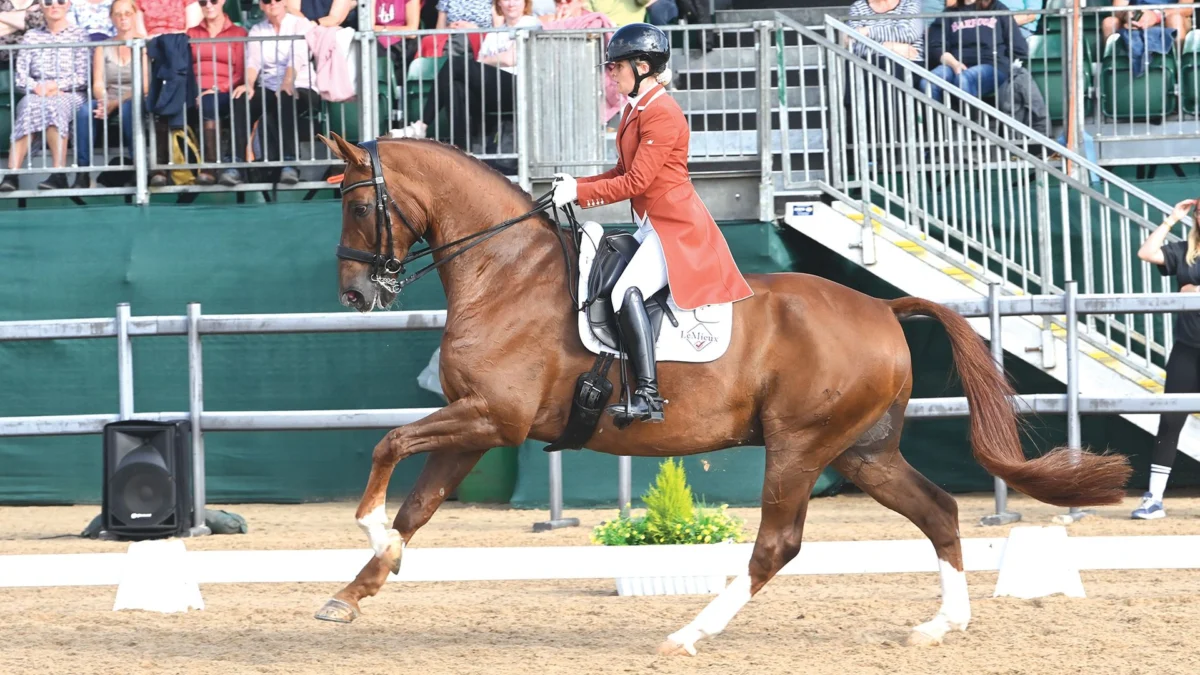
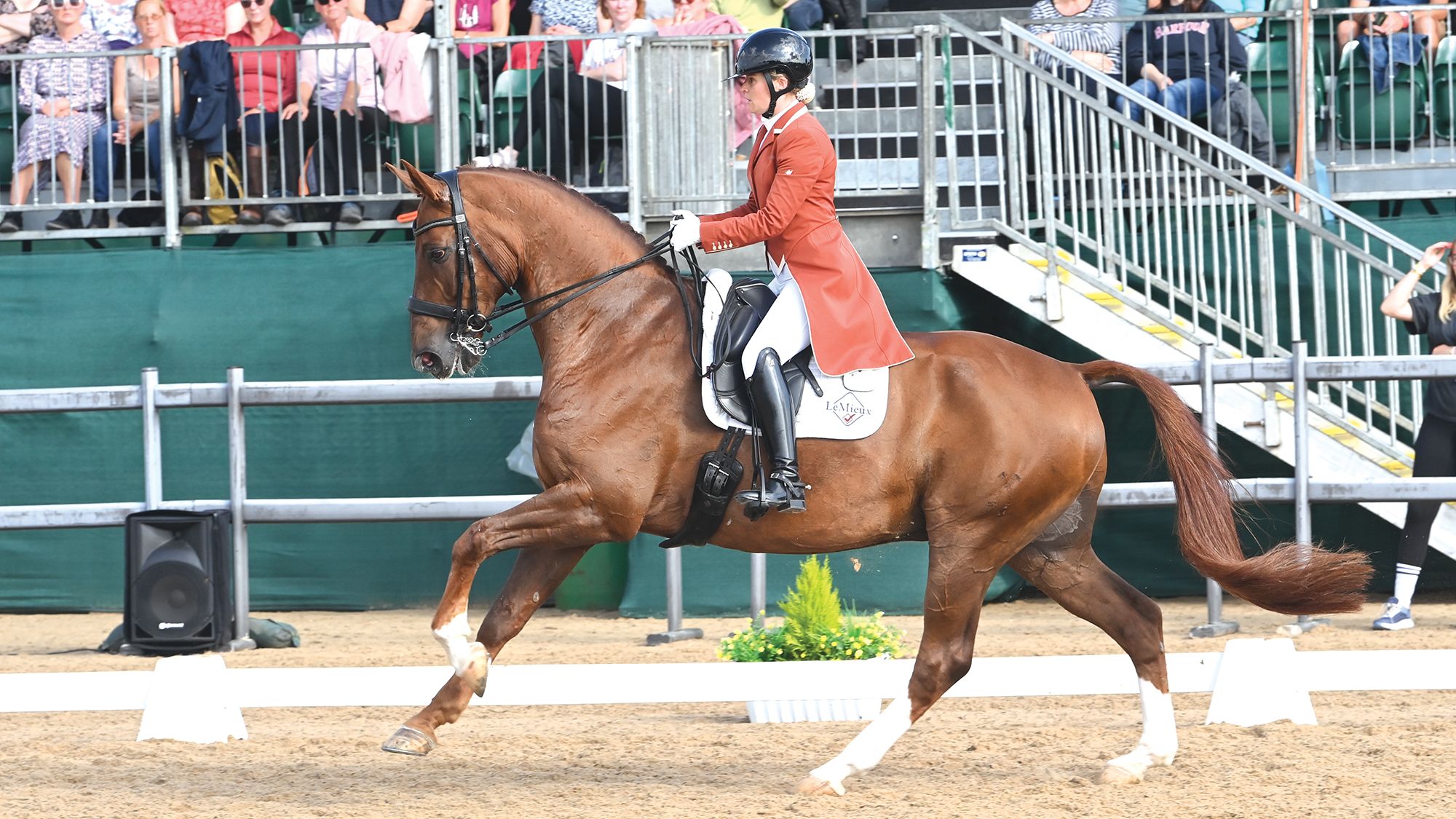
The fact that championship team riders secured the top three positions in the grand prix class further validates the depth of talent within British dressage. One notable competitor, Olivia Oakeley, made a significant return to grand prix at the nationals, riding her horse Full House. This marked her first grand prix competition at this level in a decade, a testament to her perseverance and the successful development of her partnership with Full House. Oakeley’s presence and performance, alongside other elite riders, provided a compelling narrative of dedication and the long-term commitment required to reach and remain at the pinnacle of the sport. The image capturing Oakeley in an extended canter at the championships, impeccably attired in a red tailcoat, embodies the elegance and precision that defines grand prix dressage.
The Road to the Olympics: A Tightening Timeline
With the next Olympic Games looming less than two years away, the intensity of preparation among elite dressage riders is palpable. The Olympic Games represent the ultimate aspiration for any equestrian athlete, and the journey to qualify and compete at this level is a multi-year endeavor involving meticulous training, strategic competition planning, and significant financial investment. The timeframe of less than two years, while seemingly ample, is compressed in the context of equine sport. Horses require careful conditioning, development, and a consistent competition schedule to peak at the right moments. Any setbacks, such as injuries or a horse’s development not progressing as anticipated, can have a profound impact on an athlete’s Olympic aspirations.
The LeMieux National Dressage Championships, therefore, serves not only as a celebration of current achievement but also as a critical stepping stone in the Olympic qualification process. Riders use these events to gauge their progress, refine their training strategies, and gain valuable competitive experience against their peers. The performances at Somerford Park provide insights into which combinations are on track for Olympic contention and highlight areas where further development may be needed. The dedication shown by the competitors at this year’s championships suggests a collective understanding of the urgency and a unified commitment to placing British dressage on the global map in the upcoming Olympic cycle.
Supporting Data and Performance Metrics
While specific detailed results beyond the top three are not provided in the initial context, the assertion that championship team riders filled the top positions allows for an inferential analysis. Typically, national championship results reflect a rider’s ability to consistently perform under pressure, demonstrating mastery of the intricate dressage tests. These tests are judged on a variety of criteria, including the submission of the horse, the rider’s influence, the harmony between horse and rider, and the execution of specific movements such as piaffes, passage, pirouettes, and extended gaits. Scores in the grand prix class often range from the mid-60s to the high-70s, with exceptional performances occasionally breaking into the 80s. The presence of riders with recent international experience suggests that the winning scores at this year’s nationals were likely competitive, reflecting a high standard of execution and training.
Furthermore, the mention of a horse having competed at the World Championships implies a certain level of experience and maturity within that partnership. Horses at that elite level have typically undergone years of specialized training, possess exceptional athleticism, and have a proven track record of performing well in high-pressure environments. Their presence at the National Championships, even if not victorious, contributes to the overall competitive depth and provides valuable benchmarks for other aspiring combinations.
Inferred Statements and Expert Analysis
While direct quotes from officials or athletes are not available in the provided text, the context allows for the inference of typical sentiments surrounding such an event. Organizers of the LeMieux National Dressage Championships would undoubtedly express satisfaction with the strong turnout and the high level of competition, viewing it as a positive indicator for the sport’s growth and the dedication of its participants. They would likely emphasize the event’s role in nurturing talent and providing a platform for both established and emerging riders.
Equestrian experts and commentators, such as Anna Ross, an international grand prix dressage rider and freelance trainer featured in the author bio, often provide valuable insights. Ross, who has represented Britain at the European Championships and frequently assists with commentary services for major events, would likely offer analysis on the technical aspects of the performances, the potential of the leading combinations, and the overall trajectory of British dressage. Her expertise would likely focus on the nuances of training, the importance of horse welfare, and the strategic planning required for Olympic success. The fact that she is a regular columnist for Horse & Hound further underscores the importance of such events for ongoing discussion and analysis within the equestrian community. Her involvement signifies a commitment to providing in-depth commentary on the sport’s developments.
Broader Impact and Implications
The success of the LeMieux National Dressage Championships has several significant implications for the sport in Britain. Firstly, it reinforces the strength and depth of the national dressage talent pool. The ability to attract and retain top riders, even in the shadow of major international events, suggests a healthy and supportive ecosystem for dressage. This is crucial for building confidence and momentum as the nation looks towards future international successes.
Secondly, the event serves as an inspiration for aspiring riders. Witnessing top athletes compete at such a high level provides tangible goals and motivates younger generations to pursue their own dressage ambitions. The presence of experienced riders like Olivia Oakeley, demonstrating resilience and a long-term commitment to the sport, offers a powerful message of dedication and the rewards of perseverance.
Thirdly, the championship’s strong performance underscores the importance of national events in the Olympic preparation cycle. These competitions provide essential opportunities for riders to hone their skills, gain crucial competitive experience, and secure valuable points or rankings that may be necessary for Olympic selection. The investment in these national events, from organizers like LeMieux to the riders themselves, is a direct investment in the future of British dressage on the international stage. The continued commitment to excellence seen at the National Championships bodes well for Britain’s prospects at future global equestrian competitions. The rigorous training, strategic competition, and unwavering dedication showcased at events like the LeMieux National Dressage Championships are the bedrock upon which international success is built, and this year’s event has undoubtedly laid a strong foundation for the Olympic journey ahead. The participation of seasoned campaigners and the emergence of promising partnerships alike signal a vibrant and dynamic future for British dressage.







