

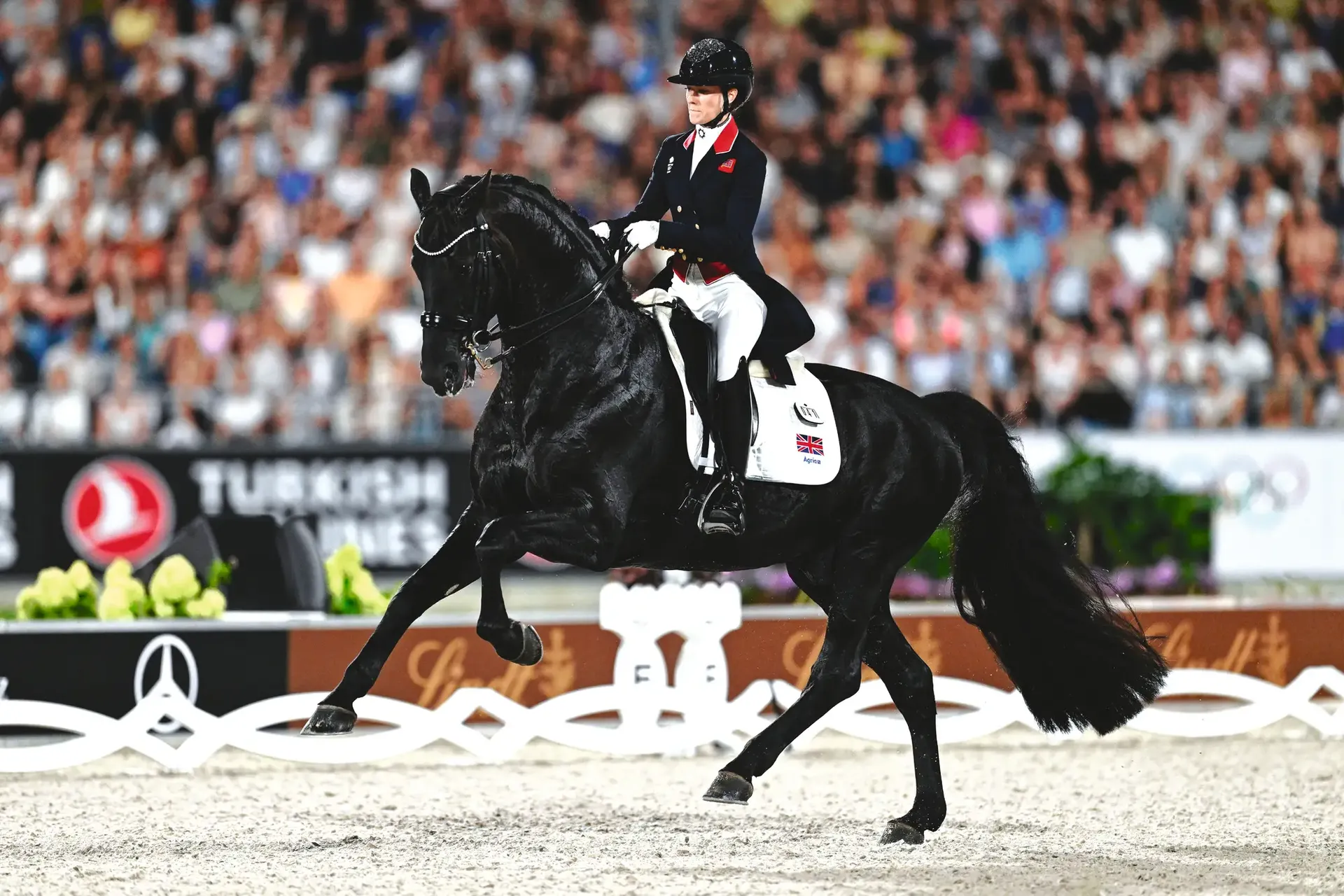
The journey of an elite equestrian athlete is rarely a linear ascent. Setbacks, though unwelcome, often serve as crucial catalysts for growth and refinement. For one prominent dressage rider, the aftermath of last summer’s European Championships presented precisely such an opportunity. Following a performance that fell short of expectations, a thorough debrief with her long-time trainer, Anne van Olst, initiated a strategic recalibration, focusing on fundamental principles and a renewed emphasis on the partnership between horse and rider. This period of introspection and dedicated work has since yielded significant improvements, underscoring the resilience and adaptability inherent in high-performance equestrian sport.
The rider, who has chosen to remain unnamed for this report, detailed the post-championship process, emphasizing its necessity. "It wasn’t the result we wanted," she stated, reflecting on the disappointing outcome at the prestigious continental event. "So, we went right back to basics and started again from there." This decision to return to fundamental training principles, rather than immediately seeking incremental gains, signals a mature understanding of equine athleticism and the intricate demands of dressage at the highest level. The process involved a critical examination of every facet of their preparation. "What did we want to change? What could be better in the preparation?" were the core questions that guided their intensive review. The goal was not merely to correct technical flaws but to foster a deeper synergy. "It was about becoming more of a team again, really – harmony, seeing what works," the rider explained, highlighting the intangible but vital element of connection with her mount.
This emphasis on partnership is central to success in dressage, where the communication between horse and rider must be seamless and nuanced. The rider’s mount, the highly regarded dressage stallion Glamourdale, is known for his exceptional talent and power. However, harnessing this potential requires a finely tuned interplay. The period after the Europeans was dedicated to rebuilding and strengthening this bond, ensuring that both horse and rider were fully synchronized in their understanding and execution of movements.
The psychological aspect of performance in equestrian sport cannot be overstated. When a highly anticipated event does not unfold as planned, it can test the resolve of both the athlete and their support team. The rider acknowledged the inherent difficulty of such situations but expressed unwavering confidence in her horse. "It’s difficult when it doesn’t go to plan, but we never doubted Glamourdale would get back to his best," she affirmed. This steadfast belief in the horse’s inherent ability is a testament to their existing relationship and the trainer’s expertise. The rider further elaborated on Glamourdale’s capabilities, stating, "He always feels like he’s getting stronger and there’s always a little bit more in him." This observation points to a horse with significant reserves of talent and physical capacity, capable of further development. The challenge, as she articulately described, lies in the execution: "the hard part is getting it all right at the same time." This encapsulates the essence of elite dressage – the intricate coordination of power, athleticism, and precision under the pressure of competition.
The European Championships: Context and Performance
The European Dressage Championships, held annually or biennially, represent one of the pinnacle events in the international equestrian calendar. Typically featuring the top riders and horses from across Europe, the competition is fiercely contested, with medals decided across individual and team categories. These championships serve as a crucial benchmark for national federations and individual athletes, often influencing qualification for the Olympic Games and World Equestrian Games. The pressure to perform at such an event is immense, demanding peak physical condition from the horses, flawless execution from the riders, and meticulous preparation from the entire support team.
While specific details of the rider’s performance at last summer’s championships have not been elaborated upon in the provided content, the acknowledgement of a sub-optimal result indicates that they did not achieve their desired standing or score. This could stem from various factors, including minor errors in execution, the horse not performing at its absolute peak on the day, or simply being outscored by exceptionally strong competitors. The subsequent debrief with Anne van Olst suggests a comprehensive review was undertaken, aiming to identify the root causes of any underperformance.
Anne van Olst: A Guiding Hand in Elite Dressage
Anne van Olst is a highly respected figure in the world of dressage, both as a former competitor and a sought-after trainer. Her extensive experience at the international level provides her with invaluable insights into the nuances of training elite dressage horses and riders. Working with a rider of this caliber, van Olst’s role extends beyond technical instruction; it involves a deep understanding of equine psychology, horse management, and the mental fortitude required for championship competition.
The rider’s decision to engage in a "proper debrief" with van Olst underscores the trust and collaborative nature of their working relationship. Such debriefs are not merely post-mortem analyses but are designed to be constructive sessions that inform future training strategies. They involve dissecting every aspect of the performance, from the horse’s physical readiness and mental state to the rider’s strategic decisions and technical execution. The focus on "going back to basics" and "becoming more of a team again" suggests that van Olst’s guidance likely involved reinforcing fundamental training principles, improving communication cues, and enhancing the overall harmony and partnership between the rider and Glamourdale. This holistic approach is critical for sustained success in dressage.
Glamourdale: A Stallion of Exceptional Promise
Glamourdale, a striking and powerful dressage stallion, has consistently been a horse of significant interest within the equestrian community. Known for his impressive gaits, athleticism, and charismatic presence, he has demonstrated the potential to reach the highest echelons of the sport. Stallions at this level require a specialized training regimen that balances their inherent energy and drive with the refinement and suppleness demanded by dressage.
The rider’s description of Glamourdale as "always feeling like he’s getting stronger and there’s always a little bit more in him" is a common observation among riders of highly talented horses. The challenge for trainers and riders is to unlock this additional potential at the right moments and ensure it is expressed in a controlled and harmonious manner. This involves not only physical conditioning but also mental maturity and a deep understanding of the horse’s individual temperament and responses. The "hard part" of getting "it all right at the same time" is a direct reflection of the complex interplay of factors that contribute to a flawless dressage test. It requires the horse to be physically at its peak, mentally focused, and perfectly attuned to the rider’s aids, all while navigating the pressure of a competition arena.
The Path Forward: Rebuilding and Refining
The strategic reset initiated after the European Championships represents a commitment to long-term development rather than short-term fixes. By returning to fundamental principles, the rider and van Olst are likely re-establishing a solid foundation upon which to build further progress. This might involve:
- Refining Basic Training: Focusing on the quality of the walk, trot, and canter, ensuring suppleness, impulsion, and balance in all transitions. This foundational work is crucial for the successful execution of more advanced movements.
- Enhancing Communication: Working on the subtleties of the rider’s aids, ensuring they are clear, consistent, and understood by Glamourdale. This fosters greater responsiveness and reduces any potential for misinterpretation.
- Strengthening the Partnership: Dedicating time to exercises that promote trust, confidence, and mutual understanding between horse and rider. This could involve non-competitive training sessions, trail rides, or other activities that build rapport.
- Optimizing Preparation: Re-evaluating the pre-competition routine, including warm-up strategies, travel logistics, and acclimatization to the competition environment, to ensure Glamourdale is in the best possible state on competition days.
- Mental Conditioning: Addressing any mental blocks or anxieties for both horse and rider, employing strategies to enhance focus and resilience under pressure.
The journey of elite dressage is characterized by continuous learning and adaptation. The decision to undertake a thorough review and rebuild after a disappointing result demonstrates a professional and dedicated approach to the sport. The confidence expressed in Glamourdale’s potential, coupled with the expertise of Anne van Olst, suggests that this period of strategic recalibration will ultimately lead to even greater success in future competitions. The focus on harmony and partnership signifies a commitment to developing a truly cohesive unit, capable of showcasing the full extent of their combined talent on the world stage. The equestrian world will undoubtedly be watching with keen interest as this dedicated partnership continues to evolve and strive for excellence.







