

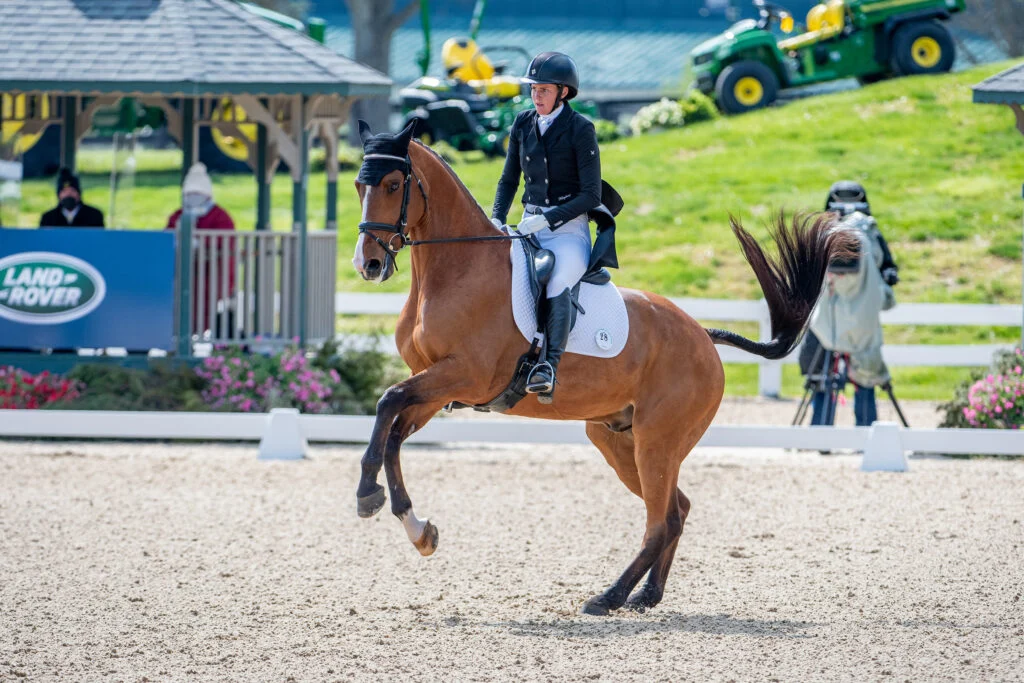
The journey to achieving a clean and consistent flying change in dressage can be a formidable undertaking, often described by seasoned riders as "flying change hell." This vivid phrase, popularized by esteemed dressage clinician Janet Foy in her insightful book "Dressage for the Not-So-Perfect Horse," encapsulates the complex and often frustrating process of teaching this fundamental, yet demanding, equestrian skill. While some horses may grasp the concept with relative ease, mastering it in a matter of weeks, others can require upwards of a year to transition from a state of non-existence to reliable execution. The path is frequently strewn with a litany of challenges: late changes, incomplete changes, outright refusals, dramatic leaps, bolting, bucking, and a bewildering array of combinations thereof. This article outlines eight strategic approaches designed to help riders and their dressage horses navigate this demanding phase, aiming for a successful and mutually rewarding outcome.
The Foundation: Prerequisites for Success
Before even contemplating the flying change, it is paramount to establish a solid foundation of prerequisite skills. In the hierarchical structure of USEF dressage tests, flying changes are officially introduced at Third Level. However, Second Level serves as an invaluable benchmark for assessing a horse’s readiness, particularly in terms of balance, throughness, and straightness. The simple change, a transition from canter to walk and vice versa, is arguably the most critical precursor to a successful flying change.
A balanced and collected canter-walk transition is characterized by the horse lowering its hindquarters while elevating its shoulders, executing the change with a fluid, almost ethereal quality, landing as lightly as a feather. Conversely, the walk-to-canter transition provides a direct preview of the horse’s response to the flying change aid. A sluggish reaction to the leg or a stiffening against the hand during this transition often portends similar difficulties when asking for a flying change. The horse must demonstrate prompt and willing obedience to the canter-depart aid. Daily practice to enhance this reactivity is essential.
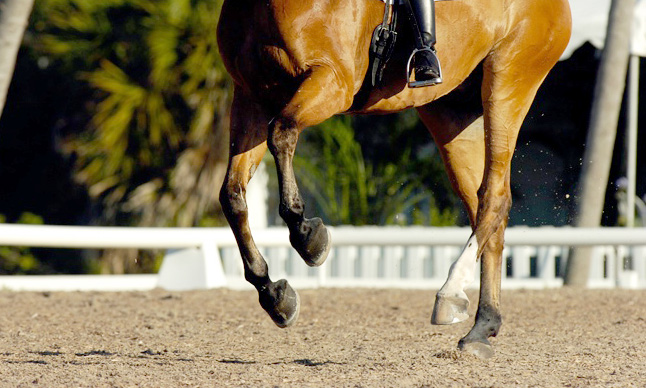
Furthermore, the horse must exhibit throughness and maintain straightness during the canter departure. A steady outside rein is crucial, fostering a connection throughout the transition. Any misalignment present at this stage is likely to be amplified during the flying change itself. The ability to adjust the canter stride is also vital. The horse needs to be responsive to the driving aid for longer strides and attentive to the half-halt to shorten its stride, mimicking a pirouette-type canter. While pirouettes are not formally required until Fourth Level, practicing this ability to shorten and quicken the canter stride beforehand significantly aids in preparing for the demands of the flying change.
Maintaining Standards Amidst Realistic Expectations
A crucial dichotomy exists in approaching the flying change: maintaining high training standards while simultaneously cultivating low expectations for immediate success. Riders must consistently demand an active canter, a quick hind leg, and a balanced self-carriage appropriate for the horse’s current level. Rigorous adherence to responsiveness is key; a sluggish canter depart should be repeated until the desired quality is achieved. Mediocrity in these fundamental transitions should not be tolerated. If a horse is consistently allowed to transition above the bit or slow to the leg, there is little incentive for it to perform a correct flying change. These high standards should apply not only to the horse’s performance but also to the rider’s own attentiveness and execution.
Concurrently, it is advisable to temper expectations regarding the initial flying changes. While appearing natural, the flying change is one of the most intellectually and physically demanding movements to teach. It involves both a physical capacity and a mental understanding, with each horse progressing at its own individual pace. Celebrating and rewarding even minor successes is paramount in building the horse’s confidence in the rider and the training process.
Understanding the Non-Linear Nature of Progress
The path to mastering flying changes is rarely a straight line; it is often characterized by periods of progress followed by perceived setbacks. The phenomenon of the "good ride" can be particularly deceptive, leading to a sense of breakthrough only to be followed by frustration the next day, as if returning to square one. To mitigate this, maintaining a training journal or regularly videotaping sessions can provide valuable objective feedback, illustrating the long-term progression of the horse’s development. The more thoroughly the prerequisite skills are addressed, the smoother the overall learning curve is likely to be.
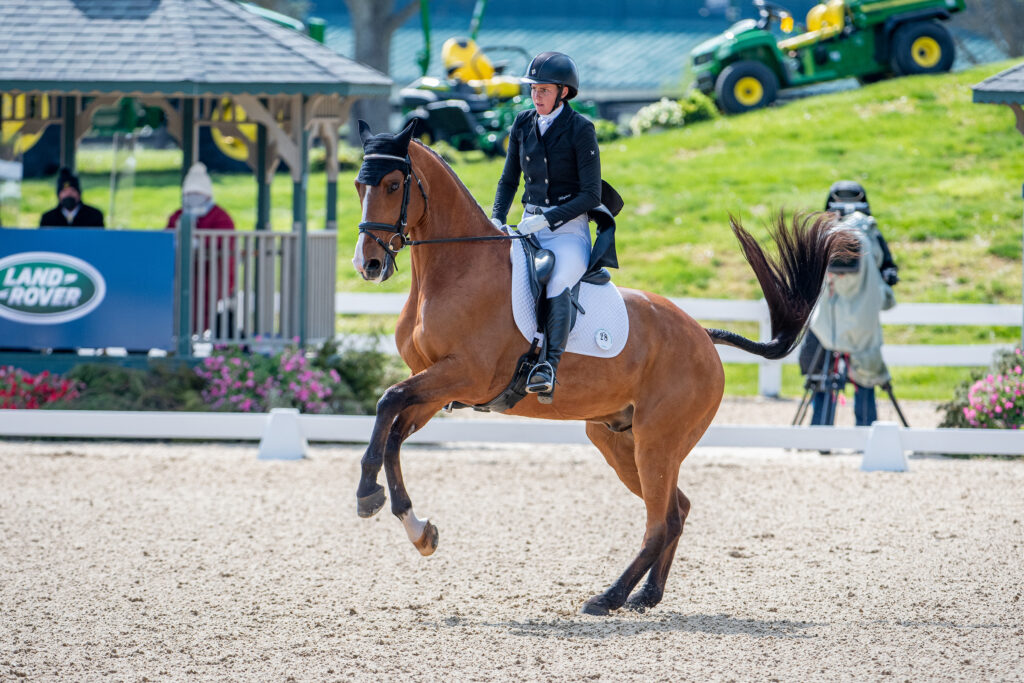
The learning process also varies dramatically between individual horses. One rider’s experience highlights this: their first Grand Prix horse required a full year to achieve clean flying changes, exhibiting a wide array of incorrect responses. It was only when the rider was contemplating seeking external assistance that the horse made the necessary mental and physical connection. In contrast, the same rider’s six-year-old son, a more naturally reactive and "hotter" horse, readily performed clean changes with minimal introduction, demonstrating the importance of a certain degree of inherent "electricity" in the hindquarters for facilitating this movement.
Humility and Emotional Resilience
The "flying change hell" can be an intensely humbling experience, testing a rider’s patience and emotional resilience. Facing repeated rides with little to no apparent success can easily lead to feelings of inadequacy. Even experienced riders will encounter these negative emotions when the learning process extends beyond their expectations. It is vital to acknowledge these feelings while reminding oneself that improvement is possible. Staying present with the current ride, recognizing that good days and bad days are part of the journey, and actively preventing the negative experiences from overwhelming the rider’s perspective are crucial for maintaining momentum.
The Value of a Supportive Ally
A trusted companion can be an invaluable asset when teaching flying changes, offering not only moral support but also a critical, objective eye. While mirrors can be helpful, it is challenging for a rider to simultaneously focus on their own performance, the horse’s execution of the change, and the visual feedback from the mirror. A knowledgeable friend or trainer on the ground can provide precise feedback on the quality of the change, identifying subtle late-behind or late-in-front issues that might be difficult to perceive from the saddle, especially for riders new to the process. They can also offer insights into any crookedness or tension developing before the change, enabling the rider to make more informed adjustments for the subsequent attempt.
Embracing Flexibility and Creative Problem-Solving
When conventional methods prove challenging, thinking outside the box and embracing flexibility in approach is essential. For one horse, the open space of a field proved more conducive to success, with the increased freedom and excitement fostering greater responsiveness and facilitating cleaner changes. Another rider utilized a ground pole extensively in the initial stages to help a sport pony understand the desired body engagement for the change.
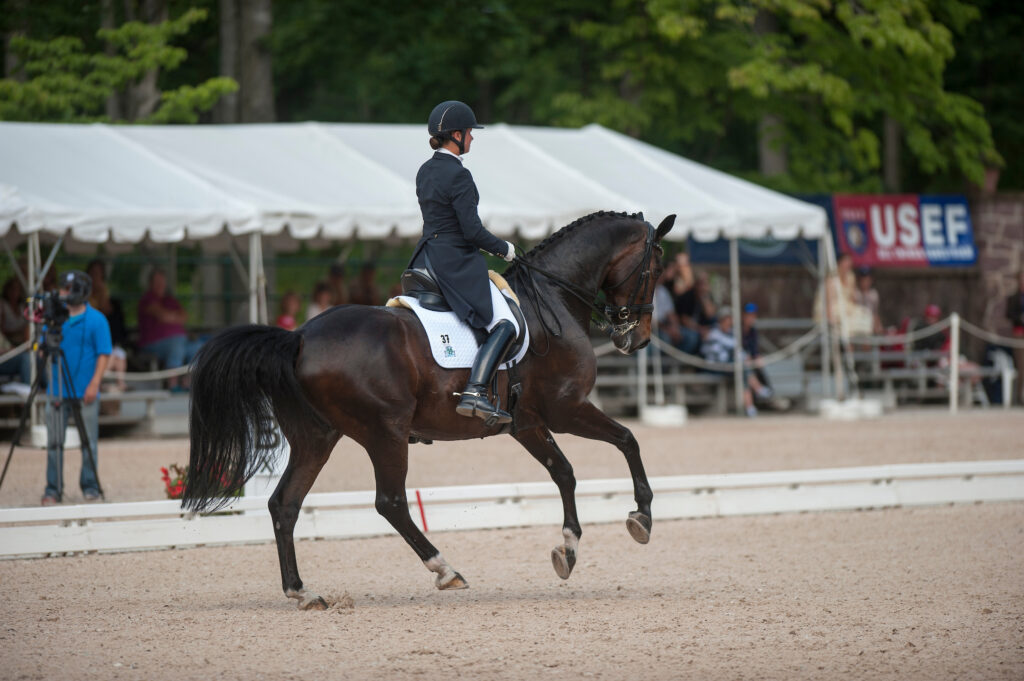
Experimentation with various lines and exercises is highly encouraged. This can include initiating the change from a counter leg-yield, counter canter on a circle, half-pass, or counter-canter renvers, or simply on a diagonal line. The key is to properly straighten the horse before requesting the change, particularly when approaching from lateral movements. Creativity in line choices and a willingness to adapt the strategy based on the individual horse’s needs are paramount. What proves effective for one horse may not work for another, making an individualized approach indispensable.
Once a horse demonstrates understanding and begins to confirm changes on a chosen line, the real test lies in transferring this skill to different configurations. A horse that reliably executes changes on a diagonal might initially struggle when held more accountable for straightness on a quarter line or along the rail. This transition necessitates a continued elevation of standards, where a previously acceptable change on a diagonal, even if slightly crooked, is no longer sufficient. The horse must now maintain absolute straightness.
The Importance of Playfulness and Avoiding Repetition
While the flying change is a serious training objective, it is also important to maintain a degree of playfulness in the approach. In the nascent stages of teaching changes, they can be casually introduced into training sessions. A successful change is a bonus, while an unsuccessful one is simply a learning opportunity. This casual introduction allows the rider to develop strategies and refine their understanding before embarking on more intensive training. Touching upon the changes nearly every day can be beneficial, contingent on the horse’s temperament and receptiveness.
For instance, on the first ride of the week, after a period of rest, it might be prudent to focus on foundational elements such as reaction and straightness, setting the stage for more complex work later in the week, particularly for horses new to the flying change. However, caution must be exercised to avoid drilling the exercise, which can lead to the horse becoming "sour" and resentful. If a particular ride yields repeated unsuccessful attempts, it is often more productive to revert to simpler exercises, such as simple changes, and revisit the flying changes on another day.
Perseverance: The Ultimate Virtue
Ultimately, the most critical element in overcoming "flying change hell" is unwavering perseverance. Consistent daily training, focusing on the continuous improvement of the horse’s balance, straightness, throughness, and collection, is essential. Showing up, putting in the hard work, and extending compassion to both the horse and oneself are fundamental. The process can unearth significant internal struggles, with self-doubt and critical inner voices often amplifying perceived failures. However, each ride undertaken without quitting serves to quiet these doubts and build confidence. The extreme lows encountered during this challenging phase can, paradoxically, lead to profound growth and a deeper sense of accomplishment.
For those currently navigating this demanding phase, the message is one of solidarity and encouragement. The frustration is understood, but the assurance is that this period will be overcome. Approaching the endeavor with a sense of humor, compassion, and empathy for the horse will undoubtedly contribute to a more positive and ultimately successful outcome. Teaching a horse flying changes is a significant milestone in any equestrian partnership, and with meticulous attention to detail, unwavering kindness, robust confidence, and a touch of good fortune, the coveted confirmed flying changes will undoubtedly be achieved.
About the Author
Jenna Arnold, a distinguished USDF bronze, silver, and gold medalist, and recipient of the Freestyle Bar award in all three levels, is a recognized writer and the founder of Mindful Riding. Her program is dedicated to fostering a more profound connection between riders and their equine partners through a holistic approach that balances mind, body, and spirit. As a mother of two young daughters, Arnold co-manages Concordia Dressage with her husband, Martin Arnold, near Austin, Texas. Her insights into the challenges and rewards of equestrian training, particularly concerning the flying change, are informed by extensive personal experience and a deep understanding of the human-animal bond.







