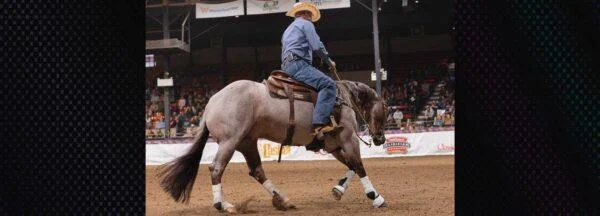
The journey of training a horse to perform a correct and collected lead departure from a standstill is a nuanced process that demands patience, a deep understanding of equine learning, and a commitment to building a strong foundation. Far from being a simple command to be executed on demand, the ability of a horse to transition seamlessly from a halt into a canter on the correct lead is the culmination of extensive groundwork, clear communication, and a gradual progression of skills. For novice trainers and seasoned equestrians alike, recognizing that initial trotting steps are a natural and even beneficial part of this learning curve is paramount to fostering confidence and achieving long-term success.
The Gradual Unfolding of Canine Competence
When a horse is first introduced to the concept of picking up a canter lead while engaged with the bridle, the inclusion of a few trotting steps is not an indication of failure, but rather a sign of an ongoing learning process. This initial phase is about establishing the fundamental understanding of the aids and the desired outcome. The horse is being asked to comprehend the subtle cues that signal a transition from a stationary position to a forward, athletic gait, specifically aiming for the canter. During this formative stage, the young equine athlete is grappling with multiple inputs: maintaining balance, understanding the rider’s leg and seat aids, and coordinating their body to propel themselves forward into a canter. Expecting immediate perfection – a flawless, collected departure with a level neck, elevated hips, and engaged shoulders – is an unrealistic expectation that can hinder progress and create frustration for both horse and rider.
The process of refinement begins as the horse gains confidence and comprehension. With consistent and clear instruction, the trotting steps will naturally diminish. The horse will learn to anticipate the transition and will begin to move more directly into the canter. This progression is not linear; there will be days of advancement and days of regression, all of which are normal in the development of any complex skill. The key is to observe these subtle shifts and adjust training accordingly, celebrating the small victories and addressing challenges with a calm and consistent approach.
A Realistic Timeline for Mastery
The expectation of a perfectly collected lead departure, executed without any preliminary trotting, is a skill that typically requires a significant period of dedicated training. For performance horses, this level of sophistication might not be fully realized until they are around 18 months into their training, often manifesting in their third year of development, typically during the summer months. This timeframe is not arbitrary; it reflects the intricate physical and mental development that horses undergo.
Building a horse’s capacity for controlled and responsive movement involves strengthening their musculature, developing their proprioception (their sense of their own body in space), and honing their mental processing of complex cues. A collected lead departure demands a high degree of body awareness, balance, and responsiveness to subtle rider aids. The horse must be able to engage their hindquarters, lift their forehand, and maintain a balanced canter rhythm from the outset. This level of athleticism and fine-tuned communication is not innate; it is cultivated through consistent, thoughtful training.
The Perils of Premature Pressure
Attempting to force a horse into a collected lead departure prematurely can have detrimental consequences. While it might appear that pressure can elicit the desired movement, this approach often comes at a significant cost. The most vulnerable aspect to be compromised is the horse’s confidence. When a horse is pushed beyond its current capacity, especially through forceful methods, it can lead to anxiety, fear, and a breakdown of trust between horse and rider. This erosion of confidence can manifest in various behavioral issues, including resistance, spooking, and a general unwillingness to engage with the training process. The resulting "mess" is not just a training setback; it represents a deeper psychological challenge that can be difficult and time-consuming to rectify.
The adage, "Take the time that it takes, and it’ll take less time," holds profound truth in equine training, particularly concerning lead departures. This seemingly paradoxical statement underscores the importance of patience and thoroughness. When a solid foundation is established, focusing on fundamental horsemanship principles, the horse develops the necessary physical and mental tools to learn more advanced maneuvers. This includes developing a deep understanding of the rider’s aids for direction, speed, and gait changes.
The Pillars of a Strong Foundation
The "Fundamentals" mentioned in the original context refer to a comprehensive approach to training that prioritizes building a robust base of knowledge and skill in the horse. This foundation typically encompasses several key areas:
- Groundwork: This involves establishing clear communication and respect between horse and handler from the ground. Exercises such as leading, lunging, yielding to pressure, and desensitization prepare the horse for ridden work and build trust. A horse that is confident and responsive on the ground is more likely to be so under saddle.
- Basic Ridden Skills: This includes teaching the horse to move forward willingly, respond to basic aids for steering and stopping, and maintain a steady rhythm at the walk and trot. The focus is on developing a supple and responsive body.
- Understanding of Aids: The horse needs to learn to associate specific rider aids (leg pressure, seat shifts, rein contact) with particular responses. This requires consistency and clarity from the rider.
- Physical Conditioning: As the horse progresses, it needs to develop the necessary strength and stamina to perform the desired gaits. This is achieved through carefully structured exercise programs.
When these fundamental building blocks are firmly in place, the transition to more complex tasks like lead departures becomes significantly smoother. The horse possesses the physical capacity and the mental framework to understand what is being asked. They have learned to trust the rider’s cues and are physically capable of executing the required movements.
The Science of Equine Learning and Development
The development of a collected lead departure is a testament to the principles of operant conditioning and classical conditioning in animal learning. Horses, like other animals, learn through association and reinforcement. When a horse is rewarded (either through praise, a release of pressure, or a positive experience) for taking steps towards the desired outcome, even if it involves initial trotting, they are more likely to repeat that behavior. This positive reinforcement strengthens the neural pathways associated with the correct response.
Conversely, punishment or harsh correction can lead to fear and avoidance, disrupting the learning process. The concept of "shaping" in animal training is highly relevant here. Shaping involves rewarding successive approximations of the desired behavior. In the case of lead departures, the initial approximation might be any movement forward after the aid is given. As the horse improves, the trainer starts to reward only those departures that involve less trotting, gradually refining the behavior until the horse can transition directly into a canter.
Furthermore, the physical development of a young horse is crucial. A horse’s skeletal and muscular systems are not fully mature until they are several years old. Asking for advanced collected movements before the horse is physically ready can lead to injury. The 18-month to three-year timeframe for performance horses reflects not only their mental learning but also their physical maturation, allowing their bones, ligaments, and muscles to develop the strength and resilience needed for demanding athletic tasks.
Expert Perspectives and Industry Standards
Industry professionals consistently emphasize the importance of a patient and progressive approach to training. Many leading equestrian coaches and veterinarians advocate for a training philosophy that prioritizes the horse’s well-being and long-term soundness. Dr. Hilary Clayton, a renowned equine biomechanist, has extensively researched equine locomotion and the impact of training on their physical development. Her work often highlights the importance of allowing horses to develop their natural athleticism gradually, avoiding premature demands that could compromise their physical integrity.
Similarly, Olympic-level riders and trainers frequently share their training methodologies, which invariably involve a strong emphasis on foundational work and a gradual build-up of complexity. The ability to consistently produce horses that are sound, confident, and perform at a high level is a direct reflection of the training philosophies employed. These philosophies often echo the sentiment that rushing the process leads to compromised results and potential long-term issues.
Broader Implications for Equine Welfare and Performance
The understanding and application of these training principles have significant implications beyond just achieving a specific maneuver. A horse that has been trained patiently and systematically is more likely to be a willing and joyful partner. This translates to better performance in all equestrian disciplines, as well as a more enjoyable experience for the rider.
Moreover, a commitment to humane and effective training practices contributes to the overall welfare of horses. By avoiding harsh methods and respecting the horse’s learning pace, trainers can prevent unnecessary stress and potential physical harm. This ethical approach fosters a more positive perception of equestrian sports and strengthens the human-animal bond.
In conclusion, the seemingly simple act of a horse picking up the correct lead is the result of a complex and often lengthy training journey. Recognizing that initial trotting steps are a natural part of this process, rather than a flaw, is crucial for effective training. By prioritizing a solid foundation, employing patience, and understanding the principles of equine learning and development, trainers can guide their horses to achieve not only correct lead departures but also a higher level of athleticism, confidence, and partnership. The long-term rewards of this methodical approach far outweigh the perceived shortcuts of demanding perfection prematurely.