Understanding Equine Learning and Motivation
At the heart of this philosophy is the application of principles rooted in equine learning theory, primarily operant conditioning. Horses, like many other intelligent animals, learn through consequences. Positive reinforcement, which involves adding something desirable to increase the likelihood of a behavior recurring, is central to fostering a horse’s enthusiasm for its work. When a horse executes a desired maneuver successfully—whether it’s a precise stop in reining or a clean turn in roping—the immediate, soft, and consistent reward acts as a powerful motivator. This could manifest as a brief period of rest, a gentle scratch, or a soothing vocalization, all designed to communicate approval and alleviate any tension.
Conversely, traditional methods often leaned heavily on negative reinforcement (removing an aversive stimulus) or even positive punishment (adding an aversive stimulus) to correct unwanted behaviors. While these methods can be effective in shaping behavior, their overuse or improper application can lead to anxiety, resentment, and a suppression of natural enthusiasm in the horse. Modern trainers increasingly advocate for a balanced approach where corrections are minimal, precise, and immediately followed by an opportunity for the horse to offer the correct response, which is then generously rewarded. This creates a positive feedback loop, encouraging the horse to "try" and actively participate in the training process rather than merely reacting to pressure. Data from studies in equine behavior consistently show that horses trained predominantly with positive reinforcement exhibit lower stress levels, greater confidence, and a more positive disposition towards their handlers and work. For instance, research published in the Journal of Applied Animal Behaviour Science highlights that horses receiving consistent positive reinforcement demonstrate faster learning rates and reduced incidences of stereotypic behaviors often associated with stress.
The Significance of Immediate and Appropriate Rewards
The timing and nature of rewards are paramount. As observed by seasoned horsemen, allowing a horse to "sit there for a while" after a good run provides a critical moment of physical and mental release. This period of relaxation allows the horse to process the successful execution of the task, associating the positive outcome with a reduction in physical demand and a moment of peace. This contrasts sharply with a common, though often well-intentioned, practice of immediately moving on to the next repetition or task, which can inadvertently diminish the impact of the successful effort. This immediate "release" or "break" functions as a primary reinforcer, signaling to the horse that its effort has led to a desirable outcome.
Furthermore, the quality of the reward matters immensely. A "patting" gesture, often used by riders, can range from a gentle acknowledgment to an aggressive thumping. The latter, despite being an expression of human excitement, can be perceived by the horse as aversive or confusing. Equine communication relies heavily on subtle body language and sensitivity to touch. A harsh pat can elevate a horse’s stress levels, undoing the very confidence the rider intended to build. The preference for "kinder and softer" interactions reflects an empathetic understanding of a horse’s sensory experience. A gentle rub on the neck or jaw, areas where horses often groom each other, mimics natural affiliative behaviors and fosters a sense of security and trust. This tactile reward, when delivered consistently and gently, reinforces the horse’s understanding that it has performed well and that its effort is appreciated. Equine ethologists emphasize that gentle touch in specific areas, such as the withers or base of the neck, can trigger endorphin release in horses, further solidifying the positive association with the reward.
Insights from Elite Practitioners: The Kelby Phillips Approach
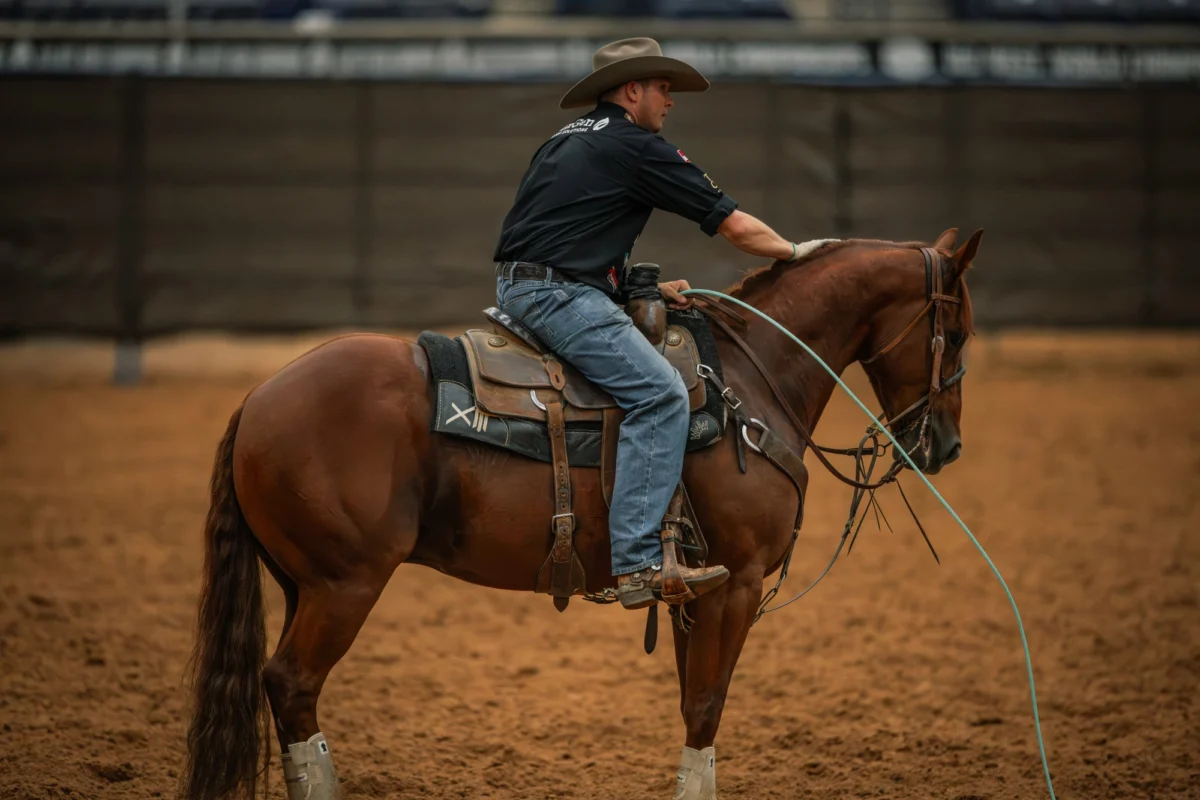
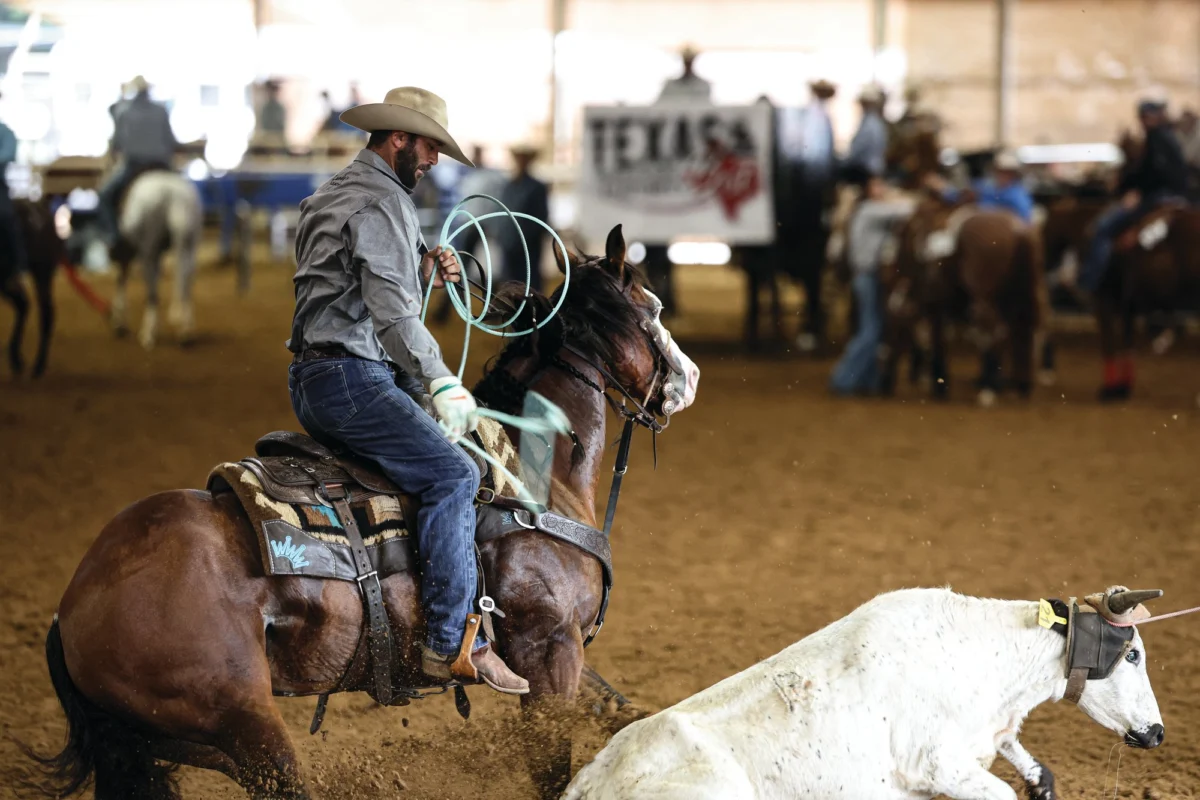
The observations of elite trainers like Kelby Phillips, particularly in the reining discipline, underscore the effectiveness of this nuanced approach. Phillips’s consistent practice of reaching down to softly rub and scratch a horse’s right side, near the jaw and neck, regardless of the quality of the run, exemplifies a proactive strategy for maintaining a horse’s emotional equilibrium. This isn’t just a reward for success; it’s a consistent reassurance, a way to communicate "OK, it’s OK," irrespective of performance outcomes. This method prevents the horse from associating minor errors with immediate negative consequences, thereby preserving its willingness to attempt challenging maneuvers without fear of reprisal.
This approach is particularly insightful because it addresses a fundamental challenge in equestrian sports: the rider’s emotional control. In the heat of competition or during a challenging training session, human frustration can easily translate into unintended negative cues for the horse. A rider’s tension, anger, or disappointment can manifest in tightened reins, increased leg pressure, or a generally less sympathetic demeanor. Horses are highly attuned to these subtle changes in rider posture, breath, and energy. A consistent, calming touch from the rider, even after a less-than-perfect maneuver, serves to mitigate the horse’s potential anxiety and reinforces the stability of the partnership. It teaches the horse that minor errors are part of the learning process and do not equate to a breakdown in trust or an expectation of punishment. This emotional resilience in the horse is a direct reflection of the rider’s consistent, calm demeanor.
The Rider’s Emotional Regulation: A Critical Skill
The candid admission that "sometimes when it doesn’t go good, you immediately take it out on the horse—when it wasn’t even the horse’s fault at all" highlights one of the most significant psychological hurdles for competitive riders. The pressure to perform, the investment of time and resources, and the personal desire for success can lead to emotional outbursts that are detrimental to the horse-rider relationship. This human tendency to attribute blame or vent frustration onto the most immediate and accessible target is a deeply ingrained behavioral pattern that requires conscious effort to overcome. Studies in sports psychology confirm that emotional dysregulation in athletes can impair performance, and in equestrian sports, this impact is amplified by the presence of another sentient being.
Developing emotional intelligence is therefore as crucial for a rider as developing technical skill. Riders must learn to objectively assess a situation, identify their own role in any miscommunication or error, and regulate their emotional responses before they negatively impact the horse. Techniques such as mindfulness, deep breathing, and mentally rehearsing calm responses can help riders maintain composure under pressure. By managing their own emotions, riders can ensure that the horse remains in the "right frame of mind moving forward," preserving its confidence and willingness to continue working. This self-mastery not only improves performance but also fosters a more ethical and respectful partnership, laying the groundwork for sustained success.
Case Study: Smokin Stilettos – A Testament to Long-Term Partnership
The ongoing development of a horse like Smokin Stilettos, a 6-year-old mare described as "very physical" but not the largest, provides a concrete example of this training philosophy in action. Her journey from a 4-year-old prospect to a seasoned competitor within the same program underscores the benefits of a consistent, positive approach. Many young horses, especially those with strong physical attributes, can become resistant or "burned out" if their training is too demanding or lacks sufficient positive reinforcement. The focus on "simple little things" in regular practice, rather than constant high-pressure maneuvers, is key to her sustained enthusiasm.
This strategy ensures that the mare continues "liking her job." When horses enjoy their work, they are far more likely to "give you their heart," exhibiting greater effort, focus, and resilience. Conversely, a horse that dreads its work will perform reluctantly, often exhibiting signs of stress, resistance, or even lameness. The long-term success of Smokin Stilettos within the program, remaining with the same rider from her four-year-old year through her six-year-old year, is a direct result of prioritizing her mental and emotional well-being alongside her physical training. This consistent presence is a strong indicator of a successful training regimen that promotes both performance and longevity, avoiding the common issue of horses being sold or retired prematurely due to behavioral issues or lack of enthusiasm. This dedication to the "long game" pays dividends not only in competitive results but also in the health and happiness of the animal.
Broader Implications: Horse Welfare and Competitive Longevity
The emphasis on rewarding good behavior and managing rider emotions extends beyond individual competitive success; it holds significant implications for horse welfare across the equestrian industry. As public awareness of animal welfare grows, there is increasing scrutiny on training methods in sports. Adopting positive reinforcement techniques aligns with ethical responsibilities towards animals and contributes to a more humane perception of equestrian disciplines. Organizations like the FEI (Fédération Équestre Internationale) and national governing bodies increasingly advocate for training practices that prioritize the horse’s well-being, emphasizing trust, respect, and positive reinforcement in their guidelines and codes of conduct.
From a purely competitive standpoint, a horse that enjoys its job is more likely to have a longer and more successful career. Stress and burnout can lead to both physical and psychological issues, shortening a horse’s competitive lifespan. By fostering a positive attitude towards training and competition, riders can extend their horses’ careers, protect their investment, and ultimately achieve more consistent results over time. This approach reduces the likelihood of behavioral problems stemming from fear or anxiety, making the horse more reliable and predictable in various competitive environments. Data suggests that horses trained with consistent positive reinforcement are less prone to injuries related to stress and tension, further enhancing their longevity in sport.
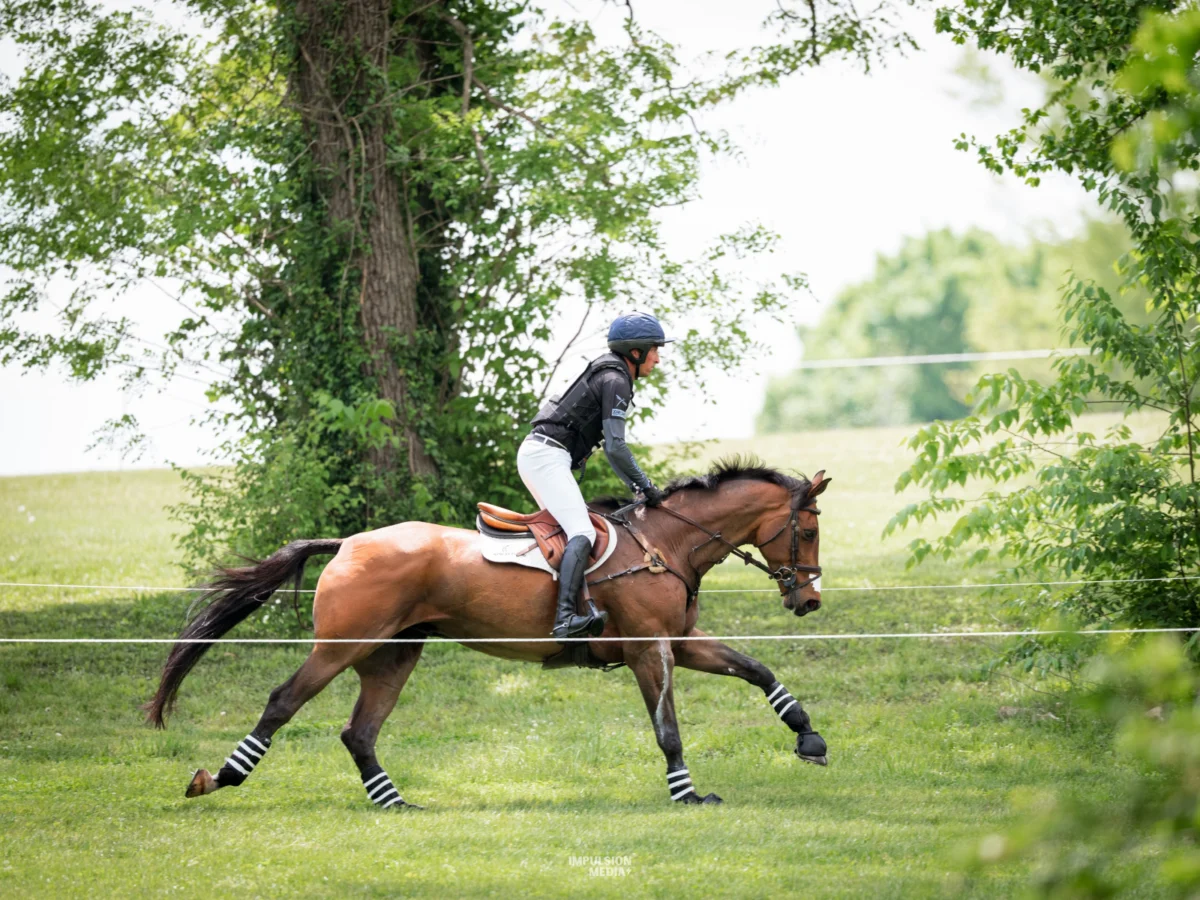
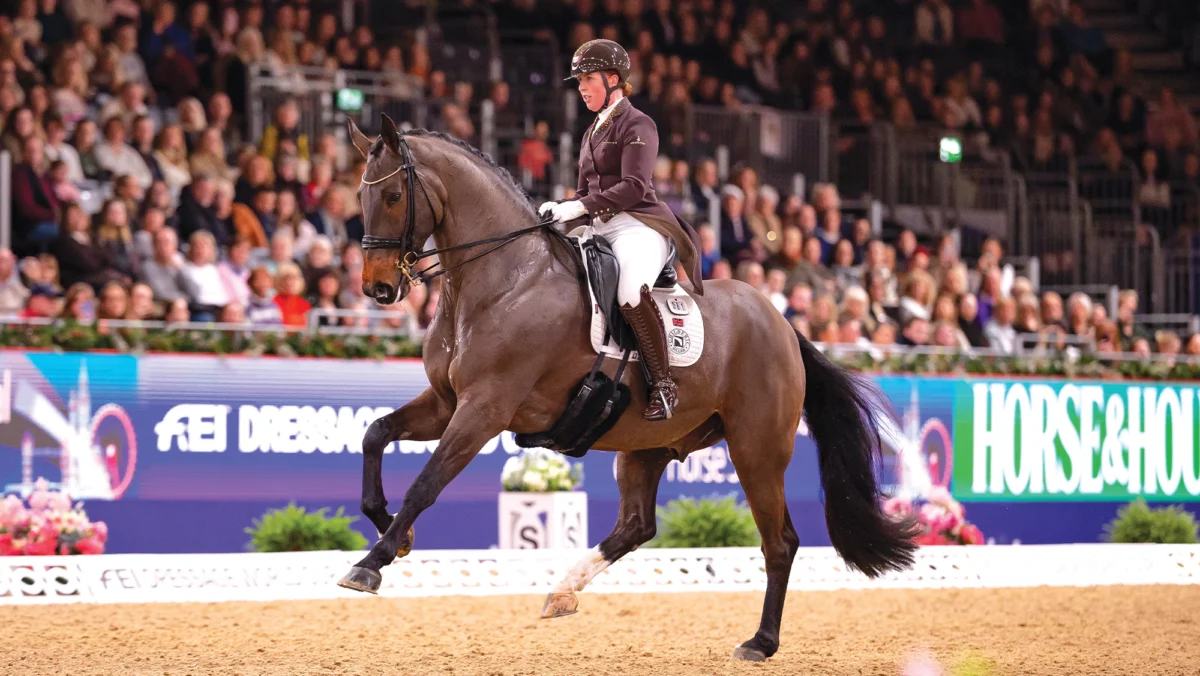
Moreover, the principles discussed are not confined to roping or reining. They are universally applicable across all equestrian disciplines, from dressage and show jumping to eventing and endurance riding. The fundamental relationship between a horse’s mental state and its physical performance remains constant. A calm, confident, and willing horse will always outperform one that is anxious, resentful, or merely compliant out of fear.
Chronology of Training Philosophy Evolution
Historically, equestrian training often relied heavily on dominance and force, stemming from a belief that horses needed to be "broken" or "made" to obey. Early methods, while effective in achieving compliance, frequently overlooked the psychological impact on the horse. The mid-20th century saw the rise of classical dressage principles, which, while emphasizing harmony and lightness, still often incorporated significant pressure and correction.
The latter half of the 20th century and early 21st century have witnessed a significant paradigm shift, driven by advances in ethology (the study of animal behavior) and cognitive science. Researchers like Dr. Andrew McLean, Dr. Sue McDonnell, and others have shed light on how horses learn, communicate, and experience stress. This scientific understanding has paved the way for more humane and effective training methods centered on positive reinforcement, clear communication, and a deeper respect for the horse as an intelligent and sentient partner. The work of trainers like Kelby Phillips and the broader adoption of "soft hands" and patient approaches reflect this ongoing evolution, moving equestrianism towards a more collaborative and less confrontational model. The concept of "rewarding the good" has moved from an anecdotal practice to a scientifically validated methodology, demonstrating its profound impact on both performance and welfare. This evolution is also visible in veterinary medicine, where understanding equine stress and behavior is increasingly integrated into treatment and rehabilitation protocols.
Future Directions and Continuous Learning
While significant progress has been made, the journey towards perfect equine partnership is ongoing. The equestrian community continues to explore advanced techniques in positive reinforcement, refine communication methods, and develop tools that aid in stress reduction and performance enhancement for horses. Technologies such as heart rate monitors, gait analysis systems, and even non-invasive brain activity monitoring are beginning to offer deeper insights into a horse’s physiological and psychological state during training and competition, allowing for even more precise and tailored approaches to training and welfare.
The core message, however, remains timeless: the quality of the relationship between horse and rider is paramount. It is built on trust, consistency, and mutual respect. The genuine reward—the standing, the soft hand, the release when it goes good—is not merely a training technique; it is an affirmation of this partnership. It tells the horse that its efforts are valued, that it is safe, and that its human partner is reliable. In competitive equestrianism, where the margins between victory and defeat can be razor-thin, this deep-seated bond and the heart that a willing horse gives freely are ultimately what win. The commitment to managing the bad with understanding and rewarding the good with genuine appreciation is not just a path to success, but a testament to the profound and enriching bond between humans and horses.