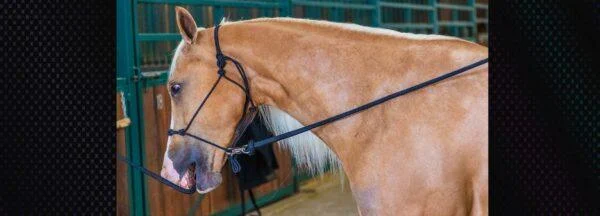
The persistent challenge of a pony exhibiting extreme destructive behavior towards its possessions, including halters, lead ropes, and even essential protective gear like fly masks, has prompted a call for expert guidance. This situation, while seemingly isolated, touches upon a broader understanding of equine psychology and the critical need for adequate mental stimulation and environmental enrichment for domestic horses. While specific data on the prevalence of such destructive tendencies in ponies is not readily available, anecdotal evidence and veterinary consensus point towards boredom and a lack of engagement as primary drivers for such behaviors in horses of all ages and breeds.
The owner’s distress is palpable, stemming from the constant need to replace damaged items and the inherent risks associated with a horse that can so easily dismantle its own equipment. The pony’s ability to manipulate halters and lead ropes, dragging them into its stall for destruction, and its consistent success in evading and shredding fly masks, highlights a significant level of intelligence and dexterity coupled with an apparent lack of appropriate outlets for its energy and curiosity. This scenario underscores the importance of understanding that equines, much like humans, are individuals with distinct personalities and needs.
Understanding the Equine Mind: Individualism and Behavioral Triggers
Renowned equine behaviorist Clinton, in his response to the owner’s plea, emphasizes a fundamental principle in animal husbandry: "Just like humans, horses are individuals and each has their own quirks and tendencies." This statement forms the bedrock of understanding why some horses may develop destructive habits while others remain content. The spectrum of equine temperament ranges from the placid and unconcerned to the highly inquisitive and active. The pony in question clearly falls into the latter category, demonstrating a proactive and persistent approach to interacting with its environment, albeit in a destructive manner.
The primary hypothesis presented by Clinton for such behaviors is a lack of mental stimulation, commonly referred to as boredom. This is a crucial insight, as it shifts the focus from punitive measures to proactive environmental management. Horses are intelligent animals with complex social and physical needs. When these needs are not met, they can manifest in a variety of undesirable behaviors, including chewing, cribbing, weaving, and, as in this case, the destruction of property. The constant need for an outlet for their physical and mental energy means that if appropriate activities are not provided, they will find their own, often to the detriment of their surroundings and their owners’ resources.
The Role of Environmental Enrichment and Mental Stimulation
The expert’s advice directly addresses the potential root cause: boredom. Clinton suggests that "it’d be worth your while to make sure your horse is getting turned out and worked with on a regular basis." This recommendation is supported by a substantial body of research in animal welfare. Studies on captive animals consistently demonstrate that providing opportunities for natural behaviors and cognitive challenges significantly reduces stress and problematic behaviors. For horses, this translates to regular turnout in a safe and stimulating environment, as well as consistent, engaging training sessions.
Turnout, particularly in a herd setting if possible, allows horses to engage in natural social interactions, grazing, and movement. This physical activity is crucial for their digestive and musculoskeletal health, but it also provides an outlet for pent-up energy. Furthermore, exposure to different terrains, stimuli, and even mild challenges within the turnout environment can contribute to mental enrichment.
Beyond turnout, "working with them on a regular basis" encompasses a range of activities. This can include riding, groundwork, lunging, and specialized training exercises. The key is that these interactions should be engaging and purposeful, rather than monotonous or purely utilitarian. A horse that is regularly challenged mentally through training is less likely to seek out destructive outlets for its cognitive faculties.
Introducing Equine Toys: A Novel Approach to Boredom Busting
A particularly insightful recommendation from Clinton is the introduction of toys designed for horses. "You could even try giving him a toy to play with," he suggests. This approach acknowledges the pony’s inquisitive nature and its tendency to "get his lips on them." By providing a safe and appropriate object for exploration and manipulation, owners can redirect this natural behavior.
Clinton elaborates on his personal experience: "A few of the cow horses I have in my barn are very playful and inquisitive. We got them those horse-safe balls you see in tack stores, and they love playing with them when they’re in their stalls. It gives them something to focus on and a way to keep their lips busy." This anecdotal evidence is powerful, illustrating a successful implementation of a behavioral intervention.
These "horse-safe balls," often made of durable, non-toxic plastic, are designed to withstand the rigors of equine interaction. They can be rolled, nudged, and manipulated by the horse, providing a source of amusement and a mental diversion. The act of playing with such an object can fulfill a horse’s need for exploration and sensory input, thereby reducing the likelihood that they will turn their attention to less desirable activities, such as chewing on stall doors or destroying their own equipment. The principle at play here is redirection: providing a positive and engaging alternative to a negative behavior.
Background Context: The Evolution of Equine Care and Understanding
The challenges presented by this pony are not entirely new, but the approach to addressing them has evolved significantly over time. Historically, destructive behaviors in horses might have been attributed to "naughtiness" or simple misbehavior, often met with harsher training methods. However, modern equine science and welfare standards emphasize a deeper understanding of the animal’s psychological and physiological needs.
The domestication of horses has meant that their natural behaviors, honed over millennia in wild herds, are often constrained by human management practices. This confinement, while necessary for control and training, can inadvertently create environments where boredom and frustration can fester. The development of specialized equine toys and the growing emphasis on environmental enrichment are direct responses to this understanding.
Supporting Data: The Impact of Enrichment on Animal Behavior
While specific statistical data on the reduction of destructive behaviors in horses due to toy introduction is limited in publicly accessible research, the broader principles of animal enrichment are well-documented. Studies on zoo animals, laboratory animals, and even domestic pets have consistently shown that providing environmental enrichment leads to:
- Reduced stereotypic behaviors: These are repetitive, invariant behaviors with no obvious goal or function, often indicative of stress or boredom (e.g., weaving, cribbing).
- Increased activity levels and exploration: Animals are more engaged with their environment and less prone to lethargy.
- Improved problem-solving abilities: Cognitive challenges can enhance an animal’s capacity to learn and adapt.
- Reduced aggression and anxiety: A more stimulated and content animal is generally calmer and less prone to stress-related behaviors.
Applying these principles to the equine context suggests that the introduction of toys and increased engagement can have a significant positive impact on a pony exhibiting destructive tendencies. The pony’s ability to manipulate objects with its lips indicates a strong oral fixation, which can be redirected towards a toy rather than a halter or fly mask.
Broader Impact and Implications for Equine Welfare
The case of this destructive pony highlights a critical aspect of responsible horse ownership: understanding and meeting the mental needs of the animal. It underscores that simply providing food, water, and shelter is insufficient for optimal equine well-being. Equines are sentient beings that require stimulation, social interaction, and opportunities to express their natural behaviors.
The implications extend beyond individual horse owners. For equestrian facilities, trainers, and veterinarians, understanding and promoting environmental enrichment is becoming increasingly important. It can lead to:
- Safer environments: Horses less prone to destructive behaviors are less likely to injure themselves or damage property.
- Improved training outcomes: Mentally stimulated horses are often more receptive to training and more focused.
- Enhanced horse-human bond: Addressing a horse’s needs can foster a stronger and more positive relationship between owner and animal.
- Ethical considerations: Prioritizing a horse’s mental well-being aligns with modern ethical standards in animal care.
Official Responses and Recommendations from the Veterinary Community
While no specific official bodies are directly responding to this individual query, the principles advocated by Clinton are widely endorsed by veterinary associations and equine welfare organizations worldwide. Organizations like the American Association of Equine Practitioners (AAEP) and the British Equine Veterinary Association (BEVA) consistently emphasize the importance of behavioral health in their guidelines and educational materials. Their recommendations often include:
- Adequate turnout time: Providing ample opportunity for free movement and natural behaviors.
- Social interaction: Encouraging herd dynamics where appropriate and safe.
- Environmental enrichment: Incorporating elements that stimulate the horse’s senses and provide opportunities for problem-solving.
- Regular veterinary and behavioral assessment: Consulting professionals to identify and address underlying issues.
The consistent message from the professional veterinary and behavioral community is that a proactive approach to managing equine behavior, focusing on enrichment and understanding individual needs, is far more effective and humane than reactive or punitive measures.
Conclusion: A Path Towards a More Harmonious Relationship
The destructive tendencies of this pony, while frustrating for its owner, present an opportunity to explore evidence-based strategies for enhancing equine welfare. By recognizing that such behaviors often stem from boredom and a lack of mental stimulation, owners can implement practical solutions. Regular turnout, engaging training, and the introduction of horse-safe toys can provide the necessary outlets for a horse’s natural curiosity and energy. This shift in focus from managing a "problem" to understanding and meeting the fundamental needs of the animal can lead to a more harmonious relationship, ensuring the well-being of the horse and the peace of mind of its owner. The expert advice offered is not merely a quick fix but a pathway towards a deeper understanding and more fulfilling partnership with our equine companions.