

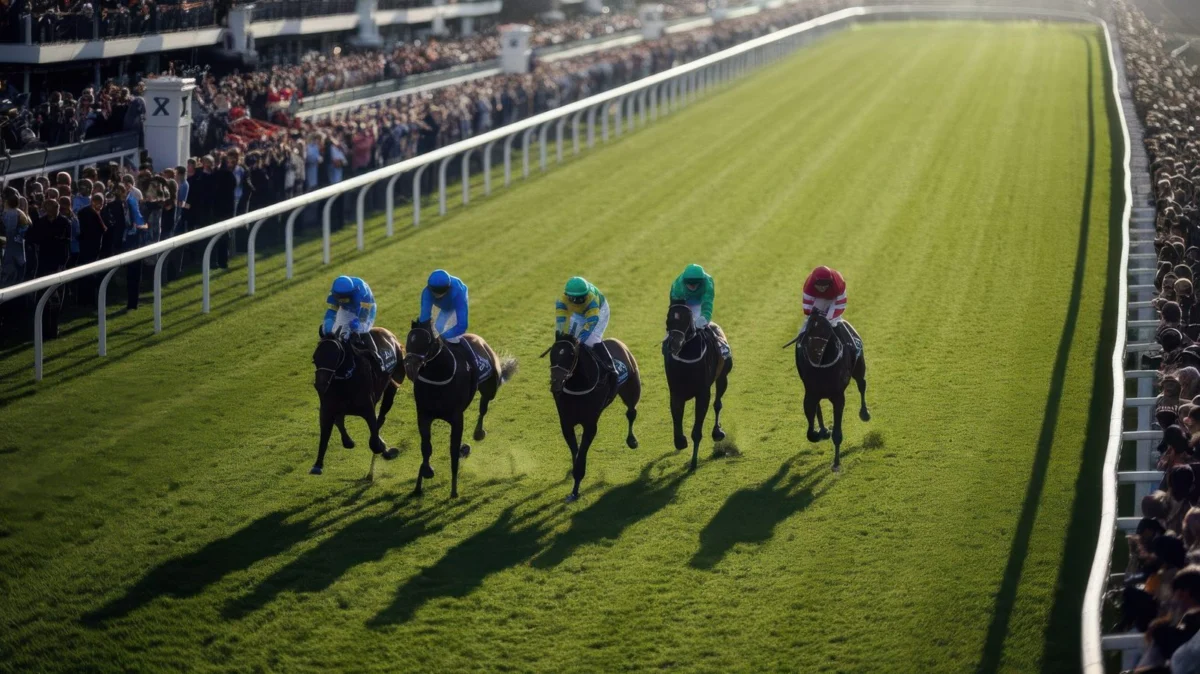
The pre-dawn alarm, screaming at 3:45 AM, is not merely a suggestion for a claiming trainer; it is the definitive first call to post, signaling the commencement of another demanding day. While much of the world remains in slumber, these dedicated professionals are already in their trucks, fortified by caffeine, navigating towards the backstretch—a vibrant, self-contained village that stirs to life under the fading stars. This is the authentic crucible of horse racing, far removed from the public spectacle of mint juleps and ornate hats. It is a gritty domain of hay, leather, and relentless hustle, where the true measure of success extends beyond mere wins, encompassing the sustained soundness of horses, the contentment of owners, and the paramount achievement of making payroll. This is the shedrow, the nerve center of a claiming stable.
The Unseen Dawn: A Trainer’s Daily Vigil
By 4:30 AM, the barn is a hive of purposeful activity, a symphony of equine sounds and human movements. The night watchman delivers his concise report, a crucial initial assessment of the stable’s well-being: "All quiet, boss. Number five cleaned up his grain." This seemingly simple statement represents the day’s inaugural piece of good news, confirming a horse’s appetite and general health. The head groom, often a figure of immense experience and unwavering dedication, has already initiated the morning routine, distributing hay to each stall. The trainer’s immediate priority, however, is the meticulous "look"—a silent, comprehensive inspection of every horse. This involves walking the shedrow, engaging not just visual acuity but an almost tactile sense of each animal’s presence. The trainer observes for a bright, alert eye, an ear pricked with curiosity, and the subtle ways a horse acknowledges their approach. Are there any fresh scrapes on a hip? Is a horse standing with an unusual posture? Is there uneaten hay remaining in a net, indicating a potential issue? This is not passive observation; it is an active, ongoing diagnostic process, a critical first step in proactive animal care.
The Backstretch Ecosystem: A City Awakens
The backstretch is an intricate ecosystem, a microcosm of dedicated professionals working in concert. As the morning progresses, the rhythmic thud of hooves on dirt tracks signals the start of exercise. Hotwalkers, often young and full of boundless energy, begin their rounds, cooling out horses returning from jogs or gallops. The arrival of the veterinarian and the blacksmith marks another pivotal phase of the morning. Here, the economic realities of the claiming game become starkly apparent. Every service rendered is a line item, meticulously weighed against the stable’s budget and the horse’s potential. For a seasoned warrior, a joint injection might be deemed a necessary investment to extend their career. However, for a young filly exhibiting minor swelling, the prescribed treatment might pivot to cold hosing, a poultice application, and careful hand-walking. This approach is not about compromising care; it is about strategic allocation of resources, applying the most effective and economically viable tool for the specific job. The claiming trainer operates as a master of triage, possessing the nuanced judgment to discern when a horse requires gold-standard intervention and when simpler, yet equally effective, good old-fashioned tender loving care (TLC) will suffice. "Every dollar counts when you’re working with claiming horses," remarks a seasoned trainer, inferring the constant financial tightrope walk. "You have to be smart about where you spend, but never at the expense of the horse’s well-being."
The Morning ‘Look’: First Line of Defense
This initial visual assessment is often cited by trainers as one of the most crucial elements of their day. Early detection of lameness, loss of appetite, or subtle behavioral changes can prevent minor issues from escalating into major problems. For a claiming horse, whose value often fluctuates based on performance and perceived soundness, this vigilance is paramount. A minor ailment left unchecked can result in a scratch from an upcoming race, leading to lost earnings and potentially a depreciation in the horse’s market value.
Strategic Horsemanship: Balancing Care and Economics
The claiming game, by its very nature, demands a pragmatic approach to veterinary care and farrier services. Unlike high-stakes operations where cost may be less of a barrier, claiming trainers must make informed decisions that extend the horse’s racing career while remaining financially solvent.
Veterinary Care: Pragmatism in Practice
The veterinarian’s rounds on the backstretch are a constant dance between medical necessity and economic reality. Common ailments in claiming horses include joint issues, soft tissue injuries, and respiratory problems, often exacerbated by a demanding racing schedule and previous wear and tear. A trainer might opt for non-invasive therapies like therapeutic ultrasound, laser therapy, or cryotherapy before resorting to more expensive treatments. Bloodwork is a routine diagnostic tool, offering insights into a horse’s internal health, while lameness exams are frequent occurrences. "You become adept at understanding what a horse needs versus what might be a luxury," explains a track veterinarian. "Our goal is always to keep them sound and comfortable, but the trainer’s budget often dictates the path we take." Preventative measures, such as proper nutrition, turnout, and regular dental care, are emphasized to minimize future health complications.
The Farrier’s Crucial Role
Equally vital is the role of the farrier. Proper hoof care is fundamental to a horse’s soundness and performance. A claiming trainer works closely with their farrier to address specific issues, from correcting minor imbalances to applying therapeutic shoeing for horses with existing conditions like quarter cracks or navicular syndrome. The choice of shoes—steel, aluminum, or specialized therapeutic options—is a decision influenced by the horse’s conformation, workload, and the track surface, all while considering the cost implications. An ill-fitting or poorly applied shoe can lead to lameness, directly impacting a horse’s ability to race and earn.
Training Beyond the Stopwatch: Cultivating Durability
External observers often equate horse training with breaking speed records. However, at the claiming level, the philosophy is almost antithetical to this perception. The primary objective is to maintain the horse’s physical and mental soundness, fostering a durable athlete capable of consistent performance. The training regimen is meticulously constructed around rhythm, repetition, and the horse’s individual needs.
A typical weekly schedule for a claiming horse might involve:
- Monday: Walk day, often involving a light hand-walk or hotwalker session, focusing on active recovery.
- Tuesday: Jog day, a controlled, low-impact exercise to maintain fitness and suppleness.
- Wednesday: Gallop day, a sustained, moderate-speed workout to build cardiovascular endurance.
- Thursday: Jog or light gallop, depending on the horse’s condition and upcoming race schedule.
- Friday: Breeze day (for horses preparing to race), a timed, faster workout over a shorter distance to sharpen speed and prepare for race conditions. Or a gallop for those not breezing.
- Saturday/Sunday: Walk/light jog, maintaining routine and allowing for recovery.
Crafting a Sustainable Regimen
"We’re not trying to create another Secretariat," a trainer emphasizes, referencing the legendary Triple Crown winner. "Our aim is to develop a resilient athlete who understands their job and arrives on race day feeling exceptional, even if their purchase price was $16,000." The stopwatch serves as a tool, not an infallible deity. Far greater emphasis is placed on how the horse is moving at the conclusion of a workout. Did the horse switch leads smoothly? Was there a noticeable change in stride quality? Did the horse pull up clean, breathing easily and without distress? These nuanced observations constitute the true winning data points, indicating physical comfort and mental readiness.
Performance Metrics: Beyond the Clock
While official workout times are recorded and published, trainers glean far more from qualitative assessments. The horse’s demeanor, recovery time, and overall attitude are crucial indicators. A horse that works slowly but finishes strongly and happy is often preferred over one that blazes a fast time but struggles at the end or appears distressed. This approach contributes to the longevity of claiming horses, many of whom enjoy extended careers if managed correctly. Data from organizations like the Jockey Club show that claiming races constitute a significant portion of all races run annually, highlighting the importance of these horses to the industry’s fabric.
The Claiming Game: High-Stakes Chess on Hooves
This strategic component forms the unique heart of the claiming trainer’s world. Entering a horse in a claiming race is not merely a competitive endeavor; it is a calculated gamble where a price is affixed to the horse, making it available for purchase by other licensed parties. Every decision is multi-layered and fraught with implications.
Understanding the Claiming Mechanism
The claiming rule, a cornerstone of North American racing since the late 19th century, was designed to create competitive fields and distribute equine talent across various stables. When a horse runs in a claiming race, it can be purchased for the designated claiming price by another licensed owner or trainer. The claim must be made before the race, and the new owner takes possession immediately after the race, regardless of its outcome. This system ensures that horses are generally raced at a level commensurate with their ability and value, as trainers are reluctant to risk a valuable horse in a race where its claiming price is too low, inviting an easy purchase. Conversely, a horse consistently underperforming at a certain level might be dropped in claiming price to find a winning spot, but at the risk of being claimed.
Strategic Maneuvers and Risk Assessment
Consider a scenario: a horse consistently wins at the $10,000 level but shows subtle signs of fatigue. Does the trainer enter him for $12,500, hoping for another win while risking a claim? Or is the horse dropped to an $8,000 race, where a win is almost assured, but the loss to another stable is highly probable? This is a constant calculation balancing the horse’s current condition, the owner’s financial goals, and the competitive composition of the race field. "It’s chess with hooves," an owner of multiple claiming horses quips. "You’re always trying to outmaneuver the other trainers, but your horse’s well-being has to be central to that strategy."
Afternoons are frequently dedicated to intensive study of past performance charts. Not just of one’s own horses, but of every potential rival. Trainers meticulously analyze patterns: Is a competitor dropping sharply in class, potentially indicating an underlying issue? Is another horse coming off an extended layoff, perhaps needing a race to regain fitness? It’s an intricate puzzle, with the ultimate objective being to identify a race where one’s horse can be genuinely competitive while mitigating the inherent risk of losing the animal.
The Emotional Investment: Losing and Acquiring
Losing a horse that has been meticulously nurtured and trained to the claim box is often described as a "gut-punch." Despite the pragmatic nature of the business, deep emotional bonds form between trainers, their crew, and the horses. Yet, this emotional reality is an accepted tenet of the claiming game. The flip side of this equation, however, is the perpetual opportunity to discover that "diamond in the rough"—a horse another trainer might have overlooked or given up on, which, with the right care and environment, can blossom under new management. This constant churn and opportunity define the claiming circuit, making it both challenging and endlessly engaging.
A Symphony of Collaboration: The Human Element
While the horses are undeniably the stars, horse racing is intrinsically a team sport, demanding seamless collaboration from a diverse group of professionals.
The Jockey-Trainer Dynamic: Precision and Trust
The relationship between a trainer and their jockey is founded on brutal honesty and unwavering trust. In the paddock before a race, instructions are delivered with precise clarity: "Break sharply, settle back to fourth, save ground on the rail, and make one sustained run at the three-sixteenths pole." Or, for a different horse: "This horse needs to be on the lead. If someone else wants to go crazy early, let them. You set the fractions you can sustain." There is no room for vague directives like "go win"; instead, specific tactics are laid out, tailored to the horse’s unique running style and the anticipated race dynamics. "A good jockey is an extension of the trainer on the track," states a veteran jockey. "They know the horse, and they trust me to execute their plan while adapting to the race as it unfolds."
Owner Relations: Managing Expectations and Investment
The claiming owner represents a distinct breed within the racing world—deeply invested, yet typically pragmatic about the financial realities. Open and consistent communication is paramount. Trainers are on the phone daily, providing updates, both positive and challenging. "His bloodwork came back great, we’re looking at a race next week." Or, conversely, "He’s a little off behind today; we’re going to scratch and re-evaluate." Trust is the ultimate currency in this relationship, built through transparency and demonstrable care for the animal. Owners, often small business people or passionate enthusiasts, appreciate the honest assessment, understanding the inherent risks and rewards of the game.
The Unsung Heroes: Stable Crew and Their Indispensable Role
None of this intricate operation functions without the dedicated crew: the grooms, hotwalkers, and exercise riders. These individuals pour their hearts and souls into the animals, often for modest remuneration. Their intimate daily interactions with the horses make them the trainer’s early-warning system. They are the first to notice a subtle change in appetite, a minor cut, or a shift in a horse’s temperament. Their keen eyes and experienced hands are indispensable, forming the bedrock of the stable’s care and management. "My grooms are my eyes and ears," a trainer readily admits. "They spend more time with the horses than anyone. Their input is invaluable."
The Broader Implications: Welfare, Economics, and the Future
The claiming system, while vital to the structure of North American horse racing, is also a subject of ongoing debate, particularly concerning horse welfare and its economic impact.
Horse Welfare in the Claiming Ranks
Critics often raise concerns about the welfare of claiming horses, suggesting that the constant risk of being claimed might incentivize trainers to race horses more frequently or to manage injuries aggressively to keep them competitive. However, proponents argue that the claiming system, by providing a market for horses of varying abilities, ensures that a wider range of horses can find appropriate competitive levels, thus extending their careers. Many claiming trainers are deeply committed to their horses’ welfare, understanding that a sound, happy horse is a competitive horse. Initiatives from racing jurisdictions, such as stricter veterinary protocols, mandatory rest periods, and retirement programs for claiming horses, aim to address welfare concerns. The Jockey Club’s Equine Injury Database, for example, collects data to identify trends and improve safety for all racehorses, including those in the claiming ranks.
Economic Engine of the Sport
Economically, claiming races are the lifeblood of many racetracks, particularly those on smaller circuits. They provide consistent race cards, offering opportunities for owners and trainers to earn purses and make a living. The ability to claim a horse also allows smaller owners to enter the sport without the significant upfront investment of purchasing a yearling or a stakes-level horse, thereby broadening participation. This creates a vibrant marketplace for horses, supporting breeders, trainers, jockeys, farriers, veterinarians, and the vast network of backstretch workers. Without the claiming system, many tracks would struggle to fill races, and the overall economic footprint of horse racing would diminish significantly.
Sustaining the Racing Pipeline
The claiming game acts as a crucial filtering mechanism, moving horses up or down in class until they find their appropriate competitive niche. This ensures that fields remain competitive and provides a dynamic pathway for horses throughout their careers. It helps to sustain the breeding industry by creating a demand for horses at various price points and abilities, ultimately supporting the entire racing pipeline from foal to finish line.
Defining Success: Beyond the Winner’s Circle
So, what truly constitutes victory on the shedrow? Unquestionably, it is the exhilaration of the photo finish, witnessing one’s horse’s number flash brightly on the tote board. Yet, success extends far beyond that fleeting moment. It is epitomized by the claiming horse who arrives at the barn nervous and withdrawn, only to leave a year later, sound, confident, and flourishing, even if under a new banner. It is the palpable pride radiating from a groom when "their" horse delivers a strong performance. It is the modest owner who cashes a small check, their eyes already alight with dreams of the next race. Ultimately, it is the profound reassurance of contented munching at 10 PM, knowing that every horse is fed, watered, and resting comfortably. The day concludes as it began: with a quiet, reflective walk down the shedrow, a gentle pat on a horse’s neck, and the enduring hope that tomorrow, the unwavering dedication and honest work will once again yield their rewards. The alarm will sound early again, and the claiming trainer, along with their dedicated team, will be there, ready to embrace another day of challenging, yet deeply fulfilling, work with these magnificent animals.







