rifanmuazin
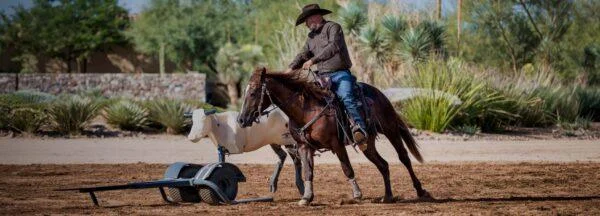
The subtle shift in a beloved equine companion’s demeanor, from confident and willing to hesitant and anxious, can be a deeply concerning experience for any horse owner. This transformation, often manifesting as a growing nervousness on the trail, can leave riders questioning their approach and searching for effective solutions. For one Quarter Horse owner, the increasing apprehension displayed by their eight-year-old gelding, Dewey, prompted a quest for answers, highlighting a common challenge in equine partnership: fostering genuine confidence through effective leadership.
The Foundation of Equine Confidence: Understanding the Horse’s Need for a Leader
Renowned horseman Clinton Anderson, known for his practical and effective training methods, emphasizes that a horse’s inherent desire for a leader is paramount to its emotional well-being and confidence. He explains that horses, as prey animals, naturally seek a strong, reliable figure to guide them through uncertain environments. Without this perceived leadership, a horse can become uncomfortable, leading to heightened anxiety and a tendency to react defensively. When a horse perceives a void in leadership, it may attempt to fill that role itself. This often results in the horse dictating the pace and direction of the ride, potentially leading to dangerous situations where the horse, not the rider, is in control.
"A lack of leadership makes a horse feel uncomfortable," Anderson states, underscoring the fundamental principle. "If you’re not willing to do the job, the horse will eventually step up to the plate and do it himself. When that happens, you have no control. Instead, your horse is in control of you, which puts you in a situation that can turn extremely dangerous." This perspective shifts the focus from the horse’s perceived "bad behavior" to the rider’s role in establishing a clear and consistent leadership dynamic.
A Case Study: The Trail-Shy Performance Horse
Anderson recounts a pertinent anecdote that illustrates this leadership principle in action. Several years ago, he gifted a performance horse to a friend. Approximately eight months into ownership, the friend contacted Anderson, expressing significant distress over the horse’s escalating trail anxieties. The horse, previously a reliable mount, had begun to spook and bolt unpredictably during trail rides. Initially, these incidents occurred infrequently, perhaps once every three or four outings. However, the behavior rapidly intensified, culminating in daily episodes of sudden snorting, sideways leaps, and uncontrolled sprints. Strikingly, the horse remained perfectly behaved and responsive in the arena, exhibiting none of the nervousness displayed on the trail.
This stark contrast between arena performance and trail behavior immediately signaled a discrepancy in the rider’s approach. While Anderson recognized the underlying issue, he guided his friend through a diagnostic process to arrive at the solution herself. He inquired about her riding habits on the trail, and she described instances where she would ride with a companion, engaging in conversation and allowing the horses to wander on loose reins. This passive approach, she explained, was in direct contrast to her arena work.
"Oh, I’m constantly moving his feet—sidepassing him, two-tracking him, backing him up, loping circles," she explained, detailing her active engagement in the arena. "I’m doing everything you showed me how to do, Clinton."
The Crucial Distinction: Active Leadership vs. Passive Presence
Anderson’s analysis revealed the core of the problem: the friend was providing active leadership in the controlled environment of the arena by consistently engaging the horse and giving it specific tasks. However, on the trail, this active leadership was absent. The horse, left to its own devices with no clear direction, began to interpret its surroundings through a lens of potential threat, becoming hyper-vigilant and prone to reactive behavior.
The solution, Anderson proposed, was to extend the principles of active leadership to the trail riding experience. He advised his friend to actively engage the horse’s feet on the trail, just as she did in the arena. This involved incorporating exercises such as circling around bushes, performing figure-eights between trees, and sidepassing along the trail. The objective was to give the horse a "job to do," thereby shifting its focus from potential perceived threats to following its rider’s cues.
The results were remarkably swift and profound. After a single trail ride implementing these directives, the friend reported that the horse had returned to its former calm and willing disposition, exhibiting no further signs of spooking. This experience serves as a powerful testament to the direct correlation between consistent, active leadership and a horse’s confidence and responsiveness.
Applying the Principles: Dewey’s Path to Renewed Confidence
The situation described by the Quarter Horse owner, whose horse Dewey is experiencing a decline in confidence, mirrors the principles highlighted in Anderson’s case study. Dewey, primarily a trail horse ridden two to three times a week, has become increasingly shaky in certain situations. While the owner has been successful in "talking him through" these moments of apprehension, the underlying nervousness is escalating, indicating a need for a more proactive approach to building confidence from the ground up.
Anderson’s advice to Dewey’s owner is consistent with his overall philosophy: "The answer to your situation is the same—you need to give your horse a job to do—in other words, move his feet forwards, backwards, left and right." The implication is that the limited arena work, while valuable, may not be sufficient to counteract the passive nature of most trail rides. When a horse is allowed to simply amble along the trail, its attention is free to wander, scanning its environment for anything that might be perceived as a threat. This constant vigilance, without clear direction from the rider, can erode a horse’s sense of security.
The Psychology of the Trail: Why Direction is Key
From a psychological perspective, horses thrive on predictability and clear communication. On the trail, the environment is inherently less controlled and more unpredictable than an arena. Novel sights, sounds, and smells can trigger a horse’s natural flight response. A rider who is not actively engaged in guiding the horse’s movement can inadvertently reinforce this anxiety. When a horse is permitted to look at everything, it is also given the mental space to imagine what it "could spook at."
By consistently engaging the horse’s feet, the rider interrupts this cycle of anxious observation. Exercises such as asking the horse to back up a few steps, perform a sidepass alongside a tree, or lope a small circle around a fallen log, serve multiple purposes. Firstly, they require the horse’s focus and mental engagement, redirecting its attention away from potential distractions. Secondly, these movements are deliberate and controlled, reinforcing the rider’s role as the decision-maker and leader. This consistent guidance communicates to the horse that the rider is capable of navigating the environment and that the horse can relax and trust its leader’s judgment.
Beyond the Basics: Integrating Leadership into Trail Riding
The concept of "giving your horse a job to do" on the trail is not about creating an elaborate training session but about integrating purposeful movements into the natural flow of a ride. This can be achieved through a variety of simple yet effective techniques:
- Varied Transitions: Instead of maintaining a steady pace, incorporate frequent, controlled transitions between gaits. Ask for a brief walk, then a trot, then a walk again. This keeps the horse engaged and responsive to cues.
- Lateral Movements: Practice sidepassing along the trail, perhaps to move around an obstacle or simply to maintain engagement. Two-tracking (also known as leg-yielding) can also be incorporated to encourage suppleness and responsiveness.
- Reversing and Backing: Occasionally ask the horse to back up a few steps. This is a fundamental exercise that reinforces responsiveness to leg and rein aids and can be a valuable tool for regaining control if a horse becomes overly fixated on something.
- Circles and Figure-Eights: Utilize natural features like trees or bushes to perform small circles or figure-eights. This not only keeps the horse’s feet moving but also challenges its balance and responsiveness.
- Controlled Pauses and Departures: When stopping, ensure the horse stands quietly and respectfully. When departing, ask for a specific gait and direction rather than allowing a hesitant or rushed start.
The key is consistency. Even a few minutes of focused, purposeful riding interspersed with periods of relaxed travel can make a significant difference. The goal is to establish a pattern where the horse understands that the rider is always in charge and always providing direction, whether it’s navigating a challenging section of trail or simply enjoying a scenic ride.
The Long-Term Implications: A Partnership Built on Trust
The long-term implications of adopting this leadership-focused approach extend far beyond simply resolving immediate confidence issues. By consistently acting as a confident and capable leader, the rider builds a deeper level of trust and respect with their horse. This trust is the bedrock of a strong equine partnership, transforming rides from potentially stressful encounters into enjoyable and harmonious experiences.
When a horse feels secure and confident in its rider’s leadership, it is more likely to approach new situations with curiosity rather than fear. This can lead to a reduction in unwanted behaviors such as bolting, bucking, or freezing, and an increase in willingness and responsiveness. The horse learns to rely on its rider for guidance, understanding that the rider will make the decisions and navigate the challenges. This dynamic not only enhances safety but also fosters a more profound emotional connection between horse and rider.
The initial investment of time and mental effort in actively leading a horse on the trail will yield significant rewards. As Anderson notes, the results can be astonishing. By understanding and fulfilling a horse’s innate need for leadership, owners can unlock their equine partner’s true potential for confidence, transforming them into a more secure, willing, and enjoyable companion for all their equestrian adventures.