

The Horse of the Year Show (HOYS), affectionately known as ‘The World’s Most Famous Horse Show,’ has traversed an extraordinary journey since its inception on September 13, 1949, at the iconic Harringay Arena. From its humble beginnings as a pioneering end-of-season championship, HOYS has consistently adapted and expanded, particularly in its commitment to showcasing a diverse array of equestrian talent through the introduction of numerous new showing classes. This evolution reflects not only the changing dynamics of equestrian sport but also a conscious effort to broaden participation and celebrate the breadth of horse and pony breeds and disciplines within the United Kingdom and beyond. Once, the opportunities for aspiring junior riders to compete under the coveted spotlight were notably limited, primarily confined to the show pony categories, junior showjumping, and the spirited Pony Club games. Today, the landscape is dramatically different, offering a far richer tapestry of classes that cater to a wider spectrum of ages, abilities, and equestrian interests, cementing HOYS’s status as a pivotal event in the global equestrian calendar.
The Genesis of an Equestrian Institution: From Harringay to Global Prominence
The vision for the Horse of the Year Show was born from a desire to create a grand finale for the equestrian season, a platform where the champions from various shows across the country could converge and compete for ultimate glory. Founded by Colonel Mike Ansell, a formidable figure in British showjumping, and facilitated by the British Show Jumping Association, the inaugural event at Harringay Arena was a resounding success, attracting thousands of spectators eager to witness the finest horses and riders. Harringay, originally built for greyhound racing, was ingeniously transformed into an equestrian arena, complete with temporary stables and a vibrant atmosphere that set the precedent for future shows. The early years of HOYS were characterized by a focus on the traditional disciplines of showjumping and a select number of showing classes, establishing the foundational pillars of the event. The show quickly garnered a reputation for its high standards, impeccable organization, and the thrilling spectacle it presented, drawing the attention of both the equestrian community and the wider public.
- Early Focus and Limited Scope: In its nascent stages, HOYS primarily served as a showcase for established showjumpers and the elite of the showing world. The showing classes were fewer and often concentrated on what were then considered the mainstream categories: hackneys, hunters, and specific pony types. The concept of broad-based participation, particularly for younger riders, was still developing within the equestrian sport itself.
- The Showjumping Spectacle: Showjumping was, from the outset, a major draw, featuring legendary riders and horses competing for prestigious titles. The excitement generated by the puissance walls and the Grand National-style courses captivated audiences, making showjumping synonymous with the HOYS experience.
- A National Showcase: HOYS rapidly became the ultimate aspiration for many riders and owners, the pinnacle of achievement for the season. Qualification for the show was, and remains, a rigorous process, ensuring that only the very best reach the hallowed arena.
A Chronology of Transformation: Expanding Horizons at HOYS
The journey of HOYS is one of continuous evolution, marked by significant milestones and strategic expansions that have shaped its current form. Following its initial success at Harringay, the show moved to Wembley Arena in 1959, a venue synonymous with grand sporting events, further elevating its profile. This move ushered in an era of increased popularity and broader public appeal. In 2002, HOYS found its current home at the National Exhibition Centre (NEC) in Birmingham, a state-of-the-art facility that allowed for even greater logistical capabilities, spectator comfort, and the ability to host multiple arenas and extensive trade stands.
- 1949: Inauguration at Harringay Arena. The birth of a national equestrian championship.
- 1950s: Growing Popularity and International Recognition. The showjumping element began to attract international competitors, adding to the prestige.
- 1959: Move to Wembley Arena. A larger, more modern venue marking a new chapter of growth and audience engagement.
- 1960s-1980s: Gradual Class Expansion. While showjumping remained central, the showing classes began to diversify. Categories for native breeds, initially limited, started to gain traction as their importance to British equestrian heritage was increasingly recognized. The Pony Club, a vital organization for youth equestrian development, saw its presence grow beyond just games, though specific junior showing classes remained comparatively sparse.
- 1990s: Modernization and Professionalization. Increased commercial sponsorship and television coverage brought HOYS to a wider audience. The demands for more inclusive classes, particularly for younger participants and a broader range of horse and pony types, began to intensify.
- 2002: Relocation to NEC Birmingham. This move was transformative, providing expansive exhibition space, multiple arenas, and enhanced visitor facilities, allowing for a significant expansion in the number and variety of classes offered.
- 21st Century: Unprecedented Growth in Showing Classes. The period post-2002 has seen a remarkable surge in the diversity of showing classes, particularly those dedicated to native breeds and junior riders, reflecting a broader shift in equestrian participation and public interest. This includes a multitude of Mountain & Moorland (M&M) classes, coloured horse and pony classes, and specific categories for different ages and levels of junior competitors.
Empowering the Next Generation: A Paradigm Shift for Junior Riders
The most striking aspect of HOYS’s evolution, as highlighted in its history, is the profound transformation in opportunities for junior riders. In the early days, the competitive landscape for youngsters was starkly limited. A junior rider’s dream of competing at HOYS would typically revolve around three primary avenues: the highly competitive show pony classes, the demanding junior showjumping categories, or the energetic Pony Club games. While these classes provided invaluable experience, they represented a narrow gateway to the top echelons of the sport.
- The Original Constraints: The show pony classes, while prestigious, catered to a very specific type of pony and rider, often requiring significant financial investment and highly specialized training. Junior showjumping, similarly, was a high-pressure discipline requiring considerable skill and nerve. Pony Club games, while fun and foundational, were distinct from the formal showing disciplines. This left many talented young riders and a vast array of ponies without a clear path to the HOYS arena.
- Drivers for Change: The push for greater inclusivity stemmed from several factors:
- Growth of Pony Clubs and Riding Schools: Increased participation at grassroots level created a larger pool of young riders eager for competitive opportunities.
- Recognition of Native Breeds: A resurgence of interest in British native pony breeds (e.g., Connemara, Welsh, Dartmoor, Fell, Highland) led to a demand for dedicated classes where these ponies could shine under saddle, often ridden by juniors.
- Focus on Rider Development: A greater understanding of the importance of early competitive experience for long-term rider development and retention in the sport.
- Accessibility: Efforts to make equestrian sport more accessible to a broader demographic, moving away from a perception of it being solely for the elite.
Today, the program boasts an impressive array of junior classes, including various height and type categories for show ponies, working hunter ponies, Mountain & Moorland ridden classes for different native breeds, lead rein and first ridden classes for very young children, and a comprehensive suite of junior showjumping championships. This expansion has created a ladder of progression for young riders, allowing them to gain experience and compete at their own level, with the ultimate goal of reaching HOYS. This inclusive approach not only nurtifies talent but also instills a lifelong passion for equestrianism.
The Prestige of the Mountain & Moorland Ridden Championship
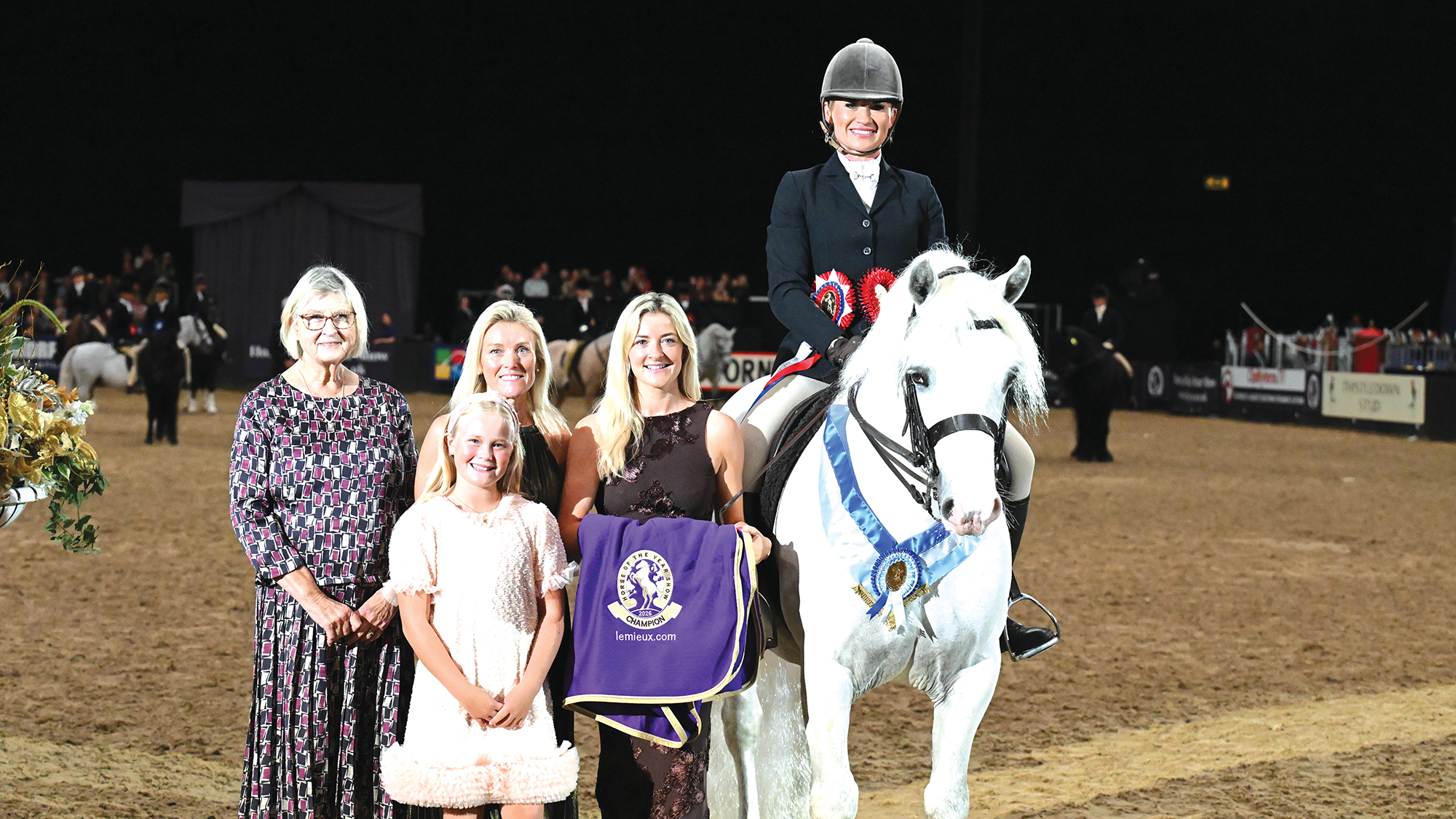
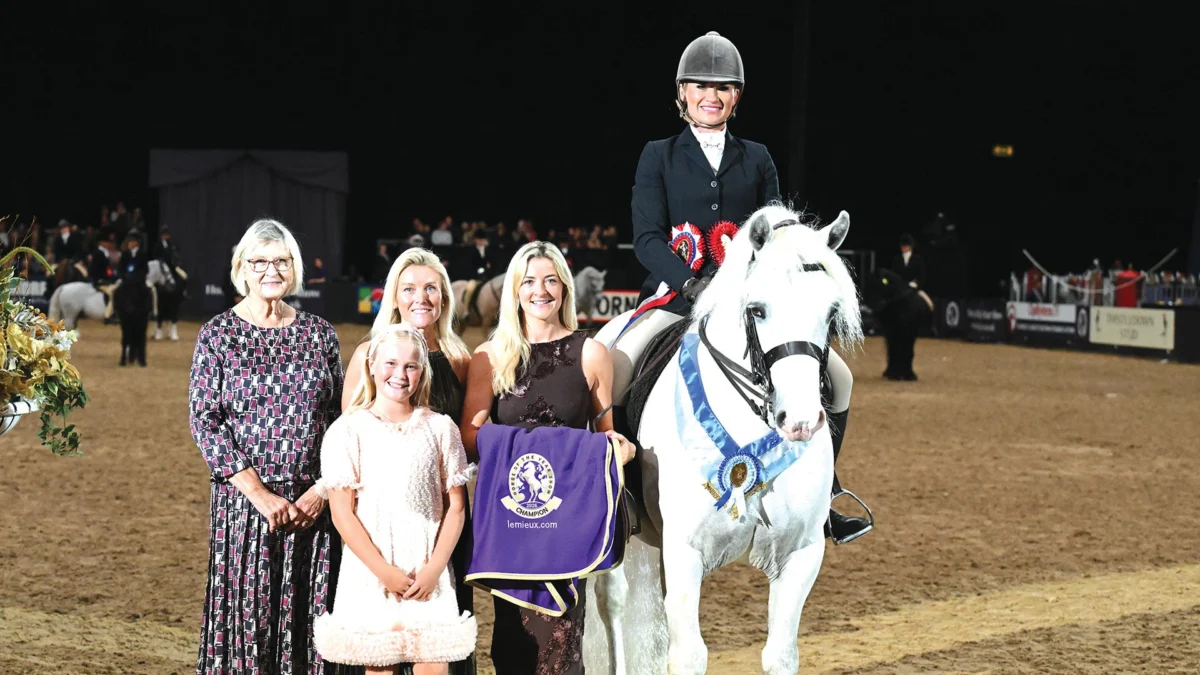
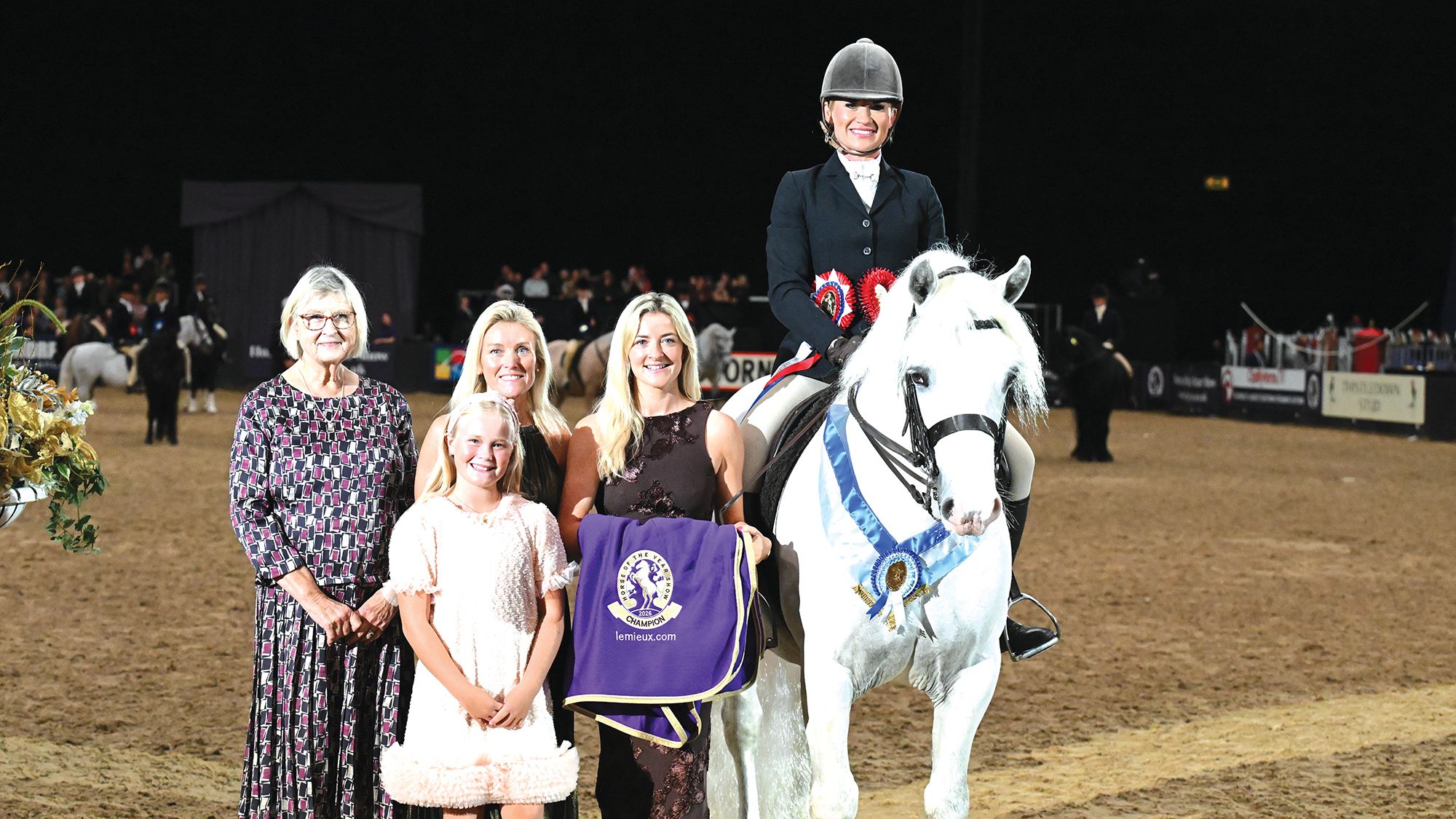
The image accompanying this article, featuring Vikki Smith piloting Connemara Copperbeech Encore to victory in the M&M ridden championship, perfectly encapsulates the modern HOYS ethos. The Mountain & Moorland (M&M) categories represent a cornerstone of British equestrian heritage, celebrating the indigenous pony breeds of the British Isles and Ireland. These ponies, known for their hardiness, character, and versatility, are judged on their conformation, type, manners, and way of going, showcasing their suitability for ridden work while retaining their breed characteristics.
- Significance of M&M Classes: The M&M ridden championship at HOYS is one of the most highly anticipated and fiercely contested showing classes. It highlights the beauty, athleticism, and temperament of breeds such as the Connemara, Welsh Sections A, B, C, D, Dartmoor, Exmoor, Fell, Dales, and Highland ponies. Winning this championship is a testament to the quality of the pony, the skill of the rider, and the dedication of the entire team behind them.
- Vikki Smith and Connemara Copperbeech Encore: The success of partnerships like Vikki Smith and Connemara Copperbeech Encore underscores the high standards now prevalent in these classes. It speaks volumes about the meticulous breeding, careful training, and expert presentation required to triumph in such a competitive environment. Connemaras, in particular, are celebrated for their athleticism, intelligence, and kind temperament, making them exceptional ridden ponies.
- Expert Perspectives: Leading equestrian figures, such as Stuart Hollings, a renowned judge and Horse & Hound columnist, frequently emphasize the increasing quality and depth of competition in these M&M classes. "The standard of M&M ponies and riders at HOYS has reached unprecedented levels," Hollings might observe. "It’s a true celebration of our native breeds, demonstrating their incredible versatility and the dedicated work of breeders and producers. The junior M&M classes, in particular, are instrumental in fostering talent and ensuring these wonderful ponies have a future." Such sentiments reflect a broad consensus within the showing community.
The Broader Impact and Economic Footprint of HOYS
Beyond the competitive arena, the Horse of the Year Show exerts a significant impact on the equestrian industry and the wider economy. As a premier event, it serves as a powerful platform for promoting equestrian sports, showcasing British horsemanship, and driving economic activity.
- Economic Contribution: Annually, HOYS draws tens of thousands of spectators, exhibitors, and competitors to Birmingham. This influx generates substantial revenue for local businesses, including hotels, restaurants, and transport services. The event also supports a vast network of equestrian businesses, from tack shops and feed suppliers to horse transporters and equine therapists, who set up extensive trade stands, offering a diverse range of products and services. The total economic impact is estimated to run into many millions of pounds each year.
- Industry Catalyst: HOYS acts as a crucial marketplace and networking hub for the equestrian industry. Breeders showcase their stock, trainers seek new clients, and innovations in equine care and technology are unveiled. It provides an unparalleled opportunity for brands to connect with their target audience, influencing purchasing decisions across the sector.
- Promoting Equestrianism: The extensive media coverage of HOYS, including television broadcasts and dedicated equestrian press, brings the sport to a national and international audience. This exposure inspires new participants, educates the public about different equestrian disciplines, and highlights the unique bond between humans and horses. The accessibility of a wider range of classes, particularly for juniors, directly contributes to growing participation at grassroots levels.
- Standard Setting: HOYS sets the benchmark for excellence in equestrian showing and showjumping. The stringent qualification criteria and the high level of judging ensure that only the best combinations reach the finals. This, in turn, drives improvements in breeding practices, training methodologies, and horse welfare across the country, as competitors strive to meet the exacting standards required to succeed at ‘The World’s Most Famous Horse Show.’
Conclusion: A Future Forged in Tradition and Innovation
The Horse of the Year Show stands as a testament to the enduring appeal and dynamic evolution of equestrian sport. From its foundational principles laid down at Harringay in 1949, it has continually embraced change, broadening its scope and deepening its impact. The journey from limited junior opportunities to a rich tapestry of classes, particularly the celebration of native breeds in championships like the M&M ridden, underscores a commitment to inclusivity and the nurturing of future talent. As HOYS continues to adapt to the evolving landscape of equestrianism, balancing its cherished traditions with a forward-thinking approach, it remains a vibrant, essential, and aspirational event. Its role in shaping the careers of countless riders, promoting the welfare of horses, and enriching the cultural fabric of British sport ensures its legacy will continue to flourish for generations to come. The show’s ability to maintain its prestige while consistently expanding its embrace of new disciplines and participants guarantees its place as a jewel in the crown of global equestrian events.







