

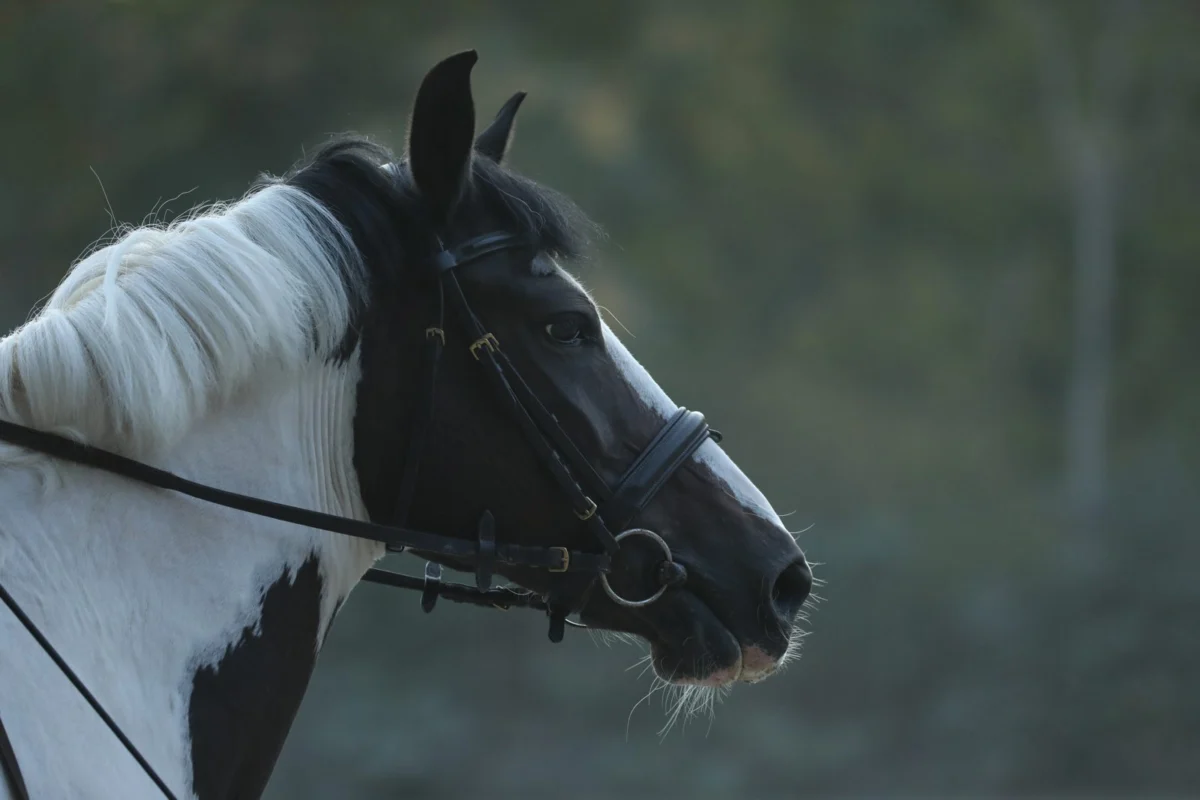
In a landscape often defined by the sleek lines of Thoroughbreds and the powerful stature of Warmbloods, a distinctive coat pattern is increasingly catching the discerning eye of judges and competitors alike in English riding disciplines. The Appaloosa, traditionally perceived as a Western pleasure mount or a child’s first pony, is transcending these historical confines, emerging as a formidable and versatile athlete in the demanding arenas of eventing and show jumping. This isn’t merely a curiosity; it signifies a quiet revolution in equestrian sport, where the breed’s inherent athleticism, robust conformation, and unflappable temperament are earning it genuine contention and respect. The narrative is shifting from an overlooked underdog to a recognized and celebrated performer, demonstrating that capability is not dictated by color or conventional breeding.
Historical Pedigree: From Nez Perce War Horse to Modern Competitor
The origins of the Appaloosa are deeply rooted in the history of the Nez Perce people of the Pacific Northwest, who selectively bred these horses for centuries. Their criteria were stringent: intelligence, stamina, speed, sure-footedness over rugged terrain, and a calm disposition under pressure. These were war horses, hunting partners, and vital components of tribal life, not merely decorative animals. This rigorous selection process inadvertently forged a foundation stock ideally suited for the physical and mental demands of modern equestrian sports.
Following the Nez Perce War in the late 19th century, the breed faced near extinction. A concerted effort by enthusiasts in the mid-20th century led to the formation of the Appaloosa Horse Club (ApHC) in 1938, dedicated to preserving and promoting the breed. While early efforts largely focused on reclaiming and standardizing breed characteristics, interest slowly began to diversify. Initially, the ApHC largely championed Western disciplines, aligning with the breed’s perceived heritage. However, as equestrian sports evolved globally, a growing number of Appaloosa owners and breeders began to explore the breed’s potential beyond the Western saddle, drawn by its inherent athleticism and trainability. This gradual expansion into English disciplines represents a significant chapter in the breed’s modern history, challenging preconceived notions and broadening its competitive scope.
The Physical Blueprint: Conformation for Demanding Disciplines
To truly appreciate the Appaloosa’s burgeoning success in English disciplines, one must look beyond its striking spotted coat to the underlying physical architecture. The modern sport Appaloosa, often a result of careful cross-breeding with other sport lines while maintaining ApHC registration requirements, still retains core structural advantages from its foundation stock.
- Shoulder and Stride: Appaloosas typically possess a strong, well-sloped shoulder, allowing for a free, ground-covering stride. This is crucial for the extended gallop phases in eventing, enabling efficient covering of distances, and contributes to the powerful impulsion required for take-off in show jumping.
- Back and Hindquarters: Their backs are characteristically short-coupled and strong, providing a robust platform for collection and the effective transfer of power from the hindquarters through the core. A powerful hind end is paramount for generating the thrust needed for jumping over substantial obstacles and for maintaining engagement in dressage.
- Bone Density and Hooves: Perhaps one of the most significant, yet often overlooked, attributes is their renowned exceptional bone density and remarkably sound, durable hooves. The striped hooves, a common Appaloosa trait, are often associated with strength and resilience. In disciplines that involve relentless pounding – such as the multiple phases of eventing or the repetitive impact of show jumping training – superior hoof and bone quality are invaluable assets, contributing significantly to longevity and reducing the incidence of lameness, a major concern for sport horse owners and trainers. This inherent structural integrity translates directly into reduced veterinary costs and more consistent training schedules, offering a tangible advantage over more delicately built breeds.
The Mental Edge: The Unflappable Competitor
Beyond physical attributes, the Appaloosa’s temperament stands out as a critical factor in its success. The Nez Perce’s selective breeding for intelligence, bravery, and a calm demeanor under duress has bequeathed a mental fortitude that is a true hallmark of the breed.
- Intelligence and Trainability: Appaloosas are typically quick learners, absorbing new concepts and commands with remarkable efficiency. However, they are not prone to the "hot" or overly reactive tendencies sometimes seen in other sport breeds. This balance makes them highly trainable, allowing riders and trainers to progress steadily without constantly battling anxious or flighty behaviors.
- Pragmatic Approach Under Pressure: In high-stress environments, such as a bustling warm-up ring, the intensity of a stadium jumping course, or the isolated challenges of cross-country, the Appaloosa’s ‘people sense’ and pragmatic mind come to the fore. They tend to assess unfamiliar situations rather than react impulsively. An unusual jump decoration or a banner flapping in the wind is processed calmly, allowing the horse to focus on the rider’s aids and the task at hand. This mental resilience is as vital as any physical attribute for an eventer navigating a complex coffin combination or a jumper aiming for a tight jump-off.
- Reliability and Partnership: Experienced trainers often commend Appaloosas for their reliability. They are thinkers, not merely reactors, which fosters a deep partnership with their rider. This trust and willingness to engage mentally make them exceptionally dependable partners when the stakes are highest, contributing significantly to clear rounds and confident performances.
Chronology of Competitive Achievements and Notable Figures
While the Appaloosa’s presence in English disciplines has historically been less prominent than in Western events, a growing chronology of success underscores its increasing acceptance. Early pioneers played a crucial role in demonstrating the breed’s potential. Horses like the legendary stallion Prince Plaudit, an Appaloosa who earned his Register of Merit in jumping, were instrumental in paving the way. Such individual successes provided tangible proof of the breed’s athletic pedigree, encouraging more riders and breeders to explore these avenues.
In recent decades, the breed’s representation at recognized competitions has steadily climbed. Appaloosas and Appaloosa-crosses are now consistently seen competing, and winning, at events sanctioned by organizations such as the United States Eventing Association (USEA) and the United States Hunter Jumper Association (USHJA). While they may not yet dominate at the Olympic level in dressage, their presence is strong and growing at the lower to mid-levels (e.g., Novice, Training, Preliminary in eventing, or 1.0m-1.2m jumpers). A recent USEA report indicated a steady increase in Appaloosa registrations participating in their events over the last decade, reflecting a broader trend of diversification in the sport. This consistent performance at significant national events demonstrates that their participation is not just tokenism, but a genuine and competitive engagement.
The versatility required by eventing—transitioning seamlessly from the precision of dressage to the boldness of cross-country and the agility of stadium jumping—is a discipline where the Appaloosa’s all-around athleticism truly shines. Their stamina, bravery, and soundness make them particularly well-suited for the rigorous demands of this triathlon for horses.
Optimizing Training: Leveraging the Appaloosa’s Strengths
Training an Appaloosa for English sport disciplines requires an approach that respects and leverages their unique intellectual and physical characteristics.
- Clear, Consistent, and Varied Training: Due to their intelligence, Appaloosas thrive on clear, consistent, and fair training. They can, however, become bored or resistant with overly repetitive drills. Trainers find success by keeping work varied and purposeful, constantly engaging their minds.
- Jumping: Their natural ‘scopiness’—the ability to jump broad and high—can be cultivated through gymnastics that encourage them to use their backs and engage their hindquarters. They often demonstrate a powerful jump from a deep take-off spot, a valuable asset in navigating complex courses.
- Dressage: While they may not always possess the exaggerated, flashy movement of some purpose-bred Warmbloods, Appaloosas are more than capable of achieving the balance, suppleness, and obedience required for competitive dressage. The focus in training should be on building a correct, powerful engine through systematic flatwork, prioritizing collection, engagement, and responsiveness over chasing extravagant extensions that may not be inherent to the breed. Their willingness to please, once a bond of trust is established, serves as a trainer’s greatest asset in developing a refined performance.
- Cross-Country: Their natural gallop, stamina, and sure-footedness are immense advantages. Training focuses on maintaining a forward, balanced rhythm, developing bravery over various obstacle types, and refining the rider-horse communication for split-second decisions.
Broader Impact and Future Implications
The Appaloosa’s expanding role in English equestrian sport carries significant implications for the broader equine industry and competitive landscape.
- Challenging Breed Stereotypes: The breed’s success serves as a powerful testament against breed-specific pigeonholing. It encourages a more open-minded approach to horse selection, prioritizing individual talent and suitability over breed labels or aesthetic preferences. This contributes to greater diversity within equestrian disciplines.
- Accessibility and Affordability: Often, Appaloosas can be acquired at a more accessible price point than purpose-bred Warmbloods or Thoroughbreds, making high-level equestrian sport more attainable for a wider range of riders. This economic factor is crucial for amateur riders, young competitors, and professionals seeking reliable mounts without prohibitive upfront costs.
- Durability and Welfare: The breed’s renowned soundness and durability are not just an economic benefit but also a welfare advantage. Horses that hold up better to the rigors of training and competition enjoy longer, healthier careers, contributing to a more sustainable model for equestrian sport. Equine veterinarians frequently attest to the robustness of Appaloosas compared to some other breeds.
- Breeding Program Evolution: The growing demand for sport-type Appaloosas is influencing breeding programs within the ApHC. Breeders are increasingly focusing on conformation and temperaments suited for jumping and eventing, potentially leading to the development of distinct sport Appaloosa lines. The ApHC itself has begun to actively promote the breed’s versatility across all disciplines, including English riding, through various programs and awards.
- The Ultimate Multi-Purpose Partner: For a diverse range of riders, the Appaloosa offers an invaluable combination of attributes. For the professional, they can serve as sound, sane schoolmasters. For the adult amateur balancing a career with riding, they are trustworthy partners, offering sensible and safe rides even after a stressful day. For the young rider ascending through the levels, they provide a confident and brave first experience at new heights. They are not merely specialized tools for a single job, but adaptable, reliable, and surprisingly high-performing multi-purpose athletes.
In conclusion, the next time a spotted horse enters the ring, spectators and competitors alike are encouraged to look beyond the striking coat pattern. Observe the technique, the focus, and the unwavering partnership between horse and rider. What is seen is not just a pretty picture, but a dedicated athlete, whose rich history is intertwined with its unique appearance, and whose potential is now being fully realized in every clean jump, steady stride, and confident gallop on the English equestrian stage. The Appaloosa is not just competing; it is excelling, rewriting its own narrative, and enriching the fabric of equestrian sport.







