

The equestrian world is currently grappling with a significant divergence in its sales market, particularly concerning the valuation of top-tier competition ponies. While the broader sport horse market has experienced a challenging selling environment, demand for high-performance ponies remains remarkably robust, driving prices to unprecedented levels. This trend sparks a critical question within the community: have the prices of these elite equine partners become unsustainable, or do the unparalleled qualities of safety, talent, and proven performance truly warrant their escalating costs? This comprehensive analysis explores the multifaceted factors contributing to this phenomenon, examines its implications for the sport, and considers perspectives from various stakeholders.
A Tale of Two Markets: Ponies Outpace Sport Horses
Recent reports from breeders and producers across the United Kingdom indicate a difficult period for the sale of sport horses, characterized by cautious buyers and a surplus of offerings in certain categories. Economic uncertainties, rising upkeep costs, and shifting discretionary spending patterns have contributed to a more conservative market for larger equines. In stark contrast, the segment for competition ponies, particularly those with established show records, exceptional temperaments, and promising futures, continues to thrive. This strong demand persists despite broader economic headwinds, highlighting a unique resilience and perceived value within this specialized niche. The disparity suggests that the motivations and investment priorities of buyers in the pony market differ significantly from those in the sport horse sector. For many families, a competition pony represents not just an animal, but a crucial component in a child’s athletic development, safety, and pathway to future success in equestrian disciplines.
The Foundation of Excellence: What Defines a Top Competition Pony?
A "top competition pony" is far more than just a smaller horse. These animals are typically 12.2 hands to 14.2 hands (128cm to 148cm) and are specifically bred, trained, and campaigned for competitive success, often in showjumping, eventing, or dressage, catering to young riders typically under 16 years of age. Their value is derived from a confluence of critical attributes:
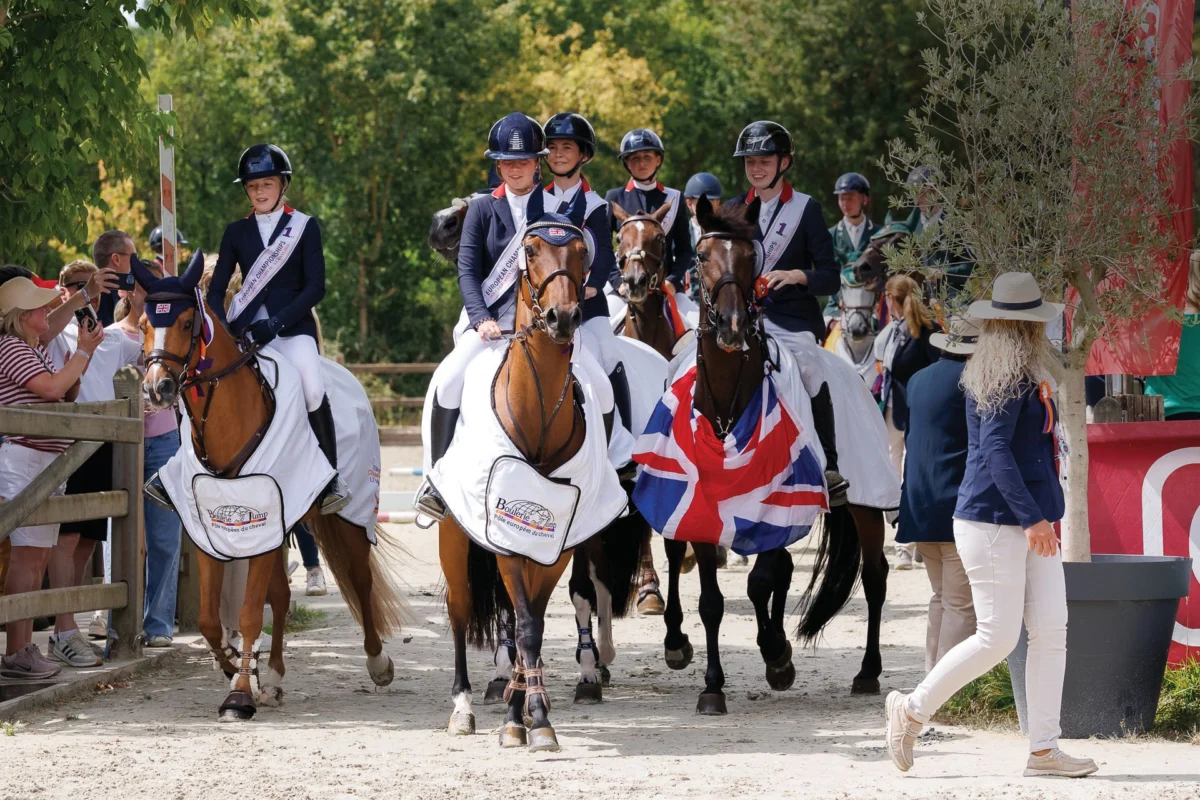
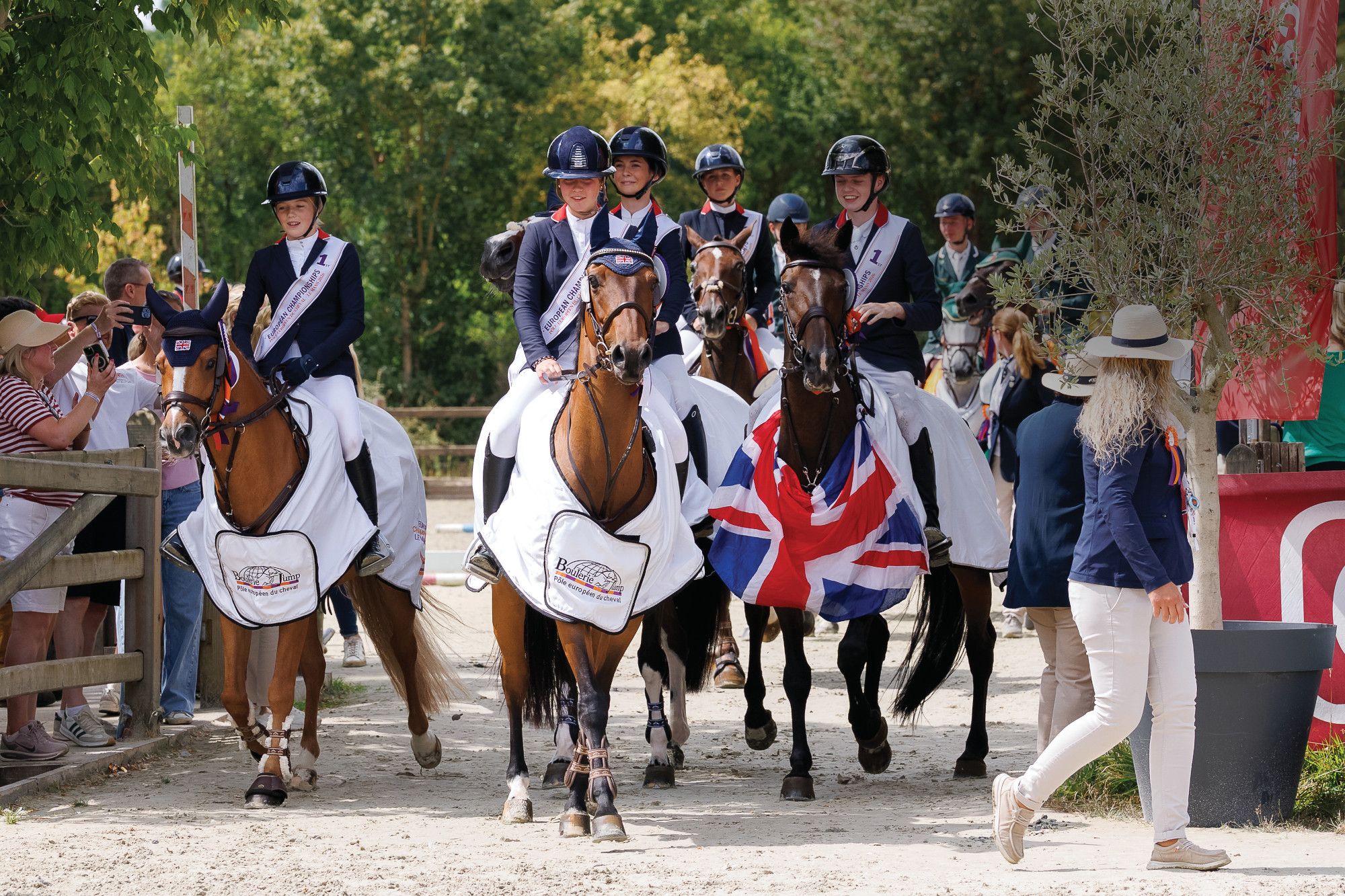
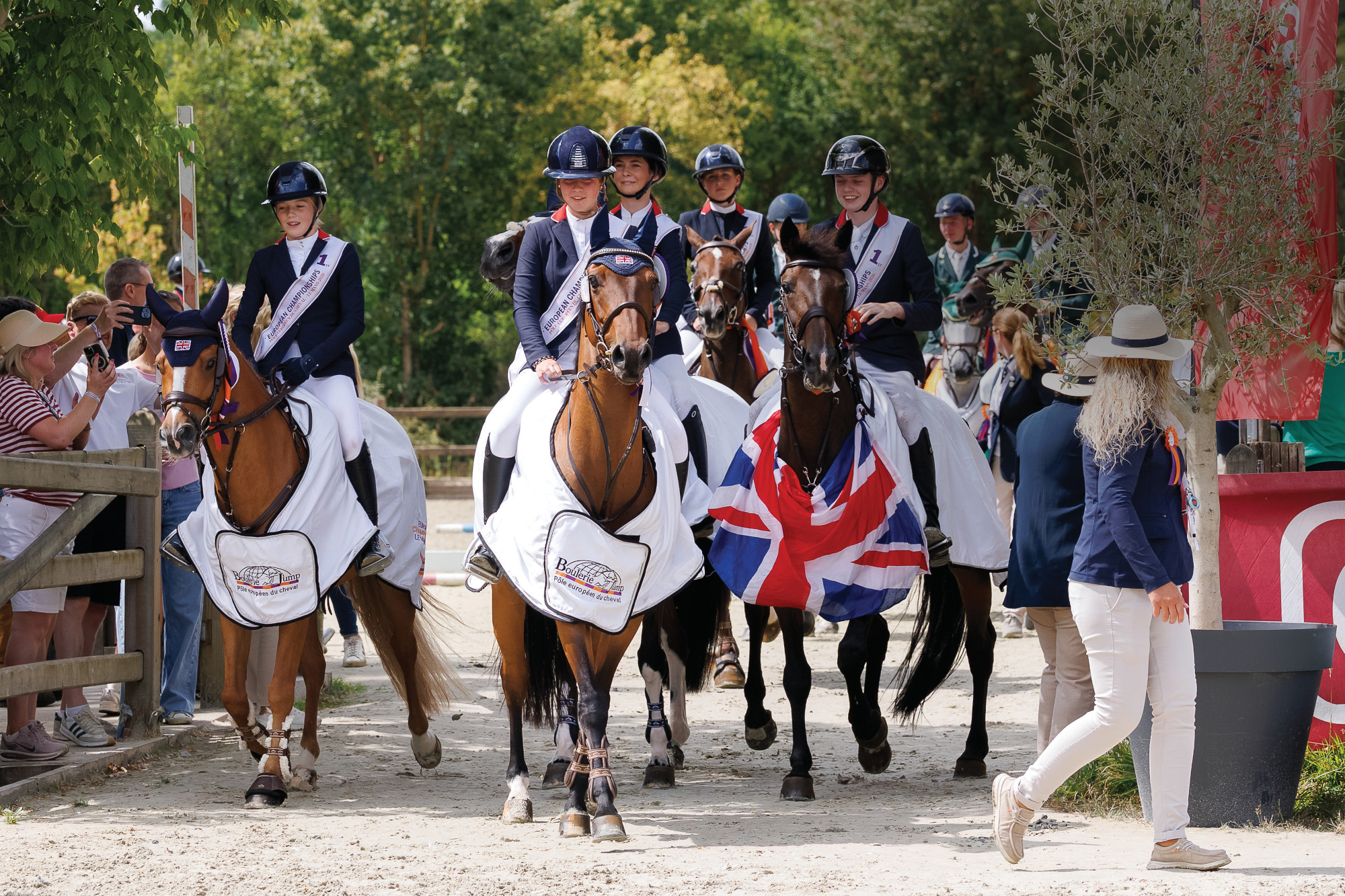
- Proven Performance Record: Ponies that have consistently excelled at regional, national, and even international levels (such as qualifying for or competing in events like the Pony European Championships, as depicted by the British team in the 2026 event) command premium prices. A track record demonstrates consistency, resilience, and the ability to perform under pressure.
- Exceptional Temperament and Safety: Given that their primary riders are children and adolescents, safety is paramount. A calm, sensible, yet competitive temperament is non-negotiable. Ponies that are "schoolmasters" – those that can teach a young rider the ropes while instilling confidence – are invaluable. They must be trustworthy, forgiving of rider errors, and unflappable in varied environments.
- Talent and Athleticism: Beyond temperament, raw talent for their discipline is essential. This includes scope and carefulness in jumping, correct paces and trainability in dressage, and bravery and stamina for eventing. Pedigree often plays a role, with sought-after bloodlines indicating a genetic predisposition for athletic ability.
- Soundness and Longevity: A clean veterinary history and robust constitution are critical. Buyers are investing significant sums and expect the pony to remain sound and capable of competing for several years, supporting a young rider through different stages of their development.
- Experience and Training: A pony that has been expertly produced and trained, understanding the nuances of competition, saves buyers considerable time and expense. This professional input adds immense value.
These combined factors create a rare commodity. The process of identifying, breeding, developing, and campaigning such a pony requires years of dedicated effort, significant financial outlay, and specialized expertise from breeders, producers, and trainers.
Driving Forces Behind the Price Surge: A Multifaceted Analysis
Several interconnected factors contribute to the escalating prices witnessed in the elite pony market:
- Scarcity of Quality: Truly exceptional ponies with the perfect blend of talent, temperament, and a proven record are inherently rare. Unlike larger horses, the pool of ponies suitable for top-level competition is smaller, and the demand for these specific attributes is high.
- Youth Development and Ambition: Equestrian sports are often a family endeavor, with parents investing significantly in their children’s passions and potential careers. For aspiring young riders, a top pony is seen as a critical stepping stone, offering the best chance to develop skills, gain experience, and progress through the ranks towards senior international competition. The desire to provide the "best possible start" often overrides financial considerations for committed families.
- The "Schoolmaster" Premium: A pony that can guide a child from novice to advanced levels, teaching them without overwhelming them, is considered priceless. These "schoolmasters" minimize risks and maximize learning, offering peace of mind to parents. Their value is often measured in the confidence and skill they impart, rather than just their athletic prowess.
- Increased Professionalization of Youth Sport: Modern equestrianism, even at junior levels, has become increasingly professionalized. Young riders are starting earlier, receiving intensive coaching, and aiming for higher achievements. This intensifies the demand for ponies capable of meeting these elevated competitive standards.
- Social Media and Exposure: The pervasive influence of social media platforms has amplified the visibility of successful young riders and their ponies. This creates aspirational goals and showcases the rewards of investing in top-tier animals, further fueling demand.
- Inflation and Rising Costs of Production: The costs associated with breeding, rearing, training, and campaigning ponies have risen steadily. Veterinary care, feed, farriery, stable management, and competition entry fees have all seen inflationary increases, which are inevitably factored into the final sale price.
- Brexit and Import/Export Challenges (UK Specific): For the UK market, post-Brexit regulations have added layers of complexity and cost to the import and export of equines, potentially impacting the supply chain and further consolidating demand within the domestic market for readily available, high-quality ponies.
A Chronology of Market Trends: From Steady Growth to Accelerated Valuation
While comprehensive historical data specific to the UK pony market is often proprietary, general trends can be observed:
- Pre-2010: A relatively stable market with consistent demand for well-schooled ponies. Prices, while significant, were generally predictable based on age, experience, and pedigree.
- 2010-2019: Gradual increase in prices, particularly for ponies with proven track records at national levels. Increased parental investment in youth sports became more evident.
- 2020-2021 (Pandemic Boom): The COVID-19 pandemic saw an unexpected surge in demand for all types of equines, including ponies. With more people working from home and seeking outdoor activities, interest in equestrianism grew. Limited supply due to travel restrictions and increased leisure time contributed to a rapid appreciation in prices, especially for safe, reliable mounts.
- 2022-Present (Post-Pandemic & Economic Headwinds): While the broader sport horse market began to cool as economic pressures mounted, the elite competition pony market has largely maintained its elevated prices. The specific niche of high-performance ponies seems somewhat insulated from general economic downturns, as dedicated families continue to prioritize these investments. The "once-in-a-lifetime" pony for a child’s competitive window maintains its allure, even when other discretionary spending is curtailed.
The Price of Priceless: Safety, Talent, and Accessibility
The core question remains: is the current pricing realistic? For many, the answer lies in the unique value proposition. When a pony can safely carry a child through complex courses, instill confidence, and consistently deliver results, its worth extends beyond mere monetary figures. The peace of mind for parents, knowing their child is riding a reliable and well-trained animal, often justifies the significant investment. A "schoolmaster" pony can accelerate a child’s learning by years, effectively providing an education that would be far more costly and risky to achieve with a less experienced animal.
However, the escalating prices raise serious concerns about accessibility and the future diversity of equestrian sport. If only the most affluent families can afford these top ponies, it risks creating an elitist environment where talent from less privileged backgrounds may be overlooked. This could ultimately limit the talent pool for future national and international teams.
Perspectives from the Equestrian Community
- Breeders and Producers: "Producing a top competition pony is a labour of love and a significant financial undertaking," states a leading UK pony producer (inferred). "From careful breeding decisions, through meticulous upbringing, professional training, and campaigning at shows, the costs accumulate. When a pony finally achieves a consistent high-level record, it’s the culmination of years of investment. The price reflects that, and crucially, the rarity of a genuinely safe, talented, and proven animal for a child."
- Parents/Buyers: "Yes, the prices are eye-watering, but what price do you put on your child’s safety and their passion?" remarks a parent whose daughter competes at national level (inferred). "We looked at many ponies, and the difference in confidence and skill development with a truly experienced pony is incomparable. It’s a huge investment, but for us, it’s an investment in her future and her love for the sport." Conversely, another parent expressed concern: "We’d love to see our son compete at a higher level, but the cost of the ponies is simply out of reach. It feels like the sport is becoming increasingly exclusive."
- Equestrian Federations and Governing Bodies: Organisations like British Showjumping or British Eventing (inferred) are likely aware of the market dynamics. Their focus often centers on talent pathways and ensuring the sport remains accessible. "We are constantly looking at initiatives to support young riders from all backgrounds," a spokesperson might state (inferred). "While market forces dictate prices, we must ensure that talent is nurtured regardless of financial means, whether through bursaries, loan schemes, or supporting grassroots programs that develop future stars on more affordable mounts."
Implications for the Future of Equestrian Sport
The sustained high demand and prices for top competition ponies have several key implications:
- Impact on Grassroots Participation: The "trickle-down" effect of high-end prices can inflate costs even at lower levels, potentially deterring new entrants to the sport if they perceive it as prohibitively expensive.
- Talent Identification and Development: There is a risk that natural talent could be overlooked if individuals lack access to the financial resources required to acquire and maintain a top pony. This could limit the diversity of future elite riders.
- Breeding and Production Strategies: The high value placed on proven ponies may encourage breeders to focus on producing fewer, higher-quality animals, investing more heavily in their early training and competition exposure. This could lead to an even greater scarcity of entry-level, yet safe, ponies.
- The Loan Market: An increase in high-value ponies may also stimulate a more formalized and robust loan market, allowing talented riders to access top ponies without the prohibitive upfront purchase cost. This could be a vital mechanism for maintaining accessibility.
- Welfare Considerations: The intense demand for high-performance ponies might inadvertently place pressure on young animals to perform at high levels too early, or to be campaigned excessively, raising potential welfare concerns if not managed responsibly. Buyers must remain diligent about the pony’s well-being and long-term health.
Conclusion: A Balancing Act Between Aspiration and Accessibility
The market for elite competition ponies stands as a testament to the dedication and ambition within youth equestrian sports. The unparalleled qualities of safety, talent, and a proven track record genuinely command a premium, reflecting the significant investment required to produce such animals and the invaluable role they play in a young rider’s development. However, the escalating costs present a critical challenge to the sport’s long-term accessibility and diversity.
The equestrian community faces a delicate balancing act: celebrating the excellence embodied by these extraordinary ponies and the achievements of their young riders, while simultaneously working to ensure that the sport remains open to all talent, regardless of economic background. Initiatives supporting grassroots development, promoting responsible breeding, and facilitating accessible pathways for aspiring equestrians will be crucial in navigating this evolving market and safeguarding the future health and inclusivity of pony sports for generations to come. The question of whether safety and talent are truly priceless continues to resonate, underscoring the profound value placed on these magnificent, smaller equine athletes.







