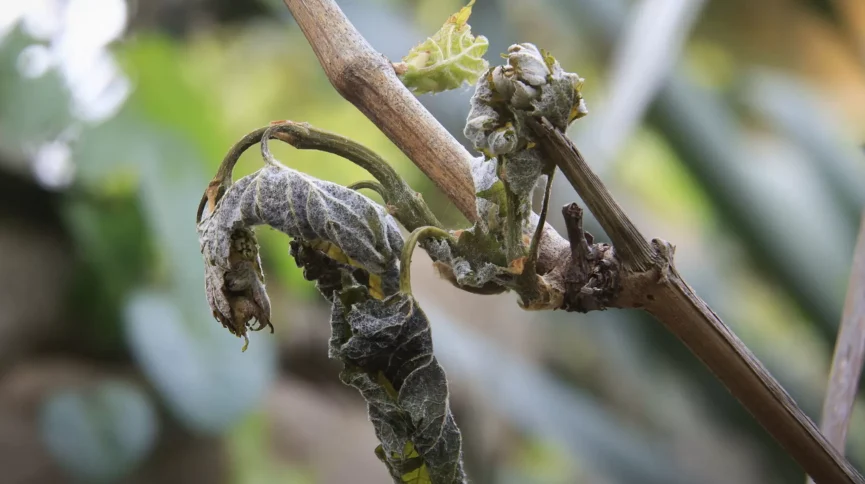
The drinks world has been profoundly shaken by a series of alarming media reports detailing widespread desolation across California’s famed wine regions. Bare patches of countryside, once vibrant with grapevines, now bear witness to abandoned vineyards, and a significant number of wineries are reportedly closing their doors. Visual evidence, widely circulated, depicts the stark reality: tens of thousands of vineyard acres being bulldozed and then pulverized into wood chips by large industrialized grinders across the Golden State. This distressing phenomenon, dubbed by some as the "Grape Apocalypse," is frequently attributed to a decline in consumer interest in wine, a factor that is undoubtedly true but represents only a fraction of a much more intricate and systemic crisis.
The "Grape Apocalypse" Unfolds Across California
The scale of vineyard removal, particularly evident in regions like Lodi and parts of the Central Valley, underscores a profound shift within California’s viticultural landscape. Growers, many of whom have tended their vines for generations, are making the heartbreaking decision to uproot mature plants, often decades old, transforming once verdant landscapes into barren fields. This dramatic pivot is not merely an economic adjustment but a cultural rupture, impacting the very identity of communities intertwined with wine production. The images of heavy machinery tearing through rows of vines, followed by grinders reducing them to mulch, serve as a potent symbol of an industry in turmoil. Estimates suggest that upwards of 20,000 to 30,000 acres of wine grapes have been removed or are slated for removal across California, a figure that continues to climb as economic pressures mount. This agricultural devastation translates directly into lost livelihoods for grape growers, vineyard workers, and countless ancillary businesses that depend on a thriving wine sector.
Shifting Sands of Consumer Preference
While the visuals are striking, the root causes are multifaceted. A primary driver often cited is the undeniable shift in consumer preferences, particularly among younger demographics. Data indicates a sustained decline in overall alcohol consumption among Millennials and Generation Z compared to previous generations. This trend is often attributed to heightened health consciousness, a greater emphasis on wellness, and a desire for moderation. Beyond simply drinking less, these demographic groups are also diversifying their beverage choices. They are increasingly opting for craft beers, artisanal spirits, sophisticated cocktails, and a burgeoning array of non-alcoholic alternatives, often prioritizing unique experiences and diverse flavor profiles over traditional wine.
Global wine consumption has, consequently, plummeted to a 27-year low, signaling a worldwide trend rather than an isolated American phenomenon. In the United States, the world’s largest wine market by volume, the impact has been particularly sharp, with American wine sales experiencing an 8.7 percent drop in 2023. This contraction follows a period of stagnation and slight decline, indicating a longer-term trend rather than a mere blip. The industry has also grappled with inflationary pressures, which have squeezed household budgets, leading consumers to reconsider discretionary purchases like premium wines. Simultaneously, the market has been inundated by a surge in imported wines, often available at competitive price points, further intensifying competition for domestic producers. The rise of private-label wine brands from major grocery store chains, such as Costco’s Kirkland Signature or Whole Foods’ Wine Farmer, has also chipped away at market share, offering consumers value-driven options that bypass traditional distribution channels and often undercut smaller, independent wineries.
The Unseen Hand: America’s Three-Tier Distribution System

While consumer trends and economic headwinds are significant factors, a critical and often overlooked systemic issue exacerbates the crisis: America’s antiquated and increasingly consolidated three-tier alcohol distribution system. This government-mandated structure, a relic of the post-Prohibition era, fundamentally dictates how alcoholic beverages move from producers to consumers in nearly every state.
Post-Prohibition Origins and Intended Purpose:
Following the repeal of Prohibition in 1933, states sought to regain control over alcohol sales to prevent the social ills associated with the pre-Prohibition era’s "tied-house" system, where producers owned and controlled retail outlets, often leading to aggressive sales tactics and public health concerns. The three-tier system was established to create a clear separation: producers (wineries, breweries, distilleries) could only sell to licensed wholesalers/distributors, who then sold to licensed retailers (stores, restaurants, bars), who finally sold to consumers. The purported rationale was multi-faceted: to ensure orderly markets, facilitate tax collection, promote temperance, and prevent monopolies from forming at the producer level of the supply chain. It aimed to create a buffer between production and consumption, allowing states greater regulatory oversight.
Consolidation and Control: A Modern Monopoly:
Paradoxically, what was intended to prevent monopolies at the producer level has, over decades, inadvertently fostered a severe oligopoly at the distributor level. For many years, a robust ecosystem of multiple distributors existed, offering diverse pathways for wineries to bring their products to market. Today, however, the landscape is dramatically different. Out of over 8,000 American wineries, there are fewer than 1,000 licensed distributors nationwide. More critically, this already dwindling number is dominated by a mere three goliath distributors that collectively control an astonishing 67 percent of all U.S. wine sales. In some states, this market concentration climbs even higher, exceeding 90 percent. This level of consolidation grants immense power to a handful of companies, effectively turning them into government-sanctioned gatekeepers.
The Squeeze on Small and Medium Wineries:
This extreme market concentration has profound consequences for smaller and medium-sized wineries, which constitute the vast majority of producers. The dominant distributors, driven by efficiency and profit margins, naturally prioritize the largest wineries with the highest volume and established brand recognition. Servicing thousands of smaller accounts is simply not as lucrative or logistically appealing for these mega-distributors. Consequently, many independent wineries find themselves unable to secure distribution agreements. Their exceptional products, crafted with care and embodying regional terroir, never make it to store shelves or restaurant wine lists. This effectively severs them from their primary market-access channel, stifling growth, innovation, and ultimately, survival.
The direct correlation is clear: when smaller wineries cannot sell their products, they cannot buy grapes. This reduction in demand for grapes flows directly upstream, impacting grape growers who, facing shrinking contracts and plummeting prices, are left with little option but to rip out their vines. The system, designed to prevent market manipulation, has instead created a chokehold on supply, making it incredibly difficult for independent producers to compete and thrive. Industry figures like Robert P. Koch, President and CEO of the Wine Institute, have implicitly acknowledged these challenges, emphasizing the need for a dynamic market that supports all sizes of producers.
Economic Fallout and Broader Implications
The "Grape Apocalypse" is not merely an industry-specific problem; its ramifications ripple across California’s economy and culture.
Impact on Growers and Rural Communities:
Grape growers, many operating family farms passed down through generations, are facing existential threats. The decision to remove vines is not taken lightly; it represents a significant loss of capital, identity, and future income. These farmers often lack the diversified portfolios of larger agricultural enterprises, making them acutely vulnerable to market shifts. The economic hardship extends to rural communities that rely heavily on the wine industry for employment, tourism, and local commerce. Vineyard workers, often seasonal and migrant laborers, face job losses, while ancillary businesses such as irrigation suppliers, farm equipment dealers, and specialized transportation services also feel the pinch. The potential shift in land use from viticulture to other crops like almonds, pistachios, or even less water-intensive options, while economically driven, fundamentally alters the agricultural landscape and regional identity.

Erosion of California’s Wine Legacy:
California wine has achieved global renown, a symbol of quality and innovation. The decline of small and medium-sized wineries, which often produce unique, artisanal wines that showcase regional diversity, threatens to homogenize the market. If only the largest producers with access to dominant distribution channels survive, the rich tapestry of California’s wine offerings could diminish, impacting its international reputation and the consumer’s experience. This erosion represents a loss of cultural heritage and diversity that has taken decades to build.
Calls for Reform and Industry Adaptation
The growing crisis has intensified calls for significant policy reform and industry adaptation.
The Push for Direct-to-Consumer Sales:
A leading proposed solution is to reform laws to allow more wineries, particularly small and medium-sized ones, to self-distribute their products directly to retailers, and crucially, across state lines. The current patchwork of state-specific direct-to-consumer (DTC) shipping laws is complex and often restrictive, making it challenging for wineries to reach consumers directly, let alone retailers in other states. Expanding DTC capabilities, particularly for smaller producers, could bypass the distribution bottleneck and offer a vital lifeline, fostering greater market access and enabling these businesses to build direct relationships with their customer base. States like New York and Oregon have shown some willingness to experiment with more flexible distribution models, providing potential blueprints for wider reform.
Rethinking the Three-Tier System:
Beyond expanding DTC, some advocates argue for a more radical overhaul, suggesting the complete abolition of the three-tier system, allowing alcohol to operate under regulatory frameworks similar to most other industries in America. While this would be a monumental legislative undertaking, facing significant opposition from established distributor lobbies, proponents argue it would foster genuine competition, reduce consumer prices, and unlock innovation within the beverage sector. The debate highlights a fundamental tension between historical regulatory intent and modern economic realities. Organizations like the Reason Foundation have been vocal critics of the current system, arguing it stifles competition and innovation.
Industry Innovation:
Beyond policy, the wine industry itself is exploring innovative ways to adapt. This includes focusing on niche markets, developing lower-alcohol or non-alcoholic options, embracing alternative packaging (like cans or boxes), and leveraging digital marketing and e-commerce platforms more effectively. Some wineries are also exploring agritourism and on-site sales as crucial components of their business model, recognizing the importance of direct consumer engagement.
A Crossroads for the Golden State’s Viticulture
The crisis gripping California’s wine industry is a complex interplay of evolving consumer preferences, persistent economic pressures, and a deeply entrenched regulatory system that has, inadvertently, become an impediment to market efficiency and fair competition. The "Grape Apocalypse" serves as a stark warning: without systemic changes, particularly in modernizing alcohol distribution laws, the Golden State risks losing a significant portion of its renowned viticultural heritage. The future of California wine hinges not just on adapting to changing tastes but on fundamental reforms that unclog the arteries of its market, ensuring that the fruit of its labor can reach its intended destination. The urgency for stakeholders—growers, wineries, industry associations, and policymakers—to collaborate on comprehensive solutions has never been greater, as the very essence of California’s wine country hangs in the balance.