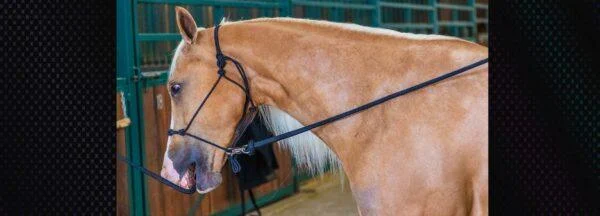
The persistent issue of a pony exhibiting destructive behavior towards its belongings, specifically halters, lead ropes, and fly masks, has prompted a call for expert guidance. This article delves into the potential causes of such behaviors in equines, drawing upon insights from experienced professionals and exploring the broader implications for horse welfare and management. While the initial query is presented as a personal concern, the underlying problem of destructive equine behavior is widespread and warrants a comprehensive examination.
Understanding the Root of Equine Destructive Behavior
Equine behaviorists and trainers frequently encounter situations where horses display an inclination to chew, rip, or otherwise destroy items within their environment. The pony in question, described as meticulously dismantling halters and lead ropes left outside its stall and shredding fly masks, exemplifies a common yet challenging behavioral pattern.
According to equine specialists, these destructive tendencies often stem from a lack of sufficient mental stimulation and physical engagement. Just as humans can experience boredom and frustration, horses, being intelligent and social animals, require outlets for their natural instincts and energy.
"Horses are individuals, and their personalities and needs vary significantly," explains a seasoned equine trainer, speaking anonymously to protect client privacy. "Some are naturally more laid-back, content with routine. Others are highly inquisitive and energetic, and if they don’t have appropriate outlets for that energy and curiosity, they’ll find their own, often with undesirable consequences for their handlers and their equipment."
The trainer elaborated that a horse’s mouth is a primary tool for exploration and interaction with its environment. When a horse is bored or stressed, it may resort to chewing or manipulating objects as a coping mechanism or a means of self-entertainment. This can escalate into destructive habits if left unaddressed.
The Role of Boredom and Lack of Stimulation
A significant contributing factor to destructive equine behavior is often identified as boredom. Horses in domesticated settings, particularly those confined to stalls for extended periods without adequate turnout or mental enrichment, can develop behavioral issues.
"A lack of proper turnout is a major culprit," states Dr. Eleanor Vance, a veterinary behaviorist specializing in equine welfare. "Horses are grazing animals, designed to spend a significant portion of their day moving, foraging, and interacting with their environment. When this natural behavior is restricted, they can become frustrated and seek other ways to occupy themselves."
The pony’s behavior of targeting specific items like halters and fly masks suggests a learned behavior, possibly reinforced by the immediate gratification of manipulating the objects. The act of tearing apart a fly mask, for instance, can provide a sensory experience that temporarily alleviates boredom or stress.
Introducing Enrichment Strategies: From Toys to Turnout
Addressing destructive behavior in horses typically involves a multi-faceted approach focused on increasing mental and physical stimulation. Experts recommend a combination of strategies to provide a more fulfilling environment for the equine.
1. Enhanced Turnout: The most fundamental strategy is to ensure the horse receives ample turnout time in a safe and stimulating pasture. This allows for natural grazing, movement, and social interaction if other horses are present. The duration and quality of turnout are critical. Many equine welfare organizations recommend a minimum of 6-8 hours of turnout per day for stabled horses.
2. Structured Exercise and Training: Regular, varied exercise sessions are crucial for expending energy and providing mental engagement. This can include riding, groundwork, lunging, or even liberty work. The key is to keep the horse’s mind active and responsive.
3. Equine Enrichment Toys: As suggested by the trainer in the initial query, introducing horse-safe toys can be highly effective. These toys are designed to be durable and provide a source of entertainment.
"We’ve seen great success with various types of enrichment toys," notes Mark Jenkins, owner of a large equestrian facility. "Durable balls, like those large, heavy-duty plastic spheres, are particularly popular. They allow horses to push them around, interact with them, and keep their minds occupied, especially when they’re in their stalls."
These toys can serve as a distraction, redirecting the horse’s attention from destructive chewing or manipulation of inappropriate objects. They provide a safe and acceptable outlet for their natural curiosity and need to explore with their mouths.
4. Environmental Modifications: In some cases, minor modifications to the stall environment can help. For example, ensuring that halters and lead ropes are not left within easy reach when not in use is a practical measure. For horses that persistently chew on stall doors or wood, deterrents like bitter sprays or specialized chew-resistant materials can be considered, though these should be used in conjunction with addressing the underlying behavioral cause.
The Broader Implications for Equine Welfare
The issue of destructive equine behavior extends beyond mere inconvenience for owners and the cost of replacing damaged equipment. It has significant implications for the overall welfare of the animal.
1. Stress and Anxiety: Persistent destructive behaviors can be indicators of underlying stress, anxiety, or even frustration in a horse. If left unaddressed, these emotions can negatively impact the horse’s health and well-being, potentially leading to digestive issues, compromised immune systems, or other stress-related ailments.
2. Safety Risks: Some destructive behaviors can pose safety risks to the horse itself. For instance, ingesting pieces of rubber from a fly mask or nylon from a lead rope could lead to colic or other internal blockages, requiring veterinary intervention. Additionally, a horse that is excessively agitated or bored might exhibit more unpredictable behaviors, increasing the risk of injury to handlers.
3. The Human-Animal Bond: When a horse exhibits destructive tendencies, it can strain the relationship between the horse and its owner or handler. Frustration and repeated incidents can lead to a less positive interaction, potentially impacting training progress and the overall enjoyment of the partnership.
Expert Analysis and Future Considerations
The case of the destructive pony highlights the importance of proactive management and understanding equine ethology – the study of animal behavior. Equine professionals consistently emphasize that a "one-size-fits-all" approach is rarely effective. Each horse is an individual with unique needs and learning histories.
"The initial advice given is sound: ensure the horse is getting enough turnout and consider enrichment," states Dr. Vance. "However, it’s also important to observe the specific context. When does this behavior occur most frequently? Are there any triggers? Is the horse receiving adequate social interaction?"
For owners facing such challenges, a structured approach is recommended:
- Observation and Documentation: Keep a detailed log of when the destructive behavior occurs, what triggers it, and what the horse’s environment is like at that time.
- Consultation with Professionals: Seek advice from experienced equine trainers, behaviorists, or veterinarians. They can help diagnose the underlying cause and develop a tailored management plan.
- Gradual Implementation of Changes: Introduce new enrichment strategies gradually and monitor the horse’s response.
- Patience and Consistency: Behavioral modification takes time and consistent effort. It’s crucial for owners to remain patient and committed to the process.
The long-term implications of addressing destructive behaviors are significant. A horse that is mentally and physically stimulated is more likely to be healthy, happy, and a pleasure to work with. This not only benefits the individual animal but also contributes to a more responsible and informed equestrian community. The initial query, while seemingly minor, opens a window into a larger discussion about the essential need for comprehensive care and enrichment in the lives of domesticated horses, ensuring their well-being extends beyond basic needs to encompass their psychological and behavioral requirements.