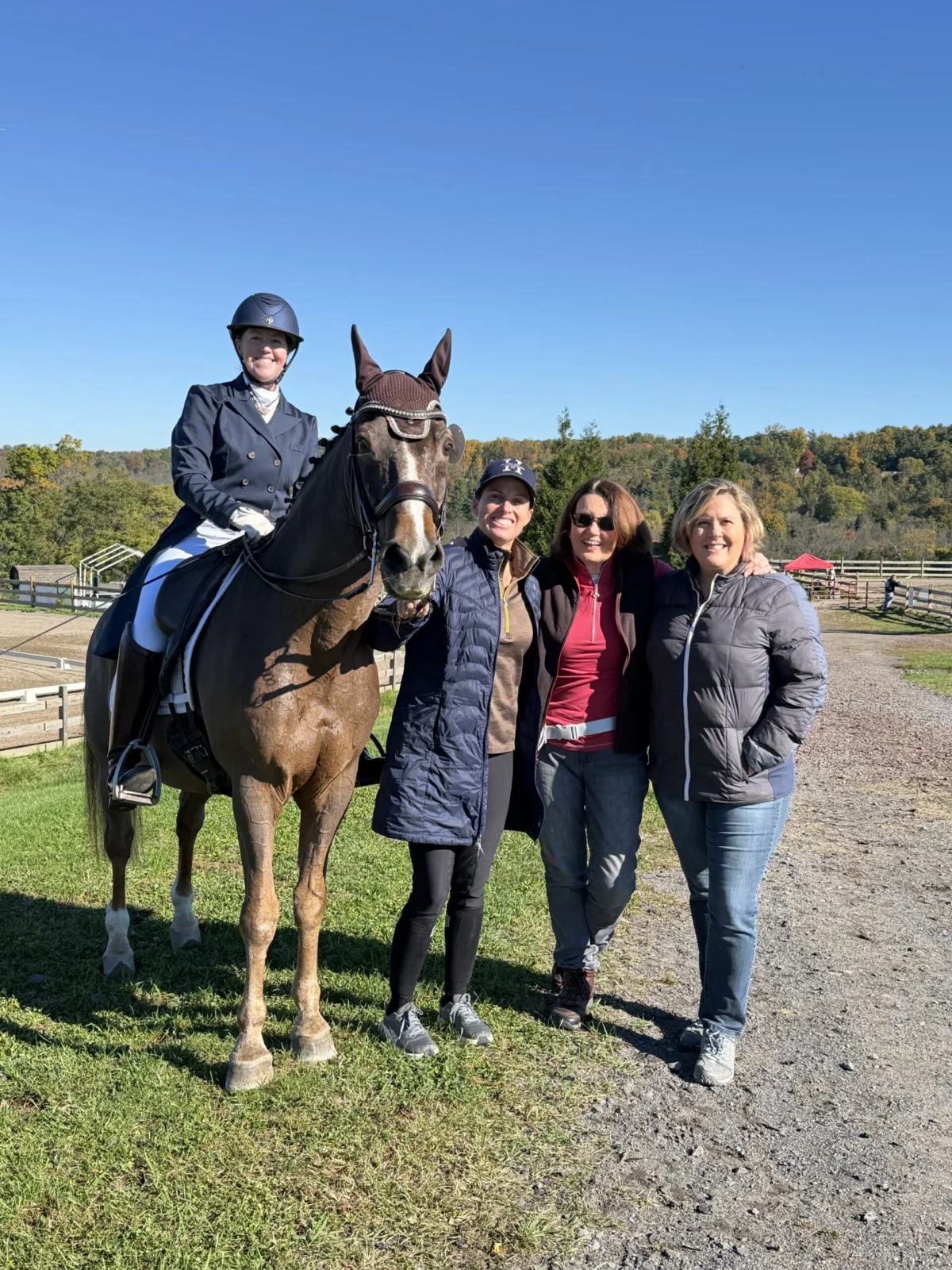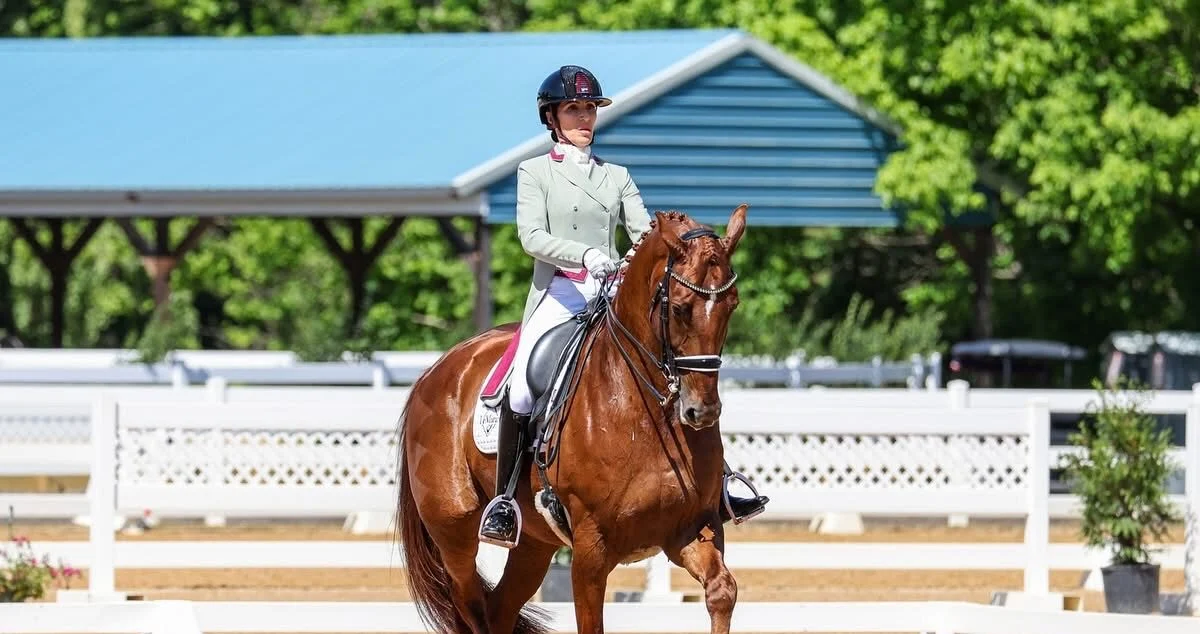
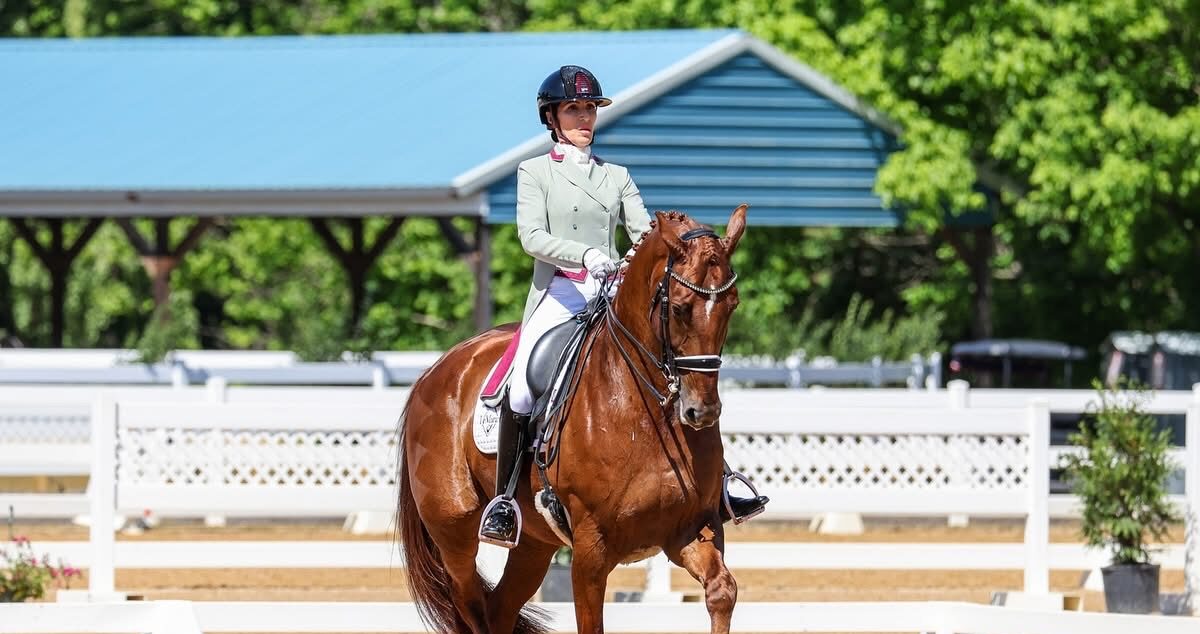
Grand Prix dressage rider and five-star eventer Laine Ashker offered an in-depth look into her unique equestrian pursuits during a special Members-Only VIP Webinar hosted by Dressage Today+ on October 13th. Titled "Learning From Multiple Disciplines," the exclusive online event provided Dressage Today+ members with a rare opportunity to gain insights from an athlete at the pinnacle of both disciplines. Ashker, currently campaigning Zeppelin at Grand Prix dressage and Lovedance at the four-star level of eventing, shared the intricacies of managing two distinct training systems, competition calendars, and the demanding physical and mental requirements of excelling in such diverse equestrian endeavors. The webinar, broadcast live from her farm in Chesterfield, Virginia, also featured an extensive question-and-answer session, allowing attendees to probe Ashker on a wide array of topics.
The session commenced with Ashker providing a detailed account of her daily training regimen, illustrating the meticulous planning and execution required to prepare horses for the exacting standards of both upper-level dressage and the multifaceted challenges of eventing. Her journey into the upper echelons of dressage, a discipline she didn’t initially focus on, was a significant point of discussion. Ashker candidly explained the strategic evolution of her training approach to accommodate the distinct demands of each sport. This included a comprehensive breakdown of how she orchestrates two separate training methodologies, each tailored to the specific physiological and psychological needs of the horses and the technical requirements of their respective disciplines. The dual competition schedules, a logistical feat in itself, were also meticulously detailed, highlighting the careful consideration given to horse welfare, recovery, and peak performance timing.
Ashker’s discussion extended beyond the technical aspects of training and competition, delving into the crucial elements of horse and rider fitness. She elaborated on the specific conditioning programs she implements to ensure both her equine partners and herself are physically prepared for the rigors of Grand Prix dressage and four-star eventing. This holistic approach also encompassed the vital aspect of mental health for riders, a often-overlooked component of elite equestrian sport. Ashker’s perspective on the importance of rider well-being resonated with many, particularly given the high-pressure environment of international competition. She concluded the initial segment of the webinar with her distinctive views on rider expression through show attire, emphasizing how personal style can enhance the presentation and connection between horse and rider. The webinar culminated with an engaging audience Q&A, where Ashker addressed a spectrum of inquiries, from practical advice on cross-training horses to the creative process behind selecting freestyle music for her dressage mount, Zeppelin.
The Dual Demands of Elite Equestrianism
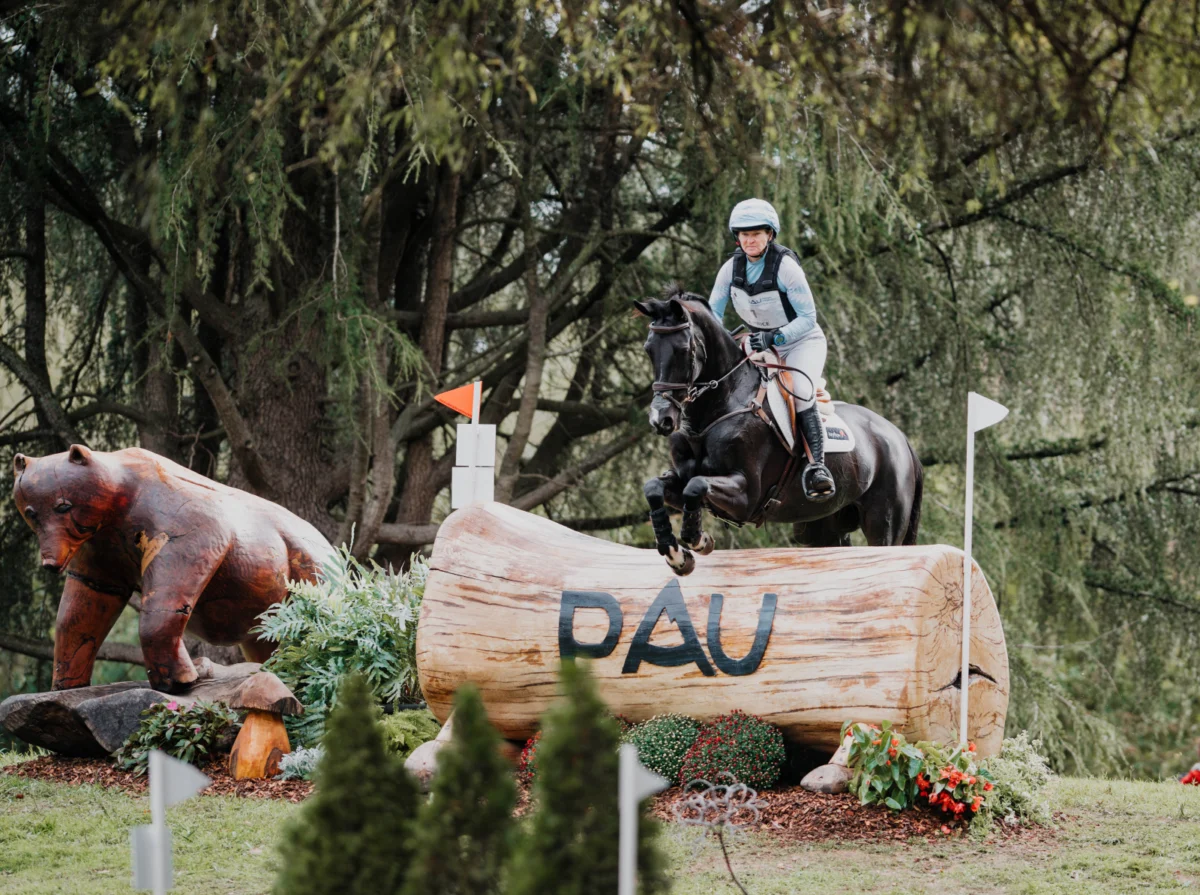
Laine Ashker’s current competitive portfolio is a testament to her exceptional horsemanship and dedication. Campaigning a horse at Grand Prix dressage requires a profound understanding of classical dressage principles, focusing on the submission, suppleness, and athleticism of the horse to perform complex movements with elegance and precision. Simultaneously, competing at the four-star level of eventing demands a horse with exceptional bravery, athleticism, and a versatile skillset, capable of excelling in dressage, cross-country jumping over challenging obstacles, and show jumping. The physical and mental toll on both horse and rider in eventing, particularly at the highest levels, is immense.
The strategic integration of these two disciplines presents a unique set of challenges. Dressage training emphasizes subtlety, finesse, and the harmonious partnership between horse and rider, often involving repetitive schooling to perfect gaits and movements. Eventing, while including a dressage phase, also requires a horse to possess raw power, courage, and stamina for the cross-country phase, followed by the precision and scope of the show jumping arena. Ashker’s ability to manage these divergent training philosophies and competition schedules speaks volumes about her adaptive training methodologies and her deep understanding of equine physiology and psychology.
A Strategic Approach to Training and Competition
Ashker’s narrative within the webinar likely detailed a carefully orchestrated plan, differentiating the training focus for Zeppelin and Lovedance. For Zeppelin, the dressage mount, her training would heavily emphasize the development of the collected and extended gaits, the execution of flying changes, pirouettes, and piaffe/passage work. This involves fine-tuning the horse’s responsiveness to the aids, ensuring a soft and consistent connection through the reins and seat. The goal is to achieve a harmonious and expressive performance that impresses the judges with its quality and submission.
In contrast, Lovedance’s training for four-star eventing would involve a more robust and varied approach. While dressage is a critical component, the emphasis would also be on building stamina, jumping technique, and boldness across country. This would include extensive work on varied terrain, practicing jumping a wide array of obstacles, and conditioning the horse for the significant cardiovascular and muscular demands of the cross-country course. Show jumping training for eventing would focus on accuracy, scope, and the ability to maintain a clear round under pressure after the exertions of the cross-country phase. Ashker’s ability to seamlessly transition between these distinct training regimes, ensuring each horse receives the appropriate stimulus without detriment to the other, is a significant feat of horsemanship.
The logistical complexities of managing two distinct competition calendars are also a critical element. This involves meticulous planning of show dates to avoid conflicts, allow for adequate rest and recovery between events, and ensure horses are peaking at the right times for their respective major competitions. For example, a major three-day event might necessitate a different preparation timeline than a national Grand Prix dressage championship. Ashker’s farm in Chesterfield, Virginia, would serve as the central hub for this intricate operation, requiring efficient management of facilities, staff, and resources.
The Importance of Holistic Horse and Rider Development
Ashker’s discussion on rider and horse fitness likely underscored the principle that peak performance is a product of comprehensive conditioning. For the horses, this transcends simply riding them. It involves tailored exercise programs that build muscle, improve cardiovascular health, and enhance flexibility. For eventing horses, this would include hill work, interval training, and dedicated jumping sessions. For dressage horses, it would involve focused work on suppleness exercises, stretching, and ensuring the correct muscle development for the intricate movements.
Furthermore, Ashker’s emphasis on rider fitness is crucial. Elite equestrians require a high level of physical conditioning to maintain correct posture, apply aids effectively, and absorb the impact of riding, particularly in the demanding phases of eventing. Core strength, balance, and stamina are paramount. This holistic approach to fitness is often the differentiator between good and exceptional athletes.
The inclusion of mental health for riders in her discussion is particularly noteworthy. The pressures of elite competition, the constant pursuit of perfection, and the inherent risks involved can take a significant toll on a rider’s mental well-being. Ashker’s willingness to address this aspect suggests a mature understanding of the psychological demands of her sport and a commitment to sustainable high-level performance. Strategies for managing stress, maintaining focus, and fostering a positive mindset are as vital as physical training.
A Platform for Knowledge Sharing and Community
The Dressage Today+ platform aims to provide its members with exclusive access to top equestrian professionals and valuable educational content. Hosting a webinar with an athlete like Laine Ashker, who operates at the highest levels of two disciplines, offers immense value. Members are not only privy to the practicalities of managing such a demanding career but also gain insights into training philosophies that can be adapted to their own equestrian pursuits, regardless of their chosen discipline.
The interactive nature of the Q&A session allows for personalized advice and clarification on specific challenges faced by riders. Questions ranging from cross-training techniques to the creative process of musical freestyle selection demonstrate the breadth of interest and the diverse learning needs of the Dressage Today+ community. This format fosters a sense of community and shared learning, reinforcing the value of membership.
Broader Implications for the Equestrian World
Laine Ashker’s success in both Grand Prix dressage and five-star eventing serves as a powerful inspiration and a case study for the modern equestrian athlete. It challenges traditional notions of specialization and highlights the potential for cross-disciplinary learning to enhance overall horsemanship. The insights shared in this webinar have implications beyond individual riders, potentially influencing training methodologies and the development of more versatile equine athletes.
The increasing trend of riders exploring multiple disciplines, or at least drawing inspiration from them, suggests a growing appreciation for the multifaceted nature of equestrian sport. Ashker’s ability to excel in both demonstrates a deep understanding of equine physiology, psychology, and the art of training, proving that with the right approach, boundaries can be pushed and new benchmarks of achievement can be set. The success of such events underscores the importance of platforms like Dressage Today+ in disseminating knowledge and fostering the growth of the equestrian community. The information shared by Ashker, detailing her strategies for success, provides a valuable blueprint for aspiring riders and seasoned professionals alike, demonstrating that dedication, strategic planning, and a holistic approach to training can lead to remarkable achievements across the diverse landscape of equestrian sports.