


Virginia State Senator L. Louise Lucas, a prominent and long-serving Democrat from Portsmouth, was arrested by the Federal Bureau of Investigation (FBI) on Thursday, October 22, 2026, facing multiple serious felony charges, including drug trafficking, racketeering, and money laundering. The arrest of the 82-year-old Senate President Pro Tempore has sent shockwaves through Virginia’s political landscape, drawing immediate and intense public scrutiny, particularly in light of a now-resurfaced social media post where Lucas had confidently dismissed criticism related to her association with the cannabis industry.
Details of the Charges and Arrest
The federal charges leveled against Senator Lucas stem from an alleged scheme involving the illicit distribution and sale of cannabis, even as she, in her capacity as a legislator, actively lobbied for the drug’s legalization in the Commonwealth. According to federal prosecutors, Lucas is accused of overseeing businesses engaged in the unauthorized buying and selling of cannabis, creating a significant conflict of interest with her legislative duties and advocacy. The charges of racketeering and money laundering further suggest a sophisticated operation designed to profit from and conceal the proceeds of illegal drug sales. While specific details of the indictment remain under seal or limited due to the ongoing investigation, the severity of the charges indicates a comprehensive federal probe into her financial activities and business dealings.
The arrest follows weeks, and possibly months, of federal investigation. Earlier this year, the FBI reportedly raided Lucas’s office as part of what was described at the time as a "major corruption probe." This raid, which garnered significant media attention, signaled the intensity of the federal inquiry into her conduct, although the specific nature of the investigation was not fully disclosed at that point. The culmination of this probe in her arrest underscores the gravity of the evidence federal agents claim to have amassed.
A Challenging Chronology: From Taunt to Arrest
The timeline leading up to Senator Lucas’s arrest reveals a series of events that now cast a stark shadow over her public image and political career:
-
April 23, 2026: The "Cannabis Dress" Post: Months before her arrest, Senator Lucas posted a defiant message on X (formerly Twitter) that has since gone viral in the wake of her legal troubles. Responding to what she described as a "photoshopped" image by Republicans depicting her in a cannabis-themed dress, Lucas wrote, "Why would Republicans make a photoshop of me in a cannabis dress when there are real photos out there from the 420 festival dancing in a cannabis dress? Need I remind you that I’m not your typical grandma. Try again fellas!" This post, intended as a boast of her progressive stance on cannabis and her unconventional political style, has now been widely recirculated by social media users, many of whom are mocking its perceived arrogance and unfortunate timing. The post included an image, likely AI-generated, of her in cannabis-themed attire and jewelry, contrasting with her claim of "real photos" from a 420 festival. This incident highlighted her public embrace of cannabis culture, which is now being juxtaposed with the charges of illegal distribution.
-
Weeks Preceding Arrest: FBI Office Raid: While the exact date remains undisclosed, the FBI conducted a high-profile raid on Senator Lucas’s legislative office earlier in the year. This action indicated that a federal investigation into her activities was already well underway, focusing on potential corruption. Such raids typically occur only after substantial evidence has been gathered to warrant a search warrant, suggesting a long-term investigative effort by federal authorities.
-
October 22, 2026: The Arrest: The formal arrest of Senator Lucas by FBI agents marks a critical juncture in the federal probe. The specific charges of drug trafficking, racketeering, and money laundering are serious federal offenses, carrying potentially lengthy prison sentences and significant financial penalties upon conviction. The arrest underscores the federal government’s commitment to pursuing public corruption cases, even against high-ranking state officials.
Background and Context: Virginia’s Cannabis Landscape and Political Power
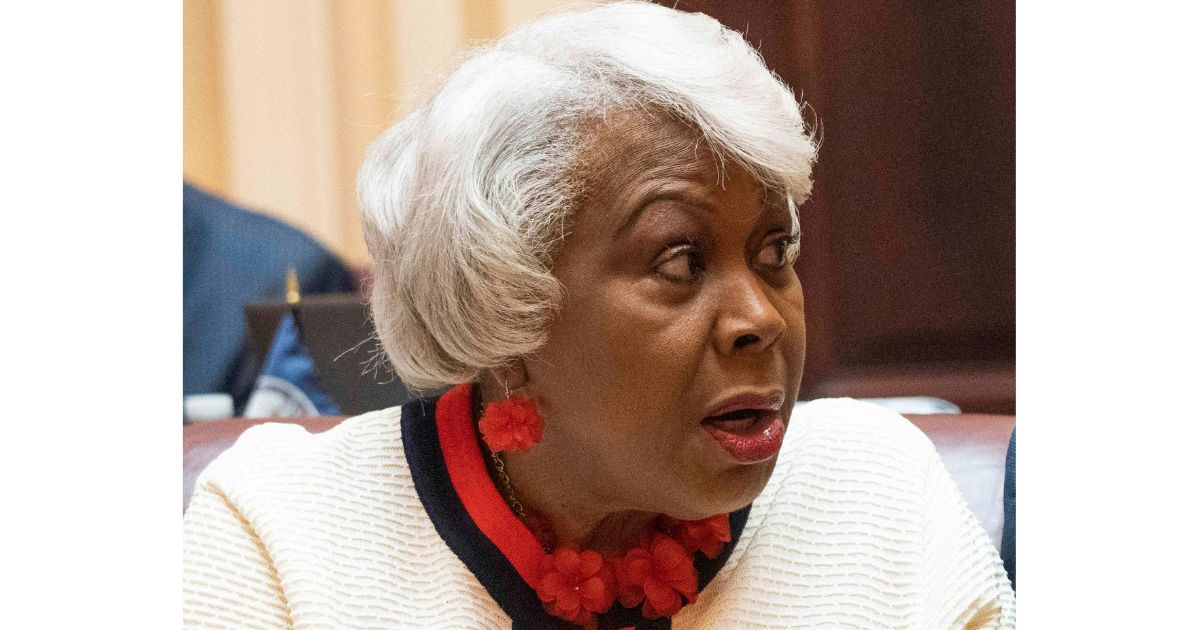
Senator L. Louise Lucas has been a formidable figure in Virginia politics for decades, representing the 18th Senate District, which includes parts of Portsmouth, Chesapeake, Suffolk, and Southampton County. As the Senate President Pro Tempore, she holds the second-highest position in the Virginia Senate, presiding over the chamber in the absence of the Lieutenant Governor and wielding considerable influence over legislative proceedings, committee assignments, and the overall policy agenda. Her long tenure and strategic positions have made her a powerful voice, particularly within the Democratic caucus.
Her alleged involvement in illicit cannabis operations directly intersects with Virginia’s evolving, and often complex, legal framework surrounding marijuana. In 2021, Virginia became the first Southern state to legalize adult recreational use of marijuana. The legislation, which took effect on July 1, 2021, permits adults aged 21 and older to possess up to one ounce of cannabis and to cultivate up to four plants per household for personal use. However, a crucial distinction often overlooked by the public, and central to the charges against Senator Lucas, is that while personal use and possession were legalized, the commercial sale and distribution of recreational cannabis remained largely illegal and unregulated. The state has been working towards establishing a regulated adult-use market, but this process has been slow and fraught with legislative challenges, creating a "gray market" where demand outstrips legal supply.
The charges against Senator Lucas allege that she exploited this regulatory gap, leveraging her position to lobby for legalization while simultaneously overseeing illicit businesses that bought and sold the drug. This alleged conduct represents a profound breach of public trust, suggesting that her legislative advocacy may have been intertwined with personal financial gain from illegal activities. The federal government, unlike Virginia, still classifies cannabis as a Schedule I controlled substance under the Controlled Substances Act, meaning federal law enforcement can pursue charges related to its distribution regardless of state-level legalization. This dichotomy is critical to understanding the basis of the federal charges.
Legal Definitions and Implications of the Charges
The charges of racketeering and money laundering are particularly severe, often associated with organized crime and large-scale illicit enterprises.
-
Racketeering: Under the Racketeer Influenced and Corrupt Organizations (RICO) Act, racketeering involves engaging in a pattern of criminal activity connected to an enterprise. This can include a wide array of underlying offenses, from drug trafficking to bribery and fraud. For Senator Lucas, the allegations imply that her alleged illegal cannabis distribution was not an isolated incident but part of a sustained, organized criminal enterprise, potentially using her businesses or political influence to facilitate these activities. The RICO Act was designed to combat ongoing criminal behavior, and a conviction under this statute can carry significant penalties, including lengthy prison terms and forfeiture of assets.
-
Money Laundering: This charge involves concealing the origins of illegally obtained money, typically by passing it through a complex sequence of banking transfers or commercial transactions. If Senator Lucas is found to have engaged in money laundering, it would mean she allegedly attempted to legitimize the profits derived from her illegal cannabis sales, making them appear to come from legitimate sources. This often involves intricate financial schemes and is a common charge brought alongside drug trafficking and racketeering to target the financial infrastructure of criminal operations.
These federal charges highlight the potential for significant legal repercussions for Senator Lucas, far beyond what state-level violations might entail.
Official Reactions and Public Discourse
Following her arrest, Senator Lucas issued a statement vehemently denying the charges and framing the federal action as a politically motivated attack. "Today, the FBI, the Department of Justice, and the full weight of the federal government have been wielded against an 82-year-old great-grandmother," Lucas declared. "I grew up under Jim Crow. I’ve seen what happens when people in power try to silence those who stand up to them. I spent my life fighting back, and I’m not stopping now."
This statement, invoking the deeply resonant history of racial segregation and civil rights struggles, immediately drew strong reactions. While some of her supporters may view it as a courageous stand against perceived government overreach, critics, particularly on social media, quickly characterized it as an attempt to deflect from the serious nature of the charges by playing the victim card and politicizing a criminal investigation. Many found the comparison to the injustices of the Jim Crow era inappropriate in the context of federal felony charges for alleged drug trafficking and corruption.

The public reaction on social media platforms, particularly X, was swift and often unforgiving. Beyond the "aged marvelously" comment, other users piled on, with one writing, "Guess you’ll soon be swapping the cannabis dress for an orange jumpsuit and shackles. Good luck in there!" These comments reflect a segment of the public that views the charges with little sympathy, especially given her earlier defiant posture regarding cannabis. The sentiment appears to be a mixture of schadenfreude and a demand for accountability from public officials.
From official channels, the FBI and Department of Justice have maintained their standard policy of not commenting on ongoing investigations beyond confirming arrests and charges. Governor Glenn Youngkin’s office has released a statement emphasizing the importance of due process and the rule of law, expressing confidence in the justice system to handle the matter fairly and thoroughly. Leaders within the Democratic Party in Virginia have largely expressed concern and reiterated the presumption of innocence, while also acknowledging the seriousness of the allegations and the need for accountability. Republican leaders, on the other hand, have called for Lucas’s immediate resignation and used the incident to highlight what they describe as a broader pattern of corruption within the opposing party.
Broader Impact and Implications
The arrest of Senator L. Louise Lucas carries profound implications for Virginia’s political landscape, its ongoing cannabis reform efforts, and the broader public trust in government.
-
Political Ramifications: As Senate President Pro Tempore, Lucas’s absence or potential removal from office would create a significant power vacuum within the Virginia Senate, particularly for the Democratic caucus. It could trigger internal leadership battles and potentially shift legislative priorities. The scandal is likely to become a major talking point in upcoming state elections, with Republicans using it to attack the integrity of Democratic leadership and Democrats grappling with how to distance themselves from the controversy while upholding principles of due process. Her alleged involvement in gerrymandering efforts earlier in the year, as highlighted by the original article, further complicates her political legacy, adding another layer of controversy to her career.
-
Future of Cannabis Legislation: The case could significantly impact the stalled efforts to establish a fully regulated adult-use cannabis market in Virginia. Lawmakers, already cautious about the complexities of commercial legalization, might become even more hesitant, fearing similar accusations of impropriety or potential exploitation of the system. It could lead to a more conservative approach to future cannabis legislation, or conversely, a push for more robust regulatory frameworks designed to prevent illicit activities and conflicts of interest. The case underscores the critical need for transparency and stringent ethical guidelines in any emerging industry, particularly one transitioning from illegality to legality.
-
Public Trust and Ethical Standards: This incident, regardless of the ultimate legal outcome, is a severe blow to public trust in elected officials. The perception that a high-ranking legislator might be using their position to facilitate illegal activities while simultaneously shaping the very laws that govern those activities erodes confidence in the integrity of the political system. It will likely fuel calls for stricter ethics rules, greater financial transparency for public servants, and more vigorous oversight mechanisms. The brazenness of Lucas’s social media post, combined with the charges, presents a stark example of the perceived arrogance of power.
-
Legal Precedent: The federal prosecution of a prominent state legislator on charges like drug trafficking, racketeering, and money laundering sets a powerful precedent. It signals the federal government’s willingness to intervene in state-level politics when federal laws are believed to be violated, particularly in cases involving public corruption and large-scale illicit operations. It also highlights the continued conflict between federal and state cannabis laws, reminding those involved in the industry, even in states with legal markets, of the enduring risks posed by federal prohibition.
Senator L. Louise Lucas, like all individuals accused of crimes, is presumed innocent until proven guilty beyond a reasonable doubt in a court of law. Her legal team is expected to mount a robust defense, challenging the prosecution’s evidence and narrative. However, the charges themselves, coupled with the dramatic public context of her past remarks and her high-profile position, have already cast a long shadow over her distinguished, albeit now controversial, career. Her eventual departure from public life, whether through legal conviction, resignation, or the natural course of time, will undoubtedly mark a significant turning point for Virginia politics, necessitating a period of reflection on ethical governance, legislative integrity, and the delicate balance between public service and personal conduct. The unfolding legal process will be closely watched, not only for its impact on Senator Lucas but for its broader implications for political accountability in the Commonwealth and across the nation.









