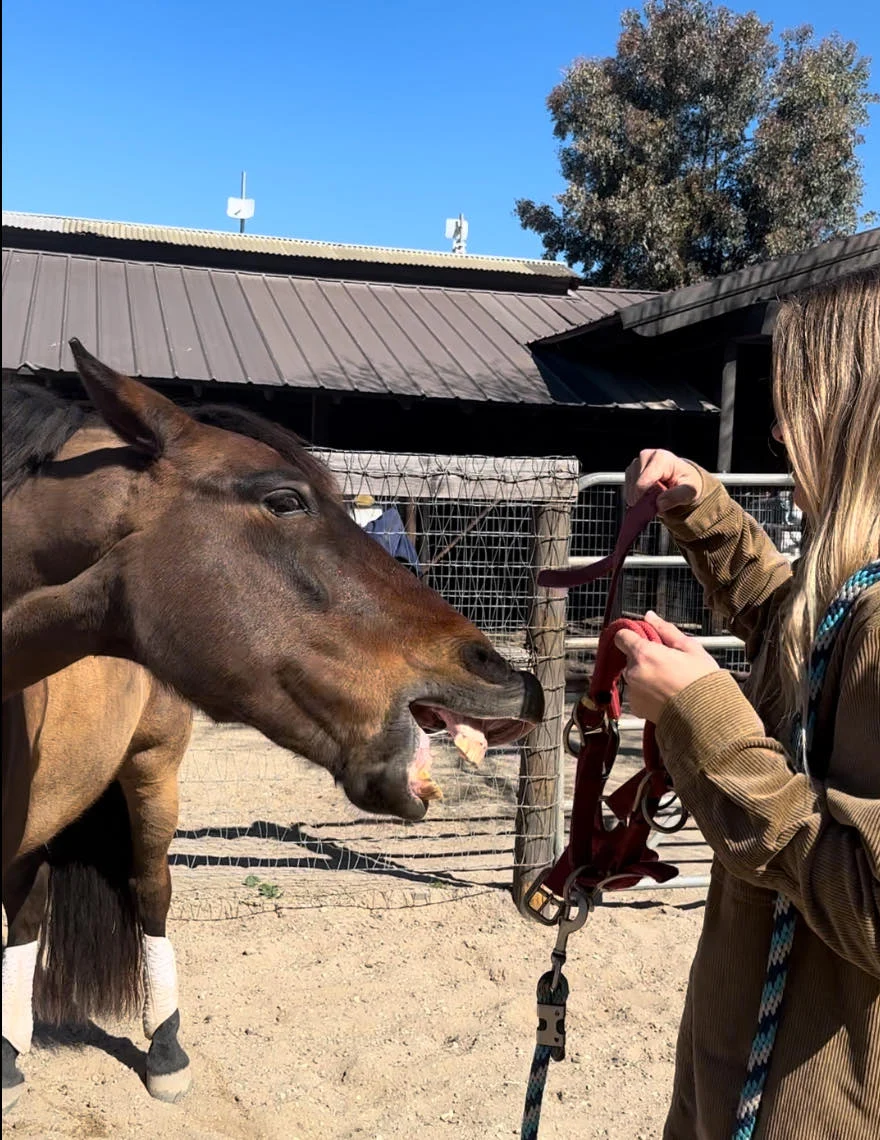
One of the most frequently asked questions at equine demonstrations and equestrian events worldwide is, “How do I stop my horse from biting me?” This common concern, often born from frustration and a desire for safety, can be addressed with a nuanced understanding of equine behavior and a consistent, humane approach. Fortunately, according to experienced equine behaviorists and trainers, the solution is often more accessible than many owners believe, with corrective actions that can be implemented swiftly and effectively.
Understanding the Roots of Equine Biting
Before a remedy can be applied, it is crucial to understand the underlying reasons why a horse might exhibit biting behavior. Horses, as prey animals, possess an innate awareness of their surroundings. This heightened sense of vigilance is a survival mechanism, ensuring they remain alert to potential threats. Even in a comfortable and familiar environment, such as a stable or pasture, a horse will often maintain a degree of situational awareness, which can include observing their human handlers for cues, including the potential for food. Their visual field, significantly wider than that of humans, contributes to this constant scanning of their environment.
Furthermore, young horses, or foals, naturally explore their world through their mouths, a behavior akin to how human infants use their hands and mouths to learn about their surroundings. This oral exploration is a fundamental part of their development. For foals, biting can sometimes be a playful interaction, eliciting a reaction from their handlers that they may find amusing. While a mother horse instinctively moderates such boisterous play in her offspring, teaching them boundaries and appropriate social interaction within the herd, human handlers must also assume this role. As foals mature, their size and strength increase significantly, making it imperative for owners to establish clear boundaries early on to prevent them from exploiting the physical disparities between themselves and humans. Proactive boundary setting in young horses can prevent the development of more problematic behaviors later in life.
The Hand-Feeding Phenomenon: A Primary Culprit
A significant contributing factor to biting behavior, identified by many equine experts, is the practice of hand-feeding horses. This seemingly affectionate gesture, intended to strengthen the bond between horse and owner and to make the horse eager for the owner’s presence, can inadvertently create a dangerous dynamic. When horses associate their human handlers directly with the delivery of food, they can develop a perception of humans as mere food dispensers. Given the horse’s considerable size and strength relative to a human, this association is problematic. Instead of viewing the owner as a companion or partner, the horse may begin to see them as a source of immediate gratification, leading to demands for food that can manifest as nipping or biting.
The act of feeding a horse should ideally be structured in a way that does not encourage them to approach the human body with expectations of immediate reward. Experts recommend that when offering treats such as apples or carrots, these should be tossed into a designated bucket or feed pan rather than being directly placed into the horse’s mouth. This practice helps to maintain a clear distinction between the handler and the food source, reinforcing that the handler is not an object to be nudged or bitten for sustenance.
The "Food is Not a Natural Reward" Principle
Equine behaviorists often emphasize that horses, unlike carnivores or omnivores, do not "earn" their food through predatory actions. As the renowned trainer Monty Roberts often states, "No blade of grass ever ran from a horse." This fundamental difference in how horses acquire sustenance means that the concept of "earning" food through obedience or interaction is not inherent to their natural behavior. When horses are trained to believe that food is a reward or an entitlement directly from a human’s body, they may naturally progress to demanding it, often through aggressive means like biting pockets, hands, or other body parts. This behavior is not necessarily malicious but rather a learned response to a human-introduced reward system.
Other Contributing Factors to Biting
While hand-feeding is a primary cause, other circumstances can also lead to a horse biting. These can include:
- Physical Discomfort: A tightly fitting girth, an ill-fitting saddle, or any other source of physical discomfort can cause a horse to express frustration or pain through biting. This is a direct response to an unpleasant sensation.
- Frustration or Aggression: Beyond physical discomfort, horses can bite as a display of general frustration or aggression. This might stem from various sources, such as confinement, lack of stimulation, or unresolved social dynamics within a herd.
- Attempted Mutual Grooming: In a herd setting, horses engage in mutual grooming as a social bonding activity. They may occasionally extend this behavior to humans, which can sometimes involve gentle nipping. While not intended to cause harm, this can still be misinterpreted or become problematic if the horse’s "grooming" becomes too rough.
The Monty Roberts Method: A Swift and Effective Solution
Addressing established biting behavior in horses requires a method that is both effective and humane. Fighting with a horse, especially a large and powerful animal, is counterproductive and can escalate the problem. Similarly, physical punishment is not recommended, as it can erode trust, create fear, and potentially make the horse more adept at biting and holding on.

Monty Roberts, a celebrated figure in equine behavior and training, advocates for a technique rooted in the principle of distractibility. This method aims to redirect the horse’s attention and associate the intention to bite with a different, non-punitive sensation. The core of this approach involves a quick, surprising, yet not painful, stimulus that interrupts the biting sequence.
The "Distraction Tap" Technique
The Monty Roberts remedy for a biting horse can be summarized as follows:
- Anticipate the Bite: The handler must be observant and anticipate the horse’s intention to bite. This requires paying close attention to the horse’s body language, such as a lowered head and ears pinned back.
- Maintain a Neutral Gaze: While the horse is reaching to bite, the handler should look straight ahead, maintaining a calm and non-confrontational demeanor. This prevents the interaction from escalating into a perceived challenge.
- The "Tap" on the Leg: The critical element of the technique is to deliver a light, swift tap to the horse’s shin of the front leg, or the coronet band (the area where the hoof meets the leg), with the handler’s foot (wearing a boot). This tap is not intended to inflict pain but rather to create a moment of surprise and distraction.
- Association and Modification: The goal is for the horse to associate the impulse to bite with this unexpected tap on its leg. This creates a behavior modification, where the horse begins to hesitate and redirect its attention to its own leg when it intends to bite.
- Consistency is Key: This technique needs to be applied consistently. Over a series of repetitions, typically around six to eight instances, the horse will begin to exhibit a noticeable hesitation when attempting to bite. They may even look down at their leg, a clear indication that the association is being made.
- Act as if Nothing Happened: After delivering the tap, the handler should resume their activity as if nothing significant occurred. This reinforces the idea that the tap is an incidental event, not a punishment, and prevents the horse from learning that biting elicits a dramatic response.
This method leverages the horse’s natural ability to be distracted, much like how a person might be diverted by a sudden noise or a change in focus. By redirecting the horse’s focus to a different part of its own body, the handler effectively disrupts the biting reflex without resorting to harshness.
Expert Endorsement and Further Resources
Debbie Roberts Loucks, daughter of Monty Roberts and a respected equine behaviorist in her own right, often highlights the simplicity and efficacy of this approach. She shares personal anecdotes, such as her experience raising an orphaned filly named Nila’s Doll. Despite the challenges of hand-rearing, Nila’s Doll never developed biting habits due to consistent boundary setting and a refusal to hand-feed. This personal experience underscores the long-term benefits of understanding and applying proper equine behavior principles.
For horse owners seeking a visual demonstration of this technique, Monty Roberts University offers online resources, including a video tutorial titled "How to Stop Nipping and Biting." Access to such educational materials is crucial for ensuring that owners can correctly implement the method. Promocodes, such as "DAYPASS," are often provided for free access, making these valuable training tools accessible to a wider audience.
Broader Implications for Equine Welfare and Safety
The prevalence of biting issues among horses underscores a broader need for accessible and effective equine education. When horses bite, it not only poses a risk to human handlers but can also lead to the horse being misunderstood, mistreated, or even relinquished. By equipping horse owners with practical, science-based solutions, organizations like those associated with Monty Roberts contribute significantly to equine welfare.
The implications of correctly addressing biting extend to enhancing the human-animal bond. A horse that does not bite is a safer and more enjoyable companion, fostering deeper trust and partnership. Furthermore, promoting humane training methods contributes to a more ethical and responsible equestrian community. The ability to resolve common behavioral issues efficiently allows for more horses to remain in loving, knowledgeable homes, preventing potential abandonment or rehoming due to preventable problems.
The ongoing availability of resources, from online tutorials to in-person training clinics such as Monty Roberts’ Special Training events, signifies a commitment to empowering horse owners with the knowledge and skills necessary to ensure the safety and well-being of both themselves and their equine partners. As the equestrian world continues to evolve, the emphasis on understanding equine psychology and employing positive reinforcement techniques will remain paramount in fostering harmonious relationships between humans and horses.