Mud and erosion around high-traffic areas are persistent challenges for horse farm operators, impacting both the functionality of the farm and the well-being of its equine inhabitants. While often viewed as an unavoidable nuisance, these issues can be effectively managed through a combination of immediate remedial actions and strategic long-term planning. This article delves into practical solutions for mitigating mud and erosion, with a particular focus on gate areas, waterers, sheds, and hay feeders, while also exploring the critical role of farm layout in preventing these problems from escalating.
The Persistent Problem of Mud and Erosion on Horse Farms
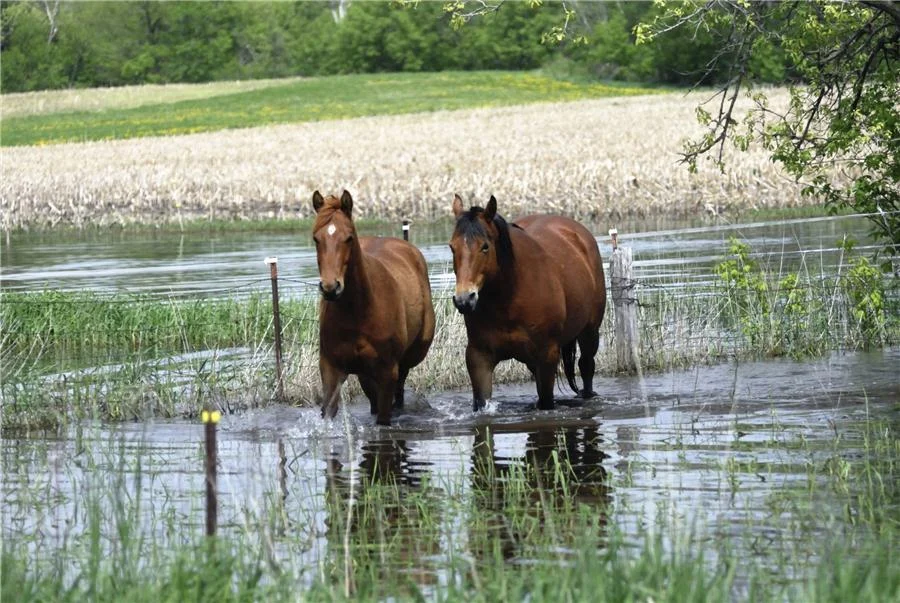
Equine facilities, by their very nature, are subject to significant wear and tear, especially in areas where horses congregate or frequently pass through. Gates, water troughs, shelters, and feeding stations represent focal points of intense activity. The constant movement of horses, coupled with exposure to weather elements, leads to the breakdown of soil structure. This degradation results in the formation of mud pits and significant erosion, creating unsanitary conditions, posing health risks to horses, and diminishing the aesthetic and operational efficiency of the farm.
The consequences of unchecked mud and erosion extend beyond mere inconvenience. For horses, prolonged exposure to mud can lead to various health issues, including skin infections, thrush, and hoof problems. Lameness can also be exacerbated by uneven and slippery surfaces. Furthermore, these conditions can impede the daily operations of the farm, making it difficult to move equipment, deliver feed, and access essential facilities. The financial implications can also be substantial, involving increased veterinary costs, potential damage to infrastructure, and a decrease in property value.
Practical Solutions for Immediate Mud Mitigation
For existing farms grappling with mud and erosion, a proactive approach to remediation is essential. A proven method involves the strategic application of aggregate materials to create stable, well-draining surfaces in problem areas.
Constructing a Stable Foundation:
The process begins with excavating the affected area to a depth of approximately six inches. This excavation serves to remove the saturated topsoil and create space for a robust base layer. The foundation is then established by laying three to four inches of coarse aggregate, commonly referred to as #2 rock. These are typically fist-sized rocks that provide crucial drainage and structural support. While not strictly mandatory, the inclusion of a road commercial fabric beneath the #2 rock can further enhance stability by preventing the migration of finer soil particles into the larger aggregate.
Following the coarse rock base, four to five inches of Dense Grade Aggregate (DGA) are applied. DGA, often described as rock dust or crusher run, is a finely graded mixture of stone particles and dust. Its primary function is to interlock with the #2 rock, creating a firm, compacted surface that prevents the larger stones from surfacing and becoming exposed. Exposed gravel can be abrasive and detrimental to horses’ hooves, leading to discomfort and potential injury. The combination of #2 rock for drainage and DGA for surface stability creates a durable and resilient surface capable of withstanding significant foot traffic and weather.
Ongoing Maintenance and Management:
Even with a well-constructed base, ongoing maintenance is vital to ensure the longevity and effectiveness of these improvements. It is recommended to replenish the DGA layer annually, ideally in the spring, to maintain a consistent level and prevent the reappearance of mud. This top-up addresses any compaction or wear that may have occurred over the previous year.
Furthermore, the perimeter of these graveled areas requires attention. Annual re-seeding of the surrounding ground is crucial to prevent erosion from creeping back into the stabilized zones. The frequency of re-seeding may need to be adjusted based on local weather patterns and the intensity of wear. A well-maintained perimeter not only enhances the visual appeal of the farm but also reinforces the effectiveness of the mud mitigation strategy.
Determining the Appropriate Size of Stabilized Areas
A common question among farm managers concerns the optimal size for these gravel-stabilized areas. The general principle is to match the size of the intervention to the extent of the wear pattern. The goal is to create an area large enough to accommodate the natural movement and behavior of the horses without them venturing into muddy terrain.
For areas around waterers and hay feeders, the stabilized zone should be wide enough to allow at least two to three horses to move around comfortably and safely. This prevents them from congregating in one spot and creating a concentrated mud patch. When addressing gate areas, the stabilized surface needs to be sufficiently expansive to allow for the passage of a horse being led without the handler or the horse stepping into a mire. This is particularly important for gates that are frequently used for moving horses between pastures or to and from the barn. A well-designed gate area ensures a smooth and safe transition, minimizing stress on both horse and handler.
Strategic Planning: The Long-Term Solution to Mud Management
While immediate fixes are essential, the most effective approach to combating mud and erosion lies in thoughtful long-term planning, particularly when establishing or renovating a horse farm. The initial placement of barns, pastures, and, crucially, paddock gates, plays a pivotal role in dictating the location and severity of high-traffic areas prone to mud.
Optimizing Gate and Pasture Placement:
When considering the layout of a horse farm, logical placement of facilities is paramount. Barns and gates should ideally be situated on higher ground, away from perpetually wet depressions or low-lying valleys. This simple principle leverages natural topography to facilitate drainage and minimize prolonged saturation of the soil. Placing these critical access points on slopes or elevated areas ensures that rainwater and runoff are channeled away from high-traffic zones, rather than accumulating within them.
Furthermore, the strategic positioning of paddock gates within fields is crucial for both operational efficiency and horse safety. Placing gates in the corners of fields can create bottlenecks, concentrating traffic and exacerbating wear on a small parcel of land. This can lead to significant mud development and erosion in a confined area. From a safety perspective, corner gates offer limited maneuverability for horses, especially if they are moving at speed or if the ground is uneven and muddy. A horse approaching a corner gate may have less space to adjust its stride or stop safely, increasing the risk of slips, falls, and injuries. A more advantageous approach involves placing gates along the sides of fields, allowing for a broader distribution of traffic and providing more space for horses to navigate safely.
Understanding the Scale of Operations and Pasture Rotation
Effective pasture management is intrinsically linked to mud control. For farms housing a significant number of horses, a well-designed pasture rotation system is essential. For instance, a barn housing 20 horses might be best served by four or more pastures of substantial size, ideally 20 acres or more each. This allows for a rotational grazing system where one pasture is rested and allowed to recover while three others are in active use. This resting period is critical for the regeneration of grass cover and the natural compaction of the soil, both of which contribute to improved drainage and reduced erosion. Overgrazing in any single area inevitably leads to the breakdown of vegetation and soil, creating conditions ripe for mud formation.
Broader Implications for Equine Welfare and Farm Sustainability
The persistent challenge of mud and erosion on horse farms underscores a broader principle of sustainable equine management. Addressing these issues is not merely about aesthetics or convenience; it is fundamentally about safeguarding the health and welfare of the horses. Mud-laden environments are breeding grounds for pathogens and can lead to chronic health problems that impact a horse’s quality of life and performance.
From an economic standpoint, investing in proper drainage and surface stabilization can yield significant returns. By preventing infrastructure damage, reducing veterinary expenses associated with mud-related ailments, and improving the overall efficiency of farm operations, these measures contribute to the long-term financial viability of the enterprise. Moreover, a well-maintained and aesthetically pleasing farm enhances its marketability and overall appeal.
The principles of effective mud and erosion control, which involve understanding soil science, applying appropriate materials, and implementing strategic planning, are transferable to various aspects of farm management. They highlight the importance of a holistic approach that considers the interconnectedness of environmental factors, animal welfare, and operational efficiency. As the equine industry continues to evolve, embracing these proactive strategies will be key to ensuring the sustainability and success of horse farms for years to come.
For those seeking further guidance or wishing to share their own experiences and challenges with mud management, reaching out to experienced professionals or agricultural extension services can provide valuable insights and tailored solutions. The ongoing exchange of knowledge and best practices is vital in addressing the unique demands of equine farm management.