Establishing a successful horse farm is a multifaceted endeavor that extends far beyond the initial acquisition of land and livestock. As this series has explored, meticulous planning and an understanding of the surrounding environment are crucial foundational elements. This third installment delves into the critical aspect of facilities – the buildings and infrastructure that support the daily operations, management, and overall vision of a horse farm. Whether one is acquiring a pre-existing property or developing a new site, the suitability, placement, and long-term viability of these structures are paramount to operational efficiency, animal welfare, and financial sustainability.
Assessing Existing Infrastructure and Future Needs
For individuals considering the purchase of an established horse property, a thorough assessment of existing buildings is the immediate priority. The critical question becomes: are these structures aligned with the intended type of horse operation? This assessment must encompass not only the functional adequacy of barns, arenas, and living quarters but also their strategic placement within the landscape. Factors such as prevailing winds, sun exposure, access to utilities, and the efficient utilization of acreage are all integral to this evaluation. A well-positioned barn can significantly mitigate environmental challenges, while poorly sited structures can lead to increased operational costs and compromised animal comfort.
If the chosen path involves developing undeveloped land, the planning process becomes even more extensive. Here, the prospective farm owner must meticulously consider the feasibility of constructing the necessary facilities for a specific operation, whether it be for competitive equestrian sports, breeding programs, or training endeavors. Land formation, including topography and soil composition, plays a pivotal role. Level terrain is generally more practical for building and managing facilities, while sloped areas may require significant earthwork and specialized drainage solutions. Soil quality is also a crucial consideration, particularly for pastures and paddocks, influencing their carrying capacity and longevity. Zoning regulations and local ordinances must also be thoroughly investigated to ensure that proposed construction aligns with legal requirements and community standards.
The scale of the operation directly dictates the scope of the required facilities. A small hobby farm with a few horses may only necessitate simple run-in sheds for shelter and a modest tack room. Conversely, a commercial operation geared towards high-level competition or breeding will likely require extensive facilities, including spacious barns with specialized stalls, multiple arenas (both indoor and outdoor), dedicated foaling units, quarantine areas, and ample storage for feed and equipment. The concept of land utilization is intrinsically linked to the type of operation. For instance, a 10-acre property where horses are confined to stalls for the majority of the day requires a different facility layout than the same acreage dedicated to extensive grazing, which would support a significantly reduced number of horses.
Tailoring Facilities to Operational Goals
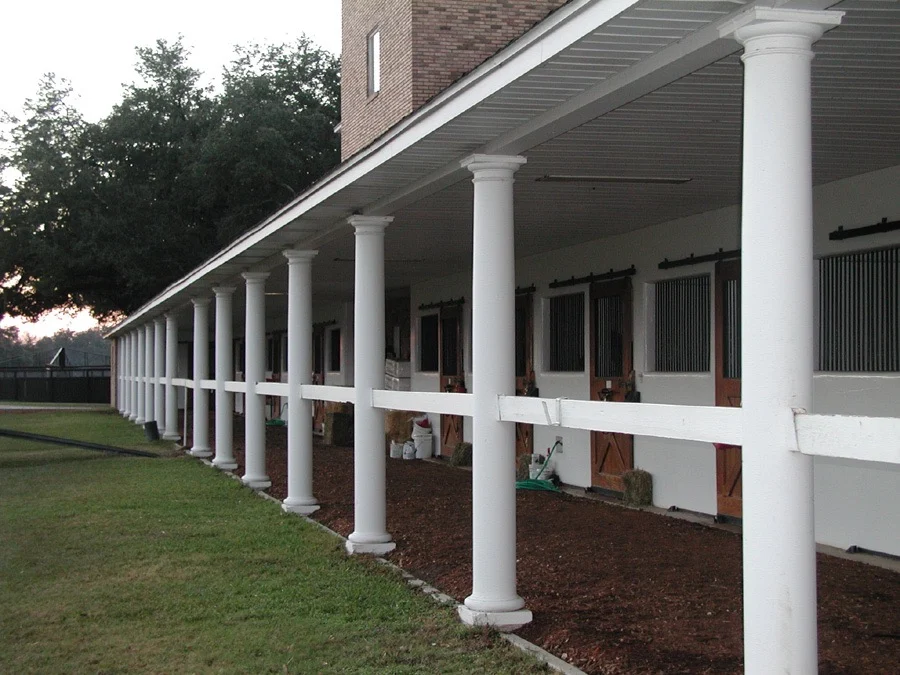
The type and quantity of buildings needed are a direct reflection of the farm’s specific purpose. For those focused on breeding, dedicated foaling stalls equipped with advanced monitoring systems, a separate nursery area for foals, and potentially on-site veterinary facilities become essential. If the operation involves boarding horses for clients, ample stall space, well-maintained paddocks, and secure storage for client tack and equipment are non-negotiable. For trainers and clinicians, the presence of a well-appointed arena, often with specialized footing, is paramount, along with comfortable accommodations for visiting clients and staff.
The human element of a horse farm’s facilities is equally important. The type of housing provided for the farm owner and any resident staff can range from a modest mobile home to a substantial residence, depending on the farm’s scale and the owner’s lifestyle preferences. In larger commercial operations, dedicated staff housing, including apartments or rooms for grooms, stable hands, and visiting instructors, becomes a necessity. The presence of a well-organized tack room, wash bays, and a designated area for farrier and veterinary services are also critical components that contribute to the smooth functioning of daily operations.
It is imperative to recognize that the purchase price of undeveloped land is merely the initial investment. The true cost of establishing a horse farm lies in the subsequent development and ongoing operation of its facilities. These costs often exceed initial expectations, underscoring the need for comprehensive financial planning and a realistic understanding of the expenditures involved in construction, maintenance, and utilities.
Construction Costs and Material Selection
The financial commitment to building horse farm facilities can vary dramatically based on the level of sophistication and the chosen materials. Construction costs can range from approximately $45 per square foot for basic structures to upwards of $250 per square foot or more for high-end, custom-designed buildings. The ultimate decision on what to build is a confluence of the owner’s vision and their available budget.
Beyond the initial construction outlay, a critical factor often overlooked is the ongoing cost of maintenance. When designing or specifying buildings, a comparative analysis of construction materials versus their long-term maintenance requirements is highly advisable. For example, while wood may present a lower upfront cost for construction, its susceptibility to rot, pests, and weathering can result in significantly higher maintenance expenses over time, including regular painting, repairs, and potential replacement. Materials that are easy to clean, durable, and resistant to decay are generally preferable for equestrian facilities, contributing to a healthier environment for horses and reducing long-term costs.
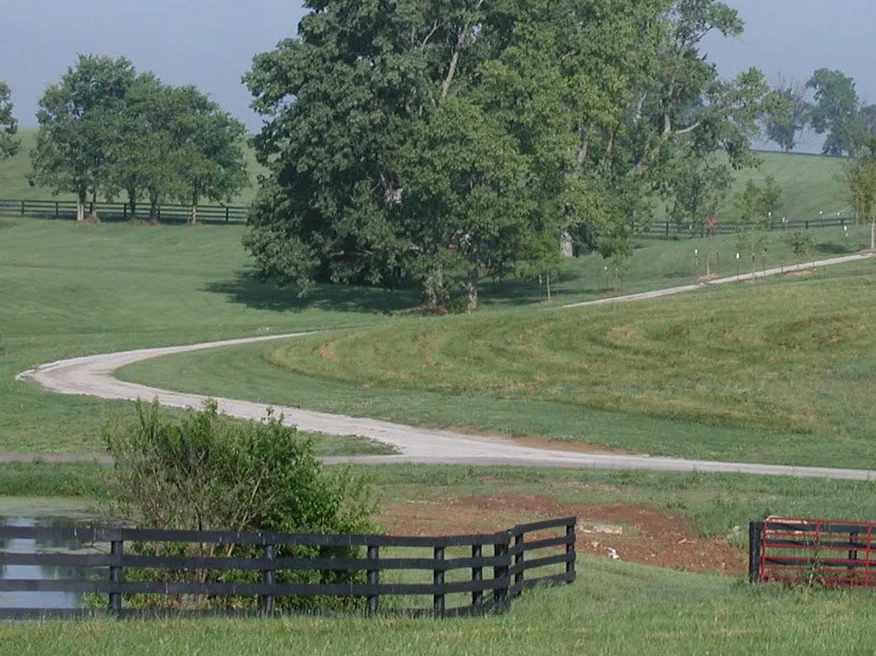
The geographical location of the farm also significantly influences both material availability and cost-effectiveness. In regions like Kentucky, where the equestrian industry is deeply entrenched, the prevalence of locally sourced lumber and specialized fencing materials, coupled with a skilled workforce experienced in their installation and maintenance, makes traditional four-board plank fencing a cost-efficient choice. In contrast, areas lacking such local resources and expertise may find the same fencing option prohibitively expensive. Similarly, environmental conditions, such as high humidity or extreme temperature fluctuations, can render certain materials less suitable or require more intensive maintenance. For instance, wood fencing may not perform as well in consistently damp climates compared to alternatives like vinyl or metal.
Operational Scale and Human Impact
The size of the horse farm and the number of personnel employed directly impact the wear and tear on facilities. Larger operations with a greater number of horses and a larger workforce naturally generate more activity and, consequently, more stress on buildings and grounds. A family-run operation, where tasks are shared among a smaller group, will typically experience a lower level of activity and less wear-and-tear compared to a commercial enterprise with dedicated employees and a high volume of daily operations.
For commercial operations, particularly those that engage in public-facing activities such as hosting competitions, offering boarding services, or providing lessons, regulatory compliance is a significant consideration. This can include obtaining various permits for construction, land use, and public gatherings. Restrictions in the area related to noise, traffic, or environmental impact must also be thoroughly investigated and adhered to.
Safety and Environmental Considerations
The safety of both horses and human personnel is a paramount concern that should heavily influence facility design and material selection. The specific breeds of horses kept, their intended disciplines, and the overall operational model will dictate the safety features required. This could include the installation of specialized non-slip flooring in high-traffic areas, robust fencing designed to contain specific breeds or temperaments, and adequate lighting for nighttime operations.
Furthermore, environmental considerations are increasingly important in the development of horse farm facilities. This can involve implementing sustainable building practices, such as using recycled materials or incorporating passive solar design to reduce energy consumption. Proper waste management systems, including manure composting and runoff control, are essential for maintaining environmental quality and complying with local regulations. The choice of footing for arenas, for example, can also have environmental implications, with some materials being more sustainable and less prone to dust generation.
The Importance of Pre-Purchase Planning
The principle that informed decisions lead to better outcomes holds particularly true when establishing a horse farm. By thoroughly answering a comprehensive set of questions regarding operational needs, financial capacity, and long-term goals before embarking on the search for property or commencing construction, prospective farm owners can significantly increase their chances of acquiring or developing a facility that is truly suitable and sustainable. This proactive approach minimizes the likelihood of costly mistakes, operational inefficiencies, and unforeseen challenges down the line.
Ultimately, the creation of a functional and thriving horse farm is a complex undertaking that demands a holistic perspective. Facilities are not merely structures; they are the physical manifestation of the operational plan and a critical determinant of success. A well-designed and meticulously maintained facility not only supports the welfare of the horses and the efficiency of the operation but also contributes to the long-term financial viability and overall enjoyment of the equestrian lifestyle.
For further inquiries or to discuss specific challenges related to horse farm facilities, please feel free to contact [email protected] to have your questions addressed in future articles.