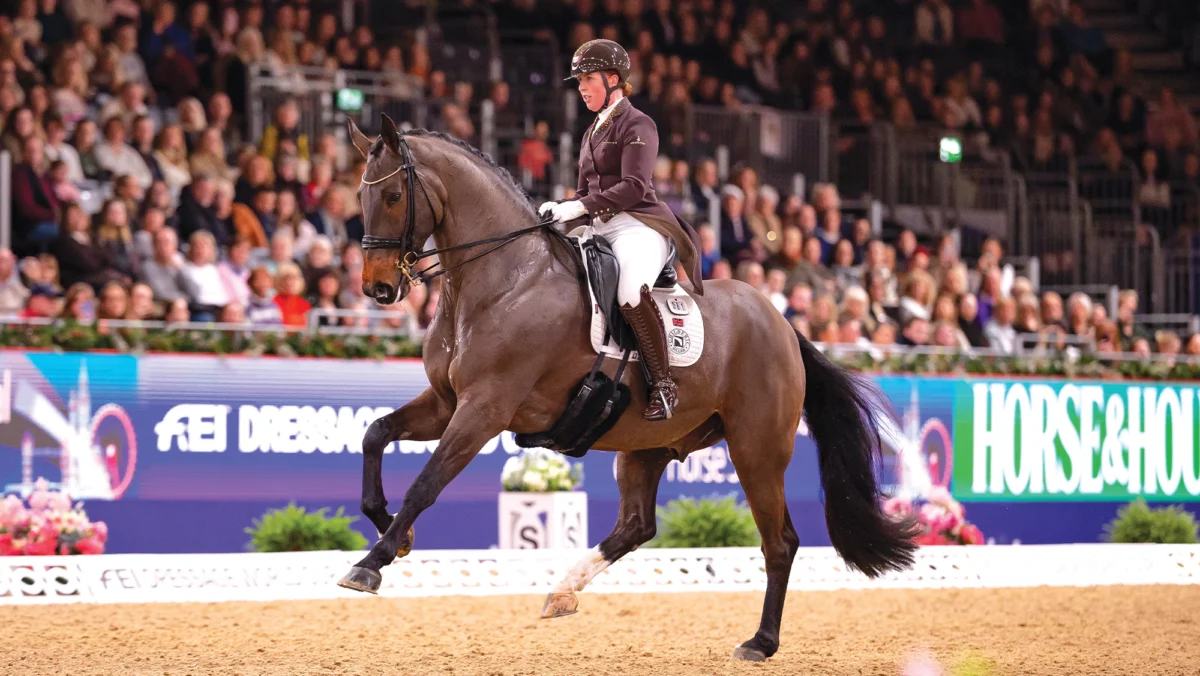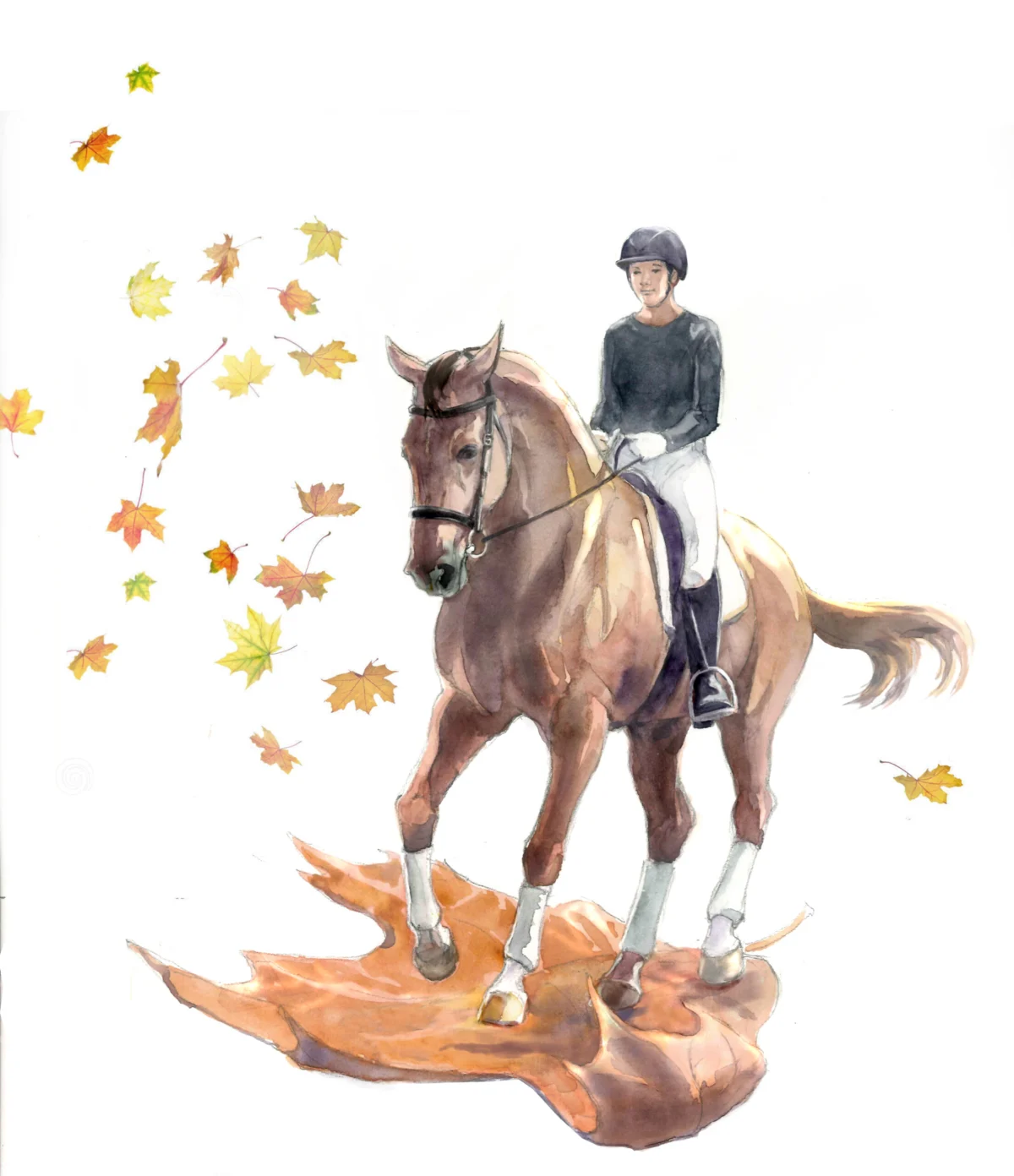
The art of dressage is a meticulous dance between horse and rider, a testament to years of dedicated training, harmonious partnership, and a deep understanding of biomechanics and communication. At the heart of this elegant discipline lies the execution of transitions – the seamless shifts between gaits, speeds, and movements. Among the most challenging and visually striking are the downward transitions, where the horse gracefully decelerates, often from a more energetic gait like canter or trot, to a collected trot or walk. Achieving soft, balanced, and confident downward transitions is not merely an aesthetic pursuit; it is a fundamental indicator of the horse’s suppleness, obedience, and the rider’s refined aids. As international dressage rider, trainer, and coach Kathy Connelly aptly puts it, "Imagine that your transitions land gently, like a leaf floating to the earth." This evocative imagery encapsulates the ideal: a fluid, unforced descent that speaks volumes about the horse’s gymnastic ability and the rider’s sensitive application of aids.
Connelly, a distinguished figure in the dressage world, has represented the United States Equestrian Team at the World Cup and honed her skills under the tutelage of esteemed mentors like Herbert Rehbein in Germany and Ernst Bachinger, former director of the Spanish Riding School, in Vienna. Her extensive experience and profound insights have been instrumental in shaping the training philosophies of countless riders. This particular piece of advice, first published in the June 2015 issue of Dressage Today, distills a complex training objective into a simple, yet powerful, metaphor. The image of a leaf descending suggests a lack of resistance, an effortless surrender to gravity, and a controlled, predictable movement. For a dressage horse, this translates to a horse that is not pulling against the rider’s aids, not anticipating the change in a jarring manner, and not losing its balance or impulsion as it slows down.
The Mechanics of a Soft Downward Transition
The seemingly simple act of a downward transition involves a sophisticated interplay of the horse’s musculature, balance, and the rider’s coordinated use of their body and aids. A soft downward transition is characterized by several key elements:
- Suppleness and Engagement: The horse remains supple through its topline and engaged from behind, maintaining a connection to the bit. This means the hindquarters remain active and carrying, rather than collapsing or falling onto the forehand.
- Balance: The horse’s center of gravity shifts slightly backward, allowing the hind legs to step further underneath the body, thus lightening the forehand. This is crucial for preventing a heavy, unbalanced descent.
- Rhythm and Cadence: The transition occurs without a loss of rhythm or cadence. The horse maintains its forward-thinking energy and doesn’t become dull or resistant.
- Impulsion: Ideally, the horse carries impulsion through the transition, meaning it maintains its energy and power from the hindquarters, rather than simply decelerating. This allows for a more uphill and uphill balance upon arrival in the new gait.
- Rider’s Aids: The rider employs clear, yet subtle, aids. This typically involves a softening of the rein aid in conjunction with a supportive seat and leg. The rider’s back should be elastic, absorbing the horse’s movement and facilitating the downward shift.
When these elements align, the downward transition feels seamless to the rider and appears effortless to the observer. The horse, in essence, "collects" itself, engaging its abdominal muscles and lifting its back, allowing for a lighter forehand and a more poised landing in the slower gait. This is not a forced slowing, but rather an active engagement of the horse’s own body to manage the deceleration.
The Importance of Downward Transitions in Dressage
Downward transitions are not merely isolated movements; they are integral components of a dressage test and crucial indicators of the horse’s overall training and partnership with the rider. Judges meticulously evaluate the quality of these transitions, assessing them for:
- Purity of Gaits: A clean transition ensures the horse enters the new gait without hesitation, stumbling, or a loss of rhythm.
- Balance and Cadence: The horse should remain balanced and maintain a consistent cadence throughout the transition.
- Impulsion and Uphill Tendency: Ideally, the horse will appear to carry impulsion through the transition and land with a slight uphill balance in the new gait, demonstrating active engagement from behind.
- Suppleness and Elasticity: The horse should appear supple and elastic, particularly through its topline, as it decelerates.
- Response to Aids: The transition should demonstrate the horse’s willingness and promptness in responding to the rider’s aids, without resistance or overthinking.
At higher levels of dressage, the demands on downward transitions become even more stringent. For instance, in a Grand Prix test, a horse might be required to transition from a collected canter to a halt, or from a working trot to a collected trot. The precision, balance, and softness required for these movements are a culmination of years of systematic training. A horse that struggles with downward transitions may exhibit a tendency to rush into the slower gait, become heavy on the forehand, or even resist the rider’s aids. Such issues can negatively impact the overall score and indicate underlying training deficiencies.
Training Strategies for Achieving Soft Transitions
Achieving the "leaf floating to the earth" ideal requires a systematic and patient approach to training. While Kathy Connelly’s metaphor is inspirational, the practical application involves breaking down the process into manageable steps and employing specific exercises.
1. Building Suppleness and Engagement from Behind
Before focusing solely on the transition itself, it is paramount to establish a foundation of suppleness and engagement. This involves:
- Lateral Work: Exercises such as leg-yields, shoulder-in, and traversals encourage the horse to engage its hindquarters, develop independent lateral bending, and improve its balance. These movements teach the horse to carry itself and respond to the rider’s leg aids, which are crucial for controlling the hindquarters during transitions.
- Transitions within Gaits: Regularly practicing transitions within a gait, such as walk-to-trot and trot-to-canter, helps the horse understand the rider’s aids for upward and downward movement. This also builds the horse’s confidence and responsiveness.
- Rhythm and Suppleness Exercises: Working on maintaining a consistent rhythm and encouraging suppleness through exercises like serpentines, circles, and riding on the wall can improve the horse’s overall ability to shift its weight and engage its core.
2. The Rider’s Role: Refining Aids
The rider’s role in a downward transition is often misunderstood. Instead of simply pulling back on the reins, the rider must learn to use a combination of aids harmoniously.
- The Seat: The rider’s seat is a primary aid for downward transitions. A deep, elastic seat, with the rider’s weight settling slightly back into the saddle, encourages the horse to engage its hindquarters and lighten its forehand. The rider’s pelvis should be able to follow the horse’s movement, allowing for a smooth transition.
- The Leg: The leg aid is used to maintain impulsion and encourage the hindquarters to step under. While the reins soften, the leg remains active, maintaining the forward-thinking energy and prompting the hind legs to carry.
- The Rein: The rein aid for a downward transition is primarily about “listening” and softening rather than pulling. The rider should feel a connection to the horse’s mouth, but avoid tightening or shortening the reins. Instead, the rider can gently close their fingers, signaling a desire for a slower pace, while simultaneously allowing their hands to follow the horse’s neck. The goal is to guide, not to force.
- The Voice: A quiet cluck or a soft word can also be used to signal the intention for a downward transition, especially in younger or less experienced horses.
3. Specific Exercises for Downward Transitions
Once a solid foundation is established, specific exercises can be employed to refine downward transitions:
- Walk-Trot-Walk: Starting at the walk, ask for a trot, then immediately ask for a walk back. Focus on making both the trot-to-walk and the walk-to-trot transitions as soft and balanced as possible. The walk back should be energetic and purposeful, not a dull dragging.
- Trot-Canter-Trot: Similarly, practice trot-to-canter and canter-to-trot transitions. Pay close attention to the balance and engagement of the horse as it transitions from canter to trot. The trot should remain uphill and supple.
- Canter-Walk-Canter: This is a more advanced exercise that requires significant engagement and balance from the horse. The goal is to achieve a soft, balanced walk that maintains connection and impulsion, rather than a dull or rushed transition.
- The "Half-Transition": In canter, for example, the rider might half-halt, feeling the horse engage its hindquarters and lighten its forehand, but then immediately ask for forward canter again. This exercise helps the horse understand the rider’s intention to collect and balance without necessarily committing to a full downward transition.
- Riding Transitions on a Circle: Performing transitions on a circle or a curved line can help the horse learn to shift its weight and engage its body more effectively. The bend naturally encourages the horse to use its hindquarters more.
4. Addressing Common Issues
- The "Falling Onto the Forehand": This often indicates a lack of engagement from behind and insufficient suppleness in the topline. Focus on exercises that build hindquarter strength and suppleness, and ensure the rider’s seat is deep and elastic.
- The "Rushed Transition": This suggests the horse is anticipating the change and not truly listening to the rider’s aids. Slow down the training process, ensure the horse is balanced before asking for the transition, and use half-halts to prepare the horse.
- Resistance or "Dropping": This can be a sign of a lack of understanding or physical discomfort. Revisit the basics, ensure the aids are clear and consistent, and consider the horse’s overall physical condition.
The "Leaf Floating to the Earth" Metaphor in Practice
Kathy Connelly’s metaphor is not just poetic; it’s a practical training goal. When a rider can achieve a downward transition that feels like a leaf descending, it means:
- No Jarring: The horse does not resist or brace against the rider’s aids.
- Smoothness: The movement is fluid and continuous, with no abrupt changes in tempo or balance.
- Control: The rider has maintained control of the horse’s body and energy throughout the transition.
- Harmony: The horse and rider are working as one, with the horse willingly responding to the rider’s subtle cues.
This level of refinement takes time, patience, and a deep understanding of horse training principles. It is the hallmark of a well-trained dressage horse and a skilled rider.
Background and Context
The advice from Kathy Connelly, as shared in Dressage Today in June 2015, emerged during a period of continued evolution in dressage training philosophy. The sport has moved away from overly forceful methods towards a greater emphasis on partnership, biomechanics, and the horse’s well-being. Figures like Connelly, with their extensive international experience and classical training backgrounds, are crucial in disseminating these progressive approaches. The June 2015 issue of Dressage Today, a respected publication for dressage enthusiasts and professionals, would have reached a dedicated audience seeking practical advice and inspiration. The inclusion of an illustration, as indicated by the source material, further suggests an effort to visually communicate the concept, making it more accessible to a wider range of learners.
Broader Impact and Implications
The pursuit of soft downward transitions has implications that extend beyond the dressage arena:
- Horse Welfare: A horse that can transition smoothly and without resistance is a horse that is likely more comfortable and less prone to injury. The focus on suppleness and balanced engagement contributes to the long-term soundness of the horse.
- Partnership and Communication: Achieving this level of refinement signifies a deep level of communication and trust between horse and rider. It demonstrates that the horse understands and trusts the rider’s aids, and the rider has developed the sensitivity to apply them effectively.
- Advancement of the Sport: The consistent production of horses capable of elegant and effortless transitions elevates the overall standard of dressage. It allows for more complex and nuanced performances, pushing the boundaries of what is possible in the discipline.
Kathy Connelly’s simple yet profound advice serves as a guiding principle for dressage riders worldwide. The image of a leaf floating to the earth is a powerful reminder that the ultimate goal in training is not force, but finesse; not resistance, but responsiveness. By focusing on the fundamental principles of suppleness, engagement, and balanced aids, riders can indeed achieve those coveted soft, downward transitions that exemplify the beauty and harmony of classical dressage. Her continued influence, stemming from her extensive career and dedication to education, ensures that such fundamental training principles remain at the forefront of the sport.