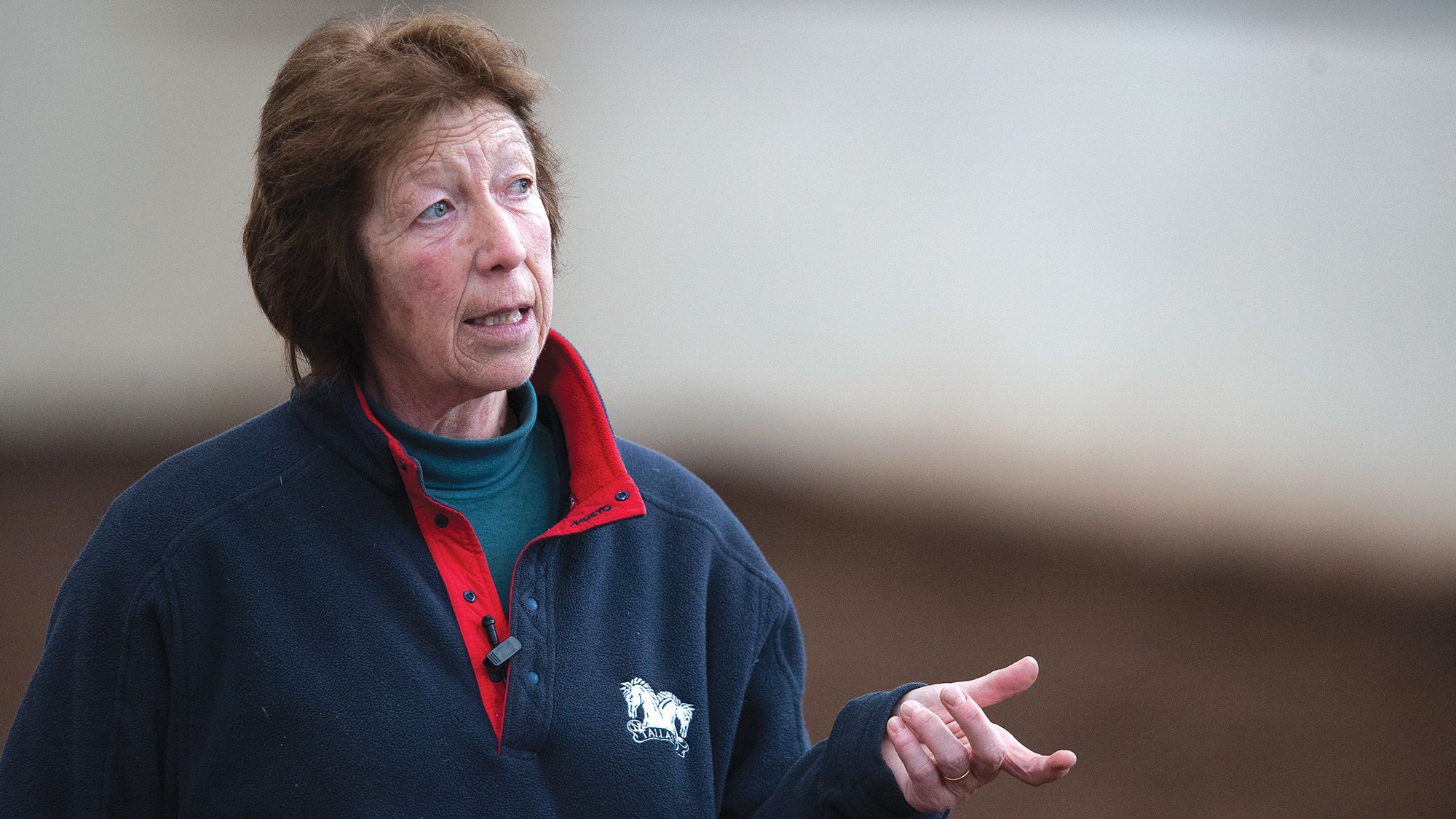
The equestrian world is grappling with an increasing awareness of inherent risks, prompting seasoned professionals like Pammy Hutton to question the preparedness of horses for unpredictable situations beyond the controlled environment of the arena. Hutton, a distinguished international dressage rider, trainer, and joint principal of Talland School of Equitation, has voiced her concerns, emphasizing the need for horses to possess a robust understanding of the "real world" to ensure rider safety. This sentiment arises in an era where riding is frequently categorized alongside high-risk sports such as motorsports, underscoring the critical importance of mitigating potential dangers.
The Evolving Landscape of Equestrian Safety
The opening anecdote of a tragic accident involving a seven-year-old child and a bird serves as a stark reminder of the unpredictable nature of working with horses. While modern equestrianism boasts significant advancements in safety gear – including advanced helmets, body protectors, and air vests – these measures primarily address the rider’s protection rather than the horse’s ability to navigate and react appropriately to unexpected stimuli. Hutton’s perspective suggests a paradigm shift is needed, moving beyond rider-centric safety to encompass a more holistic approach that prioritizes the horse’s mental conditioning and environmental awareness.
Background: A Legacy of Equine Expertise
Pammy Hutton’s extensive career, marked by international success in eventing and dressage, as well as her role as a Fellow of the British Horse Society, lends considerable weight to her observations. As the daughter of the late Molly Sivewright, a prominent figure in equestrian journalism and author, Hutton has been immersed in the world of horses from a young age. Her family legacy, including her husband Brian Hutton and successful dressage rider children Charlie and Pippa, further solidifies her deep understanding of equine behavior and training methodologies. This rich background informs her nuanced view on the challenges faced by both horse and rider in contemporary equestrian pursuits.
The ‘Real World’ Challenge: Beyond the Arena Walls
Hutton’s central thesis revolves around the concept of a horse’s ability to cope in what she terms the "real world." This encompasses a wide array of scenarios that fall outside the structured routines of training and competition. These can include:
- Unforeseen Environmental Stimuli: Sudden noises, unusual sights (e.g., flapping plastic, unexpected vehicles), and the presence of wildlife (like the bird in the initial anecdote) can startle even well-trained horses.
- Varied Terrain and Surfaces: Riding on unfamiliar or challenging ground, from slippery surfaces to uneven trails, requires a horse to be adaptable and confident.
- Interaction with the Public: Horses that are regularly exposed to crowds, children, and other non-equestrian elements are generally more at ease and less likely to react unpredictably.
- Human Behavior: Understanding that humans can move erratically, make loud noises, or exhibit unpredictable behavior is crucial for a horse’s composure.
The implication is that horses are often trained to perform specific tasks within controlled environments. While this training instills discipline and responsiveness, it may not adequately prepare them for the chaotic and often surprising nature of the world outside the riding school or competition arena.
Supporting Data and Industry Trends
While direct statistical data on horses’ "real-world" preparedness is scarce, industry trends and accident reports offer corroborating evidence. Safety organizations and equestrian governing bodies consistently highlight rider inexperience and horse spooking as primary causes of accidents. For instance, reports from organizations like the Royal Society for the Prevention of Accidents (RoSPA) in the UK often cite "horse bolted" or "horse shied" as contributing factors in numerous incidents.
Furthermore, the rise of various equestrian disciplines, from trail riding and endurance to cross-country and even urban equitation, necessitates a horse that is not only athletic but also mentally resilient and environmentally aware. The increasing popularity of these disciplines underscores the demand for horses capable of handling a broader spectrum of challenges.
Chronology of Safety Advancements and Evolving Training Philosophies
The evolution of equestrian safety can be broadly traced through several key periods:
- Early 20th Century: Focus on basic riding skills and rider discipline. Safety gear was rudimentary, with leather helmets and basic riding boots being the norm. Accidents were often attributed to rider error or inherent horse temperament.
- Mid to Late 20th Century: Increased recognition of the physical demands of riding and the potential for severe injury. The development of more robust riding hats and the introduction of body protectors began. Training philosophies started to incorporate more understanding of horse psychology, moving away from purely dominant approaches.
- Late 20th Century to Present: A significant surge in safety innovation. The widespread adoption of helmet standards (e.g., PAS 015, ASTM F1163), the development of air vests, and the integration of advanced materials in protective gear. Concurrently, training methodologies have increasingly embraced positive reinforcement, natural horsemanship principles, and a deeper focus on building a horse’s confidence and emotional intelligence.
Hutton’s comments can be seen as a call to further refine these training philosophies, emphasizing the need to actively cultivate a horse’s ability to cope with unexpected stimuli as a fundamental aspect of responsible horsemanship.
Potential Reactions and Inferred Statements from Related Parties
While direct quotes from other parties are not available in the provided content, it is reasonable to infer that Hutton’s concerns resonate with many within the equestrian community.
- Riding Instructors and Trainers: Many would likely agree with Hutton’s assessment, emphasizing the importance of "desensitization" and exposing young horses to a variety of experiences. They might point to the challenges of finding safe and controlled environments for such exposure.
- Horse Owners: Owners who regularly ride outside of arenas would undoubtedly recognize the need for their horses to be confident and unflappable. They might share anecdotes of horses that have performed admirably in unexpected situations.
- Safety Organizations: Organizations dedicated to reducing equestrian injuries would likely support any initiative that enhances horse behavior and reduces the likelihood of spooking or bolting. They might advocate for greater emphasis on these aspects in training programs and rider education.
- Researchers and Academics: Equine behaviorists and veterinary professionals specializing in animal welfare could provide scientific backing for the importance of environmental enrichment and habituation in promoting a horse’s psychological well-being and reducing stress-related reactions.
Analysis of Implications: A Call for Proactive Training
Hutton’s statement carries significant implications for how horses are trained and managed:
- Curriculum Development: It suggests that training programs, from beginner lessons to advanced professional development, should incorporate modules specifically designed to build a horse’s resilience to everyday environmental challenges. This could involve systematic exposure to a wider range of stimuli in controlled yet realistic settings.
- Breeding and Selection: While temperament is a crucial factor in breeding, the emphasis might shift to selecting and breeding horses that demonstrate a natural aptitude for confidence and adaptability, alongside athleticism.
- Rider Education: Beyond teaching riding skills, educational programs should aim to equip riders with the knowledge and techniques to understand and manage their horse’s reactions to unexpected events, fostering a partnership built on mutual trust and understanding.
- The Role of Technology: While safety gear is vital, it should be viewed as a last line of defense. The focus, as Hutton suggests, should be on proactive measures that prevent dangerous situations from arising in the first place.
Broader Impact and Future Directions
The conversation initiated by Pammy Hutton highlights a critical juncture in equestrianism. As the sport continues to evolve and diversify, the need for horses that are not only skilled athletes but also well-adjusted individuals capable of navigating the complexities of the "real world" becomes paramount. This perspective encourages a move towards a more holistic approach to horsemanship, where the horse’s mental and emotional development is given equal, if not greater, importance to its physical training.
By fostering this understanding and implementing proactive training strategies, the equestrian community can continue to mitigate risks, enhance safety, and ultimately deepen the profound bond between humans and horses, ensuring that these magnificent animals are better equipped to thrive alongside us in an ever-changing world. The ongoing dialogue, spurred by experienced voices like Hutton’s, is essential for shaping a safer and more responsible future for equestrian sports.