

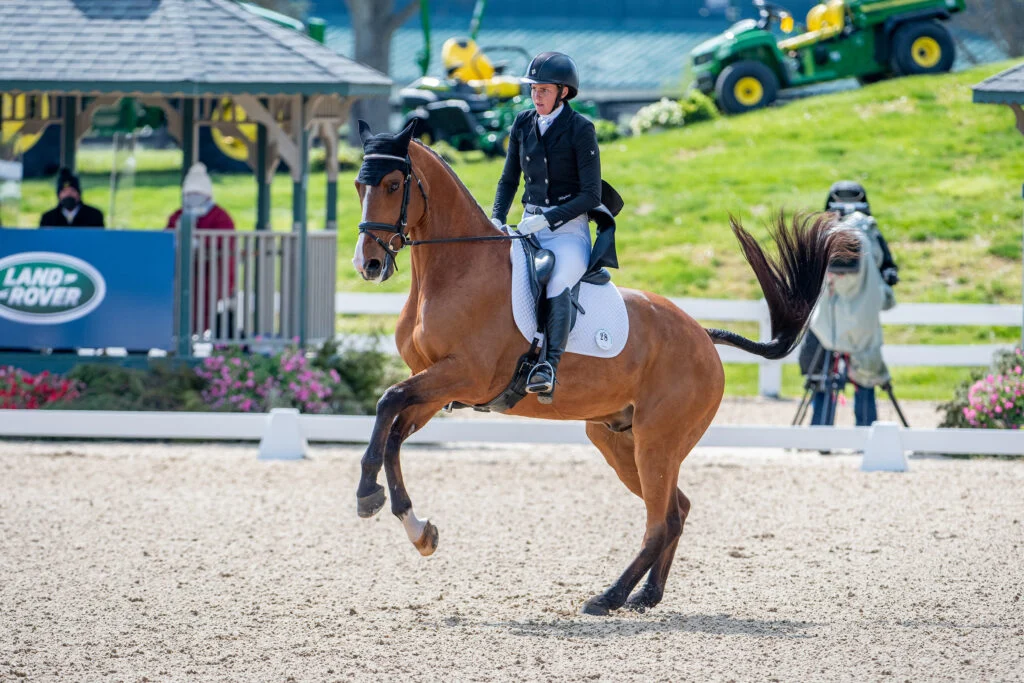
The journey of teaching a horse flying changes, a fundamental element in advanced dressage, can often be a protracted and demanding undertaking, frequently described by seasoned trainers as "flying change hell." This term, popularized by renowned dressage figure Janet Foy in her book "Dressage for the Not-So-Perfect Horse," encapsulates the multifaceted frustrations and triumphs that accompany this critical training phase. While some horses master the maneuver in a matter of weeks, others may require upwards of a year to transition from nonexistent changes to a confirmed, reliable execution. The path is frequently littered with challenges, including, but not limited to, late changes in front or behind, complete lack of response, abrupt aerial leaps, bolting, bucking, and myriad combinations thereof. This comprehensive guide outlines eight key strategies to navigate this demanding process, aiming to ensure both horse and rider emerge from the experience with their partnership intact and their training goals achieved.
Laying the Foundation: Essential Prerequisites for Success
Before even contemplating the introduction of flying changes, a robust foundation of basic dressage principles is paramount. In the official USEF dressage tests, flying changes are first mandated at Third Level. However, Second Level serves as a crucial preparatory stage, offering a valuable benchmark for assessing a horse’s balance, throughness, and straightness. Particular emphasis should be placed on the execution of simple changes, the transitions between canter and walk. These should be characterized by a balanced and collected canter, with the horse actively lowering its hindquarters while the shoulders elevate, resulting in a fluid and graceful descent, akin to a feather settling to the ground. The landing should be light and engaged.
Equally critical is the transition from walk to canter. This departure aid will, in effect, become the precursor to the flying change. A horse that exhibits sluggishness to the leg or stiffness against the hand during this transition is highly likely to present similar issues when asked for a flying change, if a change occurs at all. The horse must demonstrate immediate reactivity to the canter-depart aid. If this responsiveness is lacking, daily dedicated work to improve this reaction is essential. The horse’s ability to connect with the outside rein during the canter departure is also vital, ensuring an engaged and aligned posture. Any misalignment present at this juncture will invariably manifest during the flying change.
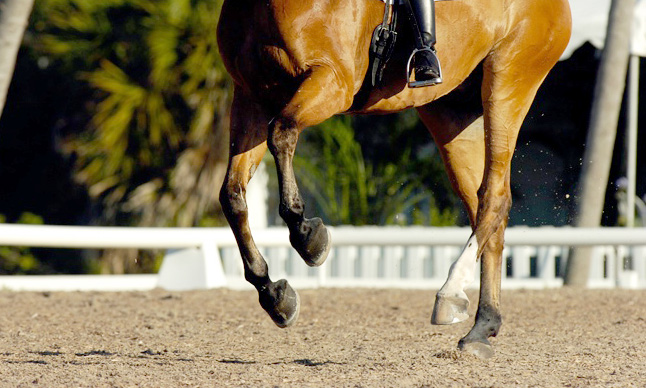
Furthermore, the rider must possess the ability to adjust the canter stride. The horse needs to be responsive to the driving aid for longer strides and equally attentive to the half-halt to shorten the stride, preparing for movements like pirouettes, which are introduced at Fourth Level but beneficial to develop earlier. The capacity to shorten and quicken the canter stride is a direct precursor to the demands of a flying change, allowing for a more controlled and effective execution.
A Strategic Approach: High Standards, Low Expectations
A dichotomy of strategic thinking is crucial when approaching flying changes: maintaining exceptionally high standards for the horse’s performance while simultaneously harboring relatively low expectations for the immediate outcome. The rider must consistently demand an actively forward canter, a quick hind leg, and a self-carriage appropriate for the level of training. Rigorously enforce reactivity to the aids; a sluggish canter depart should be repeated until the desired responsiveness is achieved. Mediocrity in these fundamental transitions is unacceptable. If a horse is consistently permitted to be above the bit or slow to the leg during basic transitions, there will be no inherent motivation to execute a flying change. These high standards should extend not only to the horse but also to the rider’s own execution and consistency.
Concurrently, it is prudent to temper expectations regarding the initial flying changes. Despite being a seemingly natural movement for horses, the flying change presents a complex physical and mental challenge, with each horse possessing its own learning trajectory. Acknowledging and celebrating small successes is vital for building the horse’s confidence in the rider and the training process. This balanced approach prevents undue frustration and fosters a more positive learning environment.
The Non-Linear Trajectory of Progress
The path to achieving reliable flying changes is rarely a straight line. It is imperative to recognize that progress is often characterized by fluctuations, with moments of perceived breakthrough followed by setbacks that can feel like a return to square one. This non-linear nature can be disheartening. To better track progress and identify patterns, maintaining a training journal or regularly videoing sessions can be immensely beneficial. Observing these recordings over time can provide valuable insights into the horse’s development and highlight areas requiring further attention. The more meticulously the prerequisites are addressed, the smoother this developmental journey is likely to be.
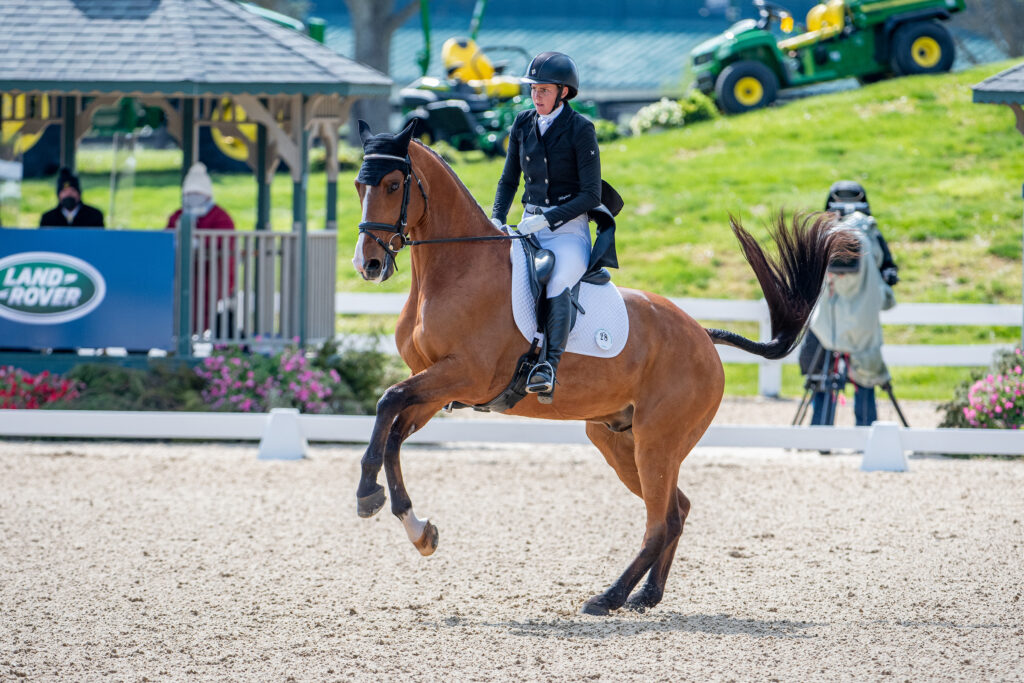
The variability in learning is also striking between individual horses. Anecdotal evidence from experienced trainers highlights this disparity. One trainer recounts a Grand Prix horse that took a full year to develop flying changes, exhibiting a range of incorrect responses before finally making the physical and mental connection. In contrast, the same trainer’s younger, more "hot-blooded" son, a sport pony, grasped the changes with relative ease due to his naturally higher level of reactivity. This underscores the necessity of a certain inherent "electricity" in the hindquarters for a more facile learning process.
Emotional Fortitude: Leaving Pride at the Door
The "flying change hell" can be a deeply humbling and frustrating experience. Repeated rides with minimal or no success can easily lead to feelings of inadequacy. Even experienced riders can confront these negative emotions when the process extends beyond their anticipated timeline. It is crucial to acknowledge these feelings but also to remind oneself that improvement is possible. Remaining present and focused on the immediate experience, rather than dwelling on past frustrations or future anxieties, is key. Accepting that some days will be challenging and others will be rewarding is essential for maintaining mental resilience.
The Power of Collaboration: Recruiting a Training Ally
A supportive ally can be invaluable when navigating the complexities of teaching flying changes. Beyond moral support, a keen-eyed friend can offer objective feedback that is difficult for the rider to perceive while simultaneously managing the horse’s performance. Even with the aid of mirrors, it can be challenging for a rider to simultaneously focus on their own riding, the horse’s execution, and the visual confirmation of a clean change.
A well-positioned ground person can identify subtle issues, such as a horse becoming crooked in the moments leading up to a change, or a sneaky late-behind or late-in-front change that may be imperceptible to the rider. This external feedback can be instrumental in refining the rider’s aids and improving the success rate of subsequent attempts.
Innovative Strategies: Thinking Outside the Box and Embracing Flexibility
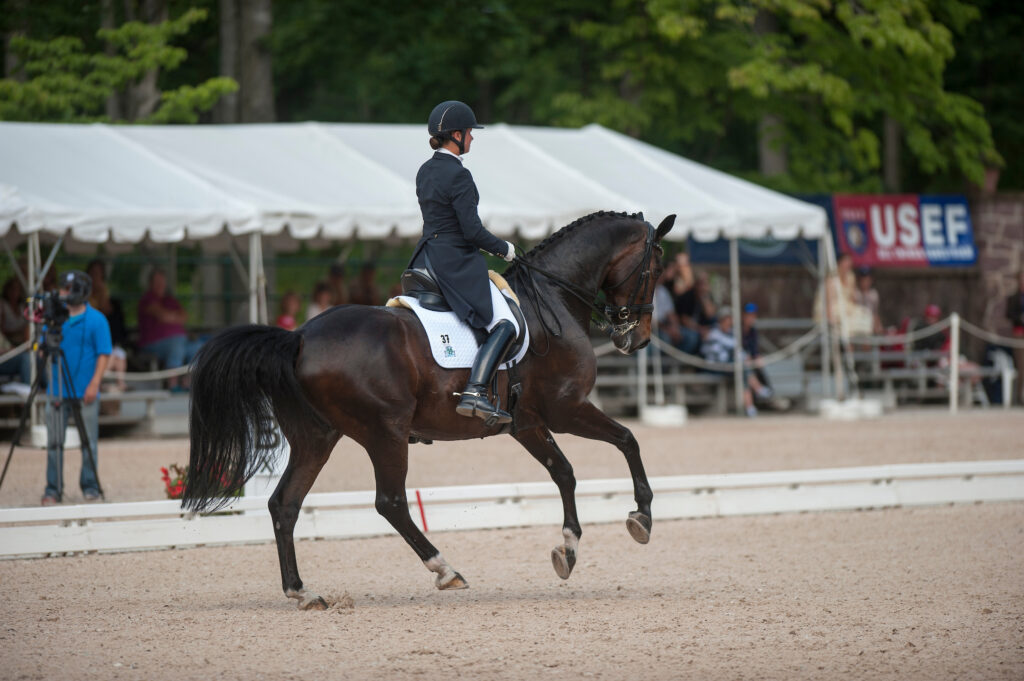
When conventional approaches prove insufficient, a willingness to think creatively and adapt the training methodology is paramount. Some horses respond exceptionally well to altered environments. For instance, one trainer found that their Grand Prix horse performed flying changes with greater success when working in an open field, where more space facilitated a freer and more energetic canter. Another trainer utilized a ground pole extensively with a sport pony to help the animal understand the desired body engagement for a change.
Experimentation with various lines and approaches is highly encouraged. Options include initiating changes from a counter-leg yield, counter-canter on a circle, half-pass, counter-canter renvers, or simply on a diagonal line. It is imperative, however, to ensure the horse is properly straightened before requesting a change, particularly when originating from lateral movements. Creativity in line selection and a willingness to explore different strategies are crucial, as what works for one horse may not be effective for another. The ultimate goal is to discover the most effective method for each individual equine partner.
Once a horse demonstrates proficiency on a chosen line, the challenge evolves to generalizing that skill to other contexts. A horse that executes clean changes on a diagonal might struggle with the increased demand for straightness on a quarter line or along the rail. This transition requires a continued elevation of standards; what was once acceptable, such as a slightly crooked but clean change on a diagonal, may no longer suffice. The horse must be held accountable for maintaining absolute straightness.
Maintaining Engagement: Playfulness Over Repetition
While the goal of achieving confirmed flying changes is serious, the training process itself should not become a monotonous drill. In the initial stages, casually incorporating requests for changes into the training session allows for experimentation and strategy development without undue pressure. If a change is successful, it is a positive reinforcement; if not, it is a learning opportunity without significant consequence. Touching upon changes nearly every day, contingent on the horse’s receptiveness, can be beneficial. For example, after a rest period, a horse might benefit from a focus on basic responsiveness and straightness before tackling the more demanding flying changes later in the week.
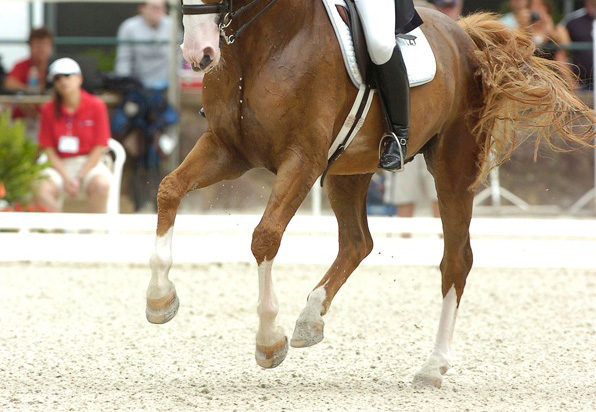
However, it is crucial to avoid excessive repetition that can lead to the horse becoming "sour" or resistant. If a particular ride proves consistently frustrating, it is often more productive to revert to simpler exercises, such as simple changes, and revisit flying changes on another occasion. This approach prevents the horse from developing negative associations with the exercise.
The Unwavering Commitment: Perseverance as the Ultimate Virtue
Ultimately, the successful acquisition of flying changes hinges on unwavering perseverance. Consistent daily training, focusing on incremental improvements in the horse’s balance, straightness, throughness, and collection, is the bedrock of progress. Showing up, day after day, and dedicating oneself to the task, coupled with compassion for both the horse and oneself, is essential. The internal dialogue during challenging periods can be formidable, with self-doubt and criticism readily surfacing. However, each ride undertaken with commitment, rather than quitting, serves to quiet these inner demons. The profound sense of accomplishment and confidence derived from overcoming these significant training hurdles is a testament to the power of persistence.
For those currently immersed in the "flying change hell," the message is one of solidarity and encouragement. The frustration is understood, but the assurance is that this challenging phase is surmountable. Approaching the endeavor with humor, compassion, and empathy for the horse can transform the experience. Teaching a horse flying changes is a significant milestone in equine training, a testament to the partnership between horse and rider. With meticulous attention to detail, unwavering kindness, robust confidence, and a touch of serendipity, the goal of confirmed flying changes will undoubtedly be achieved.
About the Author
Jenna Arnold is a distinguished figure in the dressage community, holding USDF bronze, silver, and gold medals, as well as Freestyle Bar accolades. She is also a writer and the founder of Mindful Riding, a platform dedicated to fostering a deeper connection between riders, their horses, and themselves through a holistic approach to mind, body, and spirit. As a mother of two young daughters, Arnold operates Concordia Dressage with her husband, Martin Arnold, near Austin, Texas. Her expertise and insights into the training process, particularly concerning challenging maneuvers like flying changes, are derived from extensive practical experience and a deep understanding of equine psychology.







