

The concept of "balance," defined by Webster as "a state of equilibrium," is a fundamental principle woven into the fabric of daily life, from balanced budgets to balanced diets. In the intricate world of equine sports and care, this equilibrium takes on profound significance, particularly concerning the health and functionality of equine joints. Ensuring optimal joint health is not merely about treating symptoms but about cultivating a comprehensive, balanced approach that prioritizes the horse’s long-term well-being, performance, and soundness. This philosophy underscores the critical interdependence of various stakeholders – the horse itself, the owner, the trainer, and the veterinarian – in maintaining a successful and sustainable equine team.
The Equine-Centric Philosophy: Foundation of Care
At the core of any successful equine partnership lies the unwavering commitment to the horse’s best interest. This principle, often stated as "Job No. 1," dictates that all decisions, from training regimens to medical interventions, must be made with the horse’s welfare as the primary consideration. Neglecting this foundational tenet can swiftly destabilize the entire system, leading to suboptimal performance, chronic health issues, and significant financial strain. The owner plays an indispensable role in this equation, providing the resources, dedication, and ultimate decision-making authority that drives the entire care process. Without an engaged and informed owner, the finest veterinary expertise or training protocols cannot achieve their full potential, rendering the entire system imbalanced. Therefore, fostering an environment where treatment decisions are rooted in factual diagnoses, scientific understanding, and a clear vision for the horse’s future, rather than tradition, anecdotal evidence, or fear, is paramount.
Understanding Equine Joints: A Complex Biomechanical System
Contrary to a simplistic view of a joint as a mere reservoir of lubricating fluid—akin to an oil pan in a vehicle—the equine joint is a marvel of biological engineering. It represents a highly complex, dynamic structure composed of multiple interconnected tissues, each playing a vital role in mobility, shock absorption, and stability. These components include the subchondral bone, the dense bone tissue immediately beneath the articular cartilage; the synovial fluid, a viscous lubricant that reduces friction and provides nutrients; the articular cartilage, a smooth, resilient tissue covering the ends of bones within the joint; and an array of supporting soft tissue structures such as the joint capsule, tendons, ligaments, and muscles. Any disease or damage to even one of these components can initiate a cascade of detrimental effects, compromising overall joint function and potentially leading to systemic issues elsewhere in the horse’s body over time. A holistic examination must therefore extend beyond the primary site of lameness, evaluating the horse’s entire body condition, diet, and existing health issues, recognizing that imbalances in one area can precipitate failures in another.

The Nuance of Joint Injections: Precision Over Routine
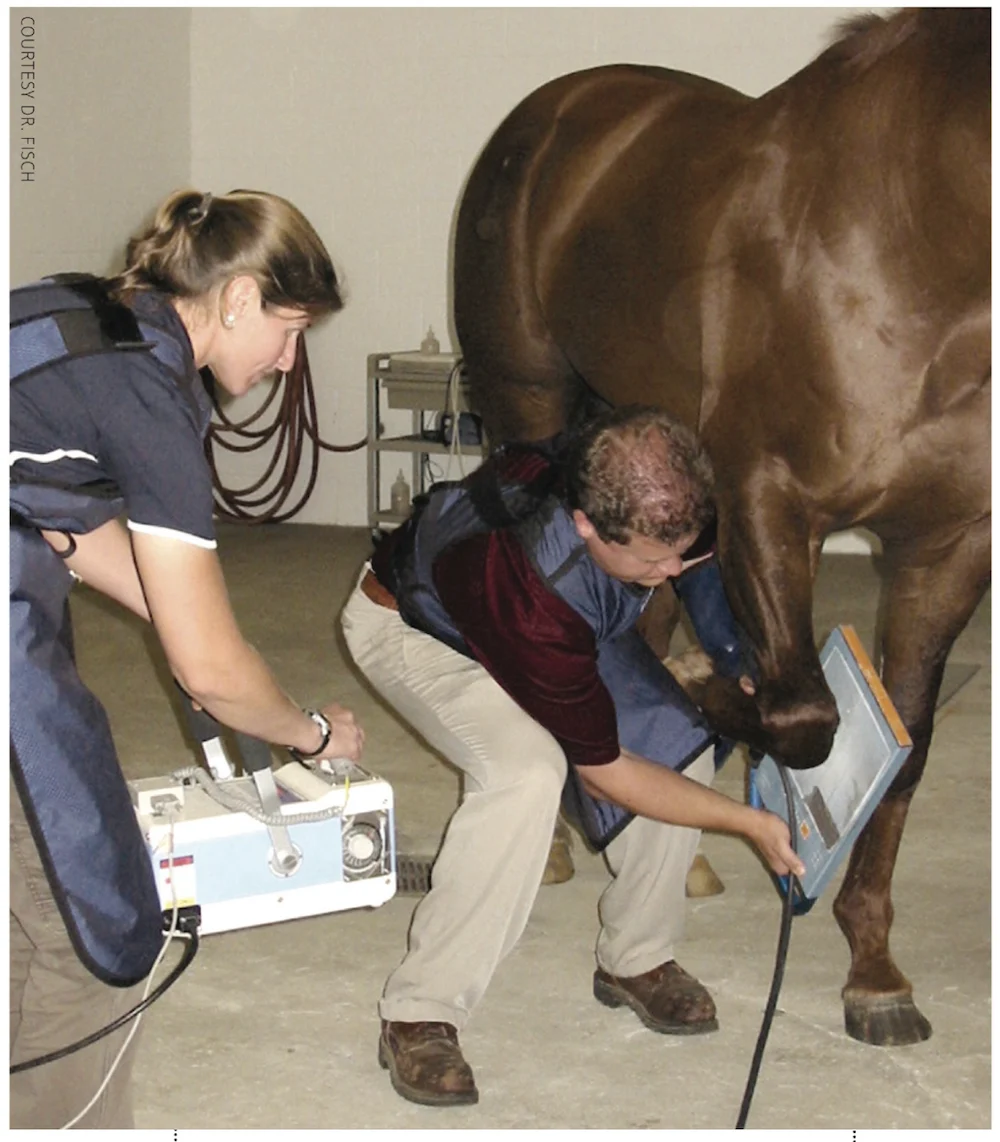
Joint injections have emerged as a powerful tool in managing equine lameness, particularly in athletic horses. When applied judiciously, at the correct time, and based on an accurate diagnosis, these interventions can effectively restore joint health, alleviate pain, and prolong an equine athlete’s competitive career. They contribute significantly to maintaining the delicate balance required for sustained performance. However, their efficacy is entirely contingent upon precise application. Administering joint injections at the wrong time or for inappropriate reasons can have severe repercussions, not only harming the horse physically by masking underlying issues or exacerbating damage but also creating significant financial burdens for the owner without yielding positive results. This highlights the critical importance of robust diagnostic procedures. Initial assessments should always involve fundamental methods such as observing the horse trot on various surfaces and in different directions, performing flexion tests, careful palpation of the limbs, and using hoof testers. These basic diagnostics can effectively narrow down the area of concern before progressing to more advanced, and often more expensive, imaging techniques.
Diagnostic Imperatives: Beyond the Visible
Accurate diagnosis is the cornerstone of effective joint management. Equine lameness can stem from a multitude of causes, and a thorough evaluation requires an investigative approach. For instance, a horse presenting with lameness in a specific joint might, upon deeper examination, be suffering from a stretched collateral ligament. Such an injury primarily requires rest and targeted rehabilitation, rather than an injection directly into the joint, which could inadvertently worsen the condition or delay appropriate healing. Similarly, issues originating in the subchondral bone, such as bruising or microfractures resulting from excessive loading, might manifest as joint-area pain but will not respond to joint injections. These bone-related injuries demand time for healing, often weeks or even months of rest, sometimes supplemented by treatments designed to accelerate recovery. The articular cartilage, crucial for load distribution, is particularly vulnerable in joint diseases. While healthy cartilage provides a nearly frictionless surface, diseased cartilage or osteoarthritis can lead to progressive joint destruction. In such cases, carefully selected joint injections with appropriate medications can help restore equilibrium by mitigating inflammatory processes and supporting cartilage health, but only if all contributing factors to the lameness are identified and addressed.
The Science of Stress and Recovery: Optimizing Training Loads
The interplay between mechanical stress and biological response is central to maintaining joint health. The subchondral bone, for example, naturally thickens and stiffens under increased loads, an adaptive response to strengthen the structure. However, this adaptive capacity has limits. Repetitive or excessive loading without adequate recovery time can lead to microfractures that, if accumulated too quickly, can result in significant subchondral bone damage and subsequent articular cartilage degeneration. Conversely, when acquired at an acceptable rate and given sufficient time to heal, these microfractures actually contribute to improved strength, flexibility, and shock absorption.

This delicate balance between stress and recovery holds profound implications for designing training and competition schedules for equine athletes. Trainers must meticulously identify the "fine line" where enough stress is applied to build strength in joints and supporting structures, yet sufficient recovery time is provided to allow for healing and adaptation. For instance, in racehorses, bones and joints typically require a minimum of 10 to 14 days to fully recover after a speed work or race. Pushing these intense sessions closer together significantly increases the risk of injury and chronic problems. The same principle applies to performance and pleasure horses engaged in repetitive work; adequate physical recovery between extensive training sessions is non-negotiable. Repetitive microtrauma without sufficient recovery is a leading cause of equine osteoarthritis, a condition that can prematurely end a horse’s career.
Pharmacological Considerations: Strategic Medication Choices
The very treatments intended to heal can, at times, contribute to future problems if not chosen wisely. This is particularly true for certain steroids used in joint injections. Some older-generation steroids contain insoluble crystals that can persist in the joint, eliciting inflammatory responses even weeks after injection. While these might pose a lower risk for laminitis compared to some alternatives when injected into multiple joints simultaneously, they may carry a higher propensity for joint degradation in high-motion joints over the long term, especially when compared to newer, chondroprotective steroids designed to actively protect joint tissues.
This understanding underscores the imperative for superior diagnostics. By accurately pinpointing the specific joints requiring intervention, veterinarians can precisely select the most appropriate, chondroprotective steroids, minimizing potential adverse effects and maximizing therapeutic benefits. Within a diseased joint, particularly one affected by osteoarthritis, a biochemical imbalance occurs where catabolic (breakdown) processes overwhelm anabolic (building-up) processes. This leads to cartilage loss and remodeling of bone and soft tissues. Timely and correct joint injections can help restore this equilibrium by counteracting destructive enzymes like matrix metalloproteinases and pro-inflammatory cytokines such as interleukin, thereby slowing disease progression and promoting healing.
Recognizing the Early Warning Signs: Prompt Intervention
Early detection of joint disease is critical. Like any other pathological process, early treatment is consistently more effective and less costly than delayed intervention, even if that treatment is simply a period of enforced rest. Joint pain is a primary indicator, though its intensity may not always correlate directly with the severity of the disease. Articular cartilage itself lacks nerve endings, meaning pain is typically perceived only when surrounding support structures become inflamed.

Other key signs of joint disease include a decreased range of motion, which can result from synovial effusion (excessive joint fluid), edema in supporting structures, or fibrosis. Paradoxically, while synovial fluid is essential, excessive amounts can destabilize the joint. A qualitative change in the synovial fluid’s viscosity, often due to a reduction in hyaluronate concentration, is another important diagnostic clue. A simple "string test"—where a drop of normal synovial fluid stretches between thumb and forefinger—can provide a quick visual assessment of viscosity. Furthermore, while radiographic imaging (X-rays) is an excellent diagnostic tool, it’s important to recognize that many joint pathologies may appear less severe on radiographs than they are upon direct visualization via arthroscopy. This complexity reinforces the notion that treating joint disease extends far beyond superficial assessments.
The Collaborative Team Approach: A Path to Sustained Success
The intricacies of equine joint health demand a truly collaborative "team" approach involving the owner, trainer, and veterinarian. Each member brings unique perspectives and responsibilities to the table, and open communication is vital for informed decision-making. The owner provides context regarding the horse’s history, goals, and resources. The trainer understands the horse’s daily routine, performance demands, and subtle changes in demeanor or movement. The veterinarian contributes specialized knowledge of anatomy, physiology, diagnostics, and treatment options.
When this team operates in balance, prioritizing the horse’s health above all else, the outcomes are overwhelmingly positive. It leads to an overall healthier equine athlete, a more successful trainer with a sound and consistent performer, and a happier owner who, by investing wisely in preventive and accurate care, ultimately spends less on reactive treatments and enjoys more time competing or simply enjoying their horse. For the veterinarian, this team-oriented approach offers the professional satisfaction of effectively preventing and treating lameness, guided by ethical considerations and the horse’s ultimate welfare.
Broader Implications for the Equine Industry
The adoption of a balanced, holistic, and diagnostically driven approach to equine joint health has far-reaching positive implications for the entire equine industry. It contributes to the longevity of equine athletes across all disciplines, from high-stakes racing to competitive performance sports and recreational riding. By promoting ethical and informed care, it enhances horse welfare standards and reinforces the industry’s commitment to responsible animal stewardship. Furthermore, by reducing the incidence of preventable lameness and optimizing treatment outcomes, it helps stabilize the economic viability of equine enterprises, from breeding operations to training facilities and veterinary practices. As a consequence of this enlightened teamwork and commitment to balance, the stars of the show—our equine partners—remain healthier, more comfortable, and continue to inspire and perform, ensuring the sustained growth and integrity of the equine world.

Expert Insight and Resources
Dr. Stephen Fisch, alongside Dr. Chad Baumwart, DacVS, and Dr. Patrick First, spearheads a comprehensive equine hospital and reproductive center in Tallahassee, Florida. Their practice specializes in performance and racehorse lameness, internal medicine, reproductive diagnostics and treatments, and state-of-the-art surgical procedures. Their work, accessible via avsequinehospital.com, exemplifies the commitment to advanced diagnostics and holistic care discussed herein, providing valuable insights and services to clients and referring veterinarians alike. This commitment to veterinary excellence ensures that the principles of balance and informed decision-making continue to advance equine health.








