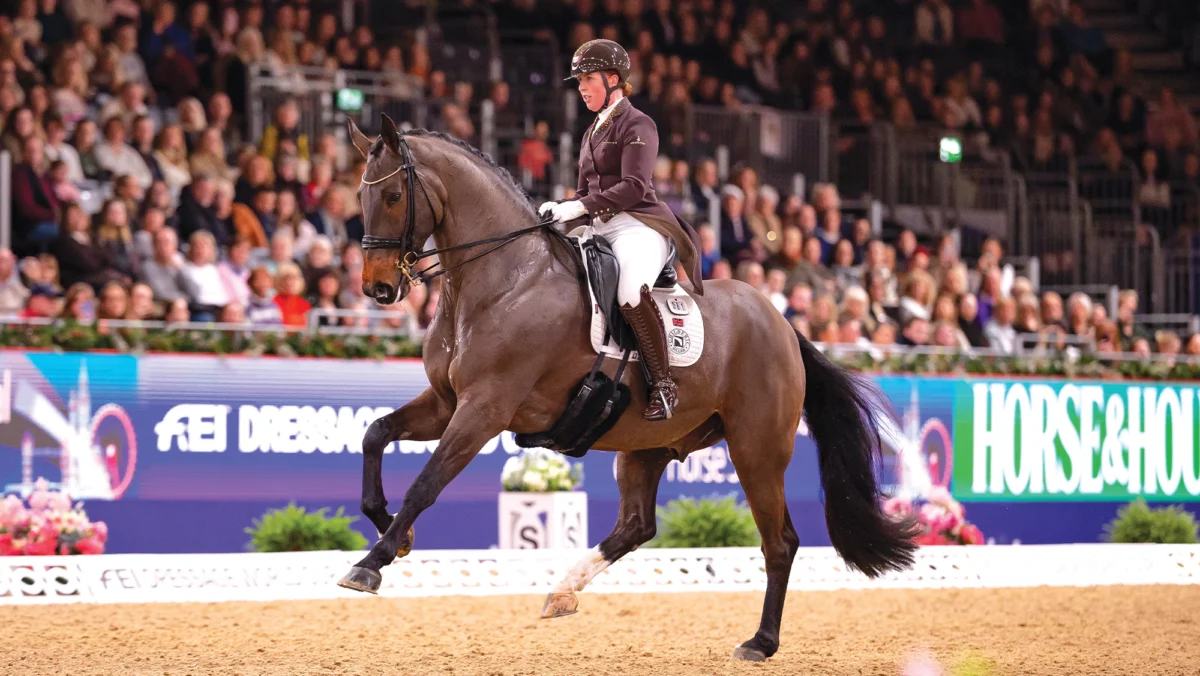
The prestigious London International Horse Show, a cornerstone of the equestrian calendar, is poised to host an exceptional display of dressage prowess in 2026, from December 16th to 21st. This year’s event promises a “bumper year for dressage,” culminating in the highly anticipated FEI World Cup™ leg, and introducing exciting new national classes designed to spotlight the emerging stars of the sport. These innovative classes will provide a platform for both seven-year-old prospects, offering a glimpse into the future of Grand Prix competition, and for established riders aged nine to eleven, showcasing their progression and refinement at a crucial developmental stage. This strategic inclusion underscores the show’s commitment to fostering and celebrating talent across all levels of dressage.
The inclusion of these new national classes is a significant development, reflecting a growing emphasis on nurturing young talent within the discipline. By providing a dedicated stage for horses and riders at these specific age brackets, the London International Horse Show is actively contributing to the development pipeline for future Grand Prix champions. This initiative not only benefits the athletes and their connections but also enriches the spectator experience, offering a unique opportunity to witness the nascent stages of elite partnerships and observe the foundational work that underpins future international success. The seven-year-old classes, in particular, will offer a fascinating insight into horses on the cusp of Grand Prix careers, while the nine-to-eleven-year-old categories will highlight horses and riders who have already demonstrated significant potential and are refining their Grand Prix qualifications.
A Legacy of Excellence: The London International Horse Show and Dressage
The London International Horse Show boasts a rich history of hosting world-class equestrian events, and its dressage competitions have consistently drawn the elite of the sport. Held annually, typically in December, the show transforms the ExCeL London into a vibrant arena for international competition across various disciplines. Dressage at the London International Horse Show has long been a highlight, attracting top riders from around the globe to compete for prestigious titles. The FEI World Cup™ leg, a key event in the Western European League, serves as a crucial qualifier for the series final and brings together Olympic medallists and World Champions.
The introduction of the new national classes in 2026 signifies an evolution in the show’s commitment to dressage development. Historically, the focus has predominantly been on international Grand Prix level competitions. However, recognizing the importance of supporting horses and riders at earlier stages of their careers, the organizers have strategically expanded the program. This move aligns with broader trends in equestrian sport, which increasingly emphasize talent identification and development from a young age. By creating a platform for younger horses and riders to gain valuable experience on a grand stage, the London International Horse Show is investing in the future sustainability and continued growth of dressage.
Unveiling Future Stars: The Significance of New National Classes
The decision to introduce classes specifically for seven-year-old horses and for those aged nine to eleven years old is a deliberate strategy to cultivate and showcase the next generation of Grand Prix prospects. For seven-year-old horses, this represents a critical period of development as they transition from young horse classes towards more advanced levels of competition. These classes will offer a glimpse into the potential of horses that are just beginning to demonstrate their aptitude for the complexities of Grand Prix dressage. Spectators will have the opportunity to witness the early stages of partnerships that could, with time and dedication, blossom into world-beating combinations.
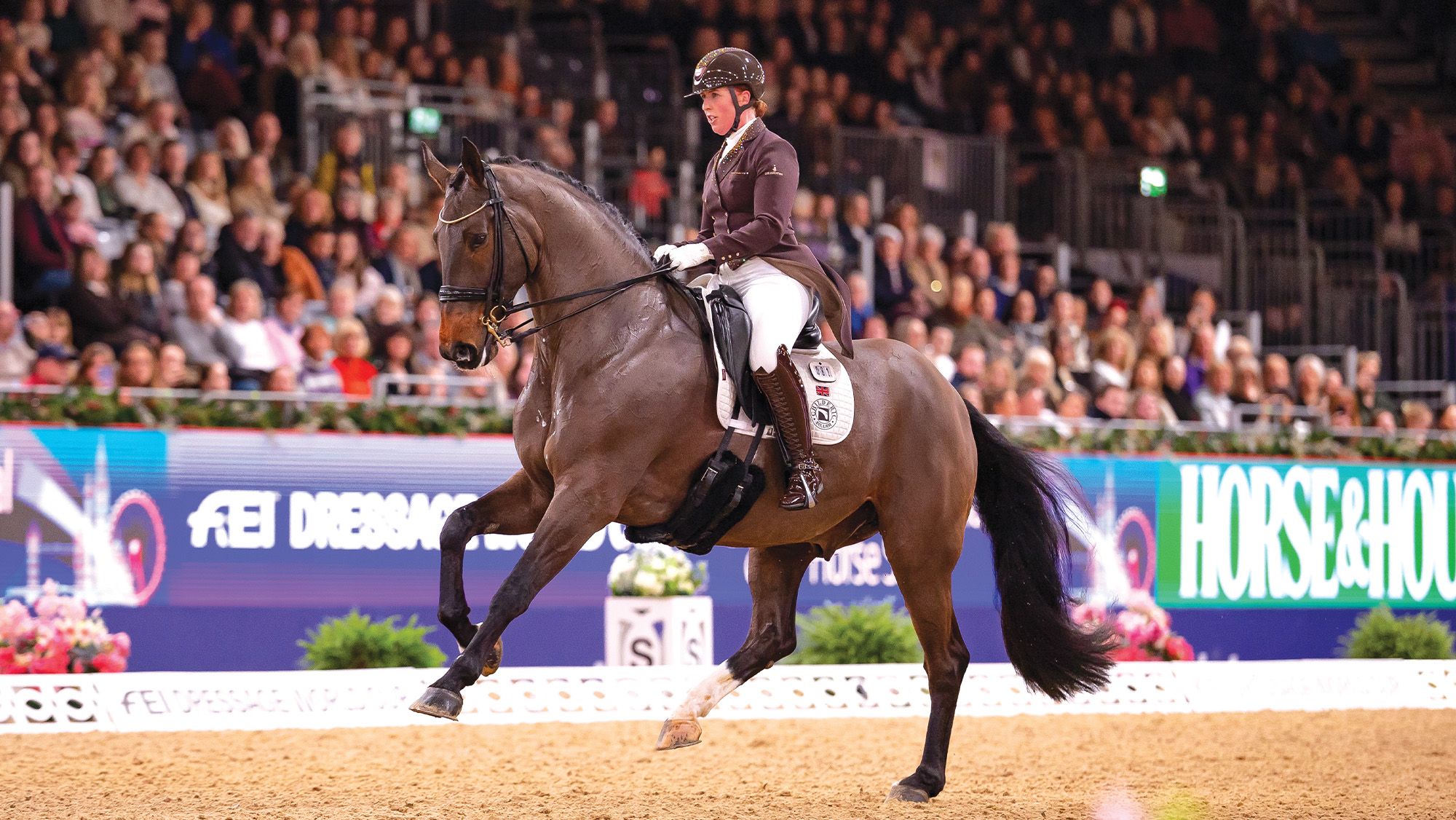
The nine-to-eleven-year-old categories will feature horses and riders who have likely already achieved a degree of success and are honing their Grand Prix skills. These classes will showcase horses that are well on their way to becoming Grand Prix contenders, demonstrating refined movements, advanced obedience, and established competitive experience. This age bracket often represents horses that are entering their prime competitive years, and observing them at the London International Horse Show provides valuable insight into the current landscape of elite dressage. The inclusion of these age-specific classes is a testament to the show’s dedication to providing a comprehensive platform that celebrates dressage talent at various stages of development, from promising youngsters to seasoned Grand Prix hopefuls.
The FEI World Cup™: A Pinnacle of Dressage Competition
The FEI World Cup™ Dressage is one of the most prestigious annual international competitions in the sport. It comprises a series of qualifying events held across different leagues worldwide, with Western Europe being one of the most competitive. Riders accumulate points throughout the season, aiming to secure a coveted spot in the World Cup Final. The leg hosted at the London International Horse Show is a key fixture in this series, attracting top-tier talent who are vying for crucial points and the opportunity to compete against the best in the world on home soil.
The FEI World Cup™ format, often featuring Freestyle to Music (Grand Prix Freestyle), demands not only exceptional technical proficiency from horse and rider but also a harmonious and captivating performance. This discipline requires intricate choreography, precise execution of movements, and the ability to convey emotion and artistry through the partnership, all set to a carefully chosen musical score. The competition at the London International Horse Show is renowned for its intensity and the high caliber of performances, making it a must-see event for dressage enthusiasts. The pressure of competing in such a prestigious series often brings out the very best in the athletes, leading to memorable and inspiring displays of equestrian artistry.
Supporting Data and Trends in Dressage Development
The global dressage market has seen significant growth in recent years, with increasing investment in young horse development and breeding programs. Statistics from equestrian federations often highlight the rising number of horses progressing through the age categories and the competitive landscape at national and international levels. For instance, the average age of horses competing at Grand Prix level has remained relatively consistent, typically between 10 and 15 years old, indicating the time and maturity required to reach the pinnacle of the sport. However, the emphasis on starting young horse development from a much earlier age, often from three and four-year-olds, has become a key strategy for producing future Grand Prix horses.
The success of initiatives like the FEI Young Breeders Series and various national young horse championships underscores the importance of structured development pathways. These programs provide breeders and trainers with opportunities to showcase their horses at an early stage, receiving valuable feedback and gaining exposure. The inclusion of classes for seven-year-olds at the London International Horse Show directly feeds into this development pipeline, offering a platform for horses that have successfully navigated the young horse circuit and are now ready for more challenging competition. Similarly, the nine-to-eleven-year-old classes cater to horses that are already establishing themselves as Grand Prix contenders, allowing them to gain crucial experience and refine their competitive edge. This strategic approach to event programming is crucial for maintaining a healthy and competitive dressage ecosystem.
Expert Perspectives and Industry Reactions (Inferred)
The introduction of these new classes is likely to be met with widespread approval from breeders, trainers, riders, and enthusiasts. A spokesperson for a prominent dressage association might comment on the initiative, stating, "We are thrilled to see the London International Horse Show taking such a proactive approach to nurturing dressage talent. Providing dedicated classes for these age groups is invaluable for the development of both horse and rider, offering them a significant opportunity to gain experience on a world-class stage. This aligns perfectly with our goals of fostering a robust and sustainable future for dressage."
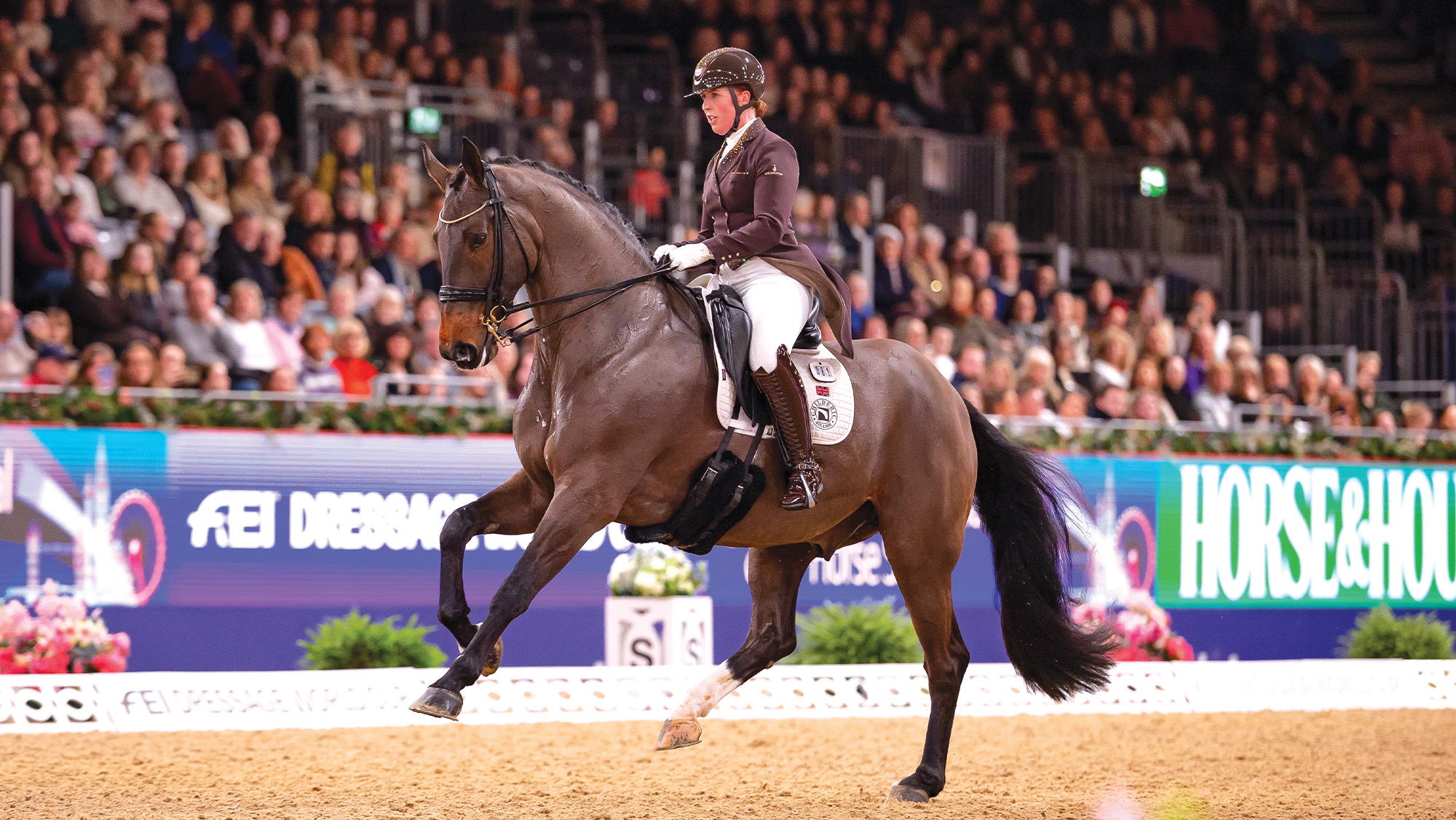
Riders who are campaigning horses in these age brackets would likely express their enthusiasm. A hypothetical quote from a leading dressage rider might read, "Competing at the London International Horse Show is a dream for any rider. Having specific classes for my seven-year-old and my experienced Grand Prix horse at this prestigious event is fantastic. It provides a clear goal for their development and a unique chance to showcase their progress to a knowledgeable audience and potential sponsors."
Breeders, too, would see the benefit. A representative from a stud farm could offer, "These classes are a vital opportunity for breeders to demonstrate the quality and potential of their breeding programs. Seeing our horses perform at such a high level in front of an international audience is incredibly rewarding and crucial for the continued investment in breeding top-quality dressage horses."
Broader Impact and Implications for the Future of Dressage
The enhanced dressage program at the 2026 London International Horse Show has several significant implications for the sport. Firstly, it reinforces the show’s position as a leading venue committed to the holistic development of dressage, not just at the elite international level, but also at the foundational and developmental stages. By providing a prestigious platform for younger horses and riders, the show contributes to the longevity and vitality of the discipline.
Secondly, these new classes are likely to attract a broader range of competitors, potentially increasing the depth and breadth of talent on display. This could lead to increased participation in dressage across the UK and Europe, as riders and breeders are motivated by the prospect of competing at such a renowned event. The exposure gained from competing at the London International Horse Show can be invaluable for the careers of both horses and riders, opening doors to sponsorship opportunities and further competitive pathways.
Furthermore, the focus on specific age groups allows for a more nuanced appreciation of equine athleticism and training methodologies. Spectators will gain a deeper understanding of the progression of a dressage horse from its early years to its Grand Prix debut, fostering greater engagement with the sport. This educational aspect can attract new audiences and deepen the understanding and appreciation of dressage among existing fans. The success of these new classes could also inspire other major equestrian events to adopt similar initiatives, creating a ripple effect that benefits the entire dressage community. The 2026 London International Horse Show is not just hosting a competition; it is actively shaping the future of dressage by investing in its rising stars and celebrating the journey of equine excellence.