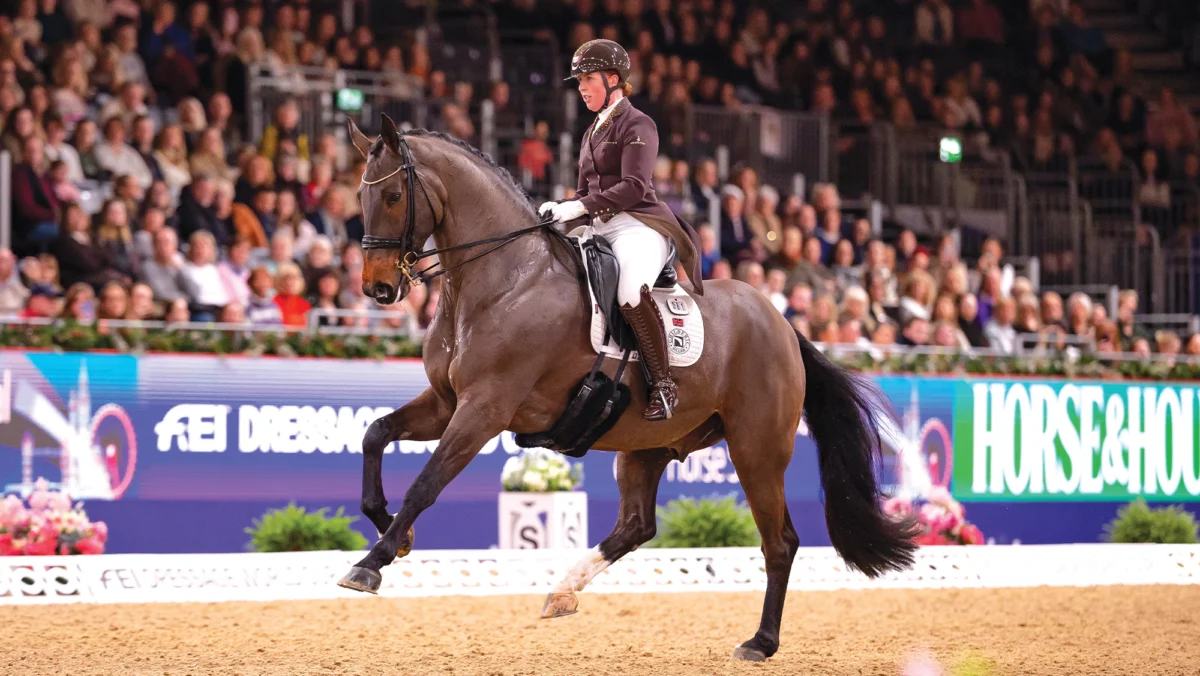
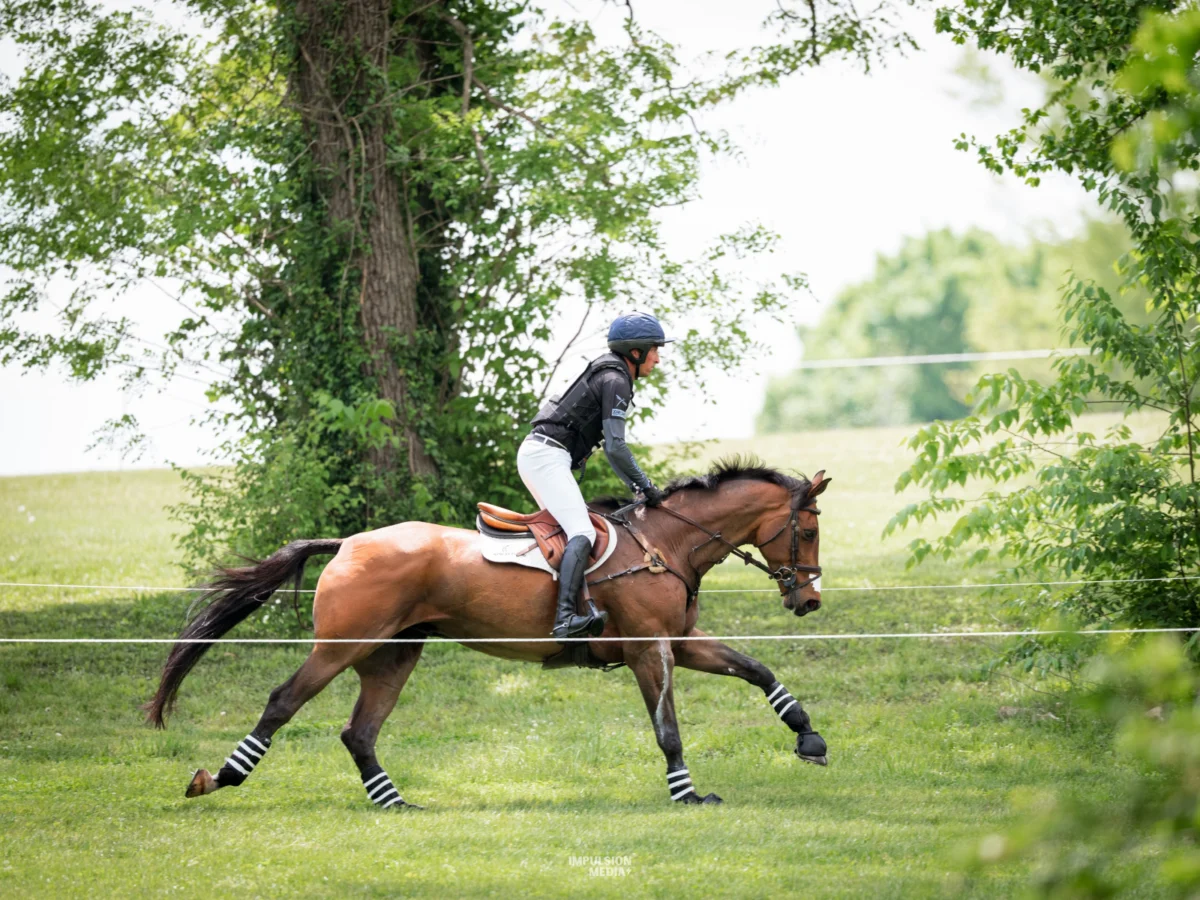
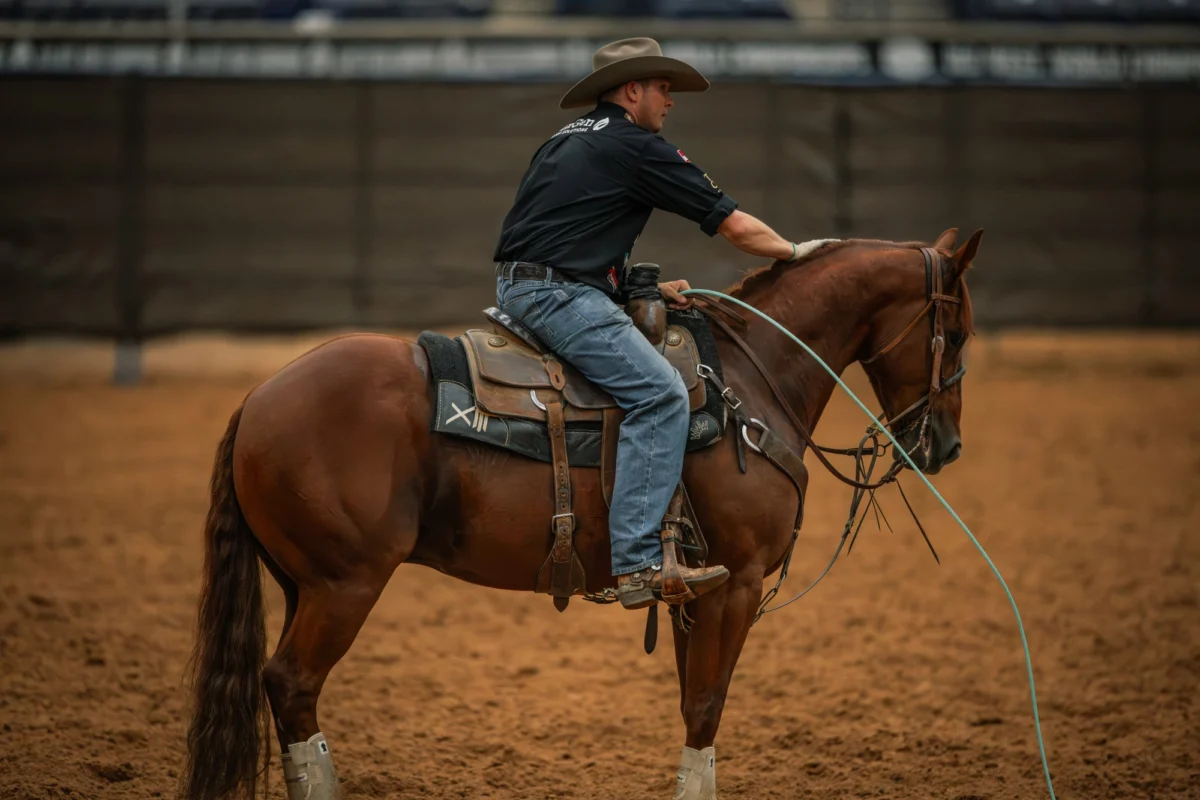
The initial moments astride a horse are not merely a preamble to the main work; they are the critical foundation upon which a successful ride is built. According to Grand Prix dressage rider and trainer Laura Ashley Killian, the objective of the warm-up, irrespective of the horse’s level of training or experience, is multifaceted. It aims to cultivate a state of focus and responsiveness in the horse, ensuring they are physically and mentally prepared for the demands that lie ahead. This preparatory phase establishes the tone and standard for the entirety of the training session. Killian emphasizes that progression to more complex or challenging exercises should only occur once the horse is demonstrably accessible and attentive to the rider’s aids. From a physiological perspective, the warm-up is designed to meticulously prepare the equine athlete’s musculature for the specific movements they will be expected to perform. The goal is to enhance suppleness, foster a deeper connection between horse and rider, and improve the horse’s ability to carry itself with increasing ease and engagement as the work intensifies.
The Dynamic Nature of the Equine Warm-Up
Killian’s philosophy underscores that there is no universally applicable warm-up protocol. Each horse is an individual, possessing unique physical and mental characteristics that necessitate a tailored approach. The effectiveness of a warm-up hinges on the rider’s profound understanding of their horse – its body, its temperament, and its current state. This deep familiarity allows the rider to interpret the subtle cues the horse is communicating, adapting the warm-up strategy accordingly. Consequently, what might constitute a complete training session for one horse could, for another, be a brief, two-minute prelude to more intensive work.
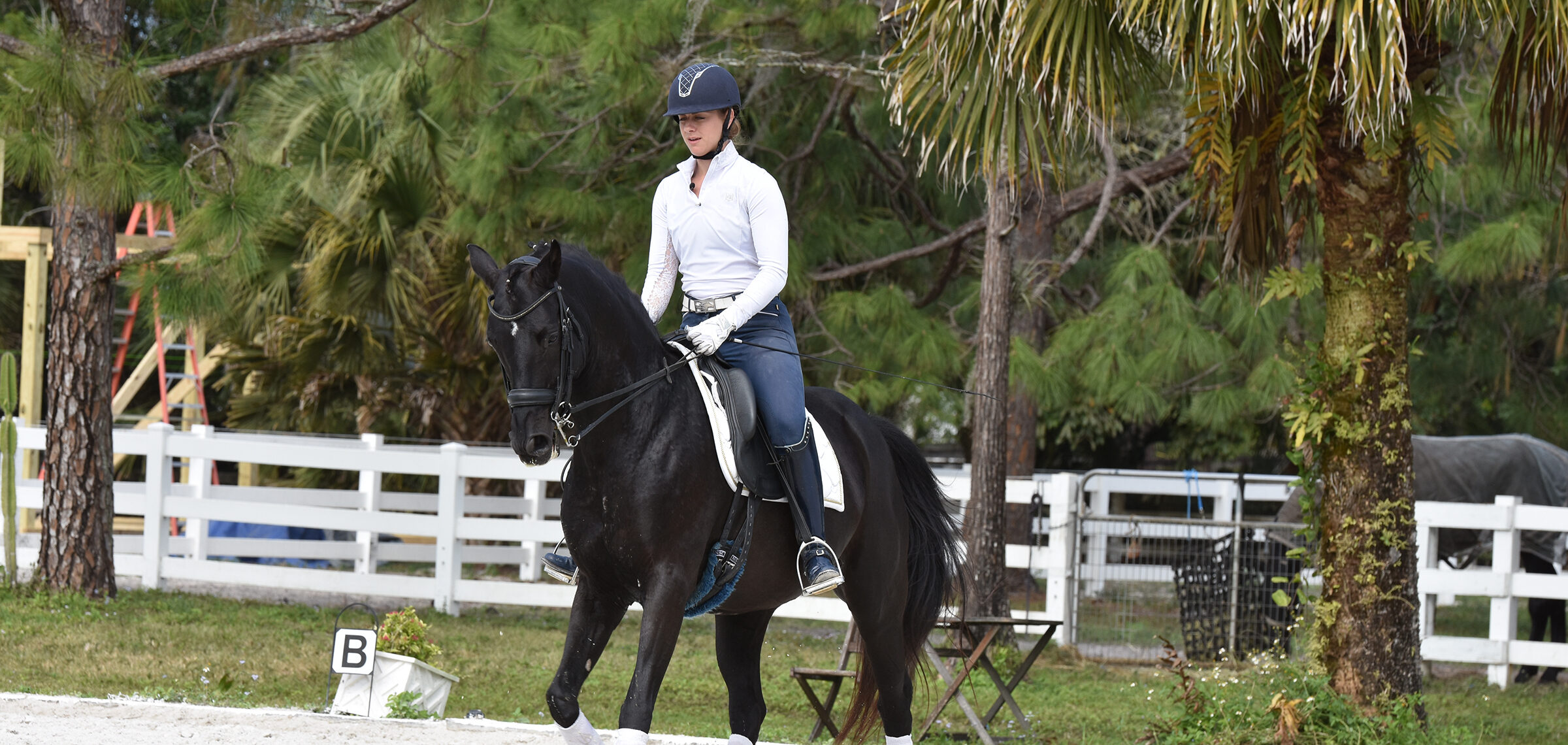
For older or stiffer horses, a more extended warm-up period is often beneficial, allowing ample time for their bodies to loosen and become more pliable. Conversely, some horses may require a more structured and directive approach from the outset. Killian notes that initiating canter work in both directions relatively early in the warm-up can be advantageous for certain horses. The canter, with its inherent undulating motion through the horse’s back, can be more effective in promoting suppleness than the trot. However, even when cantering early, Killian stresses the importance of sufficient walking time to facilitate initial body movement, followed by a brief trot to assess the horse’s overall condition before progressing.
The horse’s mental state, fitness level, age, and existing level of education all significantly influence the optimal warm-up strategy. A horse at the Training Level, for instance, will typically require a less complex warm-up than an upper-level competitor, who possesses greater strength and a more developed capacity for strenuous work. The overarching principle is not to adhere to a rigid checklist of exercises, but rather to discern precisely what the individual horse needs to be optimally prepared for the training session.
Establishing the Standard from the First Interaction
Every interaction with a horse, from the moment the rider approaches to the initial steps taken under saddle, holds significance. Killian places considerable emphasis on the horse’s response to aids even before the formal warm-up commences. On the ground, a horse that is asked to stand should do so calmly and attentively, awaiting the rider’s cue to move forward. The concept of "whoa" must be unequivocally understood as a command to halt. Similarly, upon mounting, the horse’s forward movement in response to the leg aid should be prompt and willing. If a horse is hesitant or unresponsive, Killian advocates for clarifying the aid until the desired reaction is achieved, after which the rider should immediately revert to the subtlest possible cue.
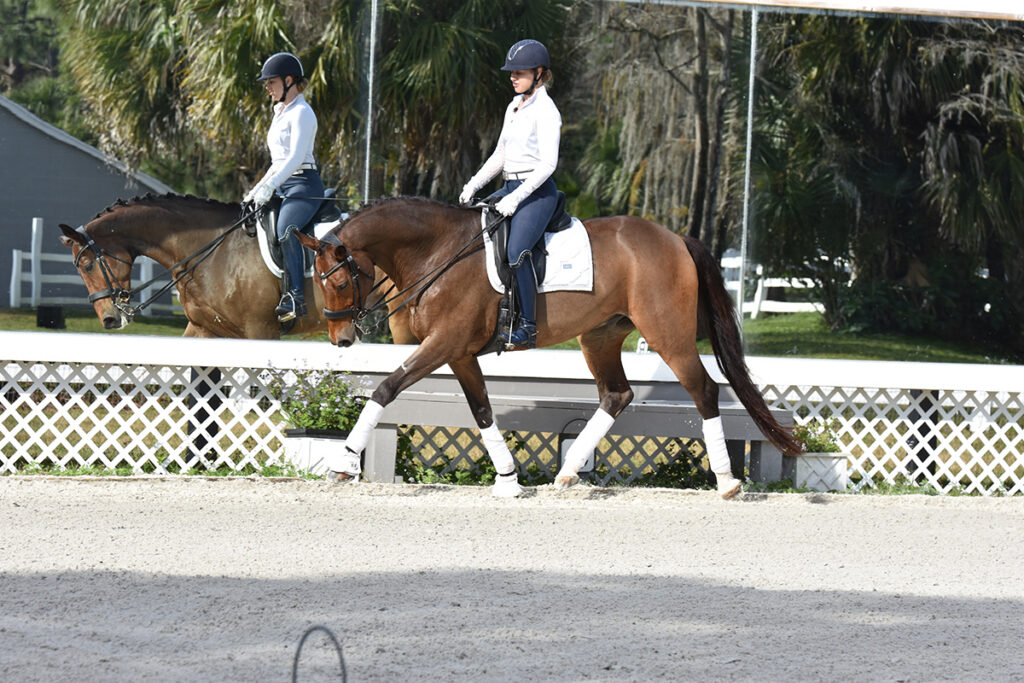
Killian articulates a progressive scale for escalating aids, a system designed to ensure clarity and efficacy without resorting to brute force or excessive emotion. This hierarchy begins with the most refined cue, often involving the rider’s seat bones. If this subtle request for forward movement is not met, the next step involves incorporating the calf. Should further clarification be necessary, the ankle or heel is introduced. In instances where the horse remains unresponsive, the aid may be reinforced with the spur or a whip, not to punish, but to ensure the cue is unmistakably understood. The ultimate objective is not to overwhelm the horse with increasingly forceful aids, but to achieve a clear response and then promptly return to the gentlest form of communication.
Crucially, the rider must also command the horse’s full attention. While it is natural for horses to acknowledge their surroundings, they should not become so distracted that they disengage from the rider’s cues or tune out the work at hand. By establishing early on that the rider’s aids are meaningful and require a response, the rider significantly enhances the likelihood of securing the horse’s focus when more demanding requests are made.
Cultivating Forward Movement, Connection, and Attention
The walk, often perceived as a passive gait, is in fact a rich source of diagnostic information for the discerning rider. Killian seeks an active, purposeful walk, where the horse engages its body rather than merely ambling with a hollow back and a stretched neck. The rider’s role is to encourage the horse to round its back and seek connection, thereby engaging its topline musculature. This requires the rider to maintain a tall, balanced posture, with a seat that fluidly follows the horse’s motion without driving each stride. The rider’s elbows should remain soft, allowing them to follow the natural movement of the horse’s neck as it extends forward and down. Rigid arms, Killian observes, invariably lead to a rigid contact, whereas an elastic connection permits the horse to move into the reins without feeling held captive.
Lateral Work: A Diagnostic Tool for Suppleness and Responsiveness
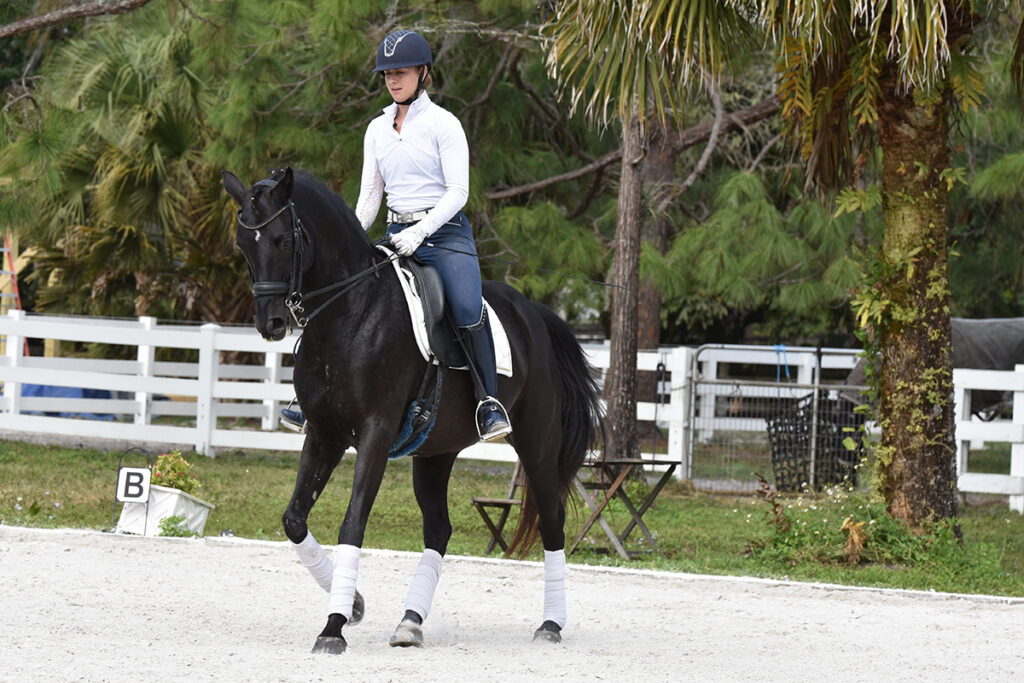
Once a forward and connected walk has been established, Killian frequently employs lateral work exercises as a means of assessing the horse’s responsiveness to aids in varied directions. This can encompass leg-yield, head-to-wall leg-yield, shoulder-in, and haunches-in. These movements provide invaluable insights into areas of the horse’s body that are supple, those that are stiff, and the rider’s capacity to influence different body parts. The rider’s leg aid, for instance, does not solely signify forward propulsion; it can also be used to elicit sideways movement of the entire body, or specific engagement of the hindquarters, barrel, or shoulders. The goal is often to encourage a quicker reaction from the hind legs.
The sequencing of these exercises can vary. Some horses may benefit from cantering before significant lateral work is introduced at the walk. However, Killian maintains the flexibility to return to the walk at any point to clarify an aid or simplify a request. For example, if a horse appears confused or makes errors during a canter pirouette, the rider might revert to a walk pirouette to clearly demonstrate the desired footfall pattern and bend, before attempting the canter again once the horse has grasped the concept.
The application of lateral movements requires the rider to issue a clear aid and then allow the horse to maintain the requested movement without constant prodding or holding. If the rider finds themselves perpetually driving, hugging, or holding each stride, the exercise ceases to be beneficial for either party. For more advanced horses, Killian enjoys linking lateral movements together, creating a fluid sequence of requests for hindquarters-in, shoulders-in, rotation, or sideways movement. This dynamic approach allows the rider to identify areas where the horse feels restricted or "stuck," pinpointing where further gymnastic development is required.
The Serpentine: A Comprehensive Assessment Tool
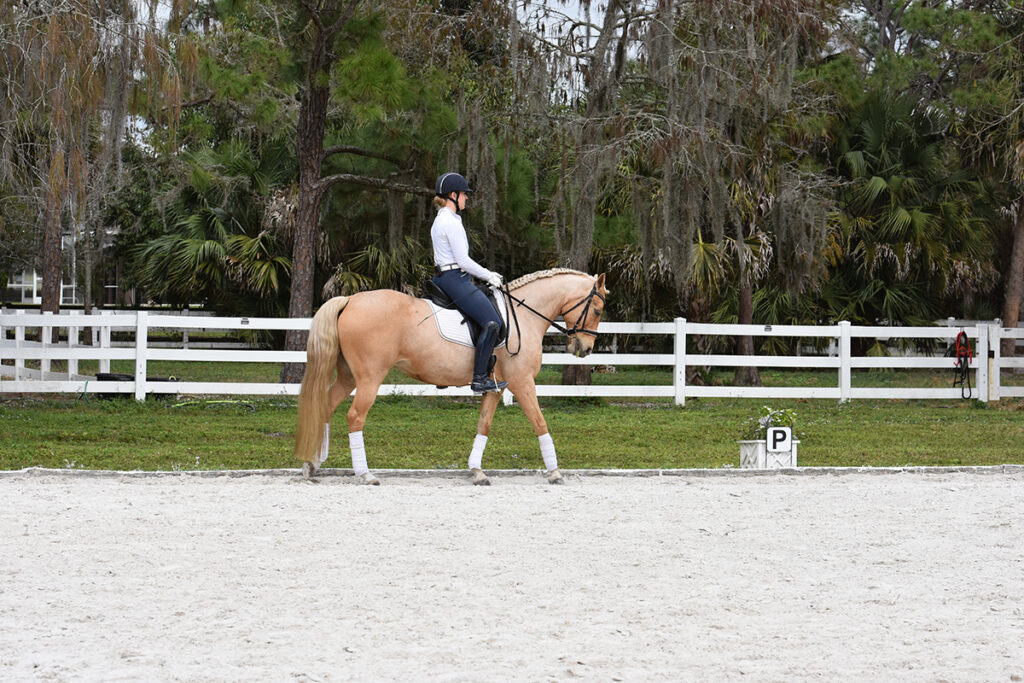
The three-loop serpentine stands out as a particularly favored exercise for Killian. Its structure provides a wealth of information regarding the horse’s suppleness and engagement on both sides of its body. This exercise is also highly effective for lower-level horses, as it can reveal many of the same biomechanical issues that are elucidated by more advanced lateral work. Each loop of the serpentine can be conceptualized as a half-circle, punctuated by a moment of straightness across the centerline. The rider then changes the bend as they transition into the new direction. This allows the rider to feel how willingly the horse bends around the inside leg, how straight it remains on the centerline, and whether one direction is demonstrably easier than the other.
Furthermore, the serpentine is instrumental in assessing balance. The rider can discern if the horse is leaning onto its inside shoulder, drifting off its intended line, or experiencing difficulty in smoothly changing its bend from one side to the other. The exercise can be enhanced with transitions. For instance, the rider might choose to walk or halt upon crossing the centerline, and then practice the same walk-halt transition while on the bend. The number of loops can also be increased to test the horse’s accuracy and the rider’s precision. This exercise, therefore, can be adapted to remain simple or become increasingly challenging, depending on the specific needs of the horse.
Transitions: The Ultimate Test of Connection and Responsiveness
Transitions, both within a gait and between gaits, serve as a crucial method for evaluating the horse’s genuine responsiveness to the rider’s aids. When transitioning from a walk to a trot, Killian seeks a clear, immediate reaction to the leg aid. Upon returning to the walk, it is imperative to maintain the same level of energy and forward intention that was present in the trot. Killian likens downward transitions not to braking, but to changing gears, emphasizing that the forward momentum and energy must be preserved. The horse should continue to move forward through the transition, avoiding abruptness, loss of impulsion, or stalling.
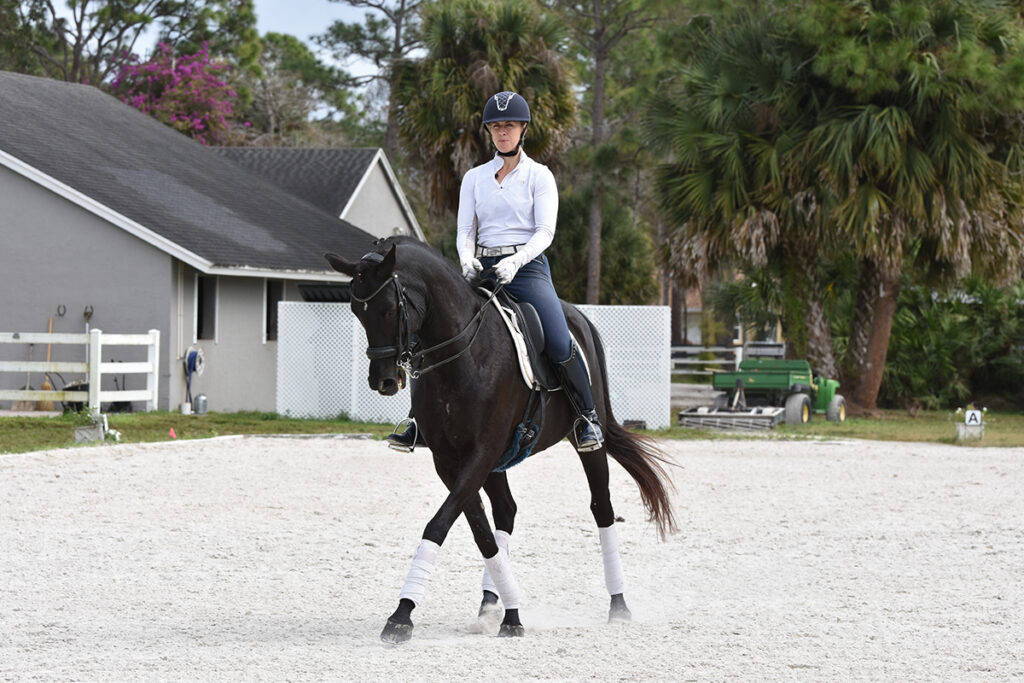
This principle extends to transitions within a gait. A horse might be asked to move from a larger working trot to a more collected trot, and then back to a working trot. When a horse is more "sitting" in the trot, it is actively pushing into the ground, flexing the joints of its hind end, and carrying more weight behind. This is physically demanding, and therefore, the ability to execute both extremes of the trot is essential. The horse must be capable of moving forward when requested, and equally capable of coming back, sitting, and collecting without sacrificing rhythm or connection.
Preparing for the Canter and Advanced Collection
In the canter, the rider’s primary role is to support the horse through maintaining a straight, aligned, and balanced posture. A gentle pressure from the calf encourages the hind legs to reach further underneath the body, while the shoulders are encouraged to remain aligned. If the horse appears strung out or disconnected, a deeper seat and a more encompassing calf aid may be employed until the horse re-establishes connection with the rider’s hand. From this point of connection, subtle adjustments in flexion, straightness, or responsiveness to the leg can be made, all while preserving the fundamental quality of the canter. The rhythm must remain steady and consistent, akin to a metronome. Regardless of the specific request, the underlying quality of the gait should never be compromised.
Adapting the Plan: The Warm-Up as the Main Event
Killian reiterates that in certain instances, the entire training session may be dedicated to what was initially conceived as the warm-up, and this is entirely acceptable and productive. Training often involves unforeseen detours. A rider might plan to work on canter zigzags, only to observe during the warm-up that the horse is not adequately responding to a specific leg aid. Rather than rigidly adhering to the original plan, it may be more beneficial to dedicate the remainder of the ride to leg-yields at the walk. This focused work on a foundational element will ultimately contribute to the horse’s ability to execute the canter zigzag more effectively on a future occasion.
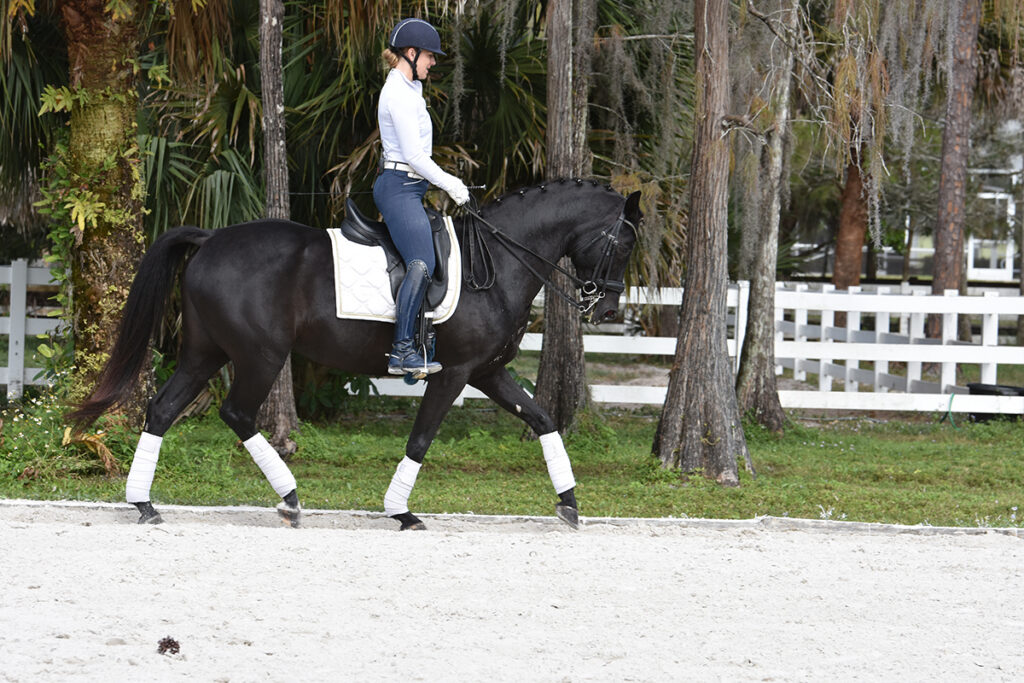
The warm-up should not be perceived as a perfunctory phase to be rushed through before the "real" work begins. Instead, it is the period during which the rider gains crucial insights into what the "real" work truly needs to be. Sometimes, the warm-up itself constitutes the entire training session. The process is allowed to unfold organically, taking as long as necessary, and a return to fundamental principles is always a valuable endeavor. These foundational elements are precisely what enable the horse to perform more complex dressage movements with greater ease and to present a more aesthetically pleasing performance.
About Laura Ashley Killian
Laura Ashley Killian is a distinguished figure in the world of Grand Prix dressage, holding USDF gold, silver, and bronze medals, along with freestyle bars at the silver and bronze levels. Beyond her competitive achievements, Killian is a USDF Certified Trainer/Instructor through Fourth Level and a graduate of the USDF "L" Judging Program. She dedicates her expertise to teaching and training year-round from her base in Loxahatchee, Florida, contributing significantly to the development of dressage riders and horses.
For further insights and training resources, Dressage Today+ members can access exclusive training videos with Laura Ashley Killian. For those interested in expanding their knowledge and skills in dressage, membership with Dressage Today+ offers a comprehensive platform of educational content. Additional articles featuring Killian’s expertise are also available for those seeking to deepen their understanding of classical dressage principles and training techniques.