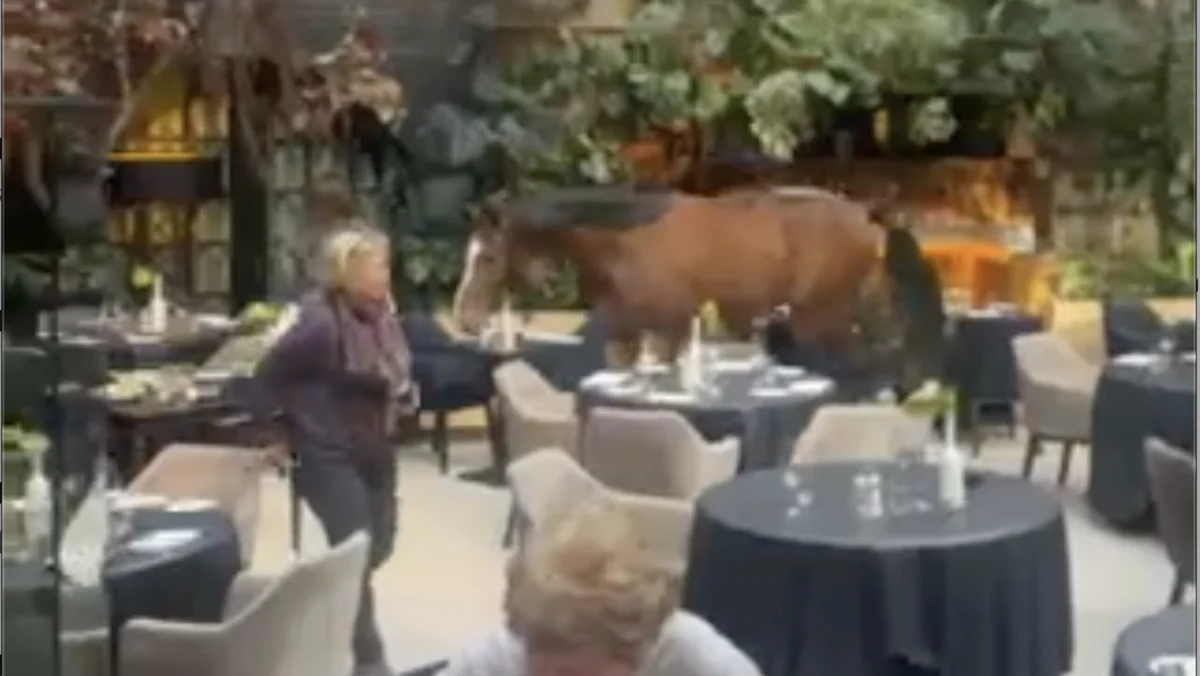
A new, concerted campaign is intensifying calls for a comprehensive, UK-wide prohibition on the private sale and use of fireworks, as charities and animal welfare advocates eagerly anticipate the findings of the Government’s recent public consultation on the contentious issue. The initiative reflects a growing consensus among various organisations that the current regulatory framework is insufficient to protect animals, vulnerable individuals, and the environment from the adverse impacts of domestic pyrotechnic displays. Leading the charge, the Scottish SPCA has unequivocally stated that horses and other animals "should not have to suffer as a consequence of celebration," advocating for fireworks to be exclusively confined to professionally organised and rigorously controlled public displays across the entire United Kingdom. This push for stricter controls is not new, but it has gained significant momentum, propelled by years of anecdotal evidence, veterinary reports, and widespread public concern over the unpredictable and often distressing nature of private firework usage.
The Pervasive Impact on Animal Welfare
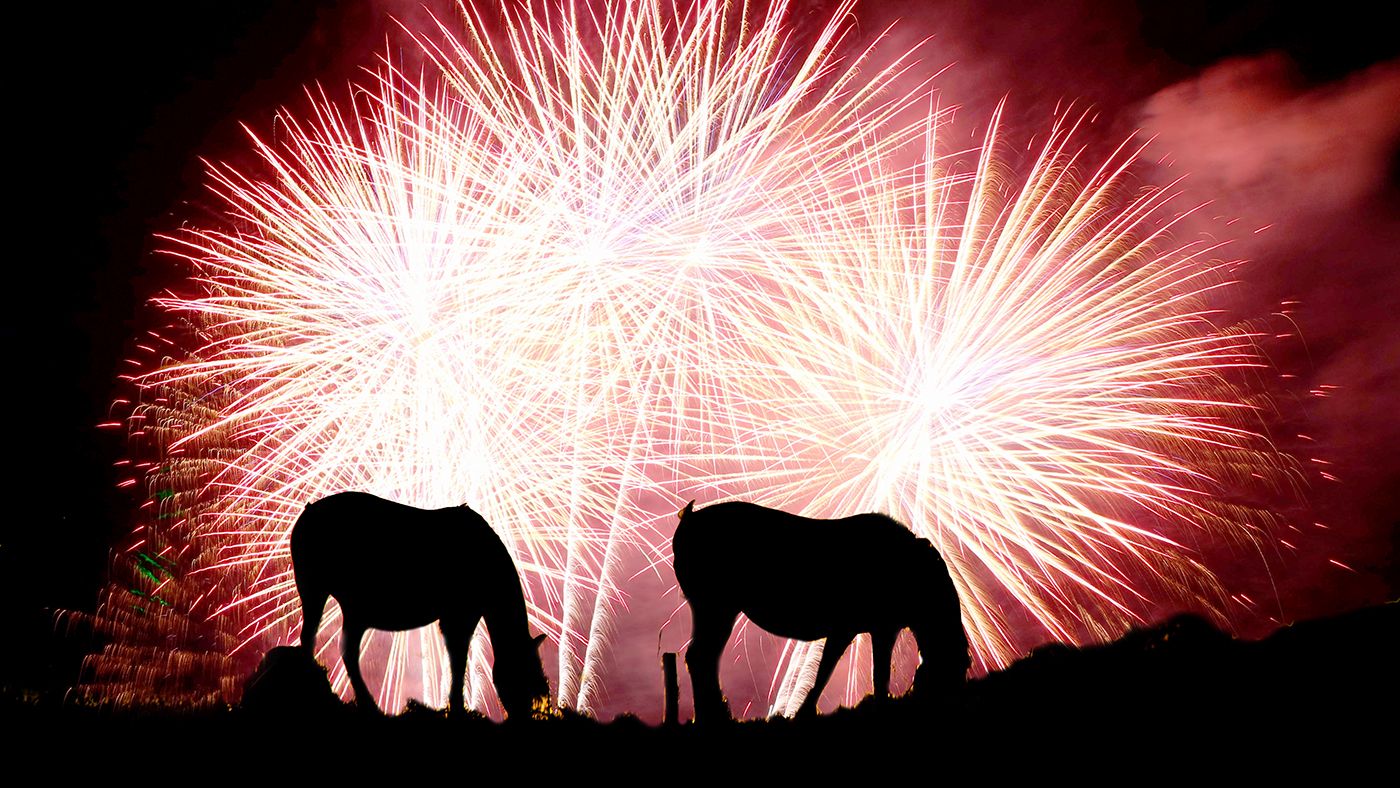
The core of the argument for a ban on private fireworks centres on the profound and often devastating effects they have on animal welfare. Horses, known for their sensitive hearing and innate flight response, are particularly susceptible to severe distress. The sudden, loud, and unpredictable explosions of fireworks can trigger extreme panic, leading to dangerous and sometimes fatal incidents. Horses may bolt from their fields, run into fences, injure themselves in stables, or even suffer cardiac events due to acute stress. Owners frequently report finding their animals trembling, sweating, or exhibiting signs of severe anxiety for hours after nearby firework displays. The problem is exacerbated by the fact that private firework use can occur at any time, not just on traditional celebratory nights, making it impossible for owners to adequately prepare or safeguard their animals.
Beyond horses, a vast array of other animals are similarly affected. Domestic pets, including dogs and cats, are highly susceptible to noise phobia, with many exhibiting symptoms such as incessant barking, destructive behaviour, attempts to escape, hiding, or even aggression during firework events. Veterinary clinics often report a surge in emergency consultations related to firework-induced trauma during peak periods like Bonfire Night and New Year’s Eve. Livestock, including sheep, cattle, and poultry, can also experience significant stress, leading to stampedes, injuries, and reduced productivity. Wildlife, from birds nesting in trees to small mammals foraging on the ground, are equally vulnerable, with sudden loud noises causing disorientation, abandonment of nests, and heightened risk of collision or predation. The cumulative effect of widespread, unregulated private firework use creates an environment of fear and anxiety for countless creatures, fundamentally compromising their welfare.
Current Regulations and Their Limitations
Under existing UK law, the sale and use of fireworks are subject to certain restrictions, but these are widely considered inadequate by campaigners. It is illegal for anyone under 18 to buy fireworks, and it is an offence to set off fireworks between 11 PM and 7 AM, with extended hours for specific events like Bonfire Night (midnight), New Year’s Eve, Diwali, and Chinese New Year (1 AM). Category F2 and F3 fireworks (consumer fireworks) must meet British Standards and are primarily designed for private garden use. However, these regulations primarily address safety for human users and noise limits in a general sense, rather than specifically mitigating the impact on animals or vulnerable individuals.
The fundamental flaw, according to advocates for a ban, lies in the continued legality of private sales. This permits individuals to purchase fireworks from supermarkets and licensed retailers, leading to widespread, uncoordinated displays that are impossible to control or predict. The lack of designated "safe zones" or mandatory public notification requirements means that animal owners and those with specific sensitivities are often caught unaware, unable to take preventative measures. Campaigners argue that while professional displays are typically well-managed, held in open spaces, and often publicised in advance, the sheer volume and unpredictable nature of private firework use create an unmanageable public nuisance and a significant welfare crisis for animals.
The Government Consultation and its Precursors
The current public consultation, the results of which are eagerly awaited, represents a critical juncture in the long-standing debate over firework regulation. The UK government, spurred by persistent lobbying from animal welfare organisations, charities, and concerned citizens, launched this consultation to gather public opinion on potential changes to existing laws. This is not the first time such an exercise has been undertaken. Over the past two decades, various petitions, parliamentary debates, and public campaigns have consistently highlighted the need for reform. Previous consultations have explored options ranging from stricter licensing for sellers to outright bans on certain types of fireworks, but substantive changes have remained elusive.
The latest consultation likely sought views on several key areas: the impact of fireworks on animal welfare, the mental health of individuals (particularly veterans suffering from PTSD, autistic individuals, and those with sensory sensitivities), anti-social behaviour linked to firework misuse, and environmental pollution. The broad scope indicates a recognition by the government that the issue extends beyond simple noise complaints to encompass significant public health, safety, and welfare concerns. The outcome of this consultation is expected to inform future legislative decisions, potentially paving the way for more stringent controls or, as campaigners hope, a complete shift towards professional-only displays.
A Chronology of Advocacy and Calls for Change
The campaign for stricter firework controls has a long and persistent history in the UK. For decades, animal welfare charities, including the RSPCA, Dogs Trust, and the British Horse Society, have consistently highlighted the distress caused to animals.
- Early 2000s: Initial widespread public awareness campaigns begin, focusing on advising pet owners on how to keep animals safe during firework season. Calls for noise limits on consumer fireworks emerge.
- Mid-2000s: The Fireworks Act 2003 and the Fireworks Regulations 2004 introduce some restrictions, such as banning the sale of fireworks to under-18s and setting curfews, but do not address private use directly or extensively.
- 2010s: Momentum builds significantly. Online petitions garner hundreds of thousands of signatures, pushing for parliamentary debates. Charities intensify their lobbying efforts, providing detailed evidence of animal suffering. Veterinary associations begin to collate and publish data on firework-related incidents.
- 2018-2019: Several high-profile incidents involving horses bolting or sustaining severe injuries due to fireworks galvanise public opinion. The Scottish government initiates its own review, eventually leading to the Fireworks and Pyrotechnic Articles (Scotland) Act 2022, which introduced a licensing system for private use and restricted sale quantities. This regional action further fuels calls for a UK-wide approach.
- 2020-2023: The COVID-19 lockdowns, paradoxically, highlighted the issue as some areas experienced quieter Bonfire Nights, leading to calls to maintain the peace. Subsequently, as restrictions eased, firework use seemed to rebound, reigniting calls for action. The UK government launches its most recent public consultation, indicating a serious consideration of the arguments for reform.
This timeline underscores a sustained, multi-faceted effort by a diverse coalition of organisations and individuals to bring about meaningful change in firework legislation, demonstrating that the current campaign is the culmination of years of dedicated advocacy.
Supporting Data and Expert Consensus
While specific, granular UK-wide statistics on firework-related animal incidents can be challenging to compile comprehensively, the anecdotal evidence and veterinary reports are overwhelming. Animal welfare charities consistently report a significant spike in calls to their helplines during firework periods. For instance, the RSPCA typically receives hundreds of calls about firework-related animal distress around Bonfire Night alone. A survey conducted by the RSPCA found that 62% of dogs show signs of distress during fireworks, with 54% of cats and 55% of horses exhibiting similar reactions. The British Veterinary Association (BVA) routinely highlights the severe welfare implications, advocating for responsible use and greater public awareness, and increasingly, for a ban on private sales. Their members report a range of incidents from mild anxiety requiring sedation to severe injuries, road traffic accidents involving spooked animals, and even fatalities.
Beyond animals, the human toll is also significant. Emergency services, particularly the fire service, see a spike in call-outs for firework-related incidents, ranging from uncontrolled bonfires to property damage. Hospitals report numerous injuries, often sustained by children or young adults, from misuse or faulty fireworks. The noise pollution impacts communities, affecting sleep, peace, and quiet enjoyment of homes. Furthermore, a growing body of evidence points to the detrimental effects on individuals with conditions such as Post-Traumatic Stress Disorder (PTSD), autism spectrum disorder, and sensory processing sensitivities, for whom sudden, loud, and unpredictable noises can be deeply disturbing and trigger severe anxiety attacks or sensory overload. Public opinion polls have consistently shown a significant proportion of the UK population supporting stricter firework controls, with many favouring a ban on private sales. A 2019 YouGov poll, for example, found that 70% of Britons thought fireworks should only be permitted at organised events.
Official Responses and Stakeholder Views
The debate around firework regulation involves a complex interplay of various stakeholders, each with distinct perspectives.
- Government: The UK government faces the challenge of balancing public safety, animal welfare, and individual liberties with traditional celebrations. While acknowledging the concerns, any legislative change requires careful consideration of economic impacts, enforcement practicalities, and public sentiment. The ongoing consultation is a testament to the government’s recognition of the issue’s importance.
- Animal Welfare Organisations (e.g., Scottish SPCA, RSPCA, Dogs Trust, British Horse Society): These groups are united in their call for a ban on private firework sales, arguing that the suffering caused to animals is unacceptable and largely preventable. They advocate for a shift towards community-organised displays, which can be managed for safety and announced in advance, allowing animal owners to prepare.
- Veterinary Professionals (e.g., British Veterinary Association): The veterinary community consistently provides clinical evidence of animal distress and injury, offering professional expertise on the physiological and psychological impacts of fireworks. They strongly support measures that reduce animal suffering.
- Firework Industry: Representatives of the firework industry often argue against a blanket ban, emphasising the economic impact on retailers and manufacturers. They typically advocate for responsible use, public education campaigns, and stricter enforcement of existing laws rather than outright prohibition. They also highlight the cultural significance of fireworks for various celebrations.
- Organisations for Vulnerable Individuals (e.g., charities supporting veterans, autistic individuals): These groups increasingly voice concerns about the severe impact of fireworks on their constituents, advocating for quieter alternatives or restricted use to protect vulnerable members of society.
- General Public: Public opinion is divided, though surveys indicate a growing inclination towards stricter controls. While many enjoy fireworks as part of celebrations, there is increasing empathy for affected animals and a desire for greater community peace.
Broader Impact and Implications of a Potential Ban
Should the UK government opt for a ban on the private sale and use of fireworks, the implications would be far-reaching across several domains.
- Animal Welfare: This would be the most immediate and significant positive impact, leading to a dramatic reduction in firework-related stress, injuries, and fatalities for domestic animals, livestock, and wildlife. Owners would experience less anxiety during traditional celebration periods, and animals would enjoy greater peace.
- Public Safety and Health: A ban could lead to a decrease in firework-related injuries and accidental fires, easing the burden on emergency services. It would also contribute to better air quality by reducing particulate matter emissions from private fireworks. Furthermore, the mental well-being of vulnerable individuals would be significantly improved by the reduction of unexpected loud noises.
- Environmental Impact: Beyond air quality, a ban would reduce litter from spent fireworks and the chemical residues that can contaminate soil and water systems.
- Social Cohesion: While some might lament the loss of private displays, a shift to professionally organised events could foster greater community spirit, with safer, more spectacular, and predictable displays that everyone can enjoy without the associated anxieties. It could also reduce instances of anti-social behaviour linked to firework misuse.
- Economic Considerations: The firework retail industry would face significant disruption, potentially leading to job losses and business closures for sellers of consumer fireworks. However, there might be an increase in demand for professional display services, potentially offsetting some of the economic impact.
- Enforcement Challenges: Implementing and enforcing a ban on private use would require robust mechanisms. This could involve stricter border controls to prevent illegal imports and increased police patrols during peak periods to deter illicit firework use. Public education campaigns would also be crucial to ensure compliance and shift cultural norms.
- Cultural Shift: Such a ban would represent a significant cultural shift in how celebrations are observed, moving away from individual, unregulated displays towards more communal and controlled events. This would necessitate a period of adjustment for the public, but many argue it is a necessary evolution for a more compassionate and considerate society.
In conclusion, the renewed campaign for a UK-wide ban on private fireworks is a culmination of years of advocacy, supported by compelling evidence of animal suffering, public safety concerns, and the distress caused to vulnerable individuals. The awaited results of the government’s public consultation are poised to be a pivotal moment, potentially ushering in a new era of firework regulation that prioritises welfare and safety over unrestricted private use, aligning the UK with a growing international trend towards more responsible and considerate celebratory practices. The debate underscores a fundamental societal question: how can traditional celebrations be enjoyed without causing undue harm to others, human or animal?