Published Wednesday, October 7, 2026
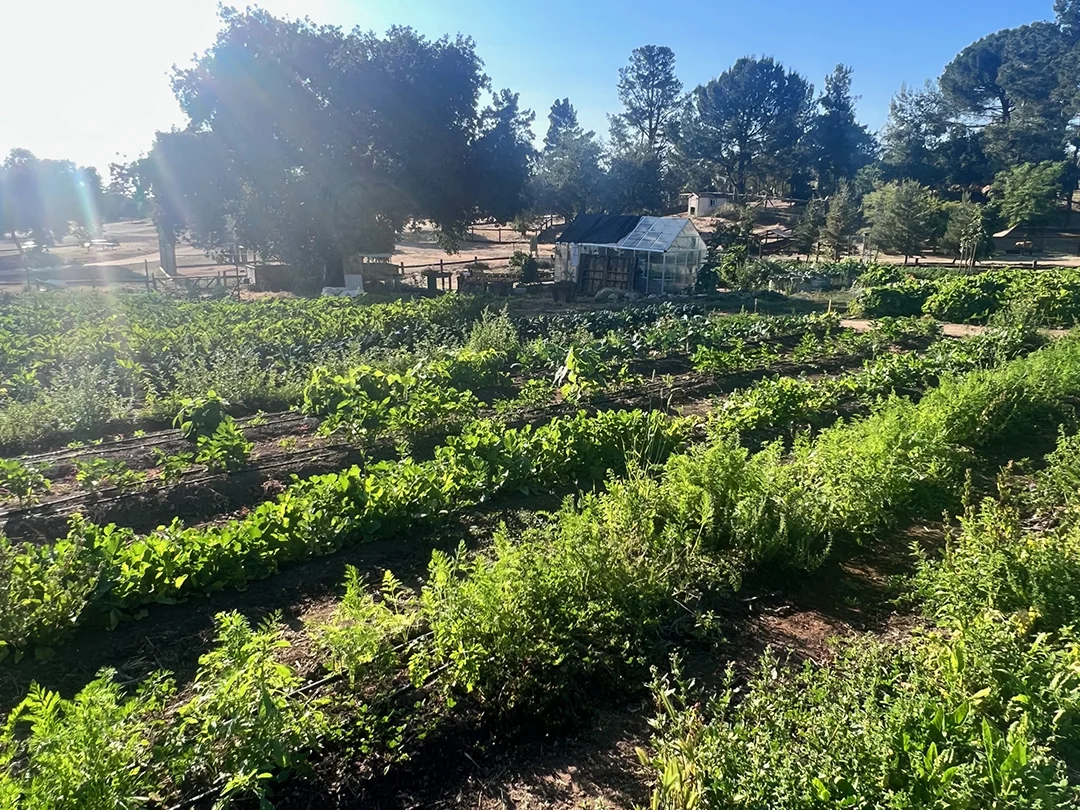
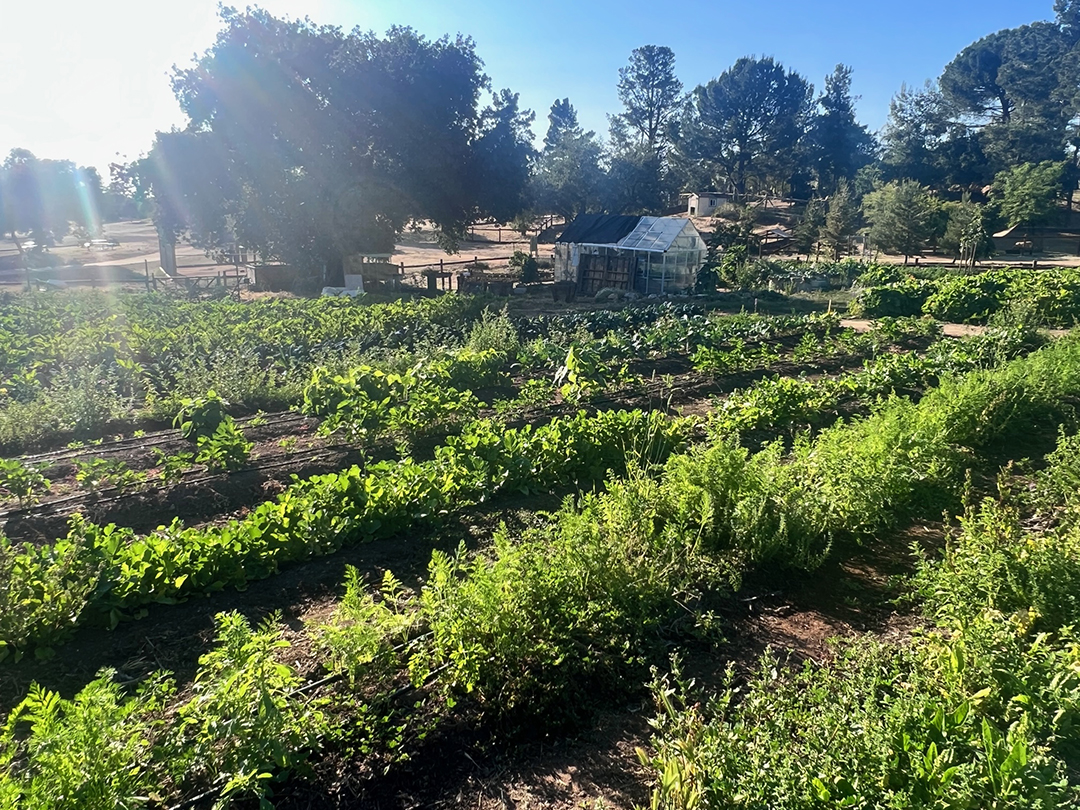
Alpine Acres Sanctuary Farm, a beacon of sustainable agriculture and compassionate animal welfare, is currently celebrating an exceptionally vibrant and abundant fall harvest from its three-acre biological gardens. Nestled in a region increasingly attuned to ethical food sourcing and environmental stewardship, the farm continues its mission of cultivating a diverse array of fruits, vegetables, and herbs year-round, all meticulously grown without the use of synthetic chemicals or harmful pesticides. This season, the gardens are a particular spectacle of color and texture, highlighted by an impressive collection of edible pumpkins, showcasing a kaleidoscope of shapes, sizes, and heirloom varieties. Among the stars of the pumpkin patch are the elegant Cinderella, the deeply ribbed Musquee de Provence, the uniquely warty Galeux d’Esynes, the flattened Long Island Cheese, the vibrant Red Kuri, the distinctive Jarrahdale, and the robust Gusto de Horno. Beyond the festive gourds, the seasonal bounty extends to crisp peppers, sweet corn, nutrient-rich Swiss chard, earthy beets, refreshing cucumbers, various types of squash, tender broccolini, juicy tomatoes, versatile zucchini, and a wide selection of fresh culinary herbs. The farm’s highly sought-after lettuces, a consistent favorite among local patrons, have also made their much-anticipated return. This fresh, chemical-free produce is readily available at the farm’s convenient on-site Farm Stand, where every purchase directly contributes to the vital care and well-being of Alpine Acres’ nearly 200 rescued animals – many of whom, in a heartwarming testament to the farm’s integrated ecosystem, also enjoy a share of the garden’s nutritious offerings. The farm’s commitment to both ecological health and animal compassion underscores a holistic approach to sustainable living.
A Sanctuary Rooted in Dual Purpose: Animal Welfare and Regenerative Agriculture
Alpine Acres Sanctuary Farm represents a powerful synthesis of two critical modern movements: animal rescue and regenerative agriculture. Established with a clear vision to provide a permanent, loving home for animals often discarded or overlooked by conventional agricultural systems, the sanctuary simultaneously demonstrates the viability and benefits of farming practices that work in harmony with nature. Unlike traditional farms focused solely on production, Alpine Acres integrates ethical animal care into its core identity, creating a symbiotic relationship where the land feeds the animals, and the animals, in turn, contribute to the land’s fertility through natural processes. This dual mission sets it apart, offering a model that is both economically sustainable through its produce sales and ethically profound in its commitment to non-exploitation.
The concept of a sanctuary farm, while gaining traction, remains a niche yet vital component of the broader animal welfare landscape. These institutions rescue a wide variety of animals, including cows, pigs, goats, sheep, chickens, ducks, and even horses, providing them with veterinary care, proper nutrition, and the freedom to live out their natural lives in peace. Many of these animals arrive from situations of neglect, abuse, or are "spent" individuals from industrial farming operations who would otherwise face slaughter. Alpine Acres’ commitment to nearly 200 such animals highlights the significant scale of their rescue efforts and the considerable resources required to maintain such a high standard of care. The farm’s founders, driven by a deep conviction that all sentient beings deserve respect and compassion, envisioned a place where animals could thrive, and humans could connect with their food source in a more meaningful way.
The Heart of the Harvest: Biological Gardens and Heirloom Diversity
The three-acre biological gardens are the pulsating heart of Alpine Acres Sanctuary Farm’s agricultural operations. The term "biological gardens" signifies a commitment to farming practices that prioritize soil health, biodiversity, and ecological balance over synthetic inputs. This goes beyond mere organic certification, often embracing principles of permaculture, biodynamics, and regenerative agriculture. For instance, instead of relying on chemical fertilizers, the farm likely utilizes compost, cover cropping, and natural amendments to enrich the soil, fostering a robust microbial ecosystem that is essential for nutrient cycling and plant vitality. Pest control is achieved through integrated pest management (IPM) strategies, which might include companion planting, beneficial insect introduction, and manual removal, avoiding broad-spectrum pesticides that harm pollinators and other beneficial organisms.
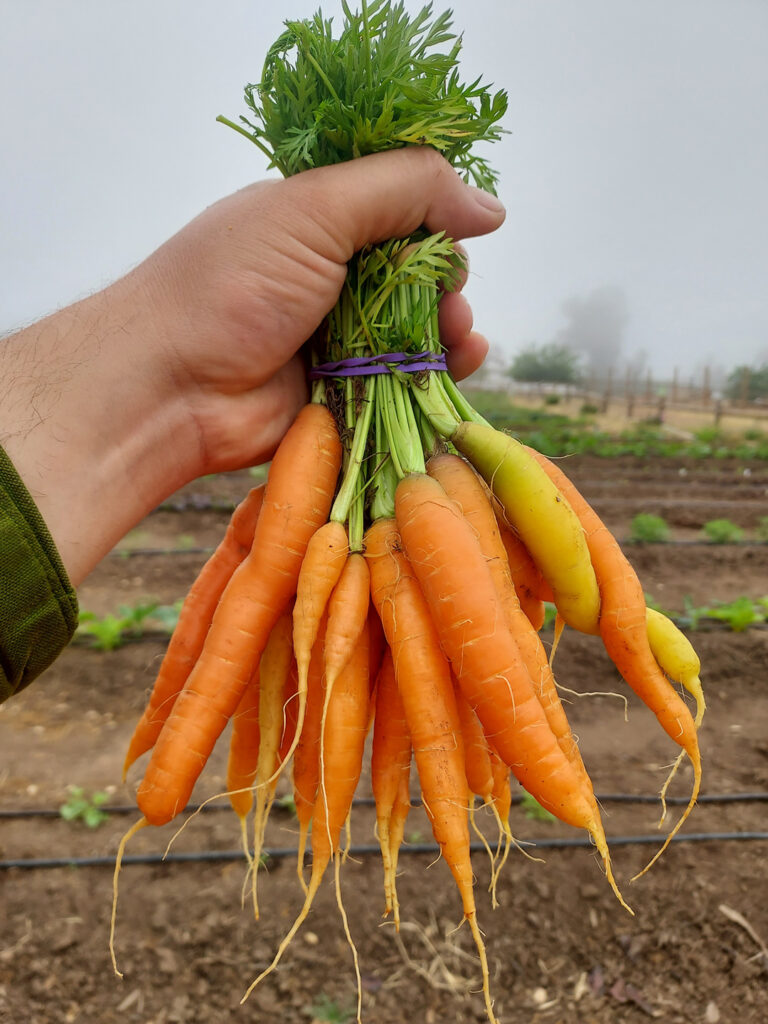
The year-round production of fruits, vegetables, and herbs is a testament to the farm’s careful planning and skilled cultivation techniques. This can involve strategic crop rotation to prevent soil depletion and disease buildup, succession planting to ensure continuous harvests, and potentially the use of hoop houses or passive solar greenhouses to extend growing seasons for certain crops. This commitment ensures a consistent supply of fresh, hyper-local produce for the community, minimizing food miles and supporting a resilient local food system.
This fall’s harvest is particularly notable for its celebration of pumpkin diversity. The selection of varieties like Cinderella, Musquee de Provence, Galeux d’Esynes, Long Island Cheese, Red Kuri, Jarrahdale, and Gusto de Horno is not merely aesthetic; it reflects a dedication to preserving heirloom varieties and offering consumers unique culinary experiences. These pumpkins are not just for carving; they are prized for their distinct flavors, textures, and storage qualities, making them ideal for a range of autumnal dishes, from savory roasts to sweet pies. For example, the Cinderella pumpkin, with its striking flat, red-orange appearance, is renowned for its sweet, fine-textured flesh, perfect for baking. The Musquee de Provence, a beautiful French heirloom, offers a rich, deep flavor ideal for soups and purees. The Galeux d’Esynes, with its peanut-like warts, signals high sugar content, while the Long Island Cheese pumpkin is a traditional American favorite for pies. By cultivating such a wide array, Alpine Acres not only enhances biodiversity but also educates the public about the incredible variety available beyond standard supermarket offerings.
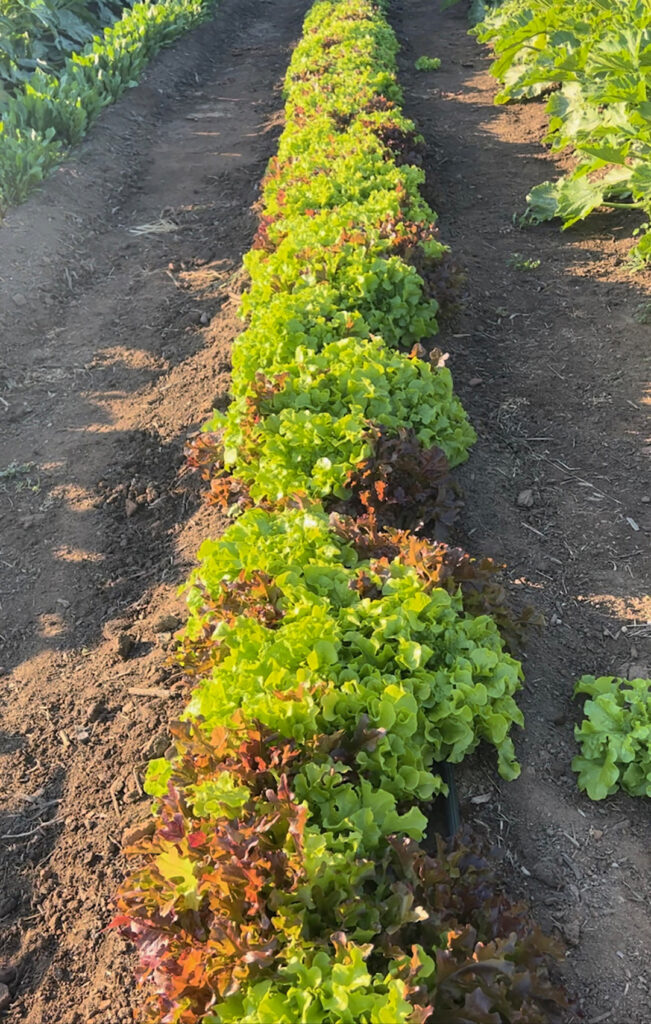
The comprehensive list of other seasonal produce—peppers, corn, Swiss chard, beets, cucumbers, squash, broccolini, tomatoes, zucchini, and fresh herbs—underscores the farm’s capacity for sustained output. These crops are harvested at their peak ripeness, ensuring maximum flavor and nutritional value, a stark contrast to produce often picked unripe for long-distance shipping. The "popular lettuces" returning to the Farm Stand are likely celebrated for their crispness, delicate flavor, and the absence of chemical residues, making them a staple for health-conscious consumers.

The Farm Stand: A Direct Link to Community and Compassion
The on-site Farm Stand at Alpine Acres Sanctuary Farm serves as more than just a retail outlet; it is a vital nexus connecting the farm’s mission with the local community. In an era where consumers are increasingly disconnected from their food sources, the Farm Stand provides a transparent and direct channel. Patrons can purchase freshly harvested produce, often picked just hours before sale, ensuring unparalleled freshness and flavor. This direct-to-consumer model offers several advantages: it allows the farm to retain a larger share of the profits compared to selling through intermediaries, which is crucial for funding its animal care mission. For consumers, it provides access to high-quality, chemical-free food, supports local agriculture, and offers a tangible way to contribute to animal welfare.
A spokesperson for Alpine Acres Sanctuary Farm, when discussing the importance of the Farm Stand, might emphasize: "Every single purchase made at our Farm Stand directly fuels our ability to provide food, shelter, and veterinary care for our nearly 200 rescued animals. It’s a direct exchange: delicious, healthy food for our community, and a second chance at life for our animal residents. Our patrons aren’t just buying vegetables; they’re investing in compassion and sustainability." This sentiment resonates deeply with a growing segment of the population that seeks ethical consumption choices.
The Farm Stand also acts as an educational touchpoint. Visitors, whether conscious of it or not, learn about the rhythms of seasonal eating, the diversity of produce, and the principles of sustainable farming. It can become a community gathering place, fostering connections between farmers, animals, and consumers, building a stronger, more resilient local food economy. The proceeds from these sales are meticulously channeled back into the sanctuary’s operations, covering feed costs, veterinary bills, shelter maintenance, and the labor required to care for a large population of diverse animals. This integrated financial model ensures that the agricultural output directly sustains the animal welfare component, creating a truly symbiotic enterprise.
The Beneficiaries: Nearly 200 Rescued Lives
The heart of Alpine Acres’ mission lies with its nearly 200 rescued animals. These are not merely statistics; each animal has a story, often one of hardship and neglect before finding sanctuary. The animals represent a diverse group, typically including pigs, goats, sheep, chickens, turkeys, ducks, and sometimes larger animals like cows or horses, all of whom are given a permanent, safe haven. Unlike commercial operations, a sanctuary prioritizes the individual welfare and happiness of each animal, providing ample space, species-appropriate diets, routine veterinary care, and the freedom to express natural behaviors.
The fact that "some of whom enjoy a share of the garden’s bounty, too" is a particularly charming and practical aspect of the farm’s operation. This not only provides fresh, healthy snacks for the animals but also serves as a sustainable way to manage any surplus produce or crops that might not meet aesthetic standards for human sale but are perfectly nutritious. For instance, pigs might enjoy surplus pumpkins, chickens can feast on discarded greens or fallen fruits, and goats might nibble on vegetable trimmings. This practice exemplifies a closed-loop system, where resources are utilized efficiently, minimizing waste and further integrating the animal and plant components of the farm. It also visually demonstrates the interconnectedness of the farm’s mission, showcasing the direct benefit the animals receive from the successful harvests.
Broader Implications: A Model for Sustainable Living
Alpine Acres Sanctuary Farm stands as a compelling model for sustainable living and ethical food systems, with far-reaching implications beyond its immediate community.
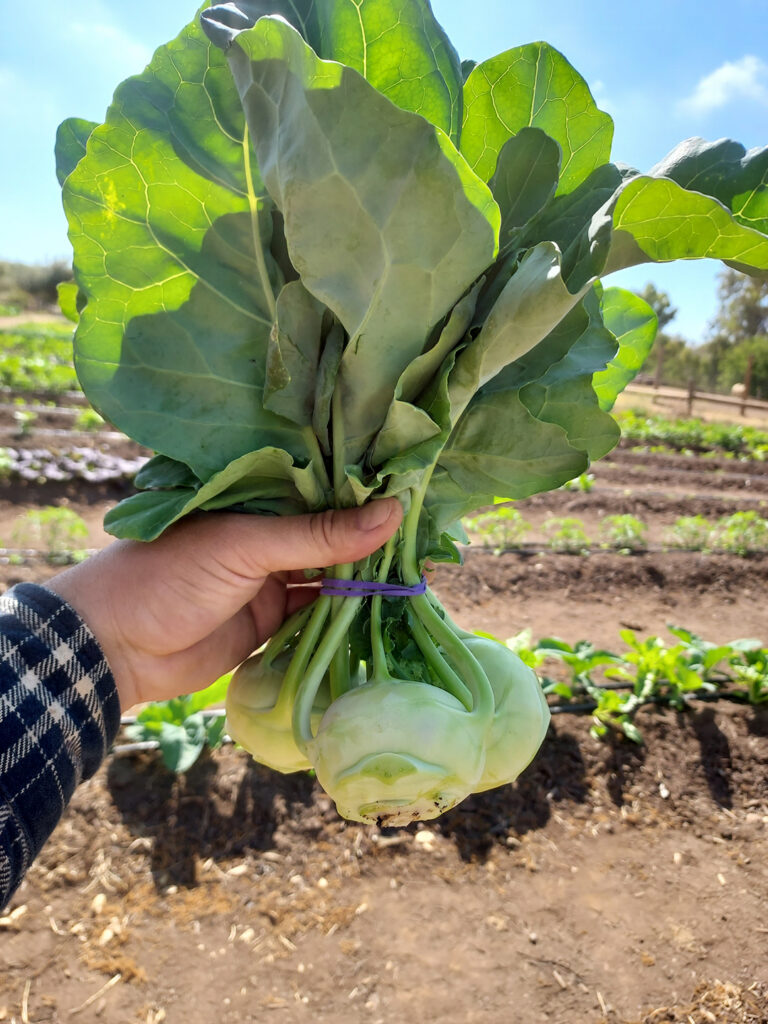
Environmental Stewardship: By committing to chemical-free biological gardening, the farm contributes significantly to environmental health. This includes promoting soil biodiversity, preventing water contamination from pesticide runoff, supporting pollinator populations, and potentially sequestering carbon in healthy soils, thereby mitigating climate change. The practice of growing a diverse range of crops, especially heirloom varieties, also plays a crucial role in preserving agricultural biodiversity, which is vital for food system resilience in the face of changing environmental conditions.
Local Food Security and Economy: In an increasingly globalized food system, Alpine Acres strengthens local food security by providing fresh, nutritious food directly to its community. It supports the local economy by creating jobs and keeping food dollars within the region. The direct farm-to-consumer model fosters greater transparency and trust, allowing consumers to know exactly where and how their food is produced.
Ethical Consumption and Education: The farm provides a powerful educational platform. Visitors, whether consciously or not, are exposed to the principles of animal welfare and sustainable agriculture. It encourages consumers to consider the ethical implications of their food choices and offers a viable alternative to industrial agriculture. By seeing happy, rescued animals living alongside flourishing gardens, people can better understand the potential for harmonious coexistence between humans, animals, and the environment. This direct experience can inspire individuals to adopt more sustainable practices in their own lives, from gardening to dietary choices.
Replicable Model: The success of Alpine Acres Sanctuary Farm serves as an inspiring blueprint for other communities and aspiring farmers. It demonstrates that integrating animal rescue with regenerative agriculture is not only possible but can create a robust, impactful, and financially viable enterprise. While challenges such as initial investment, labor, and navigating seasonal weather patterns are inherent to farming, the enduring dedication of the farm’s staff and volunteers, combined with strong community support, underscores the potential for such models to thrive. Organizations focused on sustainable development and animal advocacy often highlight such integrated farms as examples of best practice, noting their contribution to ecological regeneration and ethical living.
In conclusion, Alpine Acres Sanctuary Farm’s vibrant fall harvest is more than just a display of agricultural prowess; it is a tangible manifestation of a deeply held commitment to compassion, sustainability, and community well-being. From the diverse, chemical-free bounty of its biological gardens to the loving care provided to nearly 200 rescued animals, the farm embodies a holistic vision for a healthier planet and a more ethical food system. The ongoing success of its Farm Stand not only provides the community with exceptional local produce but also reinforces the vital financial lifeline for its animal residents, proving that a farm can be both productive and profoundly humane. As consumers increasingly seek out ethical and sustainable choices, Alpine Acres stands as a shining example of how integrated, purpose-driven agriculture can truly thrive.