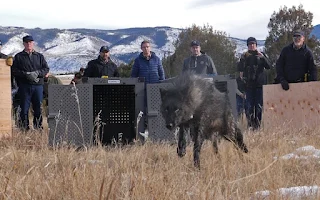
The Confederated Tribes of the Colville Reservation in Washington State have officially withdrawn from a pivotal agreement to supply 15 gray wolves to Colorado Parks and Wildlife (CPW) for its ongoing reintroduction program. The decision, communicated in a letter dated June 6 and publicly disclosed by the Tribe’s executive director on July 30, marks a significant setback for Colorado’s ambitious plan to restore a viable wolf population to its western slopes. This unexpected reversal stems directly from appeals by Colorado’s own Native American tribes, particularly the Southern Ute Indian Tribe, who voiced profound concerns regarding the ecological, cultural, and economic impacts of the reintroduction on their sovereign lands and communities.
A Crucial Partnership Dissolves
The initial agreement between the Colville Tribes and CPW was seen as a cornerstone of Colorado’s wolf reintroduction efforts, which began in December 2023 with the release of ten wolves sourced from Oregon. The Colville Reservation, home to a robust and genetically diverse gray wolf population, was slated to be a primary source for the next phases of releases, with 15 animals earmarked for transfer later this year and into early 2025. This partnership underscored the potential for inter-tribal collaboration in conservation efforts, leveraging the expertise and successful wolf management of tribes like the Colville.
Cody Desautel, executive director of the Confederated Tribes of the Colville Reservation, confirmed the rescission in an interview with the Coloradoan on July 30. He elaborated that the decision was made "After hearing from Colorado tribes concerned about the (wolf) reintroduction," and was taken "out of respect for the sovereignty, culture, and impacts to membership of the Indian Tribes in Colorado." This statement highlights the profound importance of inter-tribal respect and the recognition of inherent tribal sovereignty in environmental and wildlife management decisions. The Colville Tribe’s letter, formally informing CPW Director Jeff Davis of their decision, predates Desautel’s public comments, indicating a deliberative process behind the withdrawal.
Chronology of a Pivotal Decision
The unfolding of this development can be traced through several key events:
- November 3, 2020: Colorado voters narrowly approve Proposition 114, mandating the reintroduction of gray wolves to the state’s Western Slope by the end of 2023. This marks the first time a state’s electorate has directly ordered a wildlife reintroduction.
- May 2023: CPW finalizes its Gray Wolf Reintroduction and Management Plan after extensive public input, identifying potential sourcing states and tribal partners.
- Late 2023: The Confederated Tribes of the Colville Reservation and Colorado Parks and Wildlife enter into an agreement for the transfer of 15 wolves in subsequent phases of the reintroduction.
- December 18, 2023: CPW releases the first ten gray wolves, sourced from Oregon, onto Colorado’s Western Slope, marking the official commencement of the program.
- Early 2024: The Southern Ute Indian Tribe, based in southwestern Colorado along the New Mexico border, sends a letter to the Colville Tribes, requesting they not provide wolves to Colorado. This communication expresses significant concerns regarding the reintroduction’s potential impacts on tribal lands and resources.
- June 6, 2024: The Confederated Tribes of the Colville Reservation send a letter to CPW Director Jeff Davis, formally rescinding their agreement to supply wolves.
- July 30, 2024: Cody Desautel, executive director of the Colville Tribes, publicly announces the decision, citing respect for Colorado tribal sovereignty.
Background: Colorado’s Wolf Reintroduction Mandate
The journey to reintroduce gray wolves in Colorado has been fraught with contention since its inception. Proposition 114, passed by a slim margin of just over 50%, mandated CPW to create a plan for reintroducing and managing gray wolves by December 31, 2023. The initiative aimed to restore the apex predator to its historical range in Colorado, driven by conservation goals to rebalance ecosystems and manage burgeoning elk populations. Wolves were largely eradicated from Colorado by the 1940s due to aggressive hunting and poisoning campaigns, mirroring trends across much of the contiguous United States.
CPW developed a comprehensive management plan over several years, involving numerous public meetings, stakeholder consultations, and scientific analyses. The plan outlined a phased approach to releasing 30-50 wolves over a 3-5 year period, with a goal of establishing a self-sustaining population of at least 150 wolves. Key aspects included a compensation program for livestock depredation, provisions for lethal and non-lethal management tools, and designated release zones primarily on the Western Slope. The agency recognized that sourcing genetically diverse wolves from established populations in other states and tribal lands would be crucial for the program’s success. The Colville Tribes, with their experience in managing a growing wolf population, represented an ideal partner due to their successful conservation efforts and the genetic health of their wolf packs.
Tribal Sovereignty and Inter-Tribal Relations at the Forefront
The core of the Colville Tribes’ decision lies in the principle of tribal sovereignty and the imperative of respecting the concerns of other Native American nations. The Southern Ute Indian Tribe’s opposition to the reintroduction program is not new; they have consistently articulated concerns mirroring those of local ranchers and hunters. These include the potential for wolves to depredate tribal livestock, impact traditional hunting resources like deer and elk, and pose risks to tribal members living and working on their lands.

The Southern Ute Tribe’s land base in southwestern Colorado is critical for their cultural practices, subsistence, and economic activities, including ranching. The reintroduction of a large predator like the wolf introduces a complex variable into their existing land management and resource use strategies. While the state’s plan includes compensation for livestock losses, tribal leaders emphasize that the issues extend beyond mere financial reimbursement, touching upon cultural connections to wildlife and traditional ways of life. Furthermore, the Southern Ute Tribe has explicitly requested that CPW limit wolf releases to a "northern zone" along the Interstate 70 corridor, away from their ancestral and reservation lands in the southwest, indicating a desire to mitigate direct impacts on their territory.
The Colville Tribes’ decision to honor the Southern Ute’s request underscores a profound respect for inter-tribal relations and the sanctity of tribal sovereignty. For Native American tribes, sovereignty is not merely a legal status but a deeply embedded cultural principle that governs their self-determination, stewardship of ancestral lands, and the right to manage their own resources and communities. By withdrawing from the agreement, the Colville Tribes have effectively prioritized the well-being and self-determination of a fellow sovereign nation over a potentially lucrative or high-profile inter-state conservation partnership. This action sends a powerful message about the importance of genuine consultation and consent when conservation initiatives impact tribal lands or interests, whether directly or indirectly.
Ecological and Economic Concerns Echoed by Stakeholders
The concerns raised by the Southern Ute Indian Tribe are not unique. They resonate with long-standing anxieties among Colorado’s ranching communities and hunting organizations.
- Ranching Communities: Colorado’s Western Slope is home to a significant livestock industry. Ranchers fear increased depredation of cattle and sheep, leading to economic losses and increased management costs. While CPW has established a compensation fund for livestock killed by wolves, ranchers argue that proving wolf depredation can be challenging, and indirect costs (such as stress-induced weight loss in livestock, increased labor for herd protection) are often not fully covered. They also highlight the emotional toll and disruption to their livelihoods. Data from other wolf-occupied states like Montana and Idaho show ongoing, albeit generally low, levels of livestock depredation, which nevertheless represent significant losses for individual operations. For example, in 2022, Montana Fish, Wildlife & Parks reported 82 confirmed wolf depredations on livestock, resulting in financial compensation to affected producers.
- Hunting Groups: Hunters are concerned about the impact of wolves on deer and elk populations, which are vital for recreational hunting and contribute significantly to Colorado’s economy. While ecological studies suggest wolves can improve the health of ungulate herds by preying on weaker animals and influencing their distribution, initial declines in prey populations are often observed in the short term, leading to concerns about reduced hunting opportunities. Colorado’s elk population, estimated at over 280,000, is the largest in North America, and its management is a complex balance of ecological and economic factors.
- Conservation Perspectives: Conversely, many conservation organizations and proponents of Proposition 114 advocate for wolf reintroduction as a crucial step in restoring ecological balance. They argue that wolves play a vital role as apex predators, regulating prey populations, improving habitat health, and increasing biodiversity. They point to successful reintroduction efforts in places like Yellowstone National Park, where wolves have had profound positive impacts on ecosystems, leading to a phenomenon often termed a "trophic cascade." For these groups, the Colville’s withdrawal represents a significant setback, but they remain committed to the overall goal of establishing a self-sustaining wolf population in Colorado.
Implications for Colorado Parks and Wildlife
The Colville Tribes’ decision leaves CPW in a challenging position. The agency now faces the task of identifying alternative sources for the remaining 20-40 wolves required to meet the reintroduction targets outlined in its management plan. While the initial ten wolves came from Oregon, that state’s willingness or capacity to provide additional animals might be limited. CPW will likely need to re-engage with other Western states with established wolf populations, such as Idaho, Montana, or Wyoming, or explore partnerships with other tribal nations. However, securing such agreements can be complex, involving interstate politics, varying wildlife management philosophies, and the logistical challenges of capture and transfer.
The withdrawal also underscores the critical importance of early and genuine consultation with all affected stakeholders, especially sovereign tribal nations. While CPW undertook extensive public outreach, the depth of engagement with Colorado’s tribes, particularly regarding their specific concerns about resource impacts and sovereignty, may need re-evaluation. The incident could prompt CPW to reassess its tribal consultation protocols and ensure that tribal concerns are not just heard but are meaningfully integrated into decision-making processes, even when those decisions involve external partners. Director Jeff Davis and his team will need to navigate this setback with diplomacy and strategic planning to maintain momentum for the voter-mandated reintroduction program.
Broader Impact and Future Outlook
This development extends beyond the immediate logistics of wolf sourcing. It highlights the growing recognition of tribal sovereignty in environmental policy and conservation. The Colville Tribes’ action serves as a powerful reminder that federally recognized tribes are not merely stakeholders but sovereign governments with inherent rights to manage their lands, resources, and cultural heritage. Their decision could set a precedent for how inter-state and state-tribal conservation agreements are negotiated and implemented in the future, emphasizing the need for comprehensive and respectful dialogue.
For Colorado’s wolf reintroduction program, the path forward is now more complex. While the state remains committed to the voter mandate, the delay in securing additional wolves could slow the pace of re-establishment and potentially impact the genetic diversity of the nascent population. CPW will likely intensify its efforts to find new sources, potentially facing higher costs or more stringent conditions. The incident also reignites the broader debate surrounding wolf reintroduction in Colorado, giving renewed voice to opponents and potentially galvanizing support for the Southern Ute Tribe’s position.
In the long term, this event may lead to a more nuanced approach to wildlife management in the American West, one that more fully integrates tribal perspectives and recognizes the multifaceted impacts of conservation initiatives. The principle of respecting tribal sovereignty, as demonstrated by the Colville Tribes, is gaining increasing traction across various sectors, and its application to wildlife reintroduction programs ensures that such efforts are not only ecologically sound but also socially and culturally just. The future of Colorado’s gray wolf population now hinges not only on finding new wolves but also on building bridges of understanding and respect among all the diverse communities that share the state’s landscapes.