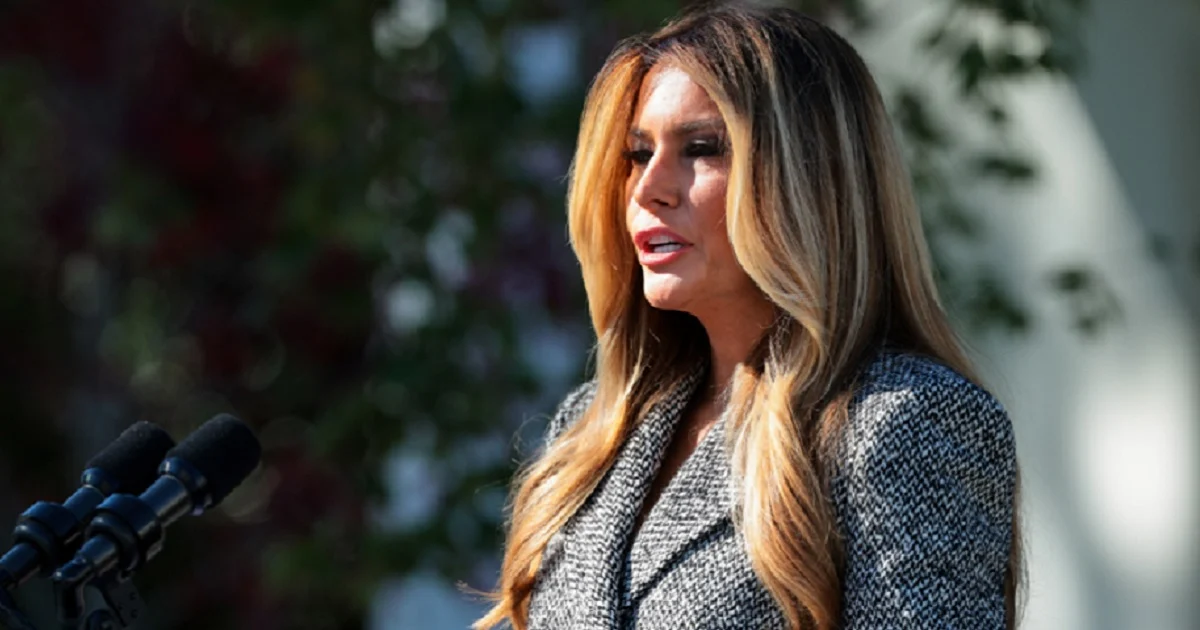
In a rare diplomatic breakthrough amid the devastating Russia-Ukraine conflict, First Lady Melania Trump has successfully brokered a localized ceasefire in the besieged Ukrainian city of Oleshky, offering a critical lifeline to its suffering residents. The White House announced Friday that both Russia and Ukraine have agreed to a temporary cessation of all military actions within Oleshky to facilitate the urgent entry of humanitarian aid and the safe evacuation of civilians through designated secure passageways. This intervention marks a significant moment, providing a glimmer of hope for a city that has endured nearly five years of occupation and severe humanitarian decline.
The Dire Humanitarian Situation in Oleshky
Oleshky, a city strategically located on the front lines, has been one of the hardest-hit areas since the full-scale Russian invasion began in February 2022. Once home to a vibrant population of 24,000, the city has seen its numbers plummet to a mere 2,000 residents, primarily comprising elderly individuals. These remaining inhabitants face unimaginable hardship, living amidst mined roads, enduring constant military attacks, and struggling with severely limited access to essential services.
Reports from the Institute for the Study of War (ISW), an independent organization monitoring national security issues, highlighted an "ongoing humanitarian crisis" in Oleshky earlier this month. The conditions described are dire: a pervasive lack of medical attention, acute shortages of life-saving medicines, scarcity of food and clean water, and intermittent electricity. The Associated Press recently chronicled the harrowing experience of a 40-year-old hairdresser who, in an act of sheer desperation, risked her life by navigating mined roads to escape the city, underscoring the extreme measures residents are forced to take for survival. Her testimony, echoed by other former residents, painted a grim picture: "There is nothing left in Oleshky. No food, no supplies, no medical care, no aid whatsoever. It is impossible to live in Oleshky, there is no life left there." Such accounts underscore the profound urgency of the First Lady’s intervention.
A First Lady’s Unconventional Diplomacy
Melania Trump’s involvement in the Oleshky crisis began following a United Nations meeting in September, where she was reportedly apprised of the desperate situation. Deeply moved by the plight of the city’s inhabitants, she declared, "The situation in Oleshky is dire. Oleshky is a front-line war city on the brink of disaster. Oleshky’s remaining population is comprised primarily of elderly residents who urgently need medical attention, medicine, food, and clean water." She emphasized that without her direct engagement, the prospect of delivering humanitarian aid and evacuating the vulnerable elderly would have been insurmountable.
Her diplomatic efforts were not without precedent. The First Lady revealed that she had previously established communication channels with both Russia and Ukraine, leveraging these networks during "six reunifications of 34 children." This prior success in humanitarian endeavors, albeit on a different scale, provided her with unique access and credibility with both warring parties, allowing her to step into a role the White House formally designated as "Exclusive Intermediary." This unconventional diplomatic path highlights the potential for non-traditional actors to bridge divides where official channels might face greater obstacles.

Negotiating a Fragile Peace
The process of securing the localized ceasefire involved intensive, direct engagement between the First Lady and her team, and the leadership of both Russia and Ukraine. According to the White House statement, these discussions focused on meticulously defining the terms of the agreement, including its specific objectives, technical procedures for implementation, precise timing, and the overall framework of the localized cessation of hostilities. This complex negotiation required round-the-clock efforts from all parties involved, particularly concerning the critical and dangerous task of demining the designated safe passageways.
The agreement stipulates that non-military, civilian leaders from both Russia and Ukraine will collaboratively visit Oleshky residents in their homes. This direct engagement is intended to accurately assess the level of assistance required by each family and individual. For those wishing to evacuate, a coordinated support system will be put in place, offering transportation to their preferred destination. Melania Trump acknowledged the diverse preferences of the population, stating, "I anticipate some will want to go to Russia, and some to Ukraine." This provision underscores an effort to respect individual autonomy amidst a crisis that has often forced difficult choices upon civilians.
Ensuring Transparency and Accountability
A crucial element of the agreement, designed to build trust and ensure compliance, is the inclusion of an impartial American media organization. This organization will accompany and document the activities of both Russian and Ukrainian teams on the ground throughout the humanitarian operation. The First Lady emphasized the importance of this transparency mechanism: "This will play a significant role in ensuring that the wishes of each family are faithfully respected." The presence of independent observers is vital in conflict zones to verify adherence to agreements, prevent abuses, and provide credible reporting on the humanitarian efforts.
Reactions and Broader Implications
While official reactions from Moscow and Kyiv have yet to be fully detailed beyond their agreement to the ceasefire, the international community is likely to welcome this development with cautious optimism. Humanitarian organizations, such as the International Committee of the Red Cross (ICRC) and Doctors Without Borders (MSF), though not explicitly named in the White House release, would likely view any localized ceasefire allowing aid access and civilian evacuation as a positive, albeit temporary, measure. Their statements would likely emphasize the critical need for sustained access and the protection of civilians and aid workers.
This localized ceasefire in Oleshky presents several significant implications. Firstly, on a humanitarian level, it offers immediate relief to a population on the brink. The provision of food, water, medicine, and medical care could avert further loss of life and alleviate immense suffering. The opportunity for safe evacuation is equally critical, particularly for the elderly and infirm who have been trapped in the conflict zone.

Secondly, from a diplomatic standpoint, this initiative demonstrates a rare instance of direct, albeit localized, cooperation between Russia and Ukraine on humanitarian grounds. In a conflict characterized by deep mistrust and intractable positions, such an agreement, facilitated by an "Exclusive Intermediary" outside traditional diplomatic structures, could potentially serve as a blueprint for future humanitarian corridors or localized de-escalation efforts in other heavily impacted areas. It highlights the potential for "back-channel" or unconventional diplomacy, especially when focused purely on humanitarian objectives.
Thirdly, the role of a First Lady in brokering such a sensitive agreement is noteworthy. While First Ladies often engage in humanitarian and cultural diplomacy, directly negotiating a ceasefire between warring nations is an unusual and high-stakes undertaking. This success could enhance the profile of the First Lady and potentially lend credibility to the administration’s broader foreign policy approaches, particularly those emphasizing humanitarian outreach.
Challenges and Future Outlook
Despite the immediate success of securing the ceasefire, significant challenges lie ahead. The primary concern will be ensuring the sustained adherence to the agreement by both Russian and Ukrainian forces. The history of conflict is replete with instances where ceasefires have been violated, often with devastating consequences for civilians. The security of aid convoys and evacuation routes, particularly given the prevalence of mined roads, will require meticulous coordination and unwavering commitment from both sides. Demining operations, a complex and dangerous task, must be conducted thoroughly and efficiently to guarantee the safety of those involved.
Furthermore, the process of determining residents’ preferred destinations for evacuation – whether to Russia or Ukraine – requires careful handling to avoid any perception of coercion or manipulation. The impartial media presence is crucial here, but the logistical and ethical complexities of such a choice for displaced populations are immense.
Looking beyond the immediate relief, the long-term prospects for Oleshky remain uncertain. While the ceasefire addresses immediate humanitarian needs, it does not resolve the underlying conflict or the city’s occupied status. The ultimate goal for the international community and for the people of Ukraine is a lasting peace and the restoration of sovereignty. However, this localized humanitarian intervention offers a crucial pause, demonstrating that even in the darkest hours of conflict, avenues for human compassion and cooperation can be forged. The success of this operation will be closely watched as a test case for future humanitarian diplomacy in the ongoing conflict.