The legendary film clip that propelled Bigfoot into global consciousness, the 1967 Patterson-Gimlin film, has been definitively exposed as a staged walk, according to a groundbreaking new documentary. The film, titled "Capturing Bigfoot," alleges that practice footage for the infamous hoax lay hidden in a safe for nearly six decades before its recent discovery. This revelation promises to send shockwaves through the cryptozoology community and reshape the historical understanding of one of the 20th century’s most enduring mysteries.
"Capturing Bigfoot" is set to open in theaters and on Prime Video on October 20, a date strategically chosen to coincide with the 59th anniversary of the original 1967 Patterson-Gimlin film (PGF). The documentary’s centerpiece is a canister of 16mm film, meticulously preserved, which Teresa Brooks claims had been locked away for approximately 50 years. Brooks is the daughter of Norm Johnson, a former film department worker at Boeing during the 1960s. She informed the filmmakers that she inherited the reel after her mother’s passing in 2017 and subsequently entrusted it to Marq Evans, a colleague at Olympic College in Washington, who then embarked on creating the revealing documentary.
The Patterson-Gimlin Film: A Legacy of Intrigue and Debate
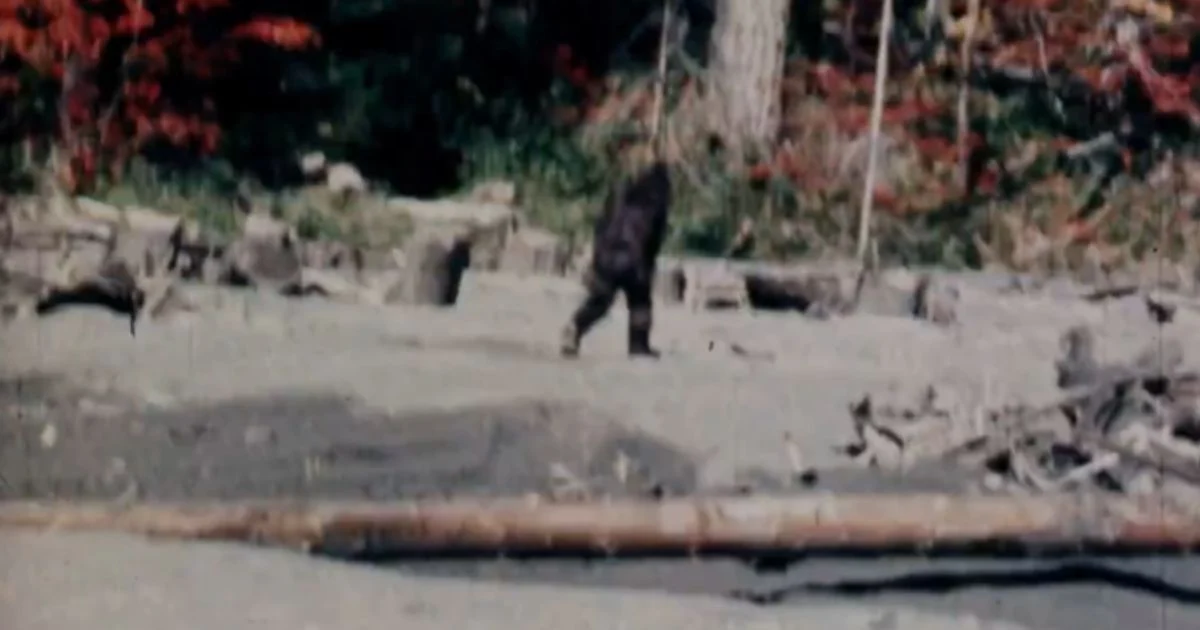
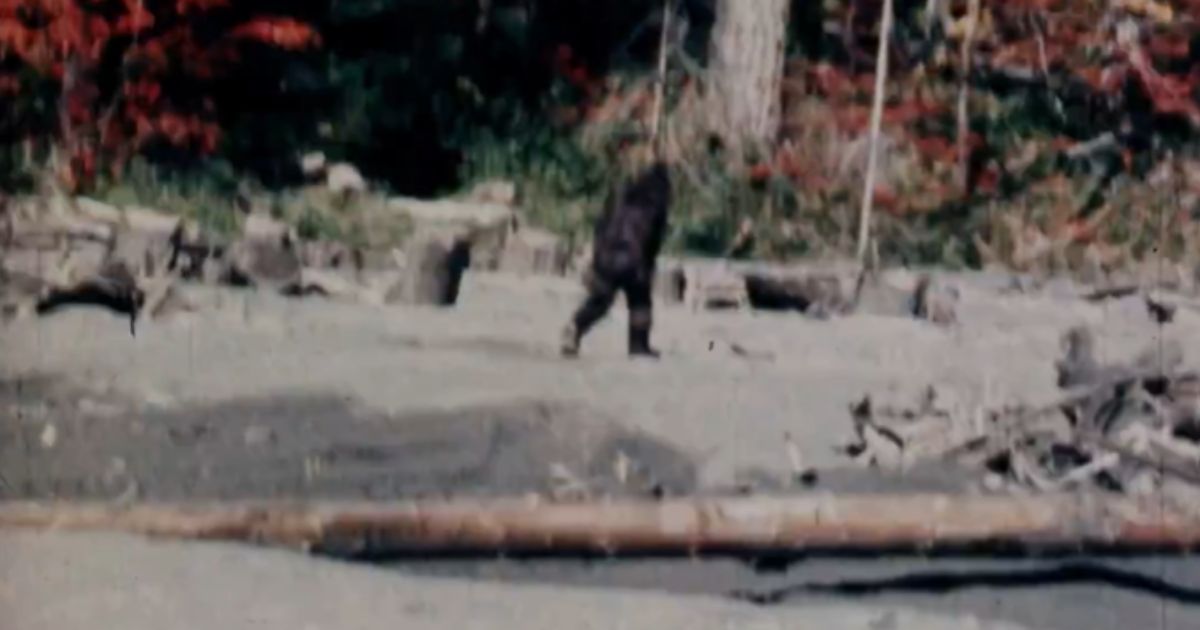
For over half a century, the Patterson-Gimlin film has stood as the purported zenith of evidence for the existence of Bigfoot, also known as Sasquatch. Shot by Roger Patterson and Bob Gimlin near Bluff Creek, California, on October 20, 1967, the 59-second clip depicts a large, bipedal, ape-like creature, dubbed "Patty," walking through a clearing and glancing back at the camera. Its grainy, shaky quality only added to its mystique, allowing for endless speculation and analysis.
The PGF became an immediate cultural phenomenon, fueling countless expeditions, books, and television specials. Believers lauded the film, citing the creature’s seemingly natural gait, apparent muscle definition, and unique proportions as irrefutable proof that it could not be a human in a suit. Experts in primate locomotion and anatomy were often divided, with some asserting the movements were too fluid and powerful for a human, while others pointed to inconsistencies and the inherent difficulties of definitively analyzing such low-quality footage. The film’s enduring power lay in its ambiguity; it offered just enough visual information to ignite hope and wonder, yet remained elusive enough to resist definitive scientific validation. It became the gold standard against which all other alleged Bigfoot sightings and evidence were measured, a tantalizing glimpse into a world where mythical creatures might still roam.
However, the PGF was also met with immediate and persistent skepticism. Critics argued that the blurry footage, the creature’s upright posture, and the conveniently timed glance back were all hallmarks of a deliberate deception. Over the decades, numerous individuals came forward claiming to be the man in the suit, most notably Bob Heironimus, who maintained that Roger Patterson had hired him to wear a gorilla suit for the filming. These claims, while compelling, lacked concrete corroborating evidence that could stand up to the PGF’s perceived visual authority. Until now, the arguments for authenticity, often steeped in passionate belief, largely managed to outweigh the scattered accusations of fraud, keeping the Bigfoot legend, and the PGF, firmly entrenched in the public imagination.
Unearthing the "Smoking Gun": The 1966 Rehearsal Footage
The newly discovered reel, approximately 40 seconds in length, presents a strikingly similar scenario to the 1967 PGF. It shows a hairy figure traversing through a wooded area, pausing to glance back over its right shoulder—a gesture eerily identical to the defining moment in the famous 1967 clip. Crucially, edge codes on this newer discovery date the film to 1966, a full year before the official PGF. Furthermore, both reels were shot on the same type of equipment: a Kodak K-100 16mm camera, as reported by the New York Post. This consistency in equipment, coupled with the temporal difference, forms a critical piece of the documentary’s argument.
Upon closer inspection, distinct differences between the two films emerge, which further bolster the hoax theory. The figure on the older, 1966 reel appears noticeably slimmer than "Patty" in the 1967 film. Additionally, the surrounding woods in the earlier footage are described as considerably greener, contrasting with the more bare, autumnal stretch of forest depicted in the 1967 film. These discrepancies suggest that while the ‘performance’ was similar, the setting and perhaps even the costume or performer had undergone adjustments between the alleged practice run and the final staged event. The revelation of a rehearsal film, complete with an identical signature move, fundamentally shifts the narrative from mysterious encounter to calculated theatrical production.
Behind the Curtain: Family Confessions and Co-Conspirators
Teresa Brooks, Norm Johnson’s daughter, plays a pivotal role in this exposé. She reveals that her father, a skilled film department worker, was drawn into Patterson’s plan and chose to keep quiet about his involvement due to his wife’s strong desire to maintain the secret. "This film has been sitting in a safe for 50 years," Brooks states in the documentary. "Part of me wanted to keep the family secret." This emotional testimony provides a human dimension to the long-held deception, highlighting the burden of carrying such a secret for decades.
Adding further weight to the documentary’s claims is the testimony of Roger Patterson’s own son, Clint Patterson. Appearing in "Capturing Bigfoot," Clint shares a deeply personal and painful revelation: his mother, Patty, confirmed to him that Bob Heironimus—who had consistently claimed for years that he was the individual in the Bigfoot suit—was indeed a participant in the 1967 hoax. This confession from within the Patterson family strikes at the heart of the legend. "That means my dad lied to me," Clint states emotionally in the film, expressing profound disappointment. "He was my hero." Clint further explains that his mother, Patty, severed contact with him after he expressed his desire to go public with the truth, and that he himself remained silent for eight years because the rights to the footage constituted her sole income. "I don’t like being a liar. And I’m ready to come clean," he asserts, underscoring the personal cost of maintaining the family secret. Skepticism writer Brian Dunning corroborated this, noting that Clint told Marq Evans that his mother had confirmed the film was a money-making hoax and that someone else wore the suit in the rehearsals. These direct family accounts, combined with the physical evidence of the 1966 film, paint a compelling picture of a deliberate and long-concealed deception.
Expert Reactions and the Weight of Disbelief
The screening of the unearthed 1966 footage within the documentary has elicited powerful reactions from researchers who have dedicated significant portions of their lives to analyzing and debating the original Patterson-Gimlin film. Larry Lund, widely known as the "Sasquatch Sleuth" for his extensive work in the field, watched the newly surfaced reel with profound impact. "That’s the answer we’ve been looking for, for years. That’s definitely faked and that’s definitely rehearsed," Lund declared, his words carrying the weight of decades of unresolved inquiry. His statement encapsulates the immense relief and, perhaps, a bittersweet sense of finality for those who have tirelessly sought definitive answers.
Greg Long, author of "The Making of Bigfoot," a book that explored the various theories and controversies surrounding the PGF, unequivocally labeled the 1966 film as a "practice run" and a "smoking gun." These terms underscore the documentary’s claim that this new evidence leaves little room for doubt regarding the PGF’s authenticity. Beyond the intellectual confirmation, Lund also described a deep sense of personal loss, reflecting on the fate of his friend Rene Dahinden. Dahinden, a renowned Bigfoot researcher, spent his entire life in pursuit of Sasquatch, a quest that reportedly cost him his marriage and led to his eventual isolation and death. The revelation that the central piece of evidence he championed might have been a hoax all along casts a tragic shadow over his life’s work and highlights the profound emotional investment many individuals have made in the Bigfoot mystery.
The skepticism community, which has long viewed the PGF with critical eyes, finds its long-held suspicions validated. Figures like Brian Dunning, known for his work in critical thinking and debunking pseudoscientific claims, have consistently highlighted the lack of verifiable evidence and the inherent implausibility of the Bigfoot narrative. The new documentary, with its direct evidence and family testimonies, provides concrete proof for arguments previously based on inference and the absence of corroboration.
A Detailed Chronology of the Hoax and its Unveiling
The narrative of the Patterson-Gimlin film, now understood as a sophisticated hoax, unfolds across a significant timeline:
- Pre-1966: The Genesis of Deception: The precise origins of Roger Patterson’s plan to stage a Bigfoot sighting remain somewhat speculative, but it is clear that by the mid-1960s, the idea was conceived. This period likely involved the acquisition or creation of a suitable costume and the recruitment of individuals like Norm Johnson, a Boeing film department worker with technical expertise, and Bob Heironimus, who would reportedly wear the suit.
- 1966: The Rehearsal Takes Place: Sometime in 1966, the newly unearthed 16mm film suggests that a practice run was conducted. This footage, likely shot by Norm Johnson, served as a dress rehearsal for the more elaborate event planned for the following year. The slight variations in the figure’s appearance and the greener surroundings indicate an experimental phase, refining the performance and location.
- October 20, 1967: The Public Unveiling: Roger Patterson and Bob Gimlin staged the now-infamous encounter near Bluff Creek, California. The 59-second film, depicting "Patty," was released to the public, instantly captivating audiences and sparking a worldwide fascination with Bigfoot. The timing, the location, and the dramatic nature of the footage ensured its immediate impact.
- 1967-Present: Decades of Debate and Scrutiny: Following its release, the PGF became the subject of intense scrutiny from scientists, cryptozoologists, and skeptics alike. Its authenticity was debated in academic journals, popular media, and countless forums. Despite numerous claims of a hoax, including those from Bob Heironimus, definitive proof to conclusively debunk the film remained elusive, allowing the mystery to persist.
- 2017: The Discovery of the Hidden Truth: After the passing of her mother, Teresa Brooks discovered the forgotten reel of 16mm film in a safe. This serendipitous discovery, approximately 50 years after it was filmed, set in motion the chain of events that would ultimately lead to the truth.
- Post-2017: Documentary Production: Brooks handed the reel to filmmaker Marq Evans, who recognized its profound significance. Over the subsequent years, Evans meticulously researched and produced "Capturing Bigfoot," gathering additional testimonies, including the crucial confessions from Clint Patterson.
- October 20, 2026: The Revelation: The release of "Capturing Bigfoot" marks the official public unveiling of the long-held secret. On the 59th anniversary of the original PGF, the world is presented with compelling evidence that the iconic footage, once a symbol of the unknown, was, in fact, a carefully orchestrated hoax.
Broader Implications: The End of an Era for Cryptozoology?
The implications of this revelation extend far beyond the specific case of the Patterson-Gimlin film. For the field of cryptozoology, this news represents a significant, if not devastating, blow. The PGF was, for decades, the cornerstone of alleged evidence for Bigfoot, providing a tangible, albeit controversial, visual anchor for the belief in an undiscovered hominid. Its debunking removes the single most compelling piece of visual proof, leaving behind a collection of anecdotal accounts, blurry photographs, and inconclusive footprint casts. While dedicated researchers may continue their work, the absence of the PGF’s "gold standard" will undoubtedly diminish the scientific credibility and public perception of the entire field. It forces a reckoning, demanding a re-evaluation of methodologies and a more rigorous approach to evidence.
From a broader perspective, this story offers a powerful lesson in media authenticity and the enduring power of visual hoaxes. In a world increasingly saturated with manipulated images and deepfakes, the PGF stands as a historical testament to how a relatively simple, low-tech fabrication could captivate and deceive millions for nearly six decades. It underscores the human willingness to believe in the extraordinary, particularly when presented with seemingly compelling visual evidence, and highlights the psychological phenomenon of confirmation bias, where subsequent ambiguous evidence is often interpreted through the lens of the initial, powerful imagery.
The human element of this story is also profound. The motivations behind such hoaxes—fame, financial gain, or simply the desire to create a lasting myth—are complex. The burden of secrecy, as evidenced by Teresa Brooks and Clint Patterson, speaks to the emotional toll on those involved, directly or indirectly. Clint Patterson’s sorrow over his hero father’s deception is a poignant reminder of the personal cost of such prolonged fabrications.
Finally, the contrast between the technological capabilities of 1967 and 2026 is striking. In 1967, a 16mm film camera was a relatively advanced tool, and the average person lacked the means to critically analyze or easily debunk such footage. Today, billions carry high-definition cameras in their pockets, capable of capturing unprecedented detail and instantly sharing it globally. Yet, as Mark Lambert noted, the most compelling alleged evidence for Bigfoot remained that few seconds of shaky 1967 footage. This paradox highlights how cultural narratives and entrenched beliefs can often outlive the technological means to definitively challenge them.
The unraveling of the Patterson-Gimlin film’s mystery marks a significant moment in the history of unexplained phenomena. What was once considered the ultimate proof of Bigfoot has now been revealed as an elaborate, decades-long deception. This revelation not only provides closure for one of the most enduring mysteries of the modern age but also serves as a potent reminder of the complexities of belief, the power of visual media, and the persistent human quest for truth, even when confronted with uncomfortable realities.