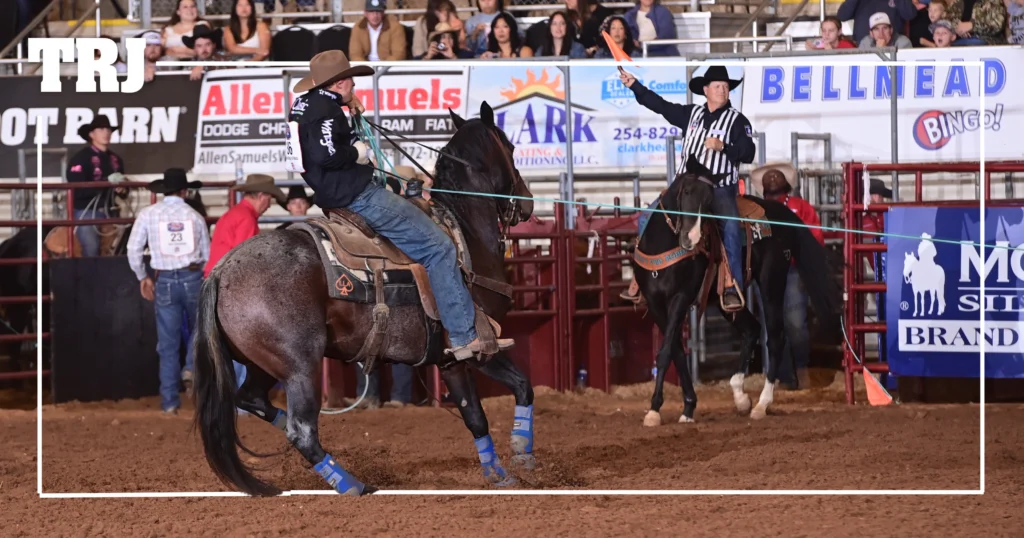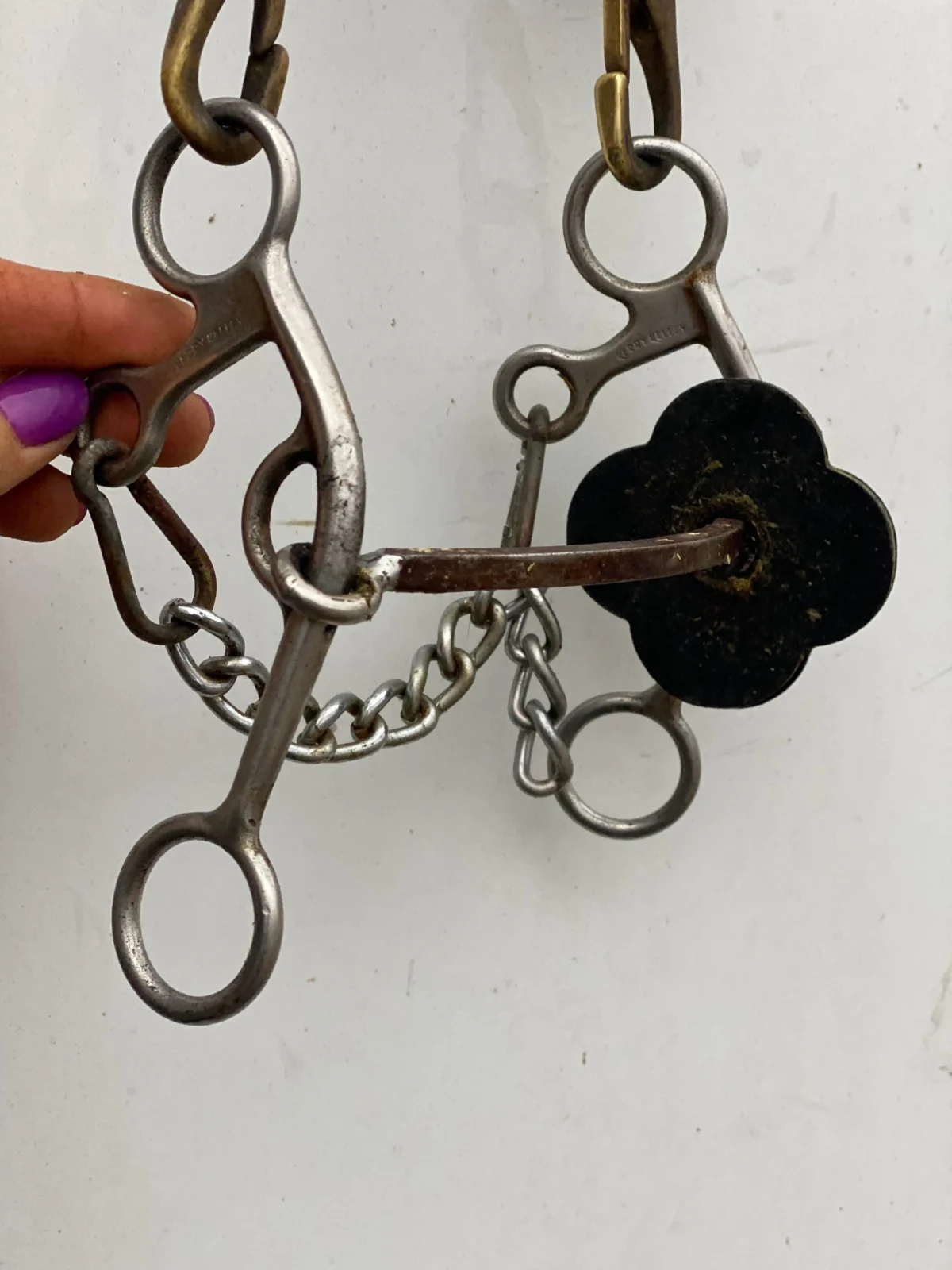
Professional equine trainer Lauren Strough relies on the meticulously crafted Kerry Kelley ‘Bogey’ bit, specifically featuring a square mullen mouthpiece and a short 6-inch locked shank, as a critical component of her competitive tack arsenal. This particular design, as highlighted in the December 2021 issue of Barrel Horse News, is instrumental in maintaining her horses’ precise body alignment and responsiveness, particularly in the high-stakes environment of a competition run where fractions of a second and absolute precision dictate success. Strough’s strategic selection underscores a nuanced understanding of equine biomechanics and the intricate relationship between tack design and athletic performance, emphasizing stabilization and control for optimal execution in demanding maneuvers.
Understanding the Kerry Kelley ‘Bogey’ Bit: A Deep Dive into Design and Functionality
The efficacy of any horse bit lies in its design, and the Kerry Kelley ‘Bogey’ is a prime example of specialized engineering tailored for specific performance needs. Every component—the shank, the mouthpiece, and the curb chain—works in concert to transmit the rider’s cues and influence the horse’s posture and responsiveness.
The Shank: Precision and Leverage
The ‘Bogey’ bit features a short 6-inch locked shank. The shank is the part of the bit that extends downwards from the mouthpiece, providing leverage when the reins are engaged. A "locked" shank implies a fixed connection to the mouthpiece, offering a more immediate and consistent transfer of rein pressure compared to a loose-jaw or hinged shank. The 6-inch length is considered relatively short in the spectrum of leverage bits, suggesting a balance between control and severity. Longer shanks typically provide more leverage and therefore more intense pressure with the same amount of rein pull, while shorter shanks offer quicker release and a more direct feel. For competition, a shorter shank can be advantageous, allowing for rapid, subtle cues without over-committing the horse or creating a delayed response. When the rider pulls the reins, the shank pivots, applying pressure to the horse’s poll via the headstall, to the chin groove via the curb chain, and to the bars of the mouth via the mouthpiece. This multi-point pressure system is designed to encourage flexion at the poll and engagement of the hindquarters, critical for collected turns and controlled speed.
The Square Mullen Mouthpiece: Stability and Control
The centerpiece of this particular Kerry Kelley ‘Bogey’ is its square mullen mouthpiece. A mullen mouthpiece, in general, is characterized by a solid, unjointed bar that rests across the horse’s tongue and bars of the mouth. Unlike jointed bits, which can create a "nutcracker" effect or collapse in the mouth, a mullen mouthpiece distributes pressure more evenly. The "square" aspect further refines this pressure distribution. While a traditional mullen might be round or oval in cross-section, a square mullen presents a flatter, broader surface to the tongue and bars, potentially offering more surface area contact and thus a more stable and less "rolling" feel in the horse’s mouth.
Strough’s preference for this mouthpiece for horses that "want to get a little too round in their turns" is rooted in its stabilizing effect. When a horse gets "too round," it often means they are over-flexing at the poll or bracing against the bit, losing proper body alignment and hindquarter engagement crucial for efficient turns. The square mullen, by providing consistent and firm pressure across the tongue and bars without the movement of a jointed bit, encourages the horse to lift through its back, engage its core, and carry itself in a more upright and collected frame. This stability helps to prevent the horse from collapsing into a turn or pushing through the rider’s hands. For a "pushy horse," which might lean into the bit or attempt to dictate pace and direction, the square mullen provides a clear, consistent boundary, encouraging the horse to soften and yield to pressure rather than brace against it. This design element directly translates into enhanced control, a paramount factor in precision-based disciplines like barrel racing.
The Setback Curb Chain: Strategic Application
Completing the leverage system is the setback curb chain. The curb chain wraps under the horse’s chin groove and connects to rings on the bit shanks. When the reins are engaged and the shanks rotate, the curb chain tightens against the chin, creating additional pressure. Strough’s setting of the curb chain at "about two fingers" is a standard guideline for ensuring sufficient but not excessive pressure. This means that when the shanks are at rest, two fingers can comfortably fit between the chain and the chin groove. A curb chain that is too loose will diminish the leverage action of the bit, while one that is too tight can be overly severe and cause discomfort, potentially leading to resistance. The setback design implies that the chain might be positioned slightly further back on the chin groove, which can subtly alter the angle and intensity of the pressure, contributing to the bit’s overall feel and effectiveness.
Lauren Strough’s Strategic Bit Selection: Optimizing for Competition
Lauren Strough’s articulate explanation of her bit choice reveals a sophisticated understanding of horsemanship that differentiates between daily training and peak competition performance. Her methodology is a testament to the fact that effective horsemanship involves not just skill, but also intelligent equipment selection tailored to specific scenarios and individual equine temperaments.
The Trainer’s Philosophy: Differentiating Training and Competition
Strough explicitly states, "This particular bit I generally use just for competition. When working one, I prefer a bit that I can have as much vertical and lateral flexion as I need." This distinction is critical. During daily training, the goal is often to refine a horse’s responsiveness, encourage softness, develop muscle memory, and build communication. Bits that allow for greater vertical and lateral flexion—meaning the horse can bend easily at the poll and through its body—are often preferred for this developmental work. Such bits might include snaffles, which offer direct pressure without leverage, or bits with more articulated mouthpieces that encourage suppleness.
However, competition demands a different set of priorities: immediate response, unwavering stability, and the ability to maintain a precise frame under pressure and at high speed. The ‘Bogey’ bit, with its leverage and stabilizing square mullen, is chosen for its ability to provide clear, firm cues that reinforce established training, rather than for teaching new movements or refining subtle flexion. In a competition run, there is no room for ambiguity or hesitation; the bit must facilitate instant, precise control.
Addressing Equine Behavior: The Challenge of ‘Roundness’ and ‘Pushiness’
Strough’s primary rationale for the ‘Bogey’ bit is its effectiveness with horses that "want to get a little too round in their turns" or are "pushy." In barrel racing, a horse that gets "too round" might drop its shoulder, lose its balance, or cut too deep into the barrel, all of which compromise speed and efficiency. This often stems from a lack of proper engagement of the hindquarters and an over-reliance on the forehand. The square mullen, by promoting a more consistent and stable head carriage, encourages the horse to lift its back, engage its core, and drive from behind, maintaining a balanced, athletic frame throughout the turn.
Similarly, a "pushy horse" can be detrimental in competition. Such horses might lean into the bit, ignore subtle cues, or try to dictate the pace, making precise maneuvers challenging. The ‘Bogey’ bit’s design offers a more assertive form of communication, allowing Strough to re-establish control and encourage the horse to yield to pressure, thereby staying "between her hands" and responsive to her aids.
The Criticality of ‘Squareness’: Precision in Performance
The phrase "stay square in my hands" is fundamental to high-level barrel racing. It refers to the horse maintaining a straight, aligned body posture relative to the rider’s hands, even when executing a tight turn. When a horse is "square," its shoulders, hips, and hindquarters are aligned, allowing for maximum power transfer and efficient movement. If a horse becomes "un-square"—e.g., dropping a shoulder, bulging a hip, or leaning—it loses balance, speed, and precision. The square mullen mouthpiece, by stabilizing the horse’s head and neck carriage, helps to ensure that the horse maintains this crucial "squareness," enabling cleaner, faster turns around the barrels, which is directly correlated with competitive success.
The Art and Science of Barrel Racing: A Background Context
Barrel racing, a cornerstone event in rodeo, is a thrilling display of speed, agility, and the profound partnership between horse and rider. Originating in the American West as a women’s rodeo event, it has evolved into a highly specialized discipline demanding peak athletic performance from both competitors.
Historical Roots and Evolution
Initially a demonstration of horsemanship and speed, barrel racing became a standardized rodeo event in the mid-20th century. The Women’s Professional Rodeo Association (WPRA), founded in 1948, was instrumental in formalizing the sport, establishing rules, and professionalizing female rodeo athletes. The cloverleaf pattern—three barrels set in a triangular configuration—became the universally recognized standard. The goal is to complete the pattern in the fastest time possible without knocking over any barrels, which incurs a time penalty.
Demands of the Discipline
Success in barrel racing hinges on several critical factors: explosive speed in the straightaways, precise and agile turns around each barrel, and seamless communication between horse and rider. Horses must be powerful, quick-footed, and possess exceptional athleticism, often requiring years of dedicated training. Riders, in turn, must exhibit extraordinary balance, timing, and an intuitive understanding of their equine partners. The cumulative effect of these elements determines the outcome, often by hundredths of a second.
The Role of Equipment in Performance
In such a high-stakes environment, every piece of equipment plays a vital role. Bits, bridles, saddles, and protective boots are not merely accessories but specialized tools designed to enhance performance, facilitate communication, and ensure the safety and comfort of the horse. The selection of a bit, in particular, is a deeply personal and highly strategic decision, influenced by the horse’s temperament, training level, and the specific demands of the competition. A well-chosen bit can optimize control, refine communication, and ultimately provide a competitive edge.
Equine Biomechanics in Turns
The physics of a horse turning at high speed are complex. To execute a tight turn efficiently, a horse must shift its weight, engage its hindquarters to drive through the turn, and maintain balance. Proper head and neck carriage, influenced significantly by the bit, helps the horse to use its body effectively, allowing it to "collect" and pivot smoothly rather than losing momentum or balance. The ability to maintain a consistent frame, as facilitated by bits like the Kerry Kelley ‘Bogey’ with its square mullen, is paramount for minimizing time and maximizing fluidity around the barrels.
Kerry Kelley: A Legacy in Equine Tack
Kerry Kelley is a name synonymous with quality and craftsmanship in the Western performance horse industry. Known for producing high-end bits, spurs, and other custom tack, the brand has cultivated a reputation for precision engineering and durable products tailored for rodeo athletes and serious equestrians. Kelley’s commitment to understanding the specific needs of various disciplines, from barrel racing to reining, has made their products highly sought after by professionals like Lauren Strough. The ‘Bogey’ bit, like many of their offerings, reflects this dedication to creating specialized tools that enhance the partnership between horse and rider.
Implications for Equine Training and Performance
The insights offered by Lauren Strough regarding her use of the Kerry Kelley ‘Bogey’ bit carry significant implications for the broader equine training and performance community.
Tailored Solutions
Strough’s approach underscores the critical importance of a highly individualized approach to bit selection. There is no single "magic" bit; rather, the most effective bit is one that is perfectly matched to a particular horse’s mouth, temperament, training stage, and the specific discipline or task at hand. Trainers must possess the knowledge and sensitivity to assess their horses and select tack that complements their physical and mental characteristics.
Enhanced Communication
Ultimately, a bit is a communication tool. A well-chosen bit, like the ‘Bogey’ for Strough’s competition horses, enhances the clarity and effectiveness of the signals passed from rider to horse. This clarity minimizes confusion, reduces resistance, and fosters a more harmonious partnership, allowing the horse to perform at its peak potential.
Competitive Edge
In events where victory is measured in milliseconds, every advantage counts. Optimized tack, meticulously selected and adjusted, can provide that crucial competitive edge. By ensuring stability, control, and precise communication, a specialized bit can shave off precious fractions of a second, translating directly into improved standings and greater success.
Welfare Considerations
While focused on performance, the underlying principle of effective bit selection also incorporates welfare considerations. A bit that provides clear communication and stability, preventing a horse from getting "too round" or "pushy," ultimately creates a more comfortable and less stressful experience for the horse during high-intensity work. By maintaining proper balance and posture, the bit can help prevent strain and discomfort, contributing to the horse’s overall well-being and longevity in the sport.
Chronology and Publication Context
Lauren Strough’s insights into the Kerry Kelley ‘Bogey’ bit were originally featured in the December 2021 issue of Barrel Horse News. This publication date places the article in a contemporary context, reflecting current practices and preferences among top professionals in the barrel racing world. Barrel Horse News is a highly respected and authoritative publication within the barrel racing community, renowned for providing in-depth articles, training tips, event coverage, and profiles of leading riders and horses. Its commitment to showcasing the "ins and outs of their favorite bits" through interviews with National Finals Rodeo qualifiers, Women’s Professional Rodeo Association world champions, futurity winners, and seasoned trainers, highlights the publication’s dedication to providing valuable, practical information to its readership. This ongoing series serves as a valuable resource for riders seeking to optimize their tack choices and understand the nuances of equine equipment from the perspective of elite performers.
The detailed breakdown of Strough’s rationale for using the ‘Bogey’ bit—from its specific design elements to its application in addressing particular equine behaviors during competition—offers a comprehensive look into the meticulous preparation required at the professional level. Her testimony underscores the fact that success in barrel racing is not solely about speed, but about an intricate combination of training, horsemanship, and precise equipment selection, all working synergistically to achieve peak performance.